
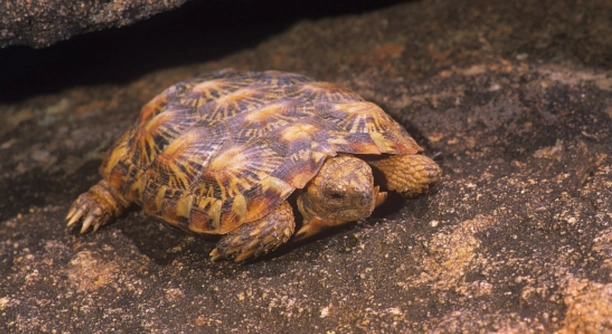
Building an outdoor enclosure for pancake tortoises requires careful planning to ensure their safety and comfort. These unique reptiles need a space that mimics their natural habitat to thrive.
To build the perfect outdoor enclosure for pancake tortoises, create a spacious, secure area with both sun and shade. Include natural hiding spots and proper substrate for burrowing. Ensure the enclosure is predator-proof to protect your tortoises.
A well-designed enclosure will help your pancake tortoises stay healthy and happy in their new home.
Choosing the Right Location for Your Pancake Tortoise Enclosure
When setting up an outdoor enclosure for your pancake tortoises, location is key. Find a spot with plenty of natural sunlight, as these tortoises need UVB rays for their health. However, make sure the area also has shaded spots where your tortoises can retreat when it gets too hot. Avoid areas that are overly windy or subject to frequent rainfall, as this could affect their comfort. The space should be large enough for them to explore and move freely, providing a balance between sunny and shady spots. Secure fencing is also crucial to keep predators out.
A flat, level area is ideal to avoid any unbalanced or sloped surfaces that could affect their mobility. Make sure there’s enough room for plants or rocks to create hiding spots, giving them options for shelter when they feel vulnerable. Additionally, consider the safety of the location—keeping them away from potential predators is a priority.
A good location sets the foundation for your tortoises to feel comfortable and safe. Providing the right balance of sunlight, shade, and protection will ensure their well-being.
Enclosure Materials and Substrate
Selecting the right materials and substrate is crucial in creating a suitable environment for your pancake tortoises. The substrate should allow for burrowing, as this mimics their natural behavior.
A mix of soil, sand, and small pebbles works well, as it allows your tortoises to dig and stay comfortable. You can also include a layer of leaf litter for added warmth and a natural aesthetic. Be sure to keep the substrate dry to prevent any unwanted mold or bacterial growth, which could harm your tortoises.
Rocks or logs can be used as decoration while also serving as climbing structures or hideaways. These materials will not only provide enrichment for your tortoises but also give them options for exercise, which is important for their health. When adding plants, choose tortoise-safe varieties that will not harm them if eaten. Make sure any plants are non-toxic.
Creating a Secure and Escape-Proof Enclosure
One of the most important factors in building your pancake tortoise enclosure is ensuring it’s escape-proof. Pancake tortoises are known for their ability to climb and squeeze through small openings, so it’s essential to construct an enclosure with tight fencing.
Wire mesh with small gaps, preferably no larger than 1 inch, should be used to prevent escape. Bury the mesh a few inches into the ground to prevent digging. Ensure the height is adequate, as pancake tortoises are capable of climbing to surprising heights, especially if they are motivated by curiosity.
Check regularly for any potential weak spots or areas where they may be able to push through. The fencing should be tall enough to deter them from trying to climb out but also allow them to feel comfortable within their space. If possible, use a solid bottom for the enclosure to protect against predators and ensure the tortoises have a safe, secure space to roam freely.
An escape-proof enclosure is essential to keeping your pancake tortoises safe and happy. By taking these measures, you can ensure they stay within their habitat while being able to enjoy all the enrichment you’ve set up.
Temperature and Humidity Control
Maintaining the right temperature and humidity is essential for the well-being of pancake tortoises. Their enclosure should provide a range of temperatures, with a basking area reaching 90°F and cooler spots around 75°F.
Humidity should be moderate, around 50-60%, which can be maintained by misting the enclosure or adding a shallow water dish. However, avoid excessive moisture, which could lead to mold growth. Use a thermometer and hygrometer to monitor both temperature and humidity regularly. Make adjustments as needed to ensure a stable environment.
Heating lamps can be used to provide warmth during cooler months, but be sure they are not too close to the tortoises. Also, ensure they have access to shaded areas to prevent overheating. A warm, comfortable environment is crucial to keeping your pancake tortoises healthy.
Feeding and Hydration
Your pancake tortoises require a balanced diet to thrive. Their main diet consists of leafy greens, such as dandelion greens, clover, and grasses.
In addition to greens, you can offer occasional fruits and flowers. Avoid overfeeding fruits as they can cause digestive issues. A shallow water dish should always be available for hydration. The water should be refreshed daily to keep it clean. Ensure the food provided is free from pesticides and other harmful chemicals. Your tortoises will also benefit from the occasional dusting of calcium powder to support strong bones and shell health.
Feeding your tortoises a varied diet helps them stay healthy and active. Keep track of their eating habits to ensure they are getting the nutrients they need.
Predator Protection
Protecting your pancake tortoises from predators is a must. Small mammals, birds of prey, and even larger reptiles may pose a threat.
A strong, high-quality fence will help keep predators out. Make sure the bottom of the fence is securely buried in the ground. Adding extra barriers, like wire mesh at ground level, will enhance security. Regular checks on the enclosure’s integrity can help you spot any weaknesses before they become an issue.
Predator-proofing ensures that your tortoises remain safe and protected in their habitat. It will also reduce stress on the tortoises, allowing them to feel more secure.
Enclosure Enrichment
Enrichment is vital to keeping your pancake tortoises mentally and physically stimulated.
Adding various rocks, logs, and plants will provide hiding spots and climbing opportunities. The tortoises will enjoy navigating around these objects, which promotes healthy exercise. Natural items like branches, shrubs, and stones can help replicate their wild environment, fostering natural behaviors. Consider adding some low-growing plants they can nibble on.
Enrichment will encourage natural foraging and exploring behaviors, which are essential for their well-being. Providing an engaging environment helps prevent boredom and ensures they stay active.
Seasonal Adjustments
As the seasons change, so should the care of your pancake tortoises.
During colder months, make sure their enclosure provides warmth. Use heat lamps or space heaters to ensure they stay warm enough, especially during chilly nights. In hotter weather, ensure the enclosure has plenty of shaded areas for cooling off. This helps prevent overheating and dehydration. Adjust the humidity levels depending on the season to maintain a stable environment.
Seasonal adjustments help keep your tortoises comfortable and healthy year-round. Monitoring these changes ensures a balanced and consistent habitat throughout the year.
FAQ
How much space do pancake tortoises need in their outdoor enclosure?
Pancake tortoises need a large, spacious area to roam and explore. An enclosure of at least 4 feet by 8 feet is recommended for a small group. The larger the space, the better, as it provides them with room to exercise and exhibit natural behaviors. It’s also important to have both open areas for basking and shaded areas where they can retreat when necessary. Providing enough space promotes their physical and mental well-being.
Can I keep multiple pancake tortoises in the same enclosure?
Yes, you can keep multiple pancake tortoises in the same enclosure, but it’s important to monitor their interactions. They are generally social creatures, but conflicts may arise over food or space. Make sure the enclosure is large enough to give them plenty of room to avoid aggression. Each tortoise should have its own access to food and hiding spots. If you’re introducing new tortoises, do so slowly and observe their behavior closely.
What should I use for substrate in the tortoise’s enclosure?
A mix of soil, sand, and small pebbles works best for pancake tortoises. This allows them to dig and create burrows. The substrate should be dry to prevent mold growth and bacteria. Leaf litter can also be added for extra warmth and a more natural environment. Ensure that the substrate is thick enough for the tortoises to burrow in, and avoid using materials that could be harmful if ingested, such as cedar chips or anything toxic.
How do I provide the right temperature and humidity for pancake tortoises?
Pancake tortoises require a basking area with temperatures around 90°F, and the cooler areas of the enclosure should be around 75°F. To maintain these temperatures, you can use heat lamps. Humidity should be moderate, around 50-60%. To maintain the right humidity, mist the enclosure occasionally and keep a shallow water dish for drinking. Monitor the temperature and humidity levels with thermometers and hygrometers to ensure the environment stays consistent.
Can pancake tortoises live outside year-round?
Yes, pancake tortoises can live outside year-round in the right climate. They do best in warmer areas and need access to both sunny and shaded spots. If you live in a colder climate, it’s important to bring them inside during the winter months or ensure their outdoor enclosure has proper heating to maintain warmth. For tortoises kept outdoors year-round, make sure the enclosure is secure and protected from predators.
What should I feed my pancake tortoises?
Pancake tortoises are herbivores, and their diet should consist primarily of leafy greens, grasses, and flowers. Dandelion greens, clover, and kale are good choices. You can occasionally offer fruits like strawberries or melon, but these should only be treats in moderation, as too much fruit can upset their digestion. Always ensure that the food is fresh and pesticide-free. Calcium powder can also be dusted on their food occasionally to support shell and bone health.
How often should I feed my pancake tortoises?
Pancake tortoises should be fed every day or every other day, depending on their size and age. Younger tortoises tend to eat more frequently than older ones. Offer a variety of leafy greens and occasional fruits. Always remove any uneaten food to prevent it from spoiling and attracting pests. It’s important to provide fresh, clean food at every feeding to ensure they get the nutrients they need.
How can I prevent my pancake tortoises from escaping?
Pancake tortoises are excellent climbers and can squeeze through small openings, so it’s important to ensure your enclosure is escape-proof. Use sturdy fencing with small gaps (less than 1 inch) and bury the bottom of the fence a few inches into the ground. Ensure the height is sufficient to prevent climbing. Regularly check the enclosure for weak spots, and repair them immediately to prevent escapes.
What is the best way to hydrate my pancake tortoises?
Provide a shallow water dish in the enclosure, ensuring it’s cleaned and refilled with fresh water daily. Pancake tortoises may not drink a lot of water but will often hydrate through the food they eat, especially if you offer leafy greens with high moisture content. You can also lightly mist the enclosure to help maintain proper humidity levels.
Do pancake tortoises need UVB light in their outdoor enclosure?
Yes, pancake tortoises require UVB light to process calcium and maintain their health, especially for proper shell and bone growth. In an outdoor enclosure, they can receive natural sunlight, which provides the necessary UVB rays. However, if you’re keeping them indoors or during cloudy weather, a UVB light should be used to ensure they get the proper exposure.
How can I keep my pancake tortoises safe from predators?
To protect your tortoises from predators like birds of prey or small mammals, make sure your enclosure has secure, high fencing made of strong materials. Wire mesh with small gaps is ideal. You should also bury the bottom of the fence a few inches into the ground to prevent digging. Regularly check the enclosure for weak spots or potential gaps that predators could exploit. Consider adding an extra layer of protection, such as a roof or netting, if necessary.
How do I know if my pancake tortoises are healthy?
Healthy pancake tortoises are active and alert. Their shells should be smooth, without any cracks or deformities. If you notice changes in their behavior, such as lack of appetite, lethargy, or abnormal movements, it may indicate a health issue. Regularly check their shells for any signs of infection or damage, and ensure they are eating a balanced diet. If you’re ever unsure about their health, consult a veterinarian familiar with reptiles.
Final Thoughts
Building the perfect outdoor enclosure for pancake tortoises involves considering their specific needs for space, temperature, humidity, and diet. Creating a natural environment that mirrors their habitat can enhance their health and well-being. A large, secure enclosure provides room for them to roam, dig, and bask, promoting their natural behaviors. The right temperature gradient is crucial to their comfort, allowing them to regulate their body temperature effectively. Humidity and access to fresh water also play a significant role in ensuring they stay hydrated and healthy.
It’s also important to monitor the enclosure regularly for any damage or wear that could compromise the safety of your tortoises. This includes checking for weak spots in the fence, ensuring that the substrate remains dry and clean, and observing the behavior of the tortoises themselves. If you notice any signs of stress or illness, make adjustments to their environment and diet. Regular maintenance and attention to detail can prevent potential issues and improve the long-term health of your pancake tortoises.
Providing a balanced diet and proper care is key to ensuring that your pancake tortoises thrive in their outdoor enclosure. By offering a variety of leafy greens, occasional fruits, and proper calcium supplementation, you can help them maintain healthy shells and bones. With the right environment, you’ll be able to enjoy watching your pancake tortoises live happily and actively in their outdoor home.

Hello,
If you enjoy the content that we create, please consider saying a "Thank You!" by leaving a tip.
Every little bit helps us continue crafting quality advice that supports the health, happiness, and well-being of pets around the world, for pets of all shapes, sizes, and species.
We really appreciate the kindness and support that you show us!