
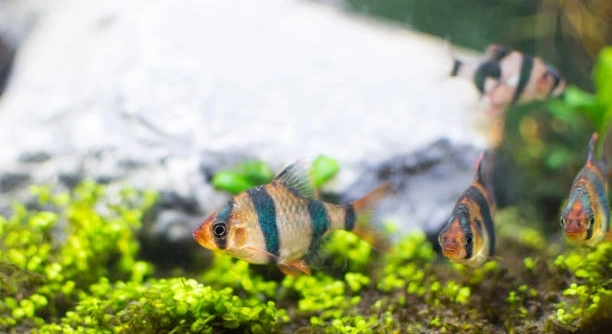
Are your tiger barbs constantly chasing tankmates, tearing up plants, or looking stressed in their aquarium? A proper layout can make a big difference. Creating a space that suits their energy helps keep them healthy and calm.
The best way to build a tiger barb-friendly layout is by combining open swimming areas with structured zones using hardy plants and décor. This setup mimics their natural habitat, reduces stress, and encourages healthy social interaction among the group.
A few layout changes can help your tiger barbs thrive. Let’s look at how to arrange plants, décor, and space effectively.
Understanding Tiger Barb Behavior
Tiger barbs are active and social fish that thrive in groups of six or more. They are known for their fast movements and occasional nipping, especially if the tank is too small or lacks proper structure. A well-planned layout can help reduce aggressive behavior by giving them places to explore, hide, and establish a loose hierarchy. Open swimming areas are important because tiger barbs love to dart around the tank. However, they also benefit from plants, driftwood, and other features that break up the space and allow for short retreats. Providing a balanced mix of open zones and covered spots helps them feel secure while keeping their energy focused on their environment rather than other tankmates. Their behavior can change depending on how comfortable and stimulated they feel, so creating a thoughtful setup goes a long way in supporting their health. Keep their group size consistent to limit stress.
Tiger barbs are more peaceful when they live in a proper layout. Their behavior improves when they have space to swim and elements to explore.
You’ll notice less fin-nipping, more natural schooling, and better color when their space is set up with their needs in mind.
Key Layout Elements for Tiger Barbs
Your layout should balance structure and movement. Give them room to swim by placing décor along the back and sides of the tank. Use hardy plants like Java fern or Anubias, which can handle their occasional nips without breaking down.
Start by choosing a tank that’s at least 20 gallons, though 30 is ideal for a group of six or more. Leave the center of the tank mostly open so the barbs can swim freely in short bursts. Place rock structures, driftwood, or tall plants near the back and corners to give them coverage and territory. These features create visual breaks, which reduce stress and limit aggressive behavior. Stick with smooth-edged decorations to avoid injuries. Tiger barbs tend to pick at plants, so use sturdy, slow-growing types that won’t fall apart easily. Floating plants can help reduce light levels and add an extra layer of security. Don’t overcrowd the tank with decorations—keep the layout open but purposeful, and always leave space for swimming.
Choosing the Right Substrate and Lighting
Fine gravel or sand is best for tiger barb tanks. These materials are soft on their fins and allow for natural foraging behavior. Avoid sharp or rough substrate, as it may cause injury or stress over time.
Lighting should be moderate. Too much brightness can make tiger barbs nervous and affect their behavior. Use adjustable LED lighting to control intensity throughout the day. A 6- to 8-hour light cycle helps mimic their natural rhythm. If your tank includes live plants, choose a light that supports plant growth without overwhelming the fish. Floating plants can also soften the lighting and add a sense of safety. Tiger barbs are more comfortable in a stable environment, so avoid drastic changes in lighting. Keeping light levels consistent will help reduce stress and support a regular activity pattern for the fish and any tankmates.
Substrate color can affect the way your tiger barbs look. A darker substrate brings out their bright orange and black coloring, making them stand out more. It also reduces glare in the tank, which helps the fish feel calmer. If you plan to keep bottom-dwelling species with your barbs, sand may be the better option, as it’s easier for other fish to sift through without injury.
Picking Compatible Tankmates
Avoid slow-moving or long-finned fish, as tiger barbs may chase or nip them. Instead, choose active species that can keep up with their pace and don’t mind a bit of energy in the tank.
Look for tankmates like danios, rainbowfish, or other barbs, which match their activity level and can hold their own. Bottom dwellers like corydoras or loaches can also work well, as they stay out of the barbs’ way and occupy a different area of the tank. Make sure to add enough space for everyone—overcrowding leads to more stress and conflict. Keep your tiger barbs in a group of at least six to reduce aggression toward others. A larger school spreads out any tension among the barbs themselves. Watch for signs of stress in tankmates and be ready to adjust if needed. A peaceful mix takes planning, but it’s worth it for a balanced tank.
Maintaining Water Quality
Keep the water clean and stable with regular partial water changes. Aim for 25% weekly to prevent ammonia buildup and reduce stress. Use a good-quality water conditioner to remove chlorine and other harmful chemicals before adding fresh water.
Maintain a filter that supports biological, mechanical, and chemical filtration. A steady flow helps oxygenate the water, which tiger barbs prefer. Test water parameters weekly to monitor ammonia, nitrite, nitrate, and pH levels.
Feeding and Tank Layout Interaction
Feeding routines affect how tiger barbs use their environment. Spread food across the tank to encourage natural movement and reduce competition. Floating flakes or slow-sinking pellets work well. Feed once or twice daily in small amounts to prevent leftovers from rotting and clouding the water. Overfeeding can cause fish to become sluggish and increase waste in the tank. When barbs are well-fed and active, they interact more positively with their surroundings—using plants, hiding spaces, and open zones as intended. A steady feeding routine paired with a thoughtful layout supports healthier behavior and keeps your tank looking clean and organized.
Managing Plant Damage
Tiger barbs may nip at soft plants, so use hardy species that can tolerate some picking. Anchor plants well to prevent them from being uprooted during active swimming or feeding.
How many tiger barbs should I keep together?
Tiger barbs are schooling fish that feel safest and show their best behavior in groups. A minimum of six is recommended to reduce aggression and stress. Smaller groups often lead to bullying and fin nipping among themselves and other tankmates. Keeping at least six or more allows their natural social structure to form, spreading out any aggressive behavior so it doesn’t target one fish repeatedly. Larger groups also encourage more active schooling and reduce boredom.
What tank size is ideal for tiger barbs?
A 20-gallon tank is the smallest recommended size for a group of six tiger barbs. For bigger groups, a 30-gallon or larger tank is better. The extra space allows room for swimming and territory, which is important for their active nature. More space also helps keep water quality stable and lowers the chance of aggressive behavior caused by overcrowding.
Are tiger barbs aggressive toward other fish?
Tiger barbs can be nippy, especially if kept in small groups or with slow-moving fish. Their natural behavior includes chasing and fin-nipping, which can stress or harm more passive species. Choosing fast, active tankmates that can handle their energy helps keep aggression in check. Proper tank layout and sufficient group size are also key to minimizing these behaviors.
What plants work best in a tiger barb tank?
Hardy, slow-growing plants like Java fern, Anubias, and Cryptocoryne are ideal. These plants tolerate nibbling and rough swimming better than delicate species. Floating plants can add shade and reduce bright light, helping tiger barbs feel secure. Avoid fragile or soft-leaved plants that will quickly get damaged.
How often should I feed tiger barbs?
Feed tiger barbs small amounts once or twice a day. They do best with a varied diet that includes high-quality flakes or pellets, plus occasional treats like frozen or live foods. Avoid overfeeding, which can pollute the water and lead to health problems. Spread food around the tank to encourage natural foraging and reduce competition.
What water conditions do tiger barbs need?
Tiger barbs prefer water temperatures between 74°F and 79°F (23°C to 26°C) with a pH of 6.5 to 7.5. Stable water quality is essential, so regular testing and water changes are important. They are hardy fish but do not tolerate sudden changes in temperature or water chemistry well.
Can tiger barbs live with long-finned fish?
It’s best to avoid keeping tiger barbs with long-finned species like bettas or guppies. Their nipping behavior often targets fins, which can stress or injure these fish. Instead, select tankmates with shorter fins and similar activity levels to reduce conflicts.
How can I reduce aggression in my tiger barb tank?
Keeping a group of six or more reduces aggression by spreading out the social tension. Provide plenty of hiding spots, plants, and decorations to break up the line of sight. Regular water changes and a stable environment also help reduce stress, which can lead to aggression.
Is it okay to keep tiger barbs in a planted tank?
Yes, as long as you choose hardy plants that can withstand nibbling and occasional uprooting. A planted tank helps create a natural environment, provides hiding spots, and improves water quality. Just expect some wear on plants, and anchor them well to prevent damage.
How do I know if my tiger barbs are stressed?
Signs of stress include dull colors, erratic swimming, hiding too much, or increased fin-nipping. Stressed fish may lose appetite or show signs of illness. Check water quality, tank layout, and group size if you notice these behaviors, and make adjustments to improve their environment.
Creating a tiger barb-friendly layout takes some planning, but it is well worth the effort. These active and social fish need space to swim freely, but also places to hide and explore. Balancing open areas with hardy plants and decorations helps keep their energy focused and reduces stress. When the tank environment suits their natural habits, tiger barbs display healthier behavior and brighter colors. Making small changes to the layout can improve their well-being significantly.
Water quality and tank size play a big role in how comfortable your tiger barbs feel. Regular water changes and a good filtration system maintain clean and stable conditions. Providing enough room for a group of six or more reduces aggression and encourages schooling, which helps the fish feel secure. It’s important to choose compatible tankmates and avoid overcrowding. Keeping lighting moderate and selecting a suitable substrate also support their natural environment. All these factors work together to create a balanced and thriving aquarium.
Ultimately, patience and observation are key when setting up a tiger barb tank. It may take some time to find the best layout and group size that works for your fish. Watching their behavior closely helps identify what changes are needed. With thoughtful care and the right environment, tiger barbs can live happy, active lives. A well-designed tank not only benefits the fish but also creates a beautiful, lively display for anyone to enjoy.

Hello,
If you enjoy the content that we create, please consider saying a "Thank You!" by leaving a tip.
Every little bit helps us continue crafting quality advice that supports the health, happiness, and well-being of pets around the world, for pets of all shapes, sizes, and species.
We really appreciate the kindness and support that you show us!