
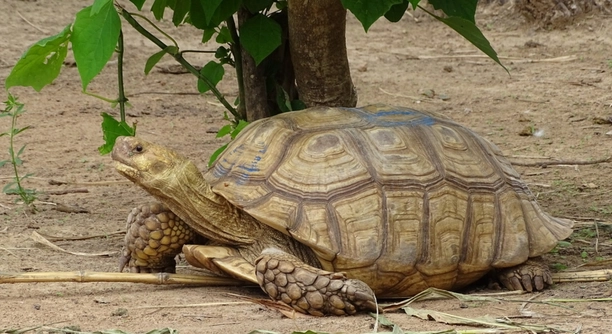
Creating a garden that is suitable for your sulcata tortoise can be a rewarding and fulfilling project. It ensures they have a safe, comfortable, and natural environment to thrive in. This guide will help you with the process.
Building a sulcata tortoise-friendly garden requires selecting appropriate plants, providing sufficient space, and ensuring proper habitat conditions. Use drought-tolerant plants and create shaded areas, as sulcatas need both sun and cool spaces to regulate their body temperature.
With these tips, your garden will provide a healthier and happier life for your sulcata tortoise.
Choosing the Right Plants for a Sulcata Tortoise Garden
Selecting the right plants is one of the most important steps in creating a sulcata tortoise-friendly garden. Sulcatas are herbivores, and their diet consists primarily of grasses, leaves, and some flowers. By choosing plants that are both safe and nutritious for your tortoise, you can ensure they have access to a healthy diet directly from your garden. Focus on drought-tolerant, non-toxic plants like hibiscus, dandelion, and clover. Avoid plants that are high in oxalates, as they can cause kidney issues in tortoises. Also, be mindful of the soil quality; ensure it’s free of chemicals and pesticides. This will help your tortoise maintain its health while foraging in your garden.
To keep things simple, it’s best to stick with plants that thrive in your climate. Native plants are usually a good choice because they’re already adapted to the conditions.
Sulcata tortoises prefer broad, low-growing plants they can easily munch on. These plants should provide both variety and nutrition. Avoid prickly or thorny varieties that could harm their sensitive mouths.
Creating Proper Shelters and Shade
Shelter is another essential element of a tortoise-friendly garden. Sulcatas need access to both sunlight and shade to regulate their body temperature properly. You can create shaded areas by planting taller, leafy plants or using outdoor structures like pergolas. These will provide your tortoise with a cooler spot when it becomes too hot under the sun.
A shaded area is particularly important during the summer when the sun can be intense. You can also use materials like corrugated metal or wooden planks to create shelters that block the sun while still allowing airflow. Additionally, consider adding some stone piles or small wooden structures. These can serve as hiding places, providing your tortoise with both shelter and security.
Ensuring proper shelter will allow your tortoise to feel safe and comfortable in its environment. This balance between sun and shade is vital for its well-being, as it helps regulate its body temperature. By combining plants and structures thoughtfully, you’ll create a safe space for your tortoise.
Providing Adequate Space for Your Sulcata Tortoise
Sulcata tortoises are large and need plenty of room to roam. A spacious enclosure allows them to explore and exercise, which is essential for their physical and mental health. If you have a garden, this can be the perfect place for them to wander.
The more space you provide, the better. A larger area mimics their natural habitat, where they travel long distances in search of food. Make sure the space is secure, as sulcatas can be surprisingly good at escaping. Fence your garden or create barriers to keep them safe from predators or wandering off.
Without enough space, your tortoise might experience stress, which can lead to health issues. Providing a large area filled with food and shelter helps them thrive. It also allows them to display natural behaviors like grazing, digging, and basking in the sun.
Watering System for the Garden
Tortoises need fresh water, and your garden should have a suitable water source for them. Install a shallow, sturdy water dish that your tortoise can easily access. Make sure the water stays clean, as bacteria can thrive in stagnant water.
Adding a small pond can be a great addition to your garden. A pond gives your tortoise a place to drink, soak, and cool off. Ensure that the pond isn’t too deep and that the sides aren’t slippery, as tortoises can struggle to climb out of deep water.
Be mindful of the water temperature as well. Too hot or too cold water can make your tortoise uncomfortable. Refresh the water daily to maintain cleanliness. A consistent water source will keep your sulcata hydrated and happy in its environment.
Soil Quality and Drainage
Good soil quality is essential for a healthy garden. Use well-draining soil that doesn’t retain too much water. This will prevent the growth of mold or fungus, which could harm your tortoise. The right soil also supports healthy plant growth.
Consider adding organic matter like compost or mulch to improve the soil’s structure. This will help with nutrient retention and support plant life. Avoid using soil that’s too acidic or too alkaline. Ideally, aim for a neutral pH to keep everything balanced. Healthy soil leads to a thriving garden for your sulcata tortoise.
Creating Safe Boundaries
Safe boundaries are essential to keep your sulcata tortoise within the garden. Make sure the fence or enclosure is tall and secure. Sulcatas are strong, and they can dig, so make sure the fence goes deep enough into the ground to prevent escape.
You can use materials like chicken wire, wood, or metal. Ensure there are no gaps where the tortoise might squeeze through. A well-built enclosure will keep your tortoise safe and allow it to enjoy its outdoor space without the risk of getting lost or injured.
FAQ
How much space does a sulcata tortoise need in a garden?
Sulcata tortoises require a lot of space to roam. A minimum of 100 square feet per tortoise is recommended for a garden area, but the more space, the better. A larger area allows them to display natural behaviors like grazing and exploring. Providing a spacious environment will also reduce stress and promote physical health. If you have more than one tortoise, you’ll need to increase the space accordingly. It’s also important to make sure the space is secure to prevent escapes.
What kind of plants can I include in a sulcata tortoise-friendly garden?
Safe, non-toxic plants are key. Sulcatas enjoy grazing on grasses, weeds, and low-growing plants like hibiscus, dandelions, and clover. Avoid any plants that are toxic to tortoises, such as azaleas, oleanders, or ivy. Drought-tolerant, native plants that thrive in your climate will be best. You can also grow edible flowers like pansies and geraniums, which sulcatas love. Try to avoid plants with thorns or prickles, as they could cause injury.
Can I plant vegetables for my sulcata tortoise to eat?
Yes, you can grow vegetables in your garden for your tortoise. However, they should only be fed in moderation. Some vegetables, like collard greens, mustard greens, and turnip greens, are excellent choices. Avoid feeding them vegetables that are too high in oxalates, like spinach and beet greens, as they can lead to kidney problems. Always ensure the vegetables are pesticide-free to keep your tortoise healthy.
How can I protect my sulcata tortoise from predators?
A secure fence is essential to protect your tortoise from predators. The fence should be tall enough (at least 18-24 inches) and buried at least a foot deep to prevent digging. You can use chicken wire, metal, or wooden panels to build the fence. Make sure there are no gaps where predators like raccoons or foxes could enter. Adding a sturdy roof or overhead cover can also help deter birds of prey. Always check the perimeter of your garden regularly for weaknesses.
What should I do to keep my sulcata tortoise warm in colder climates?
Sulcata tortoises are native to warm climates, so in colder areas, they may need extra warmth. If your garden experiences cold weather, consider building an indoor enclosure with a heat source for winter months. You can use heat lamps, ceramic heaters, or under-tank heaters to maintain a warm environment. If your tortoise stays outside, make sure it has access to a heated shelter that keeps it above freezing temperatures. Never leave your tortoise exposed to cold weather for long periods, as it can lead to health problems.
How do I ensure my sulcata tortoise stays hydrated?
Proper hydration is crucial for your tortoise’s health. Make sure to provide fresh water daily in a shallow dish that’s easy for the tortoise to access. If you have a large garden, adding a shallow pond or a kiddie pool can also be beneficial. Make sure the water is clean and refreshed regularly. In addition, you can occasionally mist the plants or provide a shallow soak to encourage your tortoise to drink. Avoid allowing the water to stagnate, as it could breed bacteria.
What is the best type of soil for a sulcata tortoise garden?
The best soil for your sulcata tortoise garden is well-draining, slightly sandy, and rich in organic matter. Adding compost will improve the soil structure and provide nutrients. You can also mix in some sandy soil to help with drainage. Avoid using soil with too much clay or that retains too much moisture. This could lead to fungal growth and mold, which may harm the tortoise. Ensure that the soil is free from chemicals, fertilizers, or pesticides.
How do I create shade for my sulcata tortoise in the garden?
Creating shaded areas is crucial, especially in warmer climates. You can plant tall, leafy plants like bamboo, sunflowers, or hibiscus to provide natural shade. Alternatively, use garden structures like pergolas, shade cloth, or wooden fences to create sheltered areas. Ensure the shade is cool enough for the tortoise to regulate its body temperature. Having both sunny and shaded spots in your garden allows the tortoise to move between temperatures as needed, which is important for its health.
Can sulcata tortoises live with other animals in the garden?
Sulcata tortoises can coexist with other animals if the garden is spacious and the other animals are non-threatening. However, it’s important to keep larger or more aggressive animals away. Animals like dogs, cats, and other predators can pose a risk. If you plan on having other animals in the same space, supervise interactions closely to ensure the safety of the tortoise. Additionally, be mindful of smaller pets that may try to eat your tortoise’s plants or water source.
What should I do if my sulcata tortoise seems stressed?
Stress in a sulcata tortoise is often caused by insufficient space, inadequate shelter, or temperature extremes. If your tortoise is showing signs of stress, like pacing, hiding, or a lack of appetite, check for environmental issues. Ensure there is enough room for them to roam, and provide a balance of sun and shade. Also, check the temperature of both the air and the water to make sure it’s suitable. If these factors are in place, your tortoise should feel comfortable and secure in its environment.
Final Thoughts
Building a sulcata tortoise-friendly garden requires careful planning and attention to detail. These tortoises need plenty of space to roam, a safe environment, and a habitat that mimics their natural surroundings. A large, secure area with suitable plants and soil will keep your tortoise happy and healthy. The right plants, such as grasses, dandelions, and hibiscus, should be included, while avoiding harmful or toxic ones. It’s important to create boundaries to ensure the tortoise remains safe and cannot escape, especially since sulcatas are known to dig. Providing a shaded area and ensuring the right balance of temperature and humidity will also help your tortoise thrive.
Remember that proper soil quality is just as important as the plants themselves. Use well-draining soil that doesn’t retain too much moisture, as stagnant water can lead to mold and fungus growth. Make sure the soil has a neutral pH to encourage healthy plant growth. Adding organic matter like compost will not only improve the soil but also help retain nutrients. A clean and well-maintained garden will benefit your tortoise in the long run by providing it with a healthy and safe space. Hydration is key, so keep water sources accessible and fresh, and monitor the garden for any potential hazards that could harm your tortoise.
Creating a proper garden for your sulcata tortoise is not just about providing the right environment, but also about ongoing maintenance. Regular checks for safety, health, and cleanliness will ensure the garden continues to support your tortoise’s well-being. Keep an eye on any plants you add, ensuring they are not toxic, and regularly inspect your boundaries to prevent escapes. With the right care, your sulcata tortoise will be able to enjoy its garden for years to come, benefiting from a habitat that mimics its natural environment. By focusing on the essentials—space, safety, soil, and plants—you create a thriving and happy home for your pet.

Hello,
If you enjoy the content that we create, please consider saying a "Thank You!" by leaving a tip.
Every little bit helps us continue crafting quality advice that supports the health, happiness, and well-being of pets around the world, for pets of all shapes, sizes, and species.
We really appreciate the kindness and support that you show us!