
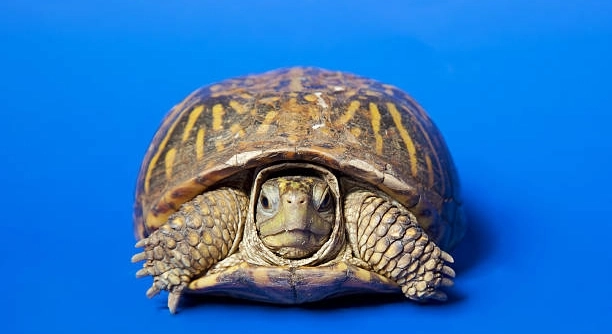
Building a portable habitat for your box turtle can be a fun and rewarding experience. It offers a safe space for your turtle while allowing flexibility to move it around when needed.
The best way to create a portable habitat for your box turtle is to use a spacious container with proper ventilation, bedding, and access to food, water, and sunlight. This ensures comfort and health while maintaining mobility.
By understanding the essentials of creating this habitat, you’ll ensure your turtle’s well-being while making it easy to move its environment.
Choosing the Right Container for Your Turtle
When setting up a portable habitat for your box turtle, picking the right container is key. A plastic storage bin or a large aquarium can work well. The container needs to be spacious enough for your turtle to move around comfortably, with enough space to add essential items like water and bedding. Aim for a container that is at least twice the size of your turtle’s shell to give it room to explore. It should also have secure sides, preventing your turtle from escaping.
A solid lid or top is essential to protect your turtle from any potential predators or other animals. The material should be sturdy yet light enough to easily move. A clear or translucent bin is preferable to allow your turtle to experience natural light.
You should also consider the portability factor. The best containers are lightweight and easy to move, whether you’re placing them on the floor or carrying them outside for some sunshine. The more convenient your habitat is to handle, the easier it is to care for your turtle wherever you go.
Setting Up Proper Bedding
Choosing the right bedding is vital for your turtle’s comfort and health. Use natural materials such as coconut coir, peat moss, or shredded paper to mimic the outdoor environment. Avoid sand or soil, as it can be difficult to keep clean.
Bedding should be thick enough to provide some humidity, but not so deep that your turtle struggles to walk. This layer will allow your box turtle to burrow or hide if it feels stressed, providing a more natural and calming habitat.
Providing Adequate Ventilation
Good airflow is essential for your turtle’s habitat. Ensure that your container has enough ventilation holes to keep the air fresh and prevent humidity from building up too much. Without proper ventilation, mold and bacteria can grow, which could harm your turtle’s health.
Ventilation is also important for temperature control. Box turtles need a temperature gradient to regulate their body heat, so airflow helps to maintain a comfortable climate within the habitat. Make sure that the ventilation holes are positioned at the top or sides of the container to allow air to flow freely. Too many holes or too few can create an uncomfortable environment, so balance is key.
To avoid drastic temperature changes, ensure the holes are not too large. This will help maintain a steady climate and prevent drafts. You can also use a mesh top for easy airflow while still maintaining some coverage.
Access to Light and Heat
Your box turtle needs access to both UVB light and heat. A combination of natural sunlight and artificial UVB lighting works best for keeping your turtle healthy. Aim for around 10-12 hours of light each day, and make sure it’s positioned where your turtle can bask and regulate its body temperature.
If you plan on moving the habitat outside, ensure there is a shaded area for your turtle to cool down if it gets too warm. UVB lighting is vital for helping your turtle process calcium, preventing shell deformities. In addition to light, providing a heat source is just as important.
A heat lamp or under-tank heating pad can help maintain a temperature of about 80-85°F during the day. The heat source should be placed at one end of the container to create a temperature gradient, allowing your turtle to choose the right spot to warm up or cool down.
Providing Water and Food Sources
Your box turtle needs constant access to fresh water. A shallow dish is best, as it allows your turtle to drink and soak without risk of drowning. Change the water daily to keep it clean.
Place food in a separate dish to prevent contamination with water. You can offer leafy greens, fruits, and insects to create a balanced diet. Remove uneaten food after a few hours to prevent mold or bacteria growth.
Maintaining Humidity Levels
Humidity is crucial for your box turtle’s well-being. Too much moisture can cause respiratory issues, while too little can lead to dehydration. Aim for a humidity level between 50-70%, depending on your turtle’s specific needs.
To maintain the right humidity, mist the bedding lightly each day, but be careful not to over-saturate it. You can also add a small water dish with a shallow depth for added humidity. Use a humidity gauge to monitor the levels and adjust the misting accordingly.
FAQ
How often should I clean the habitat?
You should clean your box turtle’s habitat at least once a week. Remove any uneaten food, soiled bedding, or waste to prevent bacteria buildup. Change the water dish daily to keep it fresh. If the bedding becomes too wet or dirty, replace it with clean material. Monthly, do a deeper clean by washing the container with a mild, non-toxic cleaner. Make sure everything is dry before putting it back together.
Can I keep multiple box turtles in the same habitat?
It’s not recommended to house multiple box turtles together in a small portable habitat. Box turtles are territorial and may become aggressive with one another. If you plan to keep more than one, ensure the container is large enough to give each turtle its own space. Alternatively, consider setting up separate habitats for each turtle. Always monitor them closely for any signs of stress or fighting.
What kind of lighting does my box turtle need?
Your box turtle needs UVB lighting to synthesize vitamin D3 and properly absorb calcium. A UVB light should be on for 10-12 hours each day, mimicking natural sunlight. It’s important to place the light at the right distance from your turtle to ensure it’s effective. If possible, give your turtle access to direct sunlight when outside, but make sure the turtle has a way to escape the heat.
How can I make sure my turtle is comfortable during the colder months?
During colder months, it’s important to maintain a stable temperature in your turtle’s habitat. Use a heat lamp to keep the temperature between 80-85°F during the day. At night, temperatures can drop but should stay above 65°F. If you live in a colder climate, avoid placing the habitat near windows where drafts can cause temperature fluctuations. Consider using a heating pad under the container to provide extra warmth if needed.
Can I take my box turtle outside in its habitat?
Yes, but make sure the outdoor environment is safe. The container should be placed in a shaded area to avoid overheating. Your turtle should never be left in direct sunlight for extended periods without access to water and shade. Be cautious of predators such as birds, dogs, or other animals that might harm your turtle. Always supervise your turtle when outside to ensure it doesn’t escape.
What temperature should the habitat be during the day and night?
During the day, the temperature in your turtle’s habitat should range between 80-85°F. This allows your box turtle to bask and regulate its body temperature. At night, the temperature can drop to about 65-70°F, but it should not go below that. Make sure the habitat has a heat source, like a heat lamp or heating pad, to maintain the right temperature.
What is the best bedding material for my box turtle?
For bedding, coconut coir or peat moss are great choices. They retain moisture, providing the humidity your turtle needs. Avoid using sand, as it can lead to digestive problems if ingested. Shredded paper is also a suitable option, as long as it’s free of ink or dyes.
Do box turtles need to be bathed?
Box turtles don’t need regular baths, but offering a shallow soaking dish can help them stay hydrated. They might drink or soak when they feel the need. If your turtle appears dry or its skin looks flaky, a soak in warm water for 15-20 minutes can help. Always make sure the water is not too deep to prevent drowning.
What should I feed my box turtle in its portable habitat?
A varied diet is best. Offer your box turtle leafy greens like kale, dandelion greens, and collard greens, as well as fruits like strawberries and melon in moderation. You can also give them insects like mealworms or crickets to add protein. Always remove uneaten food to prevent it from spoiling.
How do I handle my box turtle?
Box turtles can be a bit shy and may not enjoy being handled much. If you need to handle your turtle, do so gently, and try to keep it low to the ground to avoid any falls. Handle your turtle with clean hands to avoid transferring any oils or chemicals. After handling, wash your hands thoroughly to prevent any cross-contamination.
How big does a box turtle’s habitat need to be?
The habitat should be at least twice the size of your turtle’s shell, but bigger is always better. The more space you can provide, the happier and healthier your turtle will be. Ensure that there’s enough room for water, food, bedding, and a basking area. A larger space also allows for a more natural environment.
Final Thoughts
Creating a portable habitat for your box turtle requires careful planning, but it’s well worth the effort. By providing the right container, bedding, lighting, and temperature, you can make sure your turtle is comfortable and healthy, whether you’re at home or on the go. The key is to maintain a balance of proper ventilation, light, heat, and humidity to mimic your turtle’s natural environment as much as possible. When setting up the habitat, think about your turtle’s basic needs, such as access to food, water, and space to move around.
While it might seem like a lot to manage, taking the time to set up the right environment will make caring for your box turtle much easier in the long run. Having a portable habitat allows you the flexibility to move your turtle without stress, and with the right equipment, you’ll be able to create a safe and secure space for it. Regular maintenance, like cleaning and checking temperature and humidity levels, is essential to keep your turtle thriving. Over time, you’ll find a routine that works best for both you and your turtle.
Remember that each box turtle is unique, and their needs may vary depending on age, size, and specific species. Be sure to observe your turtle’s behavior to ensure it’s happy and healthy in its habitat. If you notice signs of stress, discomfort, or health issues, don’t hesitate to adjust the setup. Caring for a box turtle can be a rewarding experience when you provide a space that supports its well-being. With a little attention to detail and a commitment to meeting its needs, your turtle will enjoy a comfortable and fulfilling life in its portable habitat.

Hello,
If you enjoy the content that we create, please consider saying a "Thank You!" by leaving a tip.
Every little bit helps us continue crafting quality advice that supports the health, happiness, and well-being of pets around the world, for pets of all shapes, sizes, and species.
We really appreciate the kindness and support that you show us!