
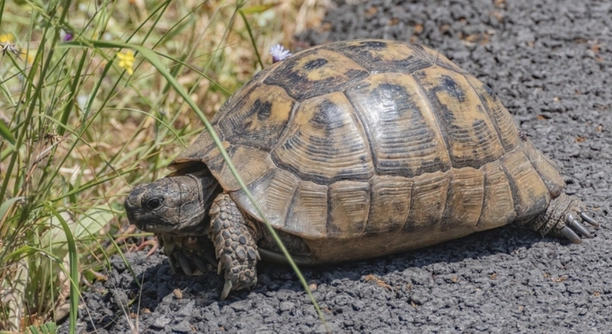
Building a proper enclosure for your Russian tortoise is crucial for its health and happiness. A well-designed habitat can provide the space, comfort, and safety it needs. In this guide, we will walk you through the steps.
Creating a DIY Russian tortoise enclosure requires careful planning and materials. Start by selecting a spacious area with proper lighting, heating, and humidity control. Include hiding spots, substrates for burrowing, and a safe, escape-proof design to keep your tortoise secure.
A well-built enclosure can enhance your tortoise’s well-being and provide an enjoyable experience. Keep reading for a step-by-step guide on building the perfect habitat.
Choosing the Right Location
Selecting the best spot for your Russian tortoise enclosure is essential. Outdoor enclosures work well in warm climates, providing natural sunlight and fresh air. Indoor setups require UVB lighting and proper ventilation. A quiet, safe area away from extreme temperatures ensures a stable environment.
A location with consistent temperature and humidity levels will help maintain your tortoise’s health. Avoid placing the enclosure near vents, drafty windows, or direct sunlight that could cause overheating. A well-ventilated space prevents mold growth and keeps the substrate dry.
Outdoor enclosures should have a secure perimeter to prevent escapes and protect against predators. Partial shading allows your tortoise to regulate its body temperature. If keeping your tortoise indoors, position the enclosure where artificial lighting mimics natural conditions. Accessibility is also important, ensuring you can easily clean, feed, and monitor your tortoise without disturbing its habitat too much.
Essential Materials and Tools
Gathering the right materials will make construction easier. You will need wood or plastic panels, a secure lid, a substrate mix, and proper lighting. Tools like a saw, drill, and measuring tape will help create a sturdy and functional enclosure.
Choose a non-toxic material that resists moisture and retains heat. Plywood, plastic tubs, or melamine are commonly used. A secure lid is necessary to prevent escapes and keep out other pets. Ensure ventilation holes or mesh panels allow airflow while maintaining a stable humidity level.
For the substrate, a mix of soil, sand, and coconut fiber provides a natural surface for digging and burrowing. Avoid materials that can cause impaction, such as gravel or cedar shavings. Lighting is crucial, with UVB bulbs supporting shell health and heat lamps maintaining the right temperature gradient. Setting up the proper foundation will ensure a comfortable and safe habitat for your tortoise.
Building the Enclosure
Start by measuring and cutting the materials to your desired enclosure size. A minimum of 3×2 feet is recommended for one Russian tortoise. Secure the sides using screws or non-toxic adhesive, ensuring there are no gaps that could allow escapes.
Attach a sturdy base to prevent burrowing and reinforce the corners for extra stability. If building an outdoor enclosure, dig a barrier at least 6 inches into the ground to stop your tortoise from digging out. A solid or mesh lid adds protection against predators while allowing airflow.
For indoor enclosures, line the bottom with a waterproof layer to protect flooring from moisture. Install ventilation holes or mesh panels for air circulation. Make sure all edges are smooth to prevent injuries. Once the structure is assembled, test its stability before adding substrate and accessories to ensure a secure and functional habitat.
Setting Up the Interior
Add a 3–4 inch layer of substrate, using a mix of topsoil, sand, and coconut fiber. This provides a natural surface for burrowing and helps maintain humidity. Mist the substrate lightly to keep it from drying out but avoid excessive moisture to prevent mold.
Include hiding spots using half logs, overturned plant pots, or wooden shelters. A shallow water dish is necessary for soaking and drinking. Position it away from the heat source to prevent excessive evaporation. Smooth, flat rocks can be placed for basking areas. Ensure all elements are securely positioned to avoid shifting or tipping over.
Use a combination of heat and UVB lamps to create a temperature gradient. The basking area should reach 95°F, while the cooler side should stay around 75°F. Timers can help maintain a consistent light cycle, mimicking natural daylight patterns for your tortoise’s health.
Maintaining Temperature and Humidity
Use a combination of heat lamps and ceramic heaters to maintain the correct temperature. The basking area should be around 95°F, while the cooler side should stay between 70–75°F. A thermometer and hygrometer help monitor conditions for consistency.
Keep humidity levels between 40–50% to prevent dehydration. Lightly mist the enclosure as needed, but avoid over-watering. Provide a humid hide with damp sphagnum moss to support healthy shedding and hydration. Proper ventilation prevents excessive moisture buildup.
Feeding and Hydration
Offer a diet rich in leafy greens like dandelion, collard greens, and turnip greens. Occasional treats like squash or carrots add variety, but fruits should be avoided. Always provide fresh water in a shallow dish, replacing it daily to keep it clean and free of debris.
Regular Cleaning and Upkeep
Spot clean daily by removing waste and uneaten food. Replace the substrate every few months to maintain a fresh environment. Wipe down surfaces with a reptile-safe cleaner to prevent bacteria buildup. Keeping the enclosure clean ensures a healthy and comfortable space for your tortoise.
FAQ
How big should a Russian tortoise enclosure be?
A single Russian tortoise needs at least a 3×2 foot enclosure, but bigger is always better. Outdoor enclosures should be at least 4×4 feet to allow more movement and natural behaviors. If housing multiple tortoises, increase the size to prevent competition for space and resources.
Can a Russian tortoise live in a glass tank?
Glass tanks are not ideal due to poor ventilation and limited space. Tortoises may also become stressed from seeing their reflection, leading to constant attempts to escape. A wooden tortoise table or a large custom enclosure provides better airflow and a more natural environment.
What type of substrate is best?
A mix of topsoil, play sand, and coconut fiber creates a natural, burrow-friendly environment. Avoid reptile carpets, gravel, or cedar shavings, as they can cause respiratory issues or be ingested. The substrate should be at least 3–4 inches deep to allow for natural digging behavior.
Does a Russian tortoise need UVB lighting?
UVB lighting is essential for calcium absorption and shell health. Without it, tortoises can develop metabolic bone disease. Use a 10.0 UVB bulb, replacing it every six months. If kept outdoors, natural sunlight provides the necessary UVB, but shaded areas should always be available.
How often should I clean the enclosure?
Spot clean daily by removing waste and uneaten food. Replace water dishes and wipe surfaces weekly. A full substrate change should be done every few months. Deep cleaning with a reptile-safe disinfectant ensures the enclosure remains free of bacteria and harmful buildup.
What temperature should the enclosure be?
The basking area should reach 95°F, while the cooler side should stay between 70–75°F. Nighttime temperatures can drop to around 65°F but should not go lower. Using a heat lamp and ceramic heater helps maintain a stable temperature throughout the enclosure.
Can Russian tortoises live outside year-round?
If temperatures remain between 65–85°F, a Russian tortoise can live outdoors. In colder climates, they need to be brought inside during the winter. Outdoor enclosures should have a predator-proof lid, shaded areas, and underground barriers to prevent escapes or burrowing too deep.
How often should a Russian tortoise eat?
Feed adults daily with leafy greens, occasional vegetables, and calcium supplements. Younger tortoises may require more frequent feedings due to their growth rate. Avoid high-protein foods like dog food, as they can lead to kidney and shell problems over time.
Do Russian tortoises need water?
A shallow water dish should always be available for drinking and soaking. Replace the water daily to keep it clean. While Russian tortoises come from dry habitats, they still need proper hydration to support digestion, shedding, and overall health.
Can multiple Russian tortoises live together?
Males should not be housed together, as they may become aggressive and territorial. A male and female pairing can result in excessive mating stress for the female. If keeping multiple tortoises, ensure ample space, hiding spots, and food to reduce competition.
How do I know if my tortoise is healthy?
A healthy Russian tortoise is active, has clear eyes, and a smooth shell. Signs of illness include lethargy, lack of appetite, wheezing, or a soft shell. Regular vet checkups help detect potential issues early and ensure your tortoise stays in good condition.
Do Russian tortoises hibernate?
In the wild, Russian tortoises hibernate during colder months. In captivity, hibernation is optional and should only be done under proper conditions. If not hibernating, temperatures and lighting should be adjusted to keep them active and healthy throughout the year.
Final Thoughts
Building a DIY Russian tortoise enclosure provides a secure and comfortable space that meets your pet’s needs. A well-structured enclosure should have proper space, ventilation, heating, and UVB lighting to ensure a healthy and enriching environment. Using the right substrate allows for natural digging behavior, while proper hiding spots give your tortoise a sense of security. Whether you choose an indoor or outdoor setup, ensuring the right temperature range and humidity levels is essential for your tortoise’s overall well-being. Regular maintenance, including spot cleaning and deep cleaning, keeps the enclosure safe and sanitary.
Providing a varied diet with leafy greens and occasional vegetables supports a Russian tortoise’s health. Fresh water should always be available, even though these tortoises come from dry environments. Monitoring their behavior helps identify any potential health concerns, such as lethargy or loss of appetite. If housing multiple tortoises, ensuring adequate space and separate feeding areas can prevent stress and aggression. Paying attention to their habits and making necessary adjustments to the enclosure ensures they remain comfortable and active. If keeping them outdoors, secure fencing and a predator-proof setup help keep them safe.
A well-maintained enclosure enhances your tortoise’s quality of life. Regular checkups, proper heating, and consistent UVB exposure prevent common health problems like metabolic bone disease. Adjusting the enclosure based on seasonal changes ensures they remain comfortable throughout the year. Observing their natural behaviors, from burrowing to basking, allows for better care and enrichment. Investing time into creating and maintaining the right habitat ensures your Russian tortoise stays healthy and thrives in its environment.

Hello,
If you enjoy the content that we create, please consider saying a "Thank You!" by leaving a tip.
Every little bit helps us continue crafting quality advice that supports the health, happiness, and well-being of pets around the world, for pets of all shapes, sizes, and species.
We really appreciate the kindness and support that you show us!