
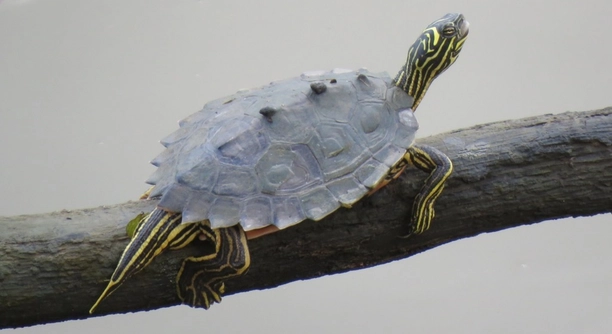
Building a DIY outdoor enclosure for map turtles can be a fun and rewarding project. It offers a safe and stimulating environment for your turtles, ensuring they thrive while you enjoy watching them explore their space.
To build a suitable outdoor enclosure for map turtles, start by selecting a secure, well-ventilated area that provides both sunlight and shade. Use materials like fencing, mesh, and a solid bottom to ensure the turtles’ safety and comfort.
Proper planning and careful attention to detail will ensure your turtles enjoy their new space. This guide will help you create the ideal enclosure for your pet map turtles.
Choosing the Right Location for the Enclosure
When building an outdoor enclosure for map turtles, it’s essential to choose the right location. Select a spot in your yard that gets a good amount of natural sunlight but also has some shaded areas for your turtles to retreat to when they need relief from the heat. The sun is important for your turtles’ health, but too much direct exposure could cause them to overheat. Keep in mind that the enclosure should be placed in a relatively quiet area, away from high traffic zones, to keep the turtles feeling safe and secure.
The ground should be flat and stable to prevent any structural issues or risks. Ensure there is no risk of flooding or heavy winds, as these can damage the enclosure and harm the turtles. Consider choosing a location near a water source if you plan to include a small pond or water feature in the enclosure.
Additionally, make sure the area is free from predators like dogs, cats, or larger wildlife that might try to enter the enclosure. Creating a secure perimeter with the right materials is crucial for your turtles’ protection.
Materials Needed for the Enclosure
You will need several materials to build a safe and durable outdoor enclosure. These include mesh fencing, wooden planks or PVC pipes, and secure stakes to fasten everything in place.
Start by gathering sturdy materials that can withstand the elements. Strong mesh fencing will ensure that your turtles stay inside, and it’s important that the mesh is small enough to prevent escapes. You can use PVC pipes or wooden planks to create the framework, ensuring it’s high enough to prevent your turtles from climbing out.
The bottom of the enclosure should be solid, like a wooden base or wire mesh to prevent tunneling. You’ll also need tools like screws, nails, or zip ties to hold everything together.
Building the Structure
Begin by measuring the area you’ve chosen for the enclosure to determine the size. Once you’ve got the measurements, set up the framework with wooden planks or PVC pipes, securing them together with screws or brackets. Make sure the frame is tall enough to prevent your turtles from climbing out. Then, attach mesh fencing around the frame, ensuring there are no gaps large enough for the turtles to squeeze through. The mesh should also be securely fastened to avoid accidental openings.
The next step is to create a secure base. You can use a wooden board or sturdy wire mesh to create a solid surface, ensuring it is flush with the ground to prevent tunneling. Adding a roof to the structure is optional but highly recommended for extra security, especially if there are local predators in the area. The roof can be made from mesh or other breathable material to maintain good airflow.
If you are incorporating a water feature or pond, place it carefully within the enclosure. Ensure it is shallow enough for the turtles to easily get in and out, and provide access points like rocks or logs where they can bask in the sun.
Creating the Turtle-Friendly Environment
Once the structure of the enclosure is in place, it’s time to focus on creating a suitable environment inside for your map turtles. They enjoy both land and water areas, so you should have a combination of shallow water for them to swim in and dry areas where they can bask. A small pond or kiddie pool can be used to provide the water area.
For the land portion, provide logs, rocks, and flat surfaces where your turtles can bask and absorb heat from the sun. These elements also help create hiding spots and natural obstacles that encourage activity. Keep the space clean by removing excess debris that could harbor bacteria or mold.
Consider adding some plants around the enclosure for added shade and to mimic a more natural environment. Make sure to use non-toxic plants and ensure they won’t harm the turtles if eaten. Maintaining a proper balance of sun, shade, water, and space will keep your map turtles healthy and active.
Securing the Enclosure
The security of the enclosure is essential to ensure your map turtles remain safe. Use strong mesh fencing that is buried several inches into the ground to prevent tunneling. Additionally, ensure that the gate or door to the enclosure has a secure lock, keeping predators out and preventing escapes.
Consider reinforcing the bottom of the enclosure with wire mesh that goes down at least a few inches into the soil to avoid tunneling. The fence height should be sufficient, as map turtles are known to climb or push against weaker enclosures. For extra security, you can add a top mesh to prevent aerial predators.
Make sure the entire perimeter is tightly secured. Check regularly for weak points where predators might try to get through. Reinforcing any gaps or weaknesses immediately will keep your turtles safe and secure in their outdoor space.
Temperature and Climate Control
Map turtles need both sunlight and shaded areas to maintain proper body temperature. Use a combination of natural and artificial elements to provide adequate heat. During the daytime, the sun should provide enough warmth for basking, but ensure that shaded spots are also available for them to cool down when needed.
Consider placing a basking area, such as a log or flat rock, in the sunniest part of the enclosure. This allows your turtles to soak up heat when they need it. It’s also important to provide enough water for them to cool off. If you live in an area with extreme temperatures, you may need to regulate the temperature more carefully with heat lamps or additional shading.
A thermometer inside the enclosure can help monitor the temperature. Ideally, the basking area should be between 85-90°F, while the water temperature should stay between 70-80°F. Regular checks will ensure your map turtles have the ideal environment for both basking and swimming.
Maintenance and Cleaning
Regular cleaning is crucial to ensure a healthy environment for your map turtles. Start by removing any uneaten food and debris from the water area. Change the water in the pond or pool regularly to prevent algae growth or contamination. Clean the basking areas to remove any waste, and scrub them with turtle-safe cleaners to maintain hygiene.
The enclosure itself should be cleaned thoroughly every few weeks. This involves checking the fencing for damage, making sure there are no holes or weak spots, and ensuring the mesh is still secure. The ground area should be raked and cleaned to prevent mold or bacteria buildup.
Keep the plants in the enclosure trimmed to prevent overgrowth. Too much vegetation can become a hiding spot for bacteria or pests. Simple maintenance practices will help prevent health issues and ensure your map turtles continue to thrive in their outdoor home.
Providing Hiding Spots
Map turtles appreciate having places to hide when they feel stressed or need to rest. Include logs, rocks, or plants to give them safe spaces. These hiding spots will also mimic their natural habitat, offering comfort and a sense of security.
Adding some raised platforms or tunnels inside the enclosure can further enhance the turtles’ sense of privacy. Ensure these spots are easily accessible but not too hidden, as your turtles will still need to move around freely. The key is creating a balanced environment where they can seek refuge without feeling trapped.
Feeding Your Map Turtles
Map turtles require a balanced diet of both animal and plant matter. Offer them a variety of food, including insects, small fish, and leafy greens. Providing a mix ensures they get all the nutrients they need for healthy growth and energy.
Make sure to feed your turtles in a clean area away from their water source to avoid contamination. Be mindful of portion sizes, as overfeeding can lead to obesity and health problems. Remove any leftover food to prevent rotting and to keep the enclosure clean.
Preventing Predators
Keep your map turtles safe by ensuring the enclosure is completely secure. Check for small holes or weaknesses in the fence where predators could gain access. Common threats include raccoons, dogs, or even birds of prey.
It’s also a good idea to avoid placing the enclosure near large trees or bushes that might attract wildlife. If possible, use a top mesh or cover to keep aerial predators out. Keeping your turtles protected from external threats is key to their safety and well-being.
FAQ
How big does the outdoor enclosure need to be for map turtles?
The size of the outdoor enclosure for map turtles should provide them with enough space to move around comfortably. A minimum of 4 feet by 4 feet is recommended for one turtle, but larger is always better. If you plan to keep more than one turtle, increase the size accordingly to ensure each turtle has enough space to bask, swim, and hide. Providing ample room helps reduce stress and promotes healthier activity levels.
Can I keep map turtles in an outdoor enclosure year-round?
Map turtles can live outdoors year-round in mild climates, but if you live in a region with cold winters, it’s important to bring them inside when temperatures drop below 50°F. In colder areas, you can still build a temporary indoor setup for the winter months. During warmer months, they can enjoy the fresh air, sunlight, and space outdoors. If you’re keeping them outside year-round, consider setting up a heated shelter or space that can be closed off during winter.
How deep should the water area be for map turtles?
The water area in the enclosure should be shallow enough for map turtles to easily get in and out. A depth of 6-12 inches is sufficient for most adult map turtles. They need to be able to submerge themselves completely to swim and cool off but also require areas where they can rest or bask above water. Make sure the water is clean and free of debris to avoid health issues. Adding a small ramp or rocks can help them climb out when needed.
What should I use to create a basking area?
Map turtles require a basking area where they can soak up heat from the sun. You can create a basking area using flat rocks, logs, or even a wooden platform. The surface should be large enough for the turtle to stretch out and dry off completely. Ensure the basking spot is positioned under direct sunlight, but also provide shaded areas in the enclosure so the turtle can move to a cooler spot when needed.
Do map turtles need UVB light outdoors?
Yes, map turtles benefit from UVB light for proper shell and bone development, as it helps them synthesize vitamin D3. While natural sunlight can provide UVB light, you should ensure the turtles have access to sunlight for several hours a day. If the enclosure is shaded for long periods, adding a UVB light bulb in a shaded spot can help mimic the sun’s rays. Be sure to replace the bulb every 6 months, as UVB output decreases over time.
How do I keep my map turtles safe from predators?
Predators, such as raccoons, cats, and birds of prey, can pose a risk to map turtles. To keep them safe, ensure the enclosure is securely fenced with a tight mesh. The mesh should be buried at least a few inches into the ground to prevent tunneling. Adding a top to the enclosure is also a great idea to protect against aerial predators. Regularly check for any holes or weak points in the fencing and repair them immediately.
Can I plant live plants inside the enclosure?
Yes, you can add live plants to the enclosure to help create a more natural environment. Be sure to use non-toxic, turtle-safe plants, as some plants can be harmful if eaten. Plants like water lilies, anacharis, and duckweed are great for water areas, while ferns and spider plants can add greenery to the land section. Plants provide extra hiding spots for your turtles and help with natural water filtration. Just be sure to trim and maintain the plants to prevent overgrowth.
How often should I clean the enclosure?
It’s important to clean the enclosure regularly to maintain a healthy environment for your map turtles. Remove uneaten food and debris daily, and change the water frequently to keep it fresh. A full cleaning of the enclosure, including scrubbing the basking areas and inspecting the fencing, should be done every few weeks. This will prevent mold, bacteria buildup, and ensure the turtles’ space remains safe and clean. Keeping a clean environment is essential for the turtles’ health and comfort.
Can map turtles live with other animals?
Map turtles can live with other map turtles in a well-spaced enclosure, but mixing species is not always recommended. If you decide to keep multiple turtles together, be mindful of their size and temperament to prevent aggression. Avoid housing them with species that may be aggressive or territorial. It’s best to avoid mixing turtles with other animals, such as fish or amphibians, as they might prey on smaller creatures or cause stress to one another. Keep your turtles’ enclosure species-specific for the best outcome.
What kind of food do map turtles eat?
Map turtles are omnivorous, which means they eat both animal and plant-based foods. Offer a variety of food, including insects, small fish, worms, and leafy greens like dandelion leaves or kale. You can also feed them commercial turtle pellets that are rich in calcium and vitamins. It’s important to offer a balanced diet to ensure they get all the necessary nutrients for their growth. Avoid overfeeding, and be sure to remove any uneaten food to keep the water clean.
How do I keep my map turtles healthy?
Maintaining a healthy environment for your map turtles is key to their overall health. Provide a clean, spacious enclosure with access to sunlight, shade, water, and hiding spots. Keep their diet varied and balanced to meet their nutritional needs. Regularly monitor the water temperature and make sure it is clean. Perform routine checks on the enclosure to ensure it remains secure and free of hazards. Keeping these elements in check will help your turtles thrive in their outdoor home.
Final Thoughts
Building an outdoor enclosure for map turtles is a rewarding project that can provide your pets with a safe, stimulating environment to thrive. When planning the enclosure, it’s important to consider both their need for space and their natural behavior. Map turtles enjoy basking in the sun, swimming in shallow water, and having hiding spots where they can retreat when needed. By creating a space that meets these needs, you’ll help ensure that your turtles are happy and healthy.
One of the most important aspects of building the enclosure is ensuring its security. Map turtles, like any other pet, are vulnerable to predators, so it’s essential to build an enclosure that prevents escapes and protects them from threats. Using sturdy materials like mesh fencing, wooden planks, or PVC pipes can help keep them safe. Additionally, burying the fence a few inches into the ground and adding a top or cover will keep both aerial and ground predators out. Regular maintenance checks will also help ensure the structure remains secure.
Finally, maintaining the enclosure is crucial for the health of your map turtles. Regular cleaning of the water area, basking spots, and the entire enclosure will help prevent bacteria buildup and keep the environment clean. Providing a proper diet, access to UVB light, and ensuring the right temperature are also vital. With attention to detail and regular care, your map turtles will have a comfortable and safe outdoor space to enjoy for years to come.

Hello,
If you enjoy the content that we create, please consider saying a "Thank You!" by leaving a tip.
Every little bit helps us continue crafting quality advice that supports the health, happiness, and well-being of pets around the world, for pets of all shapes, sizes, and species.
We really appreciate the kindness and support that you show us!