
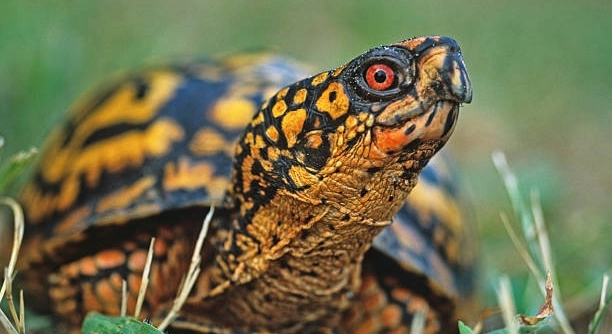
Building a proper habitat for a box turtle is essential for its well-being. A well-designed enclosure mimics the natural environment, providing the necessary space and conditions for your turtle to thrive.
To create a habitat that resembles the wild, focus on providing a balanced mix of land and water areas, natural hiding spots, and appropriate temperature and humidity levels. Incorporating plants, rocks, and logs can replicate their natural environment, offering enrichment.
Proper care of your turtle’s habitat not only benefits its health but also creates a comfortable space for your turtle to feel safe. Creating the right environment helps maintain the natural behaviors and activities of your pet turtle.
Choosing the Right Enclosure for Your Box Turtle
When setting up a box turtle habitat, the enclosure is one of the most important aspects to consider. A secure, spacious enclosure allows your turtle to move around freely. It should have enough space for them to roam, dig, and hide, similar to what they would do in the wild. A large plastic or wooden container can work well, but make sure it has a secure lid or walls high enough to prevent escape. A common mistake is to use an enclosure that’s too small. This restricts your turtle’s natural behavior, leading to stress and poor health. The minimum size for a single turtle is about 40 gallons. Larger enclosures are even better, giving them more space to roam and explore.
The size of the enclosure directly impacts the turtle’s quality of life. Too small an enclosure limits their activity and reduces enrichment. A larger space allows your turtle to express natural behaviors, such as foraging and burrowing.
Don’t forget about ventilation. Proper airflow is important to prevent the build-up of harmful humidity or mold. Ensure the enclosure has a breathable top or gaps to allow fresh air circulation. This also helps in regulating the temperature and humidity, making it easier to maintain the ideal conditions for your turtle.
Setting Up the Right Temperature and Humidity
Maintaining the proper temperature and humidity levels is crucial for your turtle’s health. Box turtles require a warm environment to thrive, with temperatures ranging between 75°F to 85°F during the day. It’s best to provide a temperature gradient within the enclosure, allowing your turtle to move between warmer and cooler areas. One corner of the habitat should be warmer with a basking light, while the other should be cooler. This allows the turtle to self-regulate its body temperature.
Humidity levels are just as important. Box turtles, especially those native to humid environments, need a humidity level of around 60-80%. Too much or too little humidity can cause respiratory problems and dehydration. You can control humidity by misting the enclosure regularly, placing water bowls, and adding a humidity gauge. Having a separate water area for your turtle to soak in is also beneficial.
Maintaining these conditions will help your box turtle stay healthy and active. These environmental factors mimic the natural habitat where box turtles live, so it’s vital to keep them in check.
Creating a Natural Habitat with Plants and Hiding Spots
Adding plants and hiding spots to your turtle’s habitat mimics the natural environment. Live plants, such as ferns and grasses, offer shade and hideaways, helping your turtle feel secure. They can also help regulate humidity levels and provide an additional source of food if you choose edible plants.
Use both low-growing plants and taller ones, creating a variety of layers in the habitat. This will provide more areas for your turtle to explore, hide, and forage. When choosing plants, make sure they are safe for turtles, as some plants can be toxic. You can also add rocks or logs to give your turtle areas to climb and hide. These elements will make the habitat feel more natural and enriching.
A mix of natural materials, like rocks and logs, encourages your turtle to behave in a way that is closer to its natural instincts. It creates a space where your turtle can rest, hide, or search for food, just like in the wild. This not only benefits your turtle’s mental health but also keeps it physically active.
Providing Fresh Water and Proper Hydration
Turtles need access to fresh water at all times. Having a shallow water dish in their habitat allows them to drink and soak. It also helps with maintaining the necessary humidity in their environment. Always ensure that the water is clean and free of any contaminants.
It’s important to change the water regularly and keep the dish clean. Stagnant water can cause bacteria to grow, which is harmful to your turtle. You may also want to include a small area for the turtle to soak and clean itself, as it helps with hydration and overall health.
Providing fresh water will help your turtle stay hydrated, support its digestion, and ensure it remains active. You can also add a filtration system if needed to maintain clean water and reduce the frequency of changes.
Using Substrate for Natural Digging and Burrowing
Providing the right substrate helps your box turtle express its natural behaviors. A mixture of soil, coconut coir, and leaf litter works well. This allows your turtle to dig and burrow, mimicking its natural habitat.
Avoid using sand or gravel, as they can cause digestive issues if ingested. Make sure the substrate is deep enough (at least 2-3 inches) for digging. Also, ensure the substrate stays moist but not soaking wet. It will keep the humidity levels steady and encourage the turtle to dig, which helps it feel more comfortable and secure in its environment.
Substrate that retains moisture will help regulate humidity levels, making it easier for your turtle to stay hydrated. It also creates a more natural environment, where your turtle can search for food or hide when needed.
Lighting and UVB for Turtle Health
UVB lighting is crucial for box turtles to synthesize vitamin D3, which helps with calcium absorption and bone health. Ensure that your enclosure has a UVB light source, ideally placed above the basking area. This will allow your turtle to soak up the necessary UVB rays.
Be sure to replace the UVB bulbs regularly, as their effectiveness diminishes over time. It’s important that the light is not too close to the turtle, as it can cause burns. Place the light about 12 inches above the basking area for optimal results.
Proper lighting is essential for maintaining your turtle’s health and well-being. It also encourages natural behaviors like basking, helping regulate your turtle’s body temperature while providing the necessary UVB rays.
FAQ
How much space does my box turtle need?
A box turtle needs a minimum of a 40-gallon enclosure, though larger is always better. The more space you can provide, the happier and healthier your turtle will be. They should have enough room to roam, dig, and hide, mimicking their natural environment. This allows your turtle to engage in its natural behaviors, such as foraging and burrowing, which are essential for mental and physical well-being.
Can box turtles live together?
Box turtles are solitary animals by nature and can become territorial, especially males. If you do keep more than one, ensure the enclosure is large enough to give each turtle its own space. Avoid housing males together, as they may become aggressive. Female turtles can sometimes live together peacefully, but it still depends on their individual personalities.
What temperature should I keep the habitat at?
During the day, box turtles require temperatures between 75°F to 85°F. It’s essential to create a temperature gradient in the habitat, where one side is warmer for basking and the other side cooler for resting. This gradient allows your turtle to regulate its own body temperature. At night, you can let the temperature drop to around 65°F, mimicking the natural nighttime environment of wild box turtles.
How often should I feed my box turtle?
Box turtles are omnivores, so they need a varied diet. You should feed your turtle daily, offering a combination of leafy greens, vegetables, fruits, and protein sources like insects or worms. A few times a week, you can offer protein-rich food, but the majority of their diet should consist of plant matter. Be sure to provide fresh food daily and remove any uneaten food to prevent spoilage.
What type of lighting does a box turtle need?
Box turtles require UVB lighting to properly absorb calcium and maintain bone health. A UVB light should be placed above the basking area of the enclosure. You will need to replace the UVB bulb every 6 months to ensure its effectiveness. Without proper UVB light, your turtle can suffer from metabolic bone disease.
What should I use as substrate for my box turtle’s habitat?
A good substrate should mimic a natural environment. A mixture of soil, coconut coir, and leaf litter works well. This allows the turtle to dig, burrow, and feel secure. Avoid using sand or gravel, as they can cause digestive problems if ingested. The substrate should be deep enough to allow digging (at least 2-3 inches) and should be kept moist but not soaking wet to maintain humidity levels.
How do I keep the humidity level right?
Box turtles need a humidity level of 60-80% to stay healthy. To maintain proper humidity, mist the enclosure daily, provide a water bowl for soaking, and use a humidity gauge to monitor levels. Adding live plants, such as ferns or moss, can also help maintain moisture in the enclosure. Ensure that the substrate is slightly moist, but avoid over-wetting it, as standing water can cause bacteria to build up.
Can box turtles swim?
Box turtles are not strong swimmers, but they can enjoy soaking in shallow water. It’s important to provide a shallow water dish or a small water area in the habitat, allowing your turtle to hydrate and soak. However, make sure the water is not deep enough for your turtle to drown. Box turtles prefer to stay on land and won’t spend much time in the water like aquatic turtles do.
How do I prevent my turtle from escaping?
Box turtles are skilled at climbing and can escape if the enclosure isn’t secure. Make sure the walls are high enough (at least 12 inches) to prevent climbing out. Additionally, a secure lid or top is recommended, especially if your turtle is housed outdoors. Check the enclosure regularly for any gaps or weak points where your turtle could get out.
What can I do if my box turtle isn’t eating?
If your box turtle isn’t eating, it could be a sign of stress, incorrect temperature, or an unhealthy environment. First, check the habitat’s temperature and humidity levels. Ensure your turtle has access to UVB lighting and is receiving a varied diet. If the issue persists, consult a vet to rule out any medical problems. Sometimes turtles can refuse food during hibernation periods, so seasonal changes may also affect eating habits.
Should I provide my box turtle with supplements?
Yes, box turtles benefit from calcium and multivitamin supplements, especially if they’re not getting enough from their diet. You can dust their food with a calcium powder once or twice a week. If you’re concerned about the balance of vitamins and minerals in their diet, consult a veterinarian for guidance on supplementation.
Final Thoughts
Creating the ideal habitat for your box turtle involves more than just providing food and water. It’s about replicating the natural environment as much as possible to help your turtle feel comfortable and safe. The right enclosure size, temperature, humidity, and UVB lighting are all essential to ensure your turtle’s health. Adding natural elements like plants, rocks, and logs can also help create an enriching environment, offering your turtle the chance to explore, climb, and hide. These elements are important for both mental and physical well-being, so it’s worth investing time in setting up the perfect space.
Box turtles are hardy creatures but thrive when their environment is properly managed. Regular attention to their habitat ensures they stay healthy and active. Things like temperature fluctuations, humidity levels, and diet need constant monitoring. A well-maintained environment helps prevent many health issues, like dehydration, shell problems, or infections. Taking care of these aspects not only helps your turtle but also makes it easier to care for them in the long run. Routine checks and cleaning of the habitat will keep the space fresh and safe, allowing your turtle to thrive.
While setting up a box turtle habitat may seem like a lot of work at first, the rewards are worth it. A healthy, happy turtle will be more active, and you’ll get to enjoy observing its natural behaviors. Just remember that creating an environment that mimics the wild isn’t just for looks; it’s for your turtle’s overall well-being. With the right care, your box turtle can live a long and fulfilling life, and you can feel good knowing you’ve given it the best chance for success.

Hello,
If you enjoy the content that we create, please consider saying a "Thank You!" by leaving a tip.
Every little bit helps us continue crafting quality advice that supports the health, happiness, and well-being of pets around the world, for pets of all shapes, sizes, and species.
We really appreciate the kindness and support that you show us!