
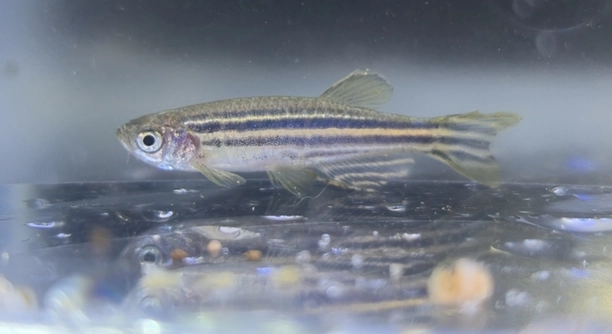
Breeding Zebra Danios at home can be a rewarding and simple task for any aquarium enthusiast. These small, colorful fish are relatively easy to care for and breed, making them a great choice for beginners.
To breed Zebra Danios at home, it is essential to provide the right conditions. Maintain a separate breeding tank with clean water, a gentle filter, and suitable plants. A 10-gallon tank is ideal, and the water temperature should be between 75-80°F.
With these steps in place, you can soon witness your Zebra Danios lay eggs and begin the process of hatching their young.
Setting Up the Perfect Breeding Tank
When preparing your breeding tank for Zebra Danios, the environment is key. Select a 10-gallon tank for optimal space. Add live plants like Java moss to create hiding spots for the fish and eggs. A soft sponge filter is ideal because it won’t suck up the eggs, allowing them to hatch safely. Set the water temperature to 75-80°F, which mimics their natural environment. You’ll also want to keep the water parameters stable, so testing for ammonia, nitrites, and nitrates is important. The breeding tank should also be clean, with no strong currents that could disturb the fish or their eggs.
Adding an air stone will help maintain oxygen levels, creating a comfortable environment for your fish. Zebra Danios prefer a slightly acidic to neutral pH (6.5-7.5), so make sure to check those levels regularly.
This setup ensures a successful breeding environment for your Danios. They will feel comfortable and secure, making them more likely to breed in these ideal conditions.
Choosing the Right Pair of Zebra Danios
To breed Zebra Danios, it is important to select healthy, mature pairs. Look for brightly colored males and females that show no signs of illness.
Zebra Danios are egg scatterers, meaning they do not exhibit traditional courtship behaviors. Instead, the male will chase the female around the tank. Once a female is ready, she will release eggs, and the male will fertilize them. It’s important to introduce a few females to one male to increase the chances of successful breeding.
After mating, remove the adults from the breeding tank to prevent them from eating the eggs. Keep the tank dark for a few hours to allow the eggs to settle on the plants or the tank floor.
Caring for the Eggs and Fry
Once the eggs are laid, it’s time to focus on their care. Keep the breeding tank dark for a few hours after the eggs are fertilized. This helps them settle properly. It’s also important to maintain the water temperature and quality. Clean the tank regularly to avoid harmful bacteria that could harm the eggs.
The eggs should hatch within 2-3 days, and you will start to see tiny fry swimming around the tank. During this time, avoid disturbing them as much as possible to give them a chance to grow.
After hatching, the fry will rely on their yolk sacs for nutrition. Once the yolk sacs are absorbed, start feeding them finely crushed fish food or liquid fry food. Keeping the water clean and offering tiny amounts of food will ensure the fry grow strong and healthy.
Maintaining Water Quality and Temperature
Water quality is critical for both the eggs and the fry. Regular water changes, about 10-15% every few days, will help maintain clean conditions. Be cautious not to disrupt the fry with large changes, as they are fragile. It’s essential to keep ammonia and nitrite levels at zero to prevent harm to the fry.
Along with regular water changes, you’ll need to maintain a consistent temperature of 75-80°F. Sudden temperature fluctuations can cause stress to the fry and hinder their growth. Consider using a reliable heater to keep the tank warm and stable.
Maintaining the right balance in the tank allows the fry to develop healthily and increases their chances of survival. With careful attention to water quality and temperature, your Zebra Danio fry will grow quickly.
Feeding the Fry
Once the fry begin swimming, it’s time to feed them. Start with liquid fry food or powdered fish food. These are small enough for the fry to consume. Offer food several times a day, ensuring they eat enough to grow.
As they grow, you can begin introducing crushed baby brine shrimp or finely ground flake food. Always monitor the fry to see if they are eating properly. Overfeeding can lead to poor water quality, so be careful not to put too much food in the tank.
Transferring the Fry to a Larger Tank
As the fry grow, they will eventually need more space. When they’re about 2-3 weeks old and have grown significantly, it’s time to transfer them to a larger tank. Choose a tank that is at least 10 gallons for a small group of fry.
Ensure the new tank has the same water conditions as the breeding tank, including temperature and pH levels. A gentle filter will help keep the water clean without disturbing the fry. Gradually acclimate them to the new environment by slowly mixing water from their current tank with water from the new one.
Avoiding Common Mistakes
Many breeders make the mistake of overcrowding the tank. Too many fry in one space can lead to stunted growth and poor water quality. Make sure you only add as many fry as the tank can handle.
Another issue is inconsistent water conditions. Even small changes in temperature or water quality can have negative effects on the fry. Keep everything stable and monitor the water parameters regularly to ensure healthy growth.
FAQ
How long does it take for Zebra Danio eggs to hatch?
Zebra Danio eggs typically hatch in about 2 to 3 days. The time can vary slightly depending on the water temperature. Warmer water can speed up the process, while cooler water may slow it down. Ensure the temperature stays between 75-80°F to encourage timely hatching.
How can I tell if my Zebra Danios are ready to breed?
Mature Zebra Danios are typically ready to breed once they are about 3 to 4 months old. Males will show brighter colors and have a more slender body shape, while females tend to be rounder and fuller, especially when carrying eggs. Observing these physical traits can help determine breeding readiness.
Do I need a separate tank for breeding Zebra Danios?
It’s best to set up a separate breeding tank for Zebra Danios. This helps protect the eggs and fry from adult fish, which might eat them. A small 10-gallon tank with soft plants and a gentle filter works well for breeding.
Can I breed Zebra Danios in a community tank?
While Zebra Danios can breed in a community tank, it’s not ideal. The risk of adult fish eating the eggs is high. If you want to ensure a higher success rate, it’s best to separate the breeding pair into a dedicated tank during the breeding process.
How often do Zebra Danios breed?
Zebra Danios are prolific breeders. They can spawn every 2 to 3 days under the right conditions. Once you have established the proper breeding environment, you may see them laying eggs regularly. However, the female needs time to recover, so frequent breeding isn’t ideal.
What should I feed Zebra Danio fry?
Zebra Danio fry need special care when it comes to feeding. Initially, they can be fed liquid fry food or powdered fish food. As they grow, you can introduce tiny baby brine shrimp or finely crushed flake food. Feed them small amounts several times a day to encourage healthy growth.
What is the best temperature for breeding Zebra Danios?
The ideal temperature for breeding Zebra Danios is between 75-80°F. Keeping the temperature within this range ensures optimal breeding conditions and helps eggs hatch quickly. If the water is too cold, the eggs may not hatch, while excessively warm water can cause stress.
Do Zebra Danios need a filter while breeding?
Yes, a filter is important for maintaining water quality, but it should be gentle. Strong currents may disturb the eggs or fry, so a sponge filter is often used in breeding tanks. It helps keep the water clean without risking harm to the delicate eggs and fry.
How can I increase the chances of Zebra Danio breeding?
To increase the chances of breeding, ensure the tank is set up correctly with soft plants, gentle water flow, and stable water parameters. Introducing multiple females with one male increases the chances of successful fertilization. Additionally, feeding a nutritious diet and ensuring the water temperature is optimal helps trigger breeding.
What should I do with the adult Zebra Danios after breeding?
Once breeding is complete, remove the adult Zebra Danios from the tank. They may eat the eggs if left in the tank. Place the adults back in the main aquarium or another safe tank to allow the eggs to hatch and the fry to grow undisturbed.
Why are my Zebra Danio eggs not hatching?
If your Zebra Danio eggs are not hatching, there may be issues with water quality or temperature. Eggs need stable water conditions, with a temperature of 75-80°F, to hatch successfully. Check for high ammonia levels, and ensure the water is clean and free from pollutants. If the water is too cold or too hot, the eggs may not hatch.
How can I protect Zebra Danio eggs from being eaten?
To protect the eggs, use a breeding tank with plants or a breeding mop where the eggs can fall into. Removing the adult fish after spawning is also important, as they may eat the eggs. Keep the tank dark for a few hours after spawning to help the eggs settle.
How many eggs do Zebra Danios lay at once?
Zebra Danios typically lay between 50-100 eggs per spawning. The exact number depends on the health and age of the female. The eggs will be scattered around the tank, usually on plants or other surfaces. This high number of eggs increases the chances of survival for some fry.
Do Zebra Danios require a mate to breed?
Yes, Zebra Danios require both a male and female for breeding. The male fertilizes the eggs after the female lays them. A single male can breed with several females, so introducing multiple females to one male increases the chances of successful egg fertilization.
Can Zebra Danio fry survive without food?
Zebra Danio fry cannot survive long without food. They rely on their yolk sacs for the first few days, but once this is absorbed, they need small, frequent feedings. Begin offering liquid fry food or powdered food as soon as the yolk sac is gone to support their growth.
How do I know if my Zebra Danio fry are healthy?
Healthy Zebra Danio fry will swim actively, show vibrant coloring, and grow steadily. If they appear lethargic, aren’t eating, or have faded colors, it could indicate poor water quality or insufficient food. Regular water changes and proper feeding will help keep them healthy.
Can I breed Zebra Danios with other fish species?
Zebra Danios should not be bred with other fish species. They need specific water conditions and care that might not be compatible with other fish. Breeding them with different species can lead to unsuccessful breeding or stressed fish. It’s best to keep them separate from other species during the breeding process.
Final Thoughts
Breeding Zebra Danios at home can be a rewarding experience for any aquarium enthusiast. With their vibrant colors and active nature, they make for an exciting addition to any tank. By understanding the proper care and breeding steps, you can increase the chances of raising healthy fry. However, breeding requires attention to detail, especially when it comes to water quality, temperature, and feeding. A clean, stable environment is essential for the success of both the eggs and the fry.
Once you’ve set up the breeding tank, it’s important to remain patient. Zebra Danios are relatively easy to breed, but it may take some time before you see results. During this time, maintaining the correct conditions in the breeding tank will ensure the best chance of success. Keep a close eye on the adults, and once spawning occurs, carefully remove them to protect the eggs. The fry will need special care, especially when it comes to feeding and water quality. You’ll need to provide small amounts of food several times a day and perform regular water changes to prevent waste from accumulating.
Overall, breeding Zebra Danios is not overly complicated, but it does require consistent effort. By following the steps outlined in this guide, you can create a thriving breeding setup that will give you a continuous supply of fry. Be patient and attentive, and with time, you’ll be able to raise a new generation of these beautiful fish. The experience of watching your fry grow and mature can be highly satisfying, especially when they start to develop their distinctive patterns and colors.

Hello,
If you enjoy the content that we create, please consider saying a "Thank You!" by leaving a tip.
Every little bit helps us continue crafting quality advice that supports the health, happiness, and well-being of pets around the world, for pets of all shapes, sizes, and species.
We really appreciate the kindness and support that you show us!