
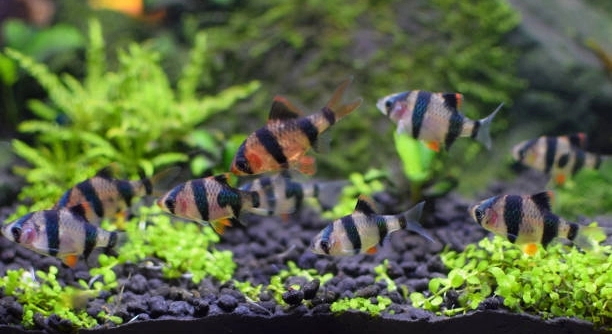
Breeding tiger barbs at home can be a rewarding experience for fish enthusiasts. These colorful freshwater fish are popular in home aquariums. Learning the basics helps create the right environment for successful breeding.
To breed tiger barbs, you need to provide a separate breeding tank with clean, warm water and proper filtration. Introduce healthy, mature fish, and maintain a balanced diet. Spawning usually occurs after the female lays eggs, which the male then fertilizes.
Understanding the care and conditions involved will help ensure healthy offspring and a thriving aquarium community. This guide will cover essential steps for a smooth breeding process.
Preparing the Breeding Tank
Setting up the breeding tank properly is essential for tiger barbs to spawn successfully. Use a small tank of about 10 to 20 gallons. Add a gentle filter to keep the water clean but avoid strong currents. The water temperature should be kept between 78 and 80 degrees Fahrenheit, which is ideal for breeding. Soft, slightly acidic water encourages spawning. Use fine-leaved plants or spawning mops where the female can lay her eggs safely. Keep the tank dimly lit to reduce stress. Avoid adding gravel, as tiger barbs may eat the eggs if they fall to the bottom. Regularly check water parameters to keep them stable. Before introducing the fish, cycle the tank fully to ensure a healthy environment.
Breeding pairs should be introduced carefully to reduce aggression. Watch for signs of readiness, such as chasing and displaying bright colors.
Proper tank setup creates a safe and comfortable space that promotes natural breeding behavior in tiger barbs.
Selecting and Conditioning Tiger Barbs
Choose healthy, mature tiger barbs, ideally over six months old, to improve breeding chances. Conditioning the fish involves feeding them high-quality live or frozen foods such as bloodworms, brine shrimp, and daphnia. This diet helps develop the fish’s reproductive system and increases spawning likelihood. Keep males and females separately during conditioning to avoid early spawning. Conditioning should last about two weeks and requires careful observation to ensure fish are active and healthy. Avoid sudden changes in environment or diet during this period.
Once conditioned, introduce a well-matched pair into the breeding tank and observe their interactions carefully to support successful spawning.
Spawning Process
Tiger barbs begin spawning by chasing each other around the tank. The female releases eggs among plants or spawning mops, while the male follows to fertilize them. This behavior can last several hours.
Once spawning starts, the female may scatter hundreds of tiny eggs. These eggs are sticky and attach to plants or other surfaces. After fertilization, the eggs become slightly transparent. It’s important to remove adult fish after spawning because tiger barbs might eat their eggs.
Eggs typically hatch in about 24 to 36 hours. Maintaining water temperature around 78–80°F speeds up development. Avoid disturbing the tank during this period to help the eggs develop safely.
Caring for Fry
Once the eggs hatch, tiny fry will appear. They are very small and fragile at first. Keep the water clean and provide gentle aeration without strong currents.
In the early days, the fry feed on their yolk sacs, so no additional food is needed immediately. After about three days, begin feeding them infusoria or commercially available liquid fry food. Gradually introduce finely crushed flakes or baby brine shrimp as they grow. Monitor water quality carefully, as fry are sensitive to ammonia and nitrates. Frequent small water changes help maintain a safe environment. Proper care during this stage increases survival rates and healthy growth.
Feeding the Fry
Fry need frequent feedings to grow quickly. Offer small amounts of food multiple times a day.
Start with infusoria or liquid fry food, then move to finely crushed flakes or baby brine shrimp as they develop.
Maintaining Water Quality
Keeping water quality high is vital for fry survival. Regular water changes and gentle filtration help remove waste and toxins. Monitor ammonia, nitrite, and nitrate levels closely to prevent harmful spikes.
Separating Mature Fry
Once fry grow large enough, it’s important to move them to a larger tank. This prevents overcrowding and reduces stress, allowing healthier growth.
Common Challenges
Fry can be sensitive to poor water conditions and aggressive tank mates. Managing these factors improves their chances of reaching adulthood.
FAQ
How long does it take for tiger barb eggs to hatch?
Tiger barb eggs usually hatch within 24 to 36 hours after spawning. The exact timing depends on water temperature, with warmer water speeding up development. Maintaining a steady temperature between 78 and 80°F helps ensure eggs hatch on time.
Can tiger barbs breed in a community tank?
Breeding in a community tank is difficult because adult fish often eat eggs and fry. It is best to use a separate breeding tank to protect eggs and young fry. Removing adults after spawning reduces the risk of egg predation.
What do tiger barb fry eat?
Newly hatched fry feed on their yolk sacs for about three days. Afterward, they require tiny food like infusoria or commercially available liquid fry food. As they grow, you can gradually introduce baby brine shrimp and finely crushed flakes to meet their nutritional needs.
How do I tell if my tiger barbs are ready to breed?
Mature tiger barbs show bright colors and active behavior when ready to breed. Males often become more vibrant and chase females. Females develop a rounder belly when carrying eggs. Conditioning with high-quality food improves breeding readiness.
What water conditions are best for breeding tiger barbs?
Tiger barbs prefer slightly acidic to neutral water with a pH between 6.0 and 7.0 for breeding. Water hardness should be soft to moderate. Keep the temperature stable between 78 and 80°F. Clean water with gentle filtration is important to reduce stress and encourage spawning.
How many eggs do tiger barbs lay at once?
A female tiger barb can lay anywhere from 100 to 300 eggs in one spawning session. The number varies based on age, health, and environmental conditions. Most eggs will attach to plants or spawning mops in the breeding tank.
Why are my tiger barb eggs disappearing?
Eggs may be eaten by adult fish, including the parents themselves. This is why removing adults immediately after spawning is recommended. Eggs can also fall into substrate where they may be lost or damaged if gravel is present. Using spawning mops or plants helps protect eggs.
How often can tiger barbs breed?
Tiger barbs can spawn every few weeks under optimal conditions. However, frequent breeding without proper care can stress the fish. Providing good nutrition and rest periods between spawning helps maintain their health.
What should I do if my fry are not growing?
If fry show slow growth, check water quality for toxins like ammonia or nitrites. Ensure they have access to appropriate food, such as infusoria or baby brine shrimp. Overcrowding and poor water conditions are common causes of poor growth. Regular water changes and tank maintenance improve fry health.
Is it necessary to separate males and females before breeding?
Separating males and females during conditioning helps control when spawning occurs and reduces early aggression. It also allows you to provide tailored feeding to prepare them for breeding. Introduce them together only when the breeding tank is ready.
Can tiger barbs breed without live plants?
Yes, tiger barbs can spawn without live plants if spawning mops or other artificial surfaces are provided. These surfaces offer places for eggs to attach and increase survival chances. Avoid using gravel or bare tank bottoms as eggs can be lost or eaten.
How do I care for tiger barbs after spawning?
Remove adults immediately after spawning to protect eggs and fry. Keep the water clean and maintain temperature stability. Feed fry appropriate foods starting with infusoria, then gradually switch to larger foods as they grow. Monitor water quality closely to avoid harmful spikes.
What are signs of unhealthy fry?
Unhealthy fry may swim erratically, have difficulty feeding, or show signs of physical damage. Poor water quality, inadequate food, and stress from overcrowding often cause these problems. Early intervention with water changes and proper feeding can improve their condition.
How long before fry look like adult tiger barbs?
Fry start to resemble adult tiger barbs after about 6 to 8 weeks. Their colors and patterns become clearer as they mature. Full adult size usually takes several months with proper care and nutrition.
Are tiger barbs aggressive during breeding?
Males can become aggressive during breeding, often chasing females. This behavior is normal but should be monitored to prevent injury. Providing plenty of hiding spaces and plants helps reduce stress and aggression.
These answers cover common concerns to help you successfully breed and raise tiger barbs at home with confidence.
Breeding tiger barbs at home can be a rewarding experience if you follow the right steps. It requires patience and attention to detail, especially when preparing the breeding tank and selecting healthy fish. Ensuring proper water conditions, including temperature and pH, plays a key role in encouraging spawning. Keeping the tank clean and providing places for the female to lay eggs will support the entire process. Removing adults after spawning protects the eggs and increases the chances of fry survival. These basic preparations create a healthy environment that helps tiger barbs reproduce successfully.
Taking care of the fry requires commitment and gentle care. The first days after hatching are critical since the fry rely on their yolk sacs before starting to eat external food. Feeding them small, suitable food like infusoria or baby brine shrimp helps them grow strong. Maintaining clean water through frequent changes is important because fry are sensitive to toxins and poor conditions. Gradually increasing the size of the food as the fry grow supports healthy development. Separating mature fry into larger tanks reduces stress and prevents overcrowding, giving them more space to thrive.
While breeding tiger barbs is manageable, it is important to be patient and observant throughout the process. Each step, from conditioning the adult fish to caring for the fry, needs careful attention. Avoid rushing or skipping stages, as this can reduce success rates. With proper care, the tiger barbs will spawn naturally and the fry will grow into healthy adults. This effort results in a rewarding sense of accomplishment and helps maintain a vibrant aquarium with beautiful, active fish. Taking the time to learn and apply these practices is the best way to enjoy breeding tiger barbs at home.

Hello,
If you enjoy the content that we create, please consider saying a "Thank You!" by leaving a tip.
Every little bit helps us continue crafting quality advice that supports the health, happiness, and well-being of pets around the world, for pets of all shapes, sizes, and species.
We really appreciate the kindness and support that you show us!