
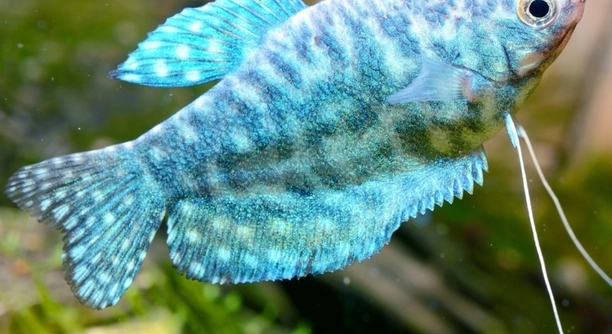
Gouramis are beautiful fish but can sometimes fight, which worries many aquarium owners. Knowing how to safely stop these fights is important to keep your fish healthy and your tank peaceful. This article will help you understand what to do.
To break up gourami fights safely, gently separate the fish using a soft net or a clear divider, minimizing stress and avoiding injury. Removing hiding spots and ensuring enough space also reduces aggressive encounters.
Learning the right way to handle these situations protects your gouramis and maintains a calm environment in your aquarium.
Why Gouramis Fight
Gouramis fight mainly due to territorial behavior and competition for mates. Male gouramis are especially prone to aggression as they defend their space against other males. When their territory feels threatened, they may flare their fins, chase, or nip at each other. This behavior can become stressful and harmful if the tank is too small or overcrowded. Lack of hiding spots also increases tension, making it harder for less dominant fish to escape. Understanding these reasons helps in managing your aquarium better. Adjusting tank size, adding plants, and creating separate zones can reduce conflicts. Keeping only one male per tank or pairing males with plenty of hiding spaces can also prevent fights. Regular monitoring is important to catch aggressive behavior early before it escalates.
Aggression is a natural instinct but can be managed with proper tank setup and care.
Creating a calm environment involves not just separating fighting fish but also addressing the root causes. Providing a spacious tank with plants and decorations allows gouramis to claim territories without overlapping. It also gives weaker fish places to retreat. Using gentle lighting and consistent feeding schedules reduces stress, making gouramis less likely to act out aggressively. By maintaining these conditions, you promote peaceful interactions and a healthier aquarium overall.
How to Break Up a Fight Safely
When a fight starts, the best way to stop it is by calmly separating the fish with a soft net or a clear divider. Avoid using your hands directly, as this can stress or injure them. Move the aggressive fish to a temporary tank if needed. Keep the water conditions stable to avoid adding stress during separation. Once separated, give the fish time to calm down before reintroducing them, and watch carefully for signs of renewed aggression.
Removing aggressive fish temporarily can help restore peace in the tank.
If fights are frequent, consider rearranging the tank decorations to break established territories. Adding more plants or hiding places reduces line-of-sight and helps fish feel secure. Also, make sure the tank is large enough for all inhabitants. Smaller tanks increase stress and aggression. Monitoring feeding times and avoiding overcrowding are other important factors. Proper care and prevention make it easier to manage any future conflicts safely and keep your gouramis happy.
Signs Your Gouramis Are Fighting
Gourami fights usually start with chasing and fin flaring. You may see one fish constantly chasing another or biting at fins. Injuries like torn fins, scratches, or bleeding are clear signs that fights have escalated.
Early signs include frequent chasing and aggressive displays like puffed-up fins or body color changes. These behaviors are meant to warn rivals but can lead to serious fights if ignored. Watching these signs closely helps you intervene before injuries occur. Sometimes the fish will separate on their own, but if chasing continues for long periods, it’s best to step in.
Injuries from fights can quickly get infected, so prompt action is important. Avoid overcrowding and provide plenty of hiding places to reduce tension. If one fish is bullied, temporarily removing the aggressor can give the weaker fish time to heal. Regular tank maintenance and monitoring behavior also help prevent fights from becoming dangerous.
Preventing Future Fights
Maintaining plenty of space is key to reducing aggression among gouramis. A larger tank with enough room to swim freely helps lower stress.
Plants and decorations create natural barriers and hideouts, which reduce direct confrontations. Using floating plants or tall vegetation breaks the line of sight and allows shy fish to escape aggressive ones. Properly spacing tankmates and avoiding overcrowding also prevent territorial disputes. Be mindful of the number of males in the tank; keeping only one male or separating them helps a lot. Feeding the fish regularly and not overcrowding during meals reduces food-related competition.
Ensuring a peaceful environment requires attention to tank layout and fish compatibility. When changes are made, keep an eye on how your gouramis adjust. Gradual introductions of new fish, along with proper tank conditions, help build harmony. Regular cleaning and water quality checks support their health, which in turn lowers aggression.
Handling Injuries After a Fight
Treat injuries quickly to prevent infection. Clean the affected area gently and keep water quality high to support healing.
Adding aquarium salt in small doses can help reduce stress and promote recovery. Watch the fish closely for signs of worsening injury or infection.
Using Tank Dividers Effectively
Tank dividers are a simple way to separate aggressive gouramis without removing them completely. They allow fish to see each other but prevent physical contact. This helps reduce fighting while keeping the social balance of the tank intact.
Dividers come in different materials and sizes, so choose one that fits your tank and leaves enough swimming space. Place plants or decorations around the divider to make the barrier less stressful. This method is useful when introducing new fish or managing long-term aggression.
When to Reintroduce Separated Fish
Wait until both gouramis show calm behavior before reintroducing them. Watch for signs like reduced chasing or flaring.
Make sure hiding places are available to help avoid immediate conflict once they’re back together.
How can I tell if my gouramis are just playing or actually fighting?
Gouramis sometimes chase each other as part of normal interaction, especially when establishing territory. Playful chasing usually looks brief and less aggressive, with no injuries or torn fins. Actual fighting involves repeated chasing, fin flaring, biting, and visible damage like scratches or missing scales. If the behavior causes stress or injury, it’s a fight that needs intervention.
What is the safest way to separate fighting gouramis?
Use a soft fish net or a clear tank divider to separate them gently. Avoid using your hands, which can stress or harm the fish. Move one fish to a temporary tank if the aggression continues. Always keep water conditions stable during separation to reduce stress.
Can adding more hiding spots stop gourami fights?
Yes, adding plants, rocks, or decorations creates natural barriers and safe places for shy fish. This helps reduce line-of-sight and lets fish retreat from aggressors, which lowers tension and prevents fights from escalating.
Is tank size important in preventing gourami aggression?
Definitely. Smaller tanks make fish feel crowded and stressed, increasing aggressive behavior. Providing enough space for each fish to have its own territory helps maintain peace. A tank of at least 20 gallons for a pair of gouramis is recommended, but larger is better for multiple fish.
Should I keep multiple male gouramis together?
It’s best to avoid housing multiple males in the same tank unless it is very large and heavily planted. Males are territorial and prone to fight for dominance. If multiple males are kept, make sure there are plenty of hiding places and dividers to reduce conflict.
How often should I check for signs of fighting?
Daily observation is ideal. Early detection of chasing or fin damage lets you act before injuries worsen. Watching feeding time is helpful since aggression often increases then.
Can water quality affect gourami aggression?
Yes, poor water conditions cause stress, which can increase aggression. Keep the water clean, maintain stable temperature and pH, and do regular water changes to support calm behavior.
What if one gourami is severely injured?
Isolate the injured fish in a quarantine tank and treat any wounds with appropriate medications. Keep water clean and provide gentle care. Avoid putting the injured fish back with others until fully healed.
Are there any natural remedies to calm fighting gouramis?
Adding aquarium salt in small amounts can help reduce stress and promote healing. However, it won’t stop aggression on its own. Focus on tank setup and care to prevent fights.
Can diet affect gourami behavior?
Yes, feeding a balanced diet regularly reduces competition for food. Uneven feeding or scarce food can increase aggression. Provide enough food for all fish to avoid fights during mealtime.
How long should fish be separated after a fight?
Separation should last until both fish stop showing aggressive behavior. This can take a few hours to several days. Monitor their behavior daily before reintroducing.
What should I do if fights keep happening despite my efforts?
Consider permanently separating aggressive fish or rehoming some to reduce crowding. Sometimes the personality of certain gouramis means they can’t peacefully coexist. Prioritize the safety and well-being of all your fish.
When gouramis fight, it can be stressful for both the fish and their owner. Understanding why these fights happen and knowing how to handle them safely is important. Gouramis are naturally territorial, especially males, and fights usually start over space or mates. Making sure your tank is large enough and has plenty of hiding places can reduce conflicts. Adding plants and decorations gives each fish its own space to claim, which helps keep the peace. Watching your gouramis carefully for signs of aggression lets you act early, before the fights cause injuries.
Breaking up fights calmly and safely is key to protecting your fish. Using a soft net or a clear divider helps separate the gouramis without causing them too much stress. Avoid putting your hands directly in the tank during a fight, as this can scare or harm the fish. If one fish gets injured, isolate it in a separate tank to heal and watch for signs of infection. Keeping the water clean and maintaining good tank conditions supports their recovery. Taking these careful steps helps your gouramis feel safer and reduces the chance of future fights.
Preventing fights is the best approach. Besides giving enough space and hiding spots, avoid overcrowding your tank. Feeding your gouramis regularly with the right amount of food lowers competition during meals. Keep an eye on how many males you have in the tank, as too many can increase aggression. If fights continue despite your efforts, consider separating the aggressive fish permanently or adjusting the tank setup. By providing a calm environment and managing the causes of aggression, you can enjoy watching your gouramis thrive peacefully in their home.

Hello,
If you enjoy the content that we create, please consider saying a "Thank You!" by leaving a tip.
Every little bit helps us continue crafting quality advice that supports the health, happiness, and well-being of pets around the world, for pets of all shapes, sizes, and species.
We really appreciate the kindness and support that you show us!