
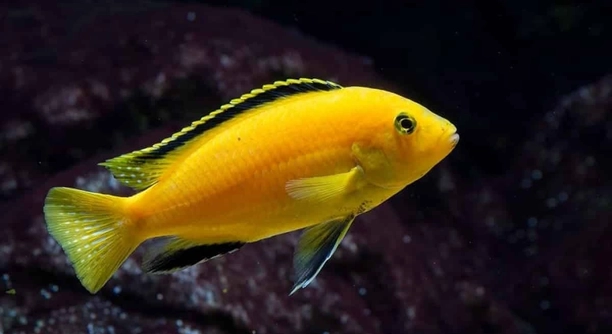
Fights between two cichlids can be stressful for both the fish and their owners. These territorial fish sometimes display aggression, making it important to know how to intervene safely. Understanding their behavior helps prevent serious injuries.
To break up fights between cichlids, it is essential to act calmly and quickly. Using a physical barrier or gently separating the fish with a net reduces harm. Avoid grabbing the fish directly, as this causes more stress and potential injury.
Knowing how to handle these conflicts properly helps maintain a peaceful aquarium environment and supports your cichlids’ health and well-being.
Recognizing Signs of Aggression in Cichlids
Cichlids are known for their strong territorial instincts, which can often lead to aggression. Early signs include chasing, flaring their fins, and nipping at each other’s tails. You might notice increased hiding or changes in coloration as stress responses. These behaviors usually escalate if the tank is overcrowded or if there are not enough hiding spots. It’s important to observe your fish daily so you can spot these signs before a fight gets serious. Sometimes, aggression is temporary, such as during breeding, but prolonged conflict can harm your cichlids physically and mentally. Providing enough space and maintaining a balanced environment reduces the chances of fights breaking out.
Aggression often worsens if tank conditions or social dynamics are not ideal. Adjusting tank layout can help ease tension.
Creating separate territories with rocks or plants can calm your cichlids and lower aggression levels. Rearranging decorations disrupts established territories, which may reset hostile behavior. Proper tank size is crucial to prevent overcrowding. Monitoring and adjusting water quality also supports a peaceful habitat. When necessary, separating aggressive fish temporarily can prevent injuries. Consistently managing these factors will improve harmony among your cichlids and promote healthier interactions.
How to Safely Intervene During a Fight
When you see two cichlids fighting aggressively, act quickly but carefully. Avoid grabbing the fish with your hands, which causes more stress and potential harm. Instead, use a small net or a clean, rigid divider to separate them gently. Placing a transparent barrier between the fish can calm them down without physical contact. Sometimes, lowering the tank’s light or turning off the filter temporarily can help reduce agitation. Avoid sudden movements near the tank to prevent escalating the aggression. After separating the fish, give them space to recover and observe their behavior for any signs of injury or continued stress.
If fights continue despite your efforts, consider separating the fish permanently to protect their health.
In cases where fighting persists, it might be necessary to house the cichlids in separate tanks or use dividers for long-term separation. Some cichlids simply cannot coexist peacefully due to their natural behavior. Before adding new fish, research compatibility to reduce future conflicts. Providing enough hiding spots and visual barriers in the tank helps reduce territorial disputes. Regularly monitoring water quality and maintaining a stable environment support your cichlids’ well-being. Taking these steps ensures that your fish live healthier, less stressful lives while minimizing aggressive encounters.
Preventing Fights Between Cichlids
Reducing fights starts with tank setup. Adequate space, plenty of hiding spots, and careful selection of tank mates all help minimize aggression. Proper planning makes a big difference in keeping peace.
A spacious tank gives cichlids enough room to establish territories without constant conflict. Adding rocks, plants, or decorations creates natural barriers, allowing fish to retreat and avoid each other when needed. Overcrowding increases stress and fights, so avoid putting too many fish in one tank. Selecting cichlid species with compatible temperaments also helps maintain harmony. Balancing these factors lowers aggression and keeps your aquarium calmer.
Regularly changing tank layout prevents fish from becoming too territorial. Moving decorations occasionally can reset boundaries and reduce tension. Monitoring fish behavior after these changes ensures aggression does not escalate. Maintaining good water quality supports overall health, which also reduces stress-related fighting. Taking these proactive steps creates a safer and more enjoyable environment for your cichlids.
Handling Injuries From Fights
Minor injuries from cichlid fights are common, such as torn fins or small wounds. Prompt care prevents infections and helps fish heal faster. Clean water is essential to recovery.
Isolate injured fish in a separate hospital tank if possible. This limits stress and allows you to monitor wounds closely. Using aquarium salt or recommended medications supports healing and reduces the risk of bacterial infections. Keep water clean and perform regular partial changes to maintain optimal conditions. Watch for signs of worsening infection, such as swelling or discoloration, and adjust treatment if necessary. A healthy diet also boosts the fish’s immune system during recovery.
If wounds seem severe or infections develop, consult a veterinarian familiar with aquatic pets. Early treatment improves survival and prevents complications. Healing times vary but usually take several weeks. During this time, avoid stressing the injured fish with other aggressive tank mates. Patience and careful monitoring ensure the best chance for a full recovery.
Monitoring Tank Environment
Keeping a stable tank environment helps reduce stress that triggers fights. Regular testing and maintenance are necessary for healthy water conditions.
Temperature, pH, and ammonia levels should be checked frequently. Proper filtration and routine water changes prevent harmful buildup, which can increase aggression.
Choosing Compatible Cichlids
Not all cichlids get along. Researching species compatibility before introducing new fish can prevent many conflicts.
Different cichlid species have varying aggression levels and territorial needs. Pairing more peaceful species with aggressive ones often leads to fights. It’s important to select fish with similar temperaments and space requirements to maintain balance in the tank.
When to Separate Cichlids
Separating fish becomes necessary if aggression persists and risks injury or stress.
Permanent or temporary separation protects fish health and maintains a peaceful aquarium. Dividers or separate tanks are effective solutions for ongoing conflicts.
FAQ
How can I tell if my cichlids are about to fight?
Cichlids usually show clear signs before fighting. They flare their fins, chase each other, and make aggressive movements. You might see them biting or nipping at the tail or fins. These behaviors often happen around feeding times or when establishing territory. Watching your fish closely helps you intervene early to stop serious fights.
What is the safest way to break up a fight?
The safest method is to avoid direct contact with the fish. Use a net or place a transparent divider between them. This stops the fight without causing extra stress or injury. Moving decorations to break up territories can also help calm them down. Quick, calm actions prevent escalation and protect your fish.
Why do cichlids fight more in small tanks?
Small tanks limit space for establishing territories. This causes stress and forces fish into close contact, increasing aggression. Overcrowding is a major factor in fights. Providing a larger tank with plenty of hiding spots reduces tension and allows each fish its own space.
Can adding more hiding spots stop fights?
Yes, more hiding spots give cichlids places to retreat and reduce stress. Rocks, plants, and decorations act as barriers and help separate territories. This lowers the chances of aggressive encounters and helps fish feel secure.
Is it normal for cichlids to fight during breeding?
Yes, breeding cichlids can become more aggressive as they defend eggs or fry. This behavior is natural but should be monitored to prevent serious injuries. Sometimes, separating breeding pairs temporarily is necessary for their safety.
What should I do if my cichlid gets injured in a fight?
Isolate the injured fish in a hospital tank if possible. Use aquarium salt or medication recommended for wounds. Keep water clean and monitor for infection signs like swelling or discoloration. Feeding nutritious food supports healing. Seek advice from a vet if injuries worsen.
Can certain cichlid species live together peacefully?
Some species are more peaceful and can live together if the tank is large enough. However, many cichlids have strong territorial instincts, making cohabitation difficult. Research species compatibility before adding new fish to avoid unnecessary fights.
How often should I rearrange the tank to prevent fights?
Rearranging decorations every few weeks helps break up established territories. This reduces aggressive behavior by confusing territorial boundaries. Avoid sudden drastic changes to prevent stressing your fish.
Does water quality affect aggression in cichlids?
Poor water quality increases stress, which can trigger fights. Regular testing and maintenance keep water parameters stable. Clean water helps fish stay healthy and calm, reducing aggressive behavior.
When is it necessary to separate cichlids permanently?
Permanent separation is needed if fights cause injuries or continuous stress. Using dividers or separate tanks protects fish health and prevents damage. Some cichlids simply cannot live together peacefully despite efforts to manage aggression.
Can diet influence aggression in cichlids?
A balanced diet supports overall health and can reduce stress-related aggression. Poor nutrition weakens fish and may increase irritability. Feeding high-quality food appropriate for your cichlids’ species helps keep them calm and healthy.
How do I introduce new cichlids without causing fights?
Introduce new fish slowly by quarantining them first. Add them when the tank is large and well-decorated with hiding spots. Using a divider initially helps both new and existing fish adjust without direct contact. Monitoring behavior closely helps prevent conflicts early on.
What signs show a cichlid is stressed and might become aggressive?
Signs include hiding more than usual, losing color, erratic swimming, and reduced appetite. Stress makes fish more likely to fight. Improving tank conditions and reducing crowding can help lower stress levels.
Can lowering the tank light reduce fighting?
Dimming lights can help calm cichlids during aggressive periods. Less light reduces stimulation and can lower activity levels temporarily. Use this method alongside other strategies for the best results.
Are there tools specifically made to separate fighting fish?
Yes, tank dividers and breeding traps are useful tools to separate aggressive fish without removing them from the tank entirely. These allow visual contact but prevent physical fights, helping maintain territory boundaries peacefully.
Breaking up fights between cichlids is an important skill for maintaining a healthy aquarium. These fish can be territorial and aggressive, which sometimes leads to conflict. Knowing how to recognize signs of aggression early helps prevent serious injuries. Acting calmly and using tools like nets or dividers to separate fighting fish reduces stress and harm. It is also essential to avoid handling the fish directly during fights, as this can worsen the situation. Proper intervention protects both the fish and the overall tank environment.
Preventing fights is just as important as breaking them up. Providing enough space and hiding spots in the tank helps cichlids feel secure. Rearranging decorations regularly can disrupt territorial boundaries and lower aggression. Choosing compatible species and avoiding overcrowding are key to keeping peace in the aquarium. Maintaining good water quality also reduces stress, which can trigger fighting. When fights do happen, it is important to treat any injuries quickly and carefully. Isolating injured fish in a separate tank and using treatments to prevent infection promotes faster healing.
Sometimes, despite all efforts, cichlids may not be able to live together peacefully. In those cases, separating aggressive fish permanently is necessary to protect their health. Using dividers or separate tanks allows each fish to have its own space without constant conflict. Watching your cichlids’ behavior closely and making changes when needed helps keep your aquarium calm and balanced. Understanding and managing cichlid aggression takes patience, but it leads to a healthier and more enjoyable environment for both the fish and the owner.

Hello,
If you enjoy the content that we create, please consider saying a "Thank You!" by leaving a tip.
Every little bit helps us continue crafting quality advice that supports the health, happiness, and well-being of pets around the world, for pets of all shapes, sizes, and species.
We really appreciate the kindness and support that you show us!