
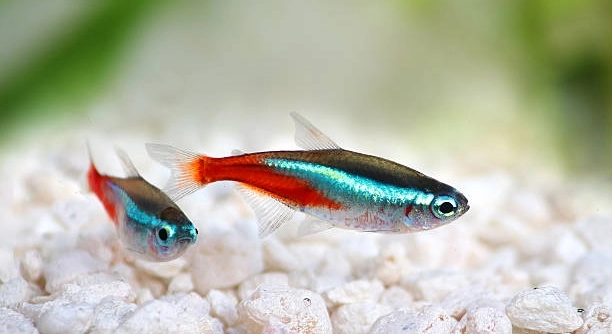
Neon Tetras are known for their peaceful nature and vibrant colors, making them a popular choice for aquariums. However, ensuring their social behavior thrives can sometimes be a challenge for aquarium enthusiasts.
Boosting the social behavior of Neon Tetras requires creating the right environment, proper tank mates, and ensuring adequate space. Ensuring a stable and stress-free habitat through water quality and feeding habits also plays a vital role in promoting their social interactions.
These proven tips will help foster a harmonious environment and improve your Neon Tetras’ social behavior, leading to happier and healthier fish in your tank.
3. Water Quality and Temperature Control
Maintaining high water quality is essential for keeping Neon Tetras socially engaged and healthy. These fish are sensitive to changes in water conditions, so it’s crucial to keep the water clean and free from harmful chemicals. Regular water changes of 25-30% every two weeks help prevent the buildup of toxins. In addition, a good filtration system ensures the water remains clean and oxygenated, providing a comfortable environment for the fish to thrive. Stable water parameters—such as a temperature between 72°F and 78°F, a pH level of 6.0 to 7.5, and low levels of ammonia and nitrites—help prevent stress and promote natural social interactions.
Water quality directly influences the behavior of Neon Tetras, making regular maintenance crucial for a peaceful tank.
Along with routine water changes, it’s essential to monitor the water parameters closely. Using a water test kit allows you to track ammonia, nitrite, and nitrate levels. Sudden fluctuations can cause stress, reducing the Tetras’ willingness to interact with one another. Keeping the water temperature steady is just as important, as rapid temperature changes can cause fish to become lethargic or agitated.
4. Appropriate Feeding Habits
Overfeeding can lead to water contamination and stress, affecting the social behavior of Neon Tetras. Proper portion control ensures that food is consumed quickly, reducing uneaten food from contaminating the water.
Feed small amounts of food twice a day to prevent excess waste.
Overfeeding not only affects water quality but also influences the Tetras’ social behavior. Excess food left in the tank increases ammonia levels, which can cause stress and even health problems. Neon Tetras, like most fish, thrive on a varied diet that includes high-quality flakes, pellets, and occasional live or frozen foods like brine shrimp or daphnia. Ensuring proper nutrition helps maintain healthy and active fish. When Tetras are fed well, they are more likely to interact with each other and display natural schooling behavior. Additionally, feedings should be spaced out to avoid competition and aggression. By keeping feeding times consistent and controlled, you encourage peaceful interactions in the tank.
5. Proper Lighting
Lighting plays a significant role in the behavior of Neon Tetras. Too much light can stress them out, while too little can cause them to become lethargic. It’s important to provide moderate lighting in the tank, mimicking their natural habitat.
A light cycle of 8-12 hours per day is ideal for Neon Tetras. Consistent lighting helps them feel more secure and encourages their social behaviors.
Adjusting the light intensity helps create a comfortable environment. If the tank is too bright, the fish may retreat to darker areas. However, too much darkness can hinder their activity and interaction with other fish. A gentle light allows for healthy, active behavior while keeping the fish in their natural rhythm.
6. Tank Decorations and Hiding Spots
Providing adequate hiding spots and plant coverage helps Neon Tetras feel secure. In the wild, they thrive in areas with dense vegetation where they can retreat to if needed.
A tank with plants, caves, and rocks gives them places to explore and hide.
Hiding spots are essential for reducing stress, as fish can retreat when they feel threatened or overwhelmed. While Neon Tetras are generally peaceful, providing plants and other decorations ensures that they can maintain a sense of security while interacting with their tank mates. Placing decorations throughout the tank also encourages natural behaviors, such as exploring and schooling. Just be careful not to overcrowd the tank with too many decorations, as this could restrict their movement and impact their overall well-being.
7. Schooling and Group Size
Neon Tetras are schooling fish, and they thrive in groups. A small school can cause them to feel insecure and isolated. A minimum of six Tetras is recommended for healthy social interaction.
Larger schools encourage more natural behavior and help reduce stress. Fish in a group interact more freely.
With a larger school, Neon Tetras will feel safer and more comfortable, leading to better social behavior. The presence of other fish also provides security, as they naturally move together for protection. A small school of less than six may lead to timid behavior, with the fish not displaying their social tendencies.
8. Avoiding Stressful Situations
Stress is one of the main factors that hinder social behavior in Neon Tetras. Any disruption in their environment, such as sudden changes in water quality, temperature, or the introduction of aggressive tank mates, can lead to anxiety. It’s important to monitor their environment closely.
Creating a peaceful tank environment by avoiding sudden changes helps maintain stable behavior.
Fish feel comfortable when their environment remains predictable. Stress can make them less social and more likely to isolate themselves. Regular water testing, a balanced tank setup, and introducing new tank mates gradually can all help reduce stress. Avoiding loud noises or rapid changes in the aquarium conditions also minimizes stress factors. When they feel safe, Neon Tetras will interact with each other, forming tight-knit schools and exhibiting natural behaviors.
9. Regular Monitoring and Observation
Observing your Neon Tetras regularly ensures their well-being. Watch for signs of stress or discomfort, such as hiding or aggressive behavior toward tank mates.
Taking note of how the Tetras interact can help identify any issues early.
FAQ
How many Neon Tetras should be kept together?
Neon Tetras should be kept in groups of at least six to ensure they feel secure and exhibit natural social behavior. A small school of less than six can lead to stressed and shy fish. Larger groups are ideal for promoting active schooling and reducing any anxiety they might feel in the aquarium.
What tank size is ideal for Neon Tetras?
A 10-gallon tank is generally recommended for a small school of Neon Tetras. A larger tank will provide more space for the fish to move around and establish their social structure. The key is to ensure enough space for the Tetras to swim comfortably and interact with each other.
Can Neon Tetras live with other fish?
Yes, Neon Tetras are peaceful and do well with other small, non-aggressive species. They can live with fish like Corydoras, Otocinclus, and Guppies. Avoid larger or aggressive fish like Bettas, as they may intimidate or prey on the Tetras. Always choose tank mates with similar temperaments and water requirements.
What is the best water temperature for Neon Tetras?
Neon Tetras thrive in water temperatures between 72°F and 78°F (22°C to 25°C). Maintaining a stable temperature within this range is crucial for their health and social behavior. Sudden temperature fluctuations can cause stress, making them less active and less social with other fish.
How often should I change the water in my tank?
Water changes should be done every two weeks, replacing 25-30% of the water. This helps maintain water quality by removing toxins like ammonia and nitrate. It also helps prevent the buildup of organic waste, which can lead to stress and poor behavior in Neon Tetras.
What kind of food do Neon Tetras eat?
Neon Tetras eat a variety of foods, including high-quality flakes, pellets, and live or frozen foods like brine shrimp and daphnia. Feeding them a balanced diet ensures they stay healthy and active. Be careful not to overfeed, as excess food can pollute the water and cause stress.
Why are my Neon Tetras hiding all the time?
Hiding behavior in Neon Tetras may indicate stress, poor water quality, or unsuitable tank conditions. They may retreat to hiding spots if they feel threatened or uncomfortable. Ensure the water parameters are ideal, the tank is properly decorated, and the fish are not being harassed by other tank mates.
Can Neon Tetras live in low-light conditions?
Neon Tetras do best with moderate lighting. Too much light can cause them stress, while too little can lead to lethargy. A consistent light cycle of 8-12 hours a day is ideal. It mimics the natural day-night cycle and helps regulate their behavior.
Do Neon Tetras need a filter in their tank?
Yes, a good filtration system is essential for maintaining water quality in a Neon Tetra tank. A filter helps remove debris, excess food, and waste from the water. It also ensures proper oxygenation, which is necessary for the Tetras’ health and social behavior.
How do I know if my Neon Tetras are stressed?
Signs of stress in Neon Tetras include hiding, lack of movement, fading colors, and erratic swimming. If your Tetras are constantly hiding or swimming in an unnatural manner, check the water quality, temperature, and tank mates. Stress can also be caused by overcrowding or aggression from other fish.
Can Neon Tetras live with Betta fish?
Neon Tetras can generally live with Betta fish if the Betta is not overly aggressive. However, male Bettas are territorial and may harass or attack the Tetras, especially if they feel threatened. To ensure a peaceful environment, it’s best to monitor their interactions closely or avoid keeping them together.
How do I reduce aggression in my Neon Tetra tank?
To reduce aggression, ensure the tank is large enough to provide plenty of space. Avoid overfeeding and make sure there are enough hiding spots for all fish. Choose tank mates carefully—small, peaceful species work best. Aggression is often a result of overcrowding or inappropriate tank mates.
Do Neon Tetras breed in home aquariums?
Neon Tetras can breed in a well-maintained home aquarium, though it is not common. To encourage breeding, maintain water temperatures around 75°F and use a separate breeding tank with soft, slightly acidic water. Providing plenty of plants for hiding and covering will help protect the fry.
What are the common health issues with Neon Tetras?
Neon Tetras are prone to a few common health issues, including Neon Tetra Disease, fin rot, and ich (white spot disease). To prevent these conditions, maintain excellent water quality, avoid overcrowding, and ensure that all tank mates are compatible. If symptoms appear, seek treatment promptly.
How can I make my Neon Tetras more social?
To encourage social behavior, provide a larger school, a properly decorated tank, and suitable tank mates. A stress-free environment with stable water conditions and consistent feeding schedules will help the Tetras feel secure. When they feel safe, they are more likely to interact and exhibit natural schooling behavior.
What is the life expectancy of Neon Tetras?
Neon Tetras typically live for 5-10 years with proper care. Maintaining optimal water quality, a balanced diet, and a stress-free environment are key factors in ensuring a long and healthy life for your fish. Regular observation of their behavior helps identify any issues early, ensuring their well-being.
Do Neon Tetras need a lot of plants in their tank?
While not essential, plants are beneficial for Neon Tetras as they provide hiding spots and a more natural environment. Live plants also help improve water quality by absorbing excess nutrients. Choose low-maintenance plants like Java Fern or Anubias to create a comfortable and attractive tank for your Tetras.
Final Thoughts
Neon Tetras are fascinating and peaceful fish that can thrive in a well-maintained aquarium. They are easy to care for as long as their basic needs are met. Providing the right water conditions, a balanced diet, and a suitable environment is crucial for their well-being. These small fish tend to live longer and remain more active in groups, so keeping at least six together is important. Their social behavior improves when they feel secure and comfortable in their surroundings. Stress, poor water quality, or inappropriate tank mates can hinder their natural interactions, so it’s essential to create a peaceful, stress-free environment.
When it comes to tank setup, Neon Tetras don’t require anything overly complex. A simple tank with proper filtration, soft lighting, and a few plants or decorations will suffice. While they are peaceful fish, it’s still important to select compatible tank mates. Avoiding aggressive species or those that may outcompete them for food ensures a harmonious environment. Additionally, regular monitoring of water quality and temperature will keep the Tetras healthy and prevent any potential issues. Keeping their tank clean and feeding them a varied diet will help them stay active and engaged with each other, promoting better social behavior.
Ultimately, the key to keeping happy Neon Tetras lies in providing a stable environment where they feel safe and secure. Regular observation and care are necessary to ensure their health and well-being. By following a few simple guidelines—such as maintaining a proper group size, avoiding stress, and providing suitable tank mates—you can enjoy watching your Neon Tetras exhibit natural, social behavior. These small, vibrant fish are a joy to keep, and with the right care, they will thrive in your aquarium for many years.

Hello,
If you enjoy the content that we create, please consider saying a "Thank You!" by leaving a tip.
Every little bit helps us continue crafting quality advice that supports the health, happiness, and well-being of pets around the world, for pets of all shapes, sizes, and species.
We really appreciate the kindness and support that you show us!