
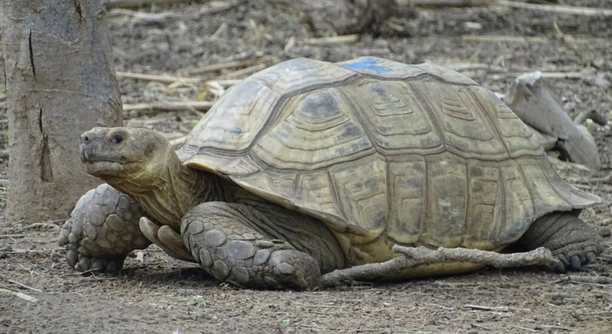
Bathing a tortoise might seem like a tricky task, but it’s a simple process that helps keep them clean and healthy. Learning the right way to bathe your tortoise ensures it feels comfortable and safe.
The correct way to bathe a tortoise is by using lukewarm water in a shallow container. Ensure the water level reaches just above their legs, allowing them to soak for about 15 to 20 minutes. Avoid using soap or harsh chemicals.
A clean tortoise is a happy tortoise, and it’s important to follow the proper steps. With these easy tips, you can make bath time an enjoyable experience for your pet.
Why Bathing Your Tortoise is Important
Bathing your tortoise regularly is key to its overall health. It not only keeps their shell and skin clean but also provides them with essential hydration. Tortoises often struggle to drink enough water on their own, so soaking them in lukewarm water helps them absorb moisture through their skin. This is especially true for desert tortoises, which are prone to dehydration.
Regular baths also support proper digestion. When a tortoise soaks in water, it stimulates their digestive system, helping them process food more efficiently. A clean tortoise will be less likely to develop skin infections or irritations that can arise from dirt buildup or poor hygiene.
Bathing is an essential routine for keeping your pet happy and healthy, ensuring they stay hydrated and comfortable. It’s important not to skip this step in your tortoise’s care.
The Right Water Temperature
The water temperature is crucial when bathing a tortoise. Too hot or too cold water can cause discomfort and stress. Aim for lukewarm water, around 80°F to 90°F (27°C to 32°C). This range mimics the natural environment of most tortoises, providing them with a relaxing and safe bath.
Keeping the temperature within the proper range will encourage your tortoise to stay in the water longer, allowing it to hydrate properly. Avoid using very cold or hot water, as it may cause your tortoise to become anxious or even cause harm. The water should feel comfortable to the touch, ensuring a stress-free bath.
Bathing Techniques to Ensure Comfort
When bathing your tortoise, gently place it in the shallow water without causing any sudden movements. Avoid forcing the tortoise into the water, as it may cause stress. A shallow, wide container is ideal for tortoises, ensuring they have enough space to move around.
You should also consider the duration of the bath. Typically, 15-20 minutes is sufficient for a tortoise to soak and hydrate. Keep a close eye on your pet during bath time, ensuring it stays calm and comfortable. Afterward, gently dry the tortoise with a soft towel. This step is important as it helps prevent water from collecting in unwanted areas that may lead to infections.
Make sure the bath environment is free from any distractions or disturbances, allowing your tortoise to relax during its bath. A quiet, comfortable setting will help your tortoise stay calm and feel at ease.
How Often Should You Bathe Your Tortoise?
How often you bathe your tortoise depends on its species, age, and environment. For most tortoises, bathing once or twice a week is sufficient. However, some species may require more frequent baths, especially those that live in arid environments or need extra hydration. Young tortoises may need more frequent baths compared to adults, as they are more vulnerable to dehydration.
Be sure to observe your tortoise’s behavior and hydration levels. If you notice your tortoise looking dehydrated or disinterested in food, it may be time for an extra soak. Tortoises that live in drier conditions should be bathed more often to help maintain their hydration levels.
Understanding your tortoise’s needs is crucial. Bathe them according to their specific requirements, but don’t overdo it. Too many baths can stress them out. Keep a balanced routine for optimal health.
Proper Bathing Container
Choosing the right container is essential for a comfortable bath. A shallow, wide container works best, allowing your tortoise to move around without feeling cramped. It should be large enough for the tortoise to soak fully without struggling to keep its head above water.
Plastic or ceramic tubs can work well for bathing, but make sure the container has smooth sides with no sharp edges that could harm your tortoise. The container should also be easy to clean, as regular baths will require a sanitary space each time.
Avoid using deep containers where the tortoise could easily get stuck or struggle to get out. It should be a relaxing, simple experience. Ensure that the container is large enough to provide enough space for movement, but not so deep that it becomes overwhelming.
Cleaning the Bathing Area
After each bath, always clean the container thoroughly to remove any dirt or bacteria. A mild dish soap and water are generally enough to clean the tub, but be sure to rinse it completely.
Cleaning the bath area regularly helps prevent any harmful bacteria buildup, which could affect your tortoise’s health. Residual soap or chemicals can also harm your pet, so take extra care to ensure everything is washed away. After rinsing, it’s a good idea to dry the container with a clean towel.
It’s important to sanitize the tub every few baths, especially if your tortoise has had any health issues. A simple cleaning routine will keep your tortoise safe and its bath area in top condition. This small step can make a big difference.
Bath Time Frequency
Bathing your tortoise too often can stress it out, while not enough can lead to dehydration. For most tortoises, a bath once or twice a week is ideal. However, some species, particularly desert tortoises, may need more frequent baths to maintain proper hydration levels.
Make sure to adjust the frequency depending on your tortoise’s needs. If it lives in a very dry environment or has signs of dehydration, you might want to increase bath time. If it’s in a more humid setting, you may be able to stick with less frequent bathing.
Post-Bath Care
Once the bath is over, gently dry your tortoise with a soft towel. This helps prevent water from collecting in hard-to-reach areas, reducing the risk of infections. Avoid rubbing too hard, as tortoises have sensitive skin.
Make sure your tortoise is completely dry before returning it to its enclosure. If the tortoise stays wet for too long, it can lead to fungal growth or skin irritation. Drying off quickly after each bath is an important step for its health.
Bathing Your Tortoise in Winter
Winter can make it harder for your tortoise to stay hydrated, as colder temperatures reduce its need for water. Still, it’s essential to continue providing regular baths during this time.
You should ensure the water is warmer than usual, as colder temperatures may stress the tortoise out. Keep the bath time shorter, as tortoises may be less active and more sensitive to cold. Always monitor their body language to ensure they stay comfortable and hydrated.
FAQ
How long should I bathe my tortoise?
The ideal bath time for a tortoise is between 15 to 20 minutes. This gives them enough time to soak and hydrate without overstaying in the water. If your tortoise seems uncomfortable or anxious, it’s fine to shorten the bath. Always monitor your pet during this time to ensure it’s relaxed.
Can I use soap to clean my tortoise?
No, soap should never be used to clean your tortoise. Harsh chemicals or soap residues can irritate their skin and may cause harm. Simply use lukewarm water to bathe your tortoise. For cleaning their shell or body, gently wipe them with a soft, damp cloth if necessary.
Is it safe to bathe a baby tortoise?
Yes, baby tortoises need baths too, but their bath time should be shorter, around 10 minutes. Since they are more vulnerable to dehydration, soaking them more frequently helps keep them hydrated. Be sure to keep the water at a comfortable temperature and avoid overhandling them during bath time.
What should I do if my tortoise is stressed during a bath?
If your tortoise seems stressed or agitated during a bath, remove it from the water immediately. Try bathing it in a quieter environment or using a shallower container. Sometimes, stress arises from too much handling, so aim to keep bath time calm and relaxed. Allow your tortoise to get accustomed to the bath over time.
Can I bathe my tortoise in cold water?
Cold water can shock your tortoise and cause stress or discomfort. Always use lukewarm water when bathing your tortoise. The temperature should be around 80°F to 90°F (27°C to 32°C). This range helps your tortoise stay comfortable and hydrated during the bath.
How do I know if my tortoise is dehydrated?
Signs of dehydration in tortoises include lethargy, dry or sunken eyes, and a lack of appetite. Their skin may appear dry or wrinkled as well. If you notice any of these signs, give your tortoise extra baths and make sure it has access to fresh water. Dehydration can be serious if not addressed quickly.
Can I bathe my tortoise every day?
Bathing your tortoise every day isn’t necessary and may lead to stress. It’s best to bathe them once or twice a week, depending on their needs. However, if your tortoise is showing signs of dehydration or living in a very dry climate, you might need to increase the frequency of baths.
What type of container should I use for a tortoise bath?
A shallow, wide container works best for tortoises. It should be large enough to let your tortoise move around without feeling trapped. Avoid deep containers as they can cause stress, and make sure the sides are smooth to prevent injury.
Can I bathe my tortoise in the sink or bathtub?
It’s fine to use a sink or bathtub, as long as the water level is controlled. Ensure that your tortoise is comfortable in the space and that it can easily climb out of the container if needed. After using the sink or tub, make sure to clean it thoroughly before the next use to avoid bacteria buildup.
Why does my tortoise seem scared of bath time?
Some tortoises may initially resist baths due to unfamiliarity or stress. It can take time for them to adjust to the routine. Try starting with short baths, making the environment as calm and relaxing as possible. Over time, your tortoise may become more accustomed to bath time.
Should I give my tortoise food during or after its bath?
It’s best to wait until after the bath to offer food. Tortoises often soak in water to help with digestion, and offering food during the bath may disrupt this process. Once the bath is done, you can offer food, allowing your tortoise to settle into a more relaxed state.
Can I bathe my tortoise in the outdoors?
Bathing your tortoise outdoors is fine, as long as the weather is suitable. Choose a shaded, quiet spot where your tortoise won’t feel stressed or threatened. Keep an eye on them to ensure they don’t get too cold or too hot. If it’s sunny, make sure to protect them from direct sunlight.
What if my tortoise doesn’t seem to like baths?
Some tortoises may simply dislike water or bathing. If this is the case, don’t force them into the water. Try gradually introducing the bath by using shallow water or placing them in the container for shorter times. If they seem comfortable with this, slowly extend the time as they adjust. Patience is key.
Final Thoughts
Bathing your tortoise is a simple but essential part of its care routine. It helps ensure that your tortoise stays clean, hydrated, and comfortable. Regular baths are especially important for tortoises that live in dry environments, as they may not drink enough water on their own. By providing a gentle soak, you are supporting their overall health and well-being. A bath is a time for your tortoise to absorb moisture through its skin and also stimulates its digestive system. While it may seem like a small task, regular baths can make a big difference in how your tortoise feels and behaves.
It’s also important to remember that every tortoise is different. Some may enjoy bath time, while others may be more reluctant. If your tortoise shows signs of stress or discomfort, it’s crucial not to force it into the water. Instead, consider gradually introducing your tortoise to bath time by starting with short soaks in shallow water. Over time, they may grow more comfortable with the routine. Always ensure the water temperature is just right—lukewarm water will help keep your tortoise calm. Avoid cold or hot water, as it can stress them out.
Finally, always keep the bath area clean and make sure your tortoise is dried off after its soak. Regularly sanitize the bath container to prevent any bacteria or infections. With the right care and attention, bath time can be a beneficial and enjoyable experience for both you and your tortoise. By following these simple steps, you’re providing the best care possible, ensuring that your tortoise stays healthy, hydrated, and happy for years to come.

Hello,
If you enjoy the content that we create, please consider saying a "Thank You!" by leaving a tip.
Every little bit helps us continue crafting quality advice that supports the health, happiness, and well-being of pets around the world, for pets of all shapes, sizes, and species.
We really appreciate the kindness and support that you show us!