
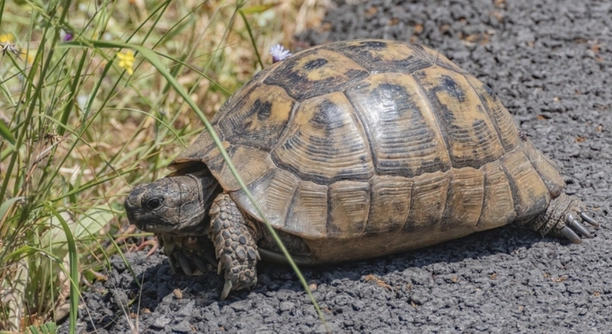
Feeding a Russian tortoise may seem simple, but it’s easy to make mistakes when it comes to their diet. Understanding their nutritional needs is essential for their health and longevity. Ensuring the right balance in their meals can make all the difference.
To avoid common mistakes, it is crucial to provide your Russian tortoise with a varied diet of fresh leafy greens, grasses, and vegetables. Avoid overfeeding high-protein foods, as these can lead to health issues such as kidney problems or obesity.
With the right approach to feeding, you can easily keep your tortoise happy and healthy. By making informed choices, you will create a balanced diet that supports their well-being. Keep reading to learn how to prevent feeding errors.
Understanding a Russian Tortoise’s Nutritional Needs
Russian tortoises require a specific diet that focuses on fiber-rich foods. Their digestive system thrives on grasses, weeds, and leafy greens like dandelions and collard greens. Overfeeding them with fruits or high-protein foods, such as animal-based products, can lead to digestive issues and obesity. Additionally, it’s important to offer variety to keep their diet interesting, but always prioritize foods that mimic their natural diet.
Avoid feeding them foods like lettuce or spinach regularly, as these do not provide enough nutrition. When choosing vegetables, stick to options like kale, turnip greens, or mustard greens. Incorporating safe flowers such as hibiscus can be a treat now and then.
Water should always be available to your tortoise. While they don’t drink frequently, offering a shallow dish allows them to drink when needed. Consistency in their diet helps maintain their digestive health and keeps them active and happy. This balanced approach will avoid common feeding mistakes that can lead to long-term health issues.
The Risk of Overfeeding Protein
Protein is essential, but too much can cause harm. Tortoises require minimal protein, and overfeeding can lead to kidney strain or other health concerns.
Russian tortoises are primarily herbivores, so their diet should consist mostly of plants. Too much protein can be detrimental to their kidneys, causing problems down the line. Stick to leafy greens, vegetables, and grasses to give them the right balance.
It’s important to understand that Russian tortoises are slow-growing, and they don’t need excessive protein to thrive. Offering high-protein foods like mealworms or commercial tortoise food can disturb their natural growth pattern. Excess protein can lead to unhealthy weight gain and, in the worst cases, organ damage. Remember, moderation is key.
Protein-rich foods should be offered very sparingly and only as treats. If you are ever unsure about their diet, it’s better to offer less protein and more fibrous greens to ensure a long, healthy life.
Choosing the Right Vegetables
Not all vegetables are suitable for Russian tortoises. It’s important to pick ones that closely resemble their natural diet. For example, leafy greens such as kale, collard greens, and turnip greens should form the bulk of their diet. Avoid feeding them vegetables that are too high in water content, like lettuce or cucumber, as they provide little nutritional value and may cause digestive upset.
Root vegetables like carrots and sweet potatoes can also be offered occasionally but in small amounts. These should never replace their primary food, as they can be too sugary. Stick to the basics, and your tortoise will thank you for it.
Offering variety is important, but balance is more so. A selection of different greens is the way to go to ensure that your tortoise gets all the nutrients they need. When introducing new foods, always monitor how they react to avoid any digestive discomfort. A well-rounded diet will keep them healthy, active, and content.
The Importance of Calcium
Calcium is essential for the health of a Russian tortoise’s bones and shell. Without enough calcium, their shell can become soft or deformed, leading to serious problems. You can provide calcium through supplements or by offering calcium-rich plants like clover or dandelion greens.
Adding a calcium supplement to their diet is a simple way to ensure they are getting enough of this vital nutrient. Make sure the supplement is specifically made for reptiles, and avoid overuse, as this can lead to other health issues. Dusting their food lightly with calcium powder once or twice a week is a good practice.
UVB light also plays a major role in calcium absorption. Without proper UVB lighting, your tortoise will struggle to use calcium effectively. Be sure your tortoise has access to UVB light for at least 10-12 hours a day. This helps them metabolize calcium and promotes overall health.
The Role of Hydration
Russian tortoises may not drink much water, but they still need proper hydration. Providing a shallow dish of water allows them to drink as they wish and also soak. Soaking can help prevent dehydration and aid in digestion.
While tortoises may not actively seek out water, they often get some hydration from the foods they eat. Leafy greens and vegetables like cucumber and zucchini contain a good amount of water, helping with overall hydration. However, water should always be available at all times.
A common mistake is neglecting hydration because Russian tortoises seem to avoid drinking. But dehydration can lead to lethargy, constipation, and other health issues. Keep an eye on their water dish and offer them opportunities to soak in shallow, lukewarm water. Staying hydrated is just as important as feeding them the right food.
Avoiding Overfeeding Fruits
Fruits can be a tasty treat for a Russian tortoise, but they should only be offered in moderation. Too much fruit can cause digestive issues and lead to obesity. Stick to small portions, and only feed fruit occasionally.
High sugar content in fruits can lead to weight gain and may also cause loose stools. Fruits like apples or berries can be given in small amounts, but the main focus should always be on leafy greens. Avoid making fruits a daily part of their diet to keep them healthy.
Tortoises may seem to enjoy fruits more than other foods, but the key is balance. A variety of greens should make up most of their diet to avoid health risks associated with overfeeding sugary fruits.
The Right Environment for Eating
Proper lighting and temperature are essential for your tortoise’s digestion. Ensure that their habitat is warm enough, with a temperature range between 75-90°F. A basking spot should be available at around 95°F. These conditions help your tortoise digest food efficiently.
When their environment is too cold, they may refuse to eat or have difficulty digesting their food. Proper lighting is also key for maintaining their health and encouraging a healthy appetite. Without UVB lighting, their ability to process nutrients can be impaired, leading to long-term health problems.
In addition to temperature, having a quiet, stress-free environment will allow your tortoise to eat comfortably. Stress can interfere with digestion and lead to unwanted behaviors like refusal to eat or hiding for long periods.
Choosing the Right Tortoise Food
When feeding a Russian tortoise, avoid pre-packaged foods filled with artificial ingredients or high protein levels. Stick to natural, fresh options that resemble their diet in the wild, such as grasses, herbs, and leafy vegetables.
Always avoid processed foods, as they often contain excess calcium or protein, which can throw off their balance. Offering a range of safe foods, including flowers like hibiscus or dandelions, helps maintain variety while providing the necessary nutrients. Fresh food not only improves your tortoise’s diet but also encourages healthy foraging behavior.
Pre-packaged foods might seem convenient, but the quality and nutritional content aren’t always ideal for a Russian tortoise. Always choose fresh, organic, and natural foods to ensure their health and well-being.
FAQ
What should I feed my Russian tortoise daily?
Your Russian tortoise should be fed a variety of leafy greens and vegetables daily. The base of their diet should be high-fiber plants like dandelion greens, collard greens, mustard greens, and clover. You can also include occasional small portions of safe vegetables like squash or bell peppers. Always avoid iceberg lettuce and spinach as they offer little nutritional value. Stick to what is natural for them in the wild, focusing on fibrous plants and grasses.
Can I feed my Russian tortoise fruit?
Fruits can be offered in small amounts but should not make up a significant portion of their diet. Fruits are high in sugar, which can lead to digestive issues and weight gain. Treat fruit as an occasional snack rather than a regular part of their meals. Safe options include apples, strawberries, and melon, but limit portions to a small piece once a week or so.
How much should I feed my Russian tortoise?
The amount of food depends on the size and age of your tortoise. A general guideline is to offer food that is about the size of their shell daily. Adult tortoises typically eat 1-2 cups of leafy greens, while younger ones might need more, up to 3 cups, depending on their size. Always monitor their weight and adjust portions if necessary.
Do Russian tortoises need supplements?
Yes, calcium and vitamin D3 supplements are often recommended to ensure proper bone health. Calcium should be provided regularly, either through calcium-rich foods or dusting their greens with a calcium powder. Vitamin D3 is vital for calcium absorption, so ensure your tortoise gets enough UVB light exposure for proper metabolism of calcium. Over-supplementing can be harmful, so always follow the recommendations of a reptile vet or expert.
How often should I feed my Russian tortoise?
Russian tortoises are herbivores and should be fed daily. In the wild, they graze throughout the day, so providing fresh food daily is crucial. However, they don’t need meals to be large. Once a day is sufficient, and it’s important to allow them time to eat at their own pace. Keep in mind that their eating habits might slow down during colder months when they may become less active.
What vegetables are safe for my Russian tortoise?
Russian tortoises can safely eat a wide variety of vegetables. Safe vegetables include kale, collard greens, mustard greens, turnip greens, and dandelion leaves. Other acceptable choices are bell peppers, zucchini, and squash. Always wash vegetables thoroughly to remove pesticides. Avoid starchy vegetables like potatoes and sweet potatoes in large quantities, as they are high in sugar.
How can I tell if my Russian tortoise is eating too much?
Overfeeding can cause obesity, which may lead to a variety of health problems. If your tortoise has a noticeable weight gain or refuses to eat due to sluggishness, it’s a sign they might be getting too much food. A healthy tortoise should have a well-defined shell shape and should be active when fed. If you notice your tortoise becoming lethargic or showing difficulty in moving, reduce portion sizes and monitor them closely.
Can I feed my Russian tortoise flowers?
Yes, many flowers are safe for Russian tortoises to eat. Flowers such as hibiscus, dandelions, and clover are great additions to their diet. Flowers add variety and can provide nutrients and natural vitamins. Be sure to avoid flowers that are treated with pesticides or chemicals, as these can be harmful to your tortoise. Always double-check if the flowers you offer are safe.
Do Russian tortoises need to drink water?
Russian tortoises don’t drink water frequently, but they should always have fresh water available. Some tortoises prefer to hydrate by soaking in a shallow dish of water. Soaking can also help with digestion and prevent dehydration. Additionally, offering hydrating vegetables like cucumber and lettuce can help them maintain their hydration levels.
Can I feed my Russian tortoise commercial food?
Commercial tortoise food can be used occasionally, but it should not replace fresh vegetables. Many commercial foods are high in protein and may not provide the right balance of nutrients. If you use commercial food, look for options that are specifically formulated for Russian tortoises or other herbivorous species. Always ensure the primary diet is fresh, natural foods.
How often should I give my Russian tortoise a bath?
Soaking your Russian tortoise 2-3 times a week is recommended. A shallow bath in warm water (around 85-90°F) for about 20-30 minutes helps with hydration and can also assist in digestion. Be sure to keep the water shallow enough for them to walk in, and always monitor them during their bath to prevent drowning.
Is it okay to feed my Russian tortoise lettuce?
Not all types of lettuce are suitable for Russian tortoises. While some lettuce, like romaine, can be offered occasionally, avoid iceberg lettuce as it has minimal nutritional value and too much water. Lettuce can cause loose stools if given in excess, so it should only be a small part of their diet.
Do Russian tortoises need UVB lighting?
Yes, UVB lighting is essential for Russian tortoises to metabolize calcium and maintain healthy bones and shell growth. A proper UVB light source should be used for 10-12 hours a day, especially if your tortoise is housed indoors. Without UVB, tortoises can develop metabolic bone disease and other health issues.
Taking care of a Russian tortoise involves more than just providing food and water. Their diet plays a huge role in their overall health and well-being. By feeding them the right types of greens, vegetables, and occasionally fruits, you can ensure they get the nutrients they need. It’s important to avoid common mistakes like overfeeding high-protein foods or giving them too much fruit. A balanced diet of fiber-rich plants, along with calcium supplements, will help keep your tortoise healthy for years to come.
Hydration is another crucial aspect to keep in mind. Although Russian tortoises don’t drink water often, they still need access to fresh water and should be encouraged to soak occasionally. Providing a shallow water dish for soaking can help with digestion and prevent dehydration. In addition to offering water, feeding them vegetables with high water content, like cucumber, can also contribute to their hydration needs. This is often overlooked but plays a key role in preventing health issues.
Finally, remember that Russian tortoises need the right environment to thrive. A proper habitat with appropriate lighting and temperature is essential for digestion and general health. A basking area with a temperature of about 95°F and UVB lighting for at least 10-12 hours a day will help them absorb calcium and maintain strong bones and a healthy shell. With proper care, including a balanced diet, hydration, and environment, your Russian tortoise will be a happy, healthy companion.

Hello,
If you enjoy the content that we create, please consider saying a "Thank You!" by leaving a tip.
Every little bit helps us continue crafting quality advice that supports the health, happiness, and well-being of pets around the world, for pets of all shapes, sizes, and species.
We really appreciate the kindness and support that you show us!