
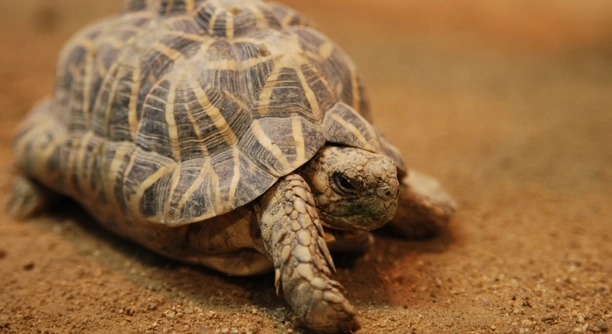
Indian Star Tortoises can be territorial, and aggression between them is a common issue. Understanding the causes of this behavior and knowing how to handle it can improve their well-being and help maintain a peaceful environment.
Aggression between Indian Star Tortoises often arises due to territorial disputes or competition for resources. Managing their space, providing ample food, and ensuring proper environmental conditions can significantly reduce aggressive behaviors. Regular monitoring and intervention are essential.
There are several simple ways to address aggression, including adjusting their habitat and introducing enrichment activities.
Understanding Aggression in Indian Star Tortoises
Indian Star Tortoises can become aggressive for various reasons, with territorial behavior being the most common. These tortoises naturally mark their space and protect it from others. Aggression may also occur when they feel threatened or when resources, like food and shelter, are limited. The behavior is often more pronounced during mating seasons or when males compete for dominance. Without proper intervention, aggression can lead to injuries and stress, which impacts their overall health.
Providing a larger, more suitable environment can reduce territorial aggression. Giving them plenty of hiding spots, basking areas, and space to roam will decrease conflicts. It is also essential to avoid overcrowding, as this increases competition for resources and elevates stress levels. Monitoring their behavior regularly and making adjustments to their habitat can help keep aggression at bay.
Maintaining a calm environment with a stable routine can also play a role in reducing aggression. Creating a predictable daily schedule for feeding and interaction will prevent unnecessary stress. In some cases, separating aggressive tortoises might be necessary to ensure their safety.
Habitat Adjustments for a Peaceful Environment
Adjusting your tortoise’s environment can play a key role in reducing aggression.
A larger, more enriched habitat helps them feel secure, allowing them to express natural behaviors. It also ensures that each tortoise has enough space to avoid unnecessary confrontations. Adding multiple basking spots and hiding spaces will help create a sense of security for each tortoise.
Providing Multiple Hiding Spots
Having multiple hiding spots is essential to reducing stress and aggression. These can be simple structures like rocks, logs, or commercially available shelters. When tortoises have their own space to retreat to, it minimizes confrontations.
Tortoises, especially those that are territorial, often feel safer when they have a place to hide. This not only prevents aggressive behavior but also ensures they have privacy, which is essential for their well-being. Hiding spots should be placed strategically around the enclosure, giving each tortoise a chance to escape from others if they feel threatened.
A good hiding spot should be dry, clean, and comfortable. It should be large enough for the tortoises to move in and out easily but small enough to provide a sense of security. Multiple hiding spots will allow each tortoise to claim their own space and prevent unnecessary tension.
Proper Diet and Feeding Routine
Having a proper feeding routine is crucial to preventing aggression. Tortoises are more likely to become aggressive when food is scarce or when they feel threatened by another tortoise.
Feeding them in separate areas or using feeding dishes that are spaced apart can help prevent competition. It’s important to provide a balanced diet with plenty of fresh greens, vegetables, and occasional fruits. Consistency in feeding time also plays a role. Tortoises feel secure when they know they will get their meals at the same time each day. This can reduce the chances of them becoming aggressive due to hunger or competition.
Temperature and Humidity Control
Maintaining proper temperature and humidity levels is crucial to keeping Indian Star Tortoises calm. Extreme fluctuations can cause stress, which may lead to aggression.
It’s important to ensure the basking area is warm enough to allow proper digestion, while cooler areas help them regulate their body temperature. Proper humidity also ensures their skin and shell stay healthy.
A thermometer and hygrometer are necessary tools to track these conditions and adjust as needed. Stressed tortoises may become more territorial or defensive, so keeping a stable environment helps reduce those risks.
Social Interaction
Indian Star Tortoises can sometimes be solitary animals, depending on their temperament.
Some tortoises prefer being alone, while others may enjoy interacting with each other. Observing their behavior and adjusting accordingly can prevent unnecessary aggression. If multiple tortoises are housed together, providing enough space and resources will allow them to coexist peacefully.
Health Monitoring
Regular health checks can help prevent aggression caused by underlying medical conditions.
Sick or injured tortoises may become more defensive due to discomfort or pain. Regularly checking for signs of illness, such as lethargy or unusual behavior, can help catch issues early. Tortoises that aren’t feeling well may exhibit irritability, leading to aggression.
FAQ
What causes aggression in Indian Star Tortoises?
Aggression in Indian Star Tortoises is often caused by territorial disputes, lack of space, or limited resources like food and water. Males are more prone to aggression, especially during mating seasons, when they compete for dominance. Stress from environmental factors such as improper temperature, humidity, or overcrowding can also lead to aggressive behavior.
How can I reduce aggression between two tortoises?
To reduce aggression, ensure that your tortoises have separate territories and ample space. Adding hiding spots, food dishes, and basking areas in multiple locations will give them enough room to avoid conflicts. Monitor their behavior closely, and if aggression persists, it may be necessary to house them separately.
Can aggression between tortoises be a sign of illness?
Yes, if a typically calm tortoise starts displaying aggressive behavior, it might indicate an underlying health issue. Illness, injury, or discomfort can cause a tortoise to become defensive. If you notice any sudden change in behavior, it’s best to check for signs of illness and consult a vet if needed.
Do I need to separate tortoises that fight?
If tortoises are fighting, it is advisable to separate them, especially if the aggression leads to injuries. Tortoises are territorial, and if the fighting continues, it may stress them out or even cause long-term harm. Providing separate enclosures or larger spaces with multiple hiding spots can reduce the likelihood of fighting.
Can I introduce new tortoises into an established group?
Introducing new tortoises should be done carefully. The addition of new tortoises can disrupt the established social structure and lead to aggression. It’s best to introduce them gradually and ensure that there is enough space and resources for everyone. Allow them to acclimate in a neutral area before introducing them to their permanent enclosure.
How do I know if my tortoise is stressed?
Signs of stress in tortoises include erratic behavior, loss of appetite, hiding more than usual, or aggressive actions. They may also appear lethargic or show signs of shell discoloration or damage. Stress can be caused by improper habitat conditions, illness, or lack of stimulation. It’s important to monitor their environment and health closely.
What should I do if my tortoise has injured another one?
If your tortoise has injured another, immediately separate them to prevent further harm. Check the injured tortoise for signs of bleeding, swelling, or stress. If necessary, take them to a veterinarian for treatment. Afterward, assess the habitat to ensure that the conditions causing aggression are addressed to prevent future incidents.
Can tortoises live together peacefully?
Tortoises can live together peacefully if they are given enough space, food, and hiding spots. Aggression can be minimized by ensuring that no tortoise feels threatened or overcrowded. It’s crucial to monitor their behavior, especially during the initial introduction, to ensure that they are getting along.
How can I keep my tortoises healthy to avoid aggression?
A healthy tortoise is less likely to display aggressive behavior. Regular health checks, proper diet, hydration, and a clean, well-maintained habitat are essential. Ensure the temperature and humidity levels are suitable for your species of tortoise, as stress from environmental factors can lead to aggression.
Is it normal for tortoises to fight over food?
Yes, tortoises may sometimes become territorial over food, especially if resources are limited. To reduce this behavior, offer enough food for each tortoise and spread it out across their habitat. This gives them more opportunities to eat without feeling the need to compete or fight.
How can I tell if my tortoise is comfortable in its environment?
Signs that your tortoise is comfortable in its environment include normal eating and drinking habits, active behavior, and consistent basking and sleeping patterns. A healthy tortoise will also have smooth, undamaged shells and clear eyes. If your tortoise is hiding excessively or acting lethargic, it might not be comfortable in its habitat.
Can female tortoises show aggression?
While male tortoises are more likely to exhibit aggression due to competition, female tortoises can also display territorial behavior. Females may become aggressive when they feel threatened or when they are protecting their nesting areas. Proper space and environmental enrichment can help reduce aggression in females.
How do I create a peaceful environment for my tortoises?
To create a peaceful environment, make sure the habitat is spacious and well-organized. Include multiple basking spots, hiding places, and food dishes to minimize competition. Maintain proper temperature, humidity, and lighting conditions, as these factors can significantly impact tortoise behavior. Regular monitoring and adjustments to their environment will help maintain peace.
Final Thoughts
Managing aggression between Indian Star Tortoises requires attention to several factors, such as space, temperature, and social dynamics. These tortoises are territorial and may become aggressive if they feel threatened or overcrowded. Providing enough space and ensuring a suitable environment can significantly reduce stress, which in turn minimizes aggressive behavior. Keeping the habitat clean, with multiple basking spots and hiding places, helps prevent tortoises from feeling the need to compete for resources.
Another important aspect is monitoring their health regularly. Sick or injured tortoises are more likely to exhibit aggressive behaviors as a defense mechanism. If you notice a sudden change in behavior, such as increased aggression or lethargy, it may indicate an underlying health issue. Regular vet visits and proper care are essential in keeping your tortoises healthy and reducing stress-induced aggression. Addressing any signs of illness early can prevent further complications and ensure your tortoises remain calm and peaceful.
Ultimately, understanding the behavior of your Indian Star Tortoises and adjusting their environment to meet their needs can go a long way in preventing aggression. Providing them with a comfortable and stress-free space, along with a balanced diet and proper care, ensures that your tortoises can live harmoniously. By observing their interactions and making necessary adjustments to their living conditions, you can create a peaceful environment where all your tortoises thrive without constant conflict.

Hello,
If you enjoy the content that we create, please consider saying a "Thank You!" by leaving a tip.
Every little bit helps us continue crafting quality advice that supports the health, happiness, and well-being of pets around the world, for pets of all shapes, sizes, and species.
We really appreciate the kindness and support that you show us!