
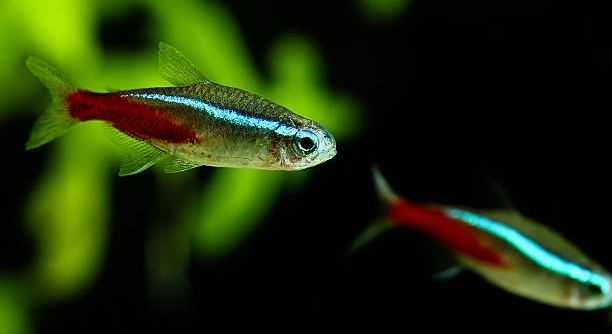
Neon Tetras are beautiful fish, but keeping them healthy requires attention to their water quality. One critical factor to monitor is the pH level, which affects their overall well-being and behavior in the tank.
To maintain healthy Neon Tetras, adjust the pH levels in their tank to stay within the optimal range of 6.0 to 7.0. Regular water testing, careful use of pH adjusters, and proper filtration are essential in keeping these levels stable and safe for the fish.
These simple steps will help you maintain the ideal pH range and ensure your fish thrive in their environment.
Test the Water Regularly
Maintaining the proper pH for your Neon Tetras starts with consistent water testing. Invest in a reliable test kit that measures pH, ammonia, nitrites, and nitrates. The water should be tested weekly to identify any sudden changes. Sudden shifts in pH can cause stress to your fish, potentially leading to illness or death. Regular monitoring allows you to detect any issues early and take action before they worsen. Keeping track of the pH over time can also help you identify trends and determine if adjustments are needed.
Testing your water regularly is vital for the health of your Neon Tetras. It provides an accurate picture of your aquarium’s environment, ensuring it remains stable.
To get the most accurate results, always follow the instructions on the test kit carefully. Keep track of the data so you can see trends and adjust accordingly. Frequent testing prevents unpleasant surprises, helping you avoid drastic changes that could harm your fish. Using these precautions ensures your Neon Tetras thrive in a safe and stable environment.
Adjust pH Using Natural Methods
One of the simplest ways to adjust pH is through natural methods. You can use substances like driftwood or peat moss to slightly lower the pH. These items slowly release tannins into the water, making it more acidic. While these natural items provide a gentle, slow adjustment, it’s essential to monitor the pH regularly to ensure it doesn’t drop too low.
For instance, adding a piece of driftwood can help bring the pH down to a more suitable level for your Neon Tetras. The key here is moderation. It’s crucial to start small and gradually make changes, as large fluctuations can stress your fish. Over time, you’ll notice that your water stabilizes at a safe pH level. If using peat moss, place it in your filter, which will help the pH level drop gradually as the water passes through it. These are both cost-effective and natural ways to adjust your water’s pH.
Use pH Buffers
pH buffers are commercially available products that can help stabilize the pH of your aquarium. These buffers are easy to use and designed to keep pH within a certain range. Make sure to choose the right buffer specifically for acidic or neutral pH, depending on the needs of your Neon Tetras.
Before using any pH buffer, carefully read the instructions to understand how much to use based on your tank’s size. Overuse of buffers can lead to unwanted fluctuations in pH, so always add them gradually. Buffers work by neutralizing acids or bases in the water, helping to keep the pH stable. They are most useful when you know your water source has fluctuating pH levels, as they help prevent sudden changes that could harm your fish.
Once you add the buffer, monitor the pH to ensure the levels remain stable. If necessary, adjust the buffer dosage until you find the right balance for your tank. Using buffers correctly will help maintain the right pH level for the health of your Neon Tetras.
Maintain Consistent Water Temperature
Temperature plays a key role in maintaining proper pH levels. If your tank is too warm, the pH may become more acidic, while cooler temperatures can cause the pH to rise. Keeping the water temperature stable helps avoid any rapid shifts in pH, ensuring a comfortable environment for your Neon Tetras.
The ideal water temperature for Neon Tetras ranges between 72°F and 78°F. Sudden temperature changes can lead to pH imbalances, affecting your fish’s health. Invest in a reliable aquarium heater and thermometer to maintain a constant temperature. Avoid placing your tank near windows or in drafty areas, as this can cause temperature fluctuations. Consistent water temperature, combined with regular pH testing, will help keep the water conditions stable and safe for your fish.
Avoid Overfeeding
Overfeeding your Neon Tetras can lead to uneaten food decomposing in the tank, which can cause the water’s pH to drop. Ensure you are only feeding your fish the amount they can consume within a few minutes.
Overfeeding also results in excess waste, which contributes to higher ammonia levels. Ammonia can lower the pH and cause poor water quality. It’s important to feed your Neon Tetras in small amounts and remove any leftover food promptly. This not only helps maintain stable pH but also keeps the water clean and healthy for your fish.
Use a Quality Filtration System
A good filtration system is essential in maintaining pH stability. Filters help remove debris, excess food, and waste, keeping the water clear. Without a proper filtration system, harmful substances can accumulate and cause a drop in pH.
Make sure your filter is suited for the size of your tank and the number of fish you have. It should run continuously to ensure the water remains clean and oxygenated. Regularly check the filter’s efficiency and clean it as needed. A reliable filtration system contributes to overall water quality and helps stabilize pH levels, making it a key component in a healthy aquarium.
Perform Regular Water Changes
Regular water changes are an easy way to maintain pH stability in your tank. They dilute waste and excess nutrients that can affect the pH. Water changes also prevent the buildup of harmful substances that may cause your pH to drop.
Changing 10-15% of the water every week is recommended. Use a water conditioner to remove chlorine or chloramine from tap water, as these can affect your fish and pH levels. After each water change, test the pH to ensure it stays within the optimal range. Consistent water changes help keep your Neon Tetras healthy by maintaining a stable and clean environment.
FAQ
What is the ideal pH level for Neon Tetras?
The ideal pH range for Neon Tetras is between 6.0 and 7.0. Maintaining this range ensures that your fish are comfortable and healthy. If the pH goes outside this range, it can lead to stress, illness, or even death in some cases. Always test the water regularly to ensure the pH stays within this range.
How can I lower the pH in my aquarium?
To lower the pH, you can use natural methods like adding driftwood or peat moss. These items release tannins into the water, naturally acidifying it over time. Alternatively, you can use commercial pH-lowering products that are safe for your fish. Be sure to make changes gradually to avoid shocking your Neon Tetras.
How can I raise the pH in my aquarium?
To raise the pH, you can add crushed coral or limestone. These materials slowly release calcium carbonate, which raises the pH level. Another option is using a pH-raising buffer, but it’s important to use this carefully to prevent drastic changes. Always monitor the pH after any adjustments to ensure it’s stabilizing.
What happens if the pH is too high for Neon Tetras?
If the pH is too high, it can cause Neon Tetras to become stressed. High pH can make it difficult for fish to absorb nutrients, leading to weakened immune systems and vulnerability to diseases. It may also cause respiratory problems. If you notice these symptoms, test and adjust the pH to ensure it’s within the ideal range.
What happens if the pH is too low for Neon Tetras?
A pH that is too low (acidic) can cause harm to your Neon Tetras. Low pH can lead to poor oxygen exchange, which affects their gill function. Fish may appear lethargic, and their colors may become dull. Acidic water can also affect other water parameters, such as ammonia levels, making the tank more toxic.
Can I use tap water for my Neon Tetras?
You can use tap water, but it’s important to test it first. Tap water often contains chemicals like chlorine and chloramine that can harm your fish. Always use a water conditioner to remove these chemicals. Additionally, test the pH, as tap water can vary in pH depending on the region, and adjustments might be needed.
What is the best way to adjust pH safely?
The best way to adjust pH is gradually. Sudden changes in pH can shock your fish, leading to stress and potential health issues. Make small adjustments and test the water frequently. Using natural methods like driftwood or peat moss allows you to lower the pH slowly. Using pH buffers or conditioners should be done carefully and according to the instructions.
How often should I test the pH of my aquarium?
You should test the pH of your aquarium at least once a week. If you’re new to keeping Neon Tetras, it’s a good idea to test more frequently until you understand the water’s behavior. If you notice any changes in the health of your fish, test the pH immediately to rule out water quality issues.
Can pH affect other water parameters?
Yes, pH can impact other water parameters, including ammonia and nitrate levels. In acidic water, ammonia is more toxic to fish, while alkaline water can cause an increase in nitrate toxicity. Regularly testing and balancing your aquarium’s pH ensures that all water parameters stay within a safe range for your fish.
Are there any plants that can help stabilize pH?
Yes, certain plants can help stabilize pH by absorbing nutrients from the water. For example, plants like Java Fern and Anubias can help keep the water slightly more acidic. However, plants alone cannot control pH entirely, so regular testing and adjustment are still necessary to keep the pH in the optimal range.
What should I do if the pH fluctuates a lot?
If you notice frequent pH fluctuations, the problem may lie in the water source or improper maintenance. Check the quality of your water and the equipment you’re using, such as your filter and heater. Installing a more reliable filtration system and making regular water changes can help prevent fluctuations. If necessary, use pH stabilizers to keep the levels more consistent.
Can Neon Tetras survive in hard water?
Neon Tetras prefer soft, slightly acidic water, but they can survive in hard water if the pH is within their preferred range of 6.0 to 7.0. However, prolonged exposure to hard water can lead to stress and health issues. If your water is hard, consider using a water softener or mixing in reverse osmosis (RO) water to lower the hardness.
Should I use a pH test kit or a pH meter?
Both pH test kits and meters are effective for testing pH levels, but a test kit is more affordable and sufficient for most hobbyists. Test kits are simple to use and provide accurate results. A pH meter offers more convenience for frequent testing, but it can be more expensive and require calibration. Either option works, depending on your preferences and budget.
Can I use a pH shock treatment to quickly fix pH problems?
It’s best to avoid using pH shock treatments, as they can cause rapid changes that stress your fish. Sudden changes in pH are harmful, and shock treatments may lead to more problems than they solve. Instead, make gradual adjustments to your aquarium’s pH with safe methods like natural materials or controlled pH buffers. Always monitor your water after any changes.
What is the most common pH problem in aquariums?
The most common pH problem in aquariums is fluctuating pH levels. This can be caused by changes in the water source, overfeeding, or insufficient filtration. Fluctuations can lead to stress and disease in fish. Regular testing, proper filtration, and maintaining a stable environment help prevent this issue from affecting your Neon Tetras.
Final Thoughts
Maintaining the right pH for your Neon Tetras is essential for their overall health and well-being. These small fish thrive in slightly acidic to neutral water, with a pH range of 6.0 to 7.0. Keeping the pH stable helps prevent stress, illness, and ensures your fish are living in a comfortable environment. Frequent water testing and regular water changes are important steps in ensuring the water remains within this ideal pH range. You also need to monitor factors like feeding habits, the quality of your filtration system, and the natural components in the tank, which can all affect pH levels.
Adjusting pH may seem tricky at first, but there are simple and effective ways to maintain a healthy aquarium. Using natural methods such as driftwood or peat moss to lower pH, or crushed coral to raise it, can be very helpful. However, it is important to make gradual adjustments to avoid shocking your Neon Tetras. Sudden changes in pH can be harmful, so take your time and regularly test the water to ensure the levels are stable. Keeping an eye on your fish’s behavior can also help. If they appear stressed, the pH could be the cause, and it’s worth checking.
Finally, remember that pH is just one factor in maintaining a healthy tank. You should also consider other water parameters like temperature, ammonia levels, and nitrate levels. A balanced, well-maintained tank with stable pH is the key to keeping your Neon Tetras happy and thriving. By staying consistent with water care and being mindful of pH levels, you create the best environment for your fish. With proper attention and care, your Neon Tetras will flourish, adding beauty and life to your aquarium for years to come.

Hello,
If you enjoy the content that we create, please consider saying a "Thank You!" by leaving a tip.
Every little bit helps us continue crafting quality advice that supports the health, happiness, and well-being of pets around the world, for pets of all shapes, sizes, and species.
We really appreciate the kindness and support that you show us!