
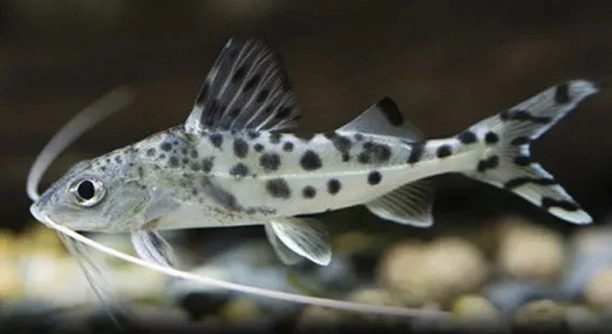
Acclimating Pictus Catfish properly is important to ensure their health and comfort in a new tank. Many fish owners want to introduce these active, peaceful catfish without causing them stress or shock. This article will guide you through the acclimation process step by step.
The safest and easiest way to acclimate Pictus Catfish is through a gradual drip acclimation method. This controlled approach minimizes stress by slowly adjusting the fish to the new water parameters, preventing sudden changes in temperature, pH, and other conditions.
Following these steps will help your Pictus Catfish settle smoothly into their new environment and reduce the risk of health issues. Understanding proper acclimation promotes a happier, healthier aquarium.
Preparing Your Tank and Supplies
Before bringing your Pictus Catfish home, it’s essential to have the tank ready with stable water conditions. The tank should be cycled and filtered, maintaining a temperature between 75°F and 82°F. Make sure the pH level is between 6.5 and 7.5 to match the catfish’s natural environment. Gather all necessary equipment, such as a clean bucket, a drip line or airline tubing, and a net. Having everything organized before the fish arrives will make the acclimation process smoother and less stressful for both you and the fish.
Taking these steps ahead of time ensures your Pictus Catfish will enter an environment that supports their health and reduces the risk of shock or illness.
Having a clean, well-maintained tank and all supplies ready improves the chances of a successful acclimation. These preparations show respect for your fish’s needs and help avoid common mistakes made when introducing new aquatic pets.
How to Use Drip Acclimation
Drip acclimation involves slowly mixing the water from your tank into the water holding your fish to adjust them gradually. This process usually takes about one to two hours, depending on the volume of water and flow rate. Start by placing the fish and its water in a clean container, then create a slow drip using airline tubing from the tank. Adjust the flow to about two to four drops per second. Keep monitoring the water level and quality, and once the container volume has doubled, gently transfer the fish to the tank.
Drip acclimation is the most effective method for sensitive species like Pictus Catfish, as it minimizes stress and sudden changes.
When starting the drip, make sure the container is stable and in a safe place away from direct sunlight or temperature fluctuations. Avoid pouring the water from the bag directly into the tank, as it may introduce contaminants. After acclimation, it’s important to remove any floaters or debris from the container. This process gives your catfish time to adjust to new water chemistry, which helps prevent shock and supports their immune system. Proper acclimation is a small effort with a big impact on the long-term health of your Pictus Catfish.
Monitoring Your Pictus Catfish After Acclimation
Keep a close eye on your Pictus Catfish for the first few days after acclimation. Watch for signs of stress like rapid breathing, hiding, or lack of appetite. These behaviors can indicate adjustment issues or water quality problems.
Stress can weaken their immune system and make them vulnerable to disease. Maintain stable water conditions, perform regular water tests, and avoid sudden changes in temperature or lighting. If you notice persistent stress signs, consider partial water changes to improve water quality and reduce toxins. Patience is key during this period as your catfish settles.
Feeding small amounts of high-quality food will encourage eating and help your fish regain strength. Avoid overfeeding, which can harm water quality and delay recovery.
Common Mistakes to Avoid During Acclimation
One common mistake is rushing the acclimation process, which can cause shock or death. Pouring the transport water directly into the tank introduces harmful chemicals or pathogens. Another error is neglecting water parameters, such as temperature and pH, which should closely match the fish’s original environment.
Using untreated tap water without a conditioner can expose your catfish to chlorine and heavy metals. Additionally, overhandling or disturbing the fish too much can cause unnecessary stress. Avoid sudden lighting changes during acclimation, as Pictus Catfish prefer dimmer conditions.
Taking time to prepare and follow proper steps reduces risks and promotes a smooth transition for your fish. It’s better to be cautious and patient to keep your Pictus Catfish healthy and comfortable in their new home.
Timing Your Acclimation Process
Acclimating your Pictus Catfish should take at least one hour to reduce stress. Rushing this step can cause shock and long-term health issues.
Slow and steady acclimation helps the fish adjust to new water conditions without sudden changes, ensuring a smoother transition.
Using a Quarantine Tank
A quarantine tank helps monitor your catfish for illness before introducing them to the main tank. It reduces the risk of spreading diseases.
Keep the quarantine tank conditions similar to the main tank. Observe your fish closely for at least two weeks. This extra step protects your established aquarium and promotes overall health.
Handling Your Pictus Catfish Safely
Always handle your Pictus Catfish gently and as little as possible during acclimation. Avoid grabbing them with bare hands to prevent stress and injury.
Use a soft net or container when moving them. Careful handling ensures your catfish stays healthy and calm throughout the process.
FAQ
How long should I acclimate my Pictus Catfish?
Acclimation should take at least one to two hours using the drip method. This slow process allows the fish to adjust gradually to temperature, pH, and other water differences. Rushing can cause shock or stress, which may harm your catfish.
Can I add the Pictus Catfish directly from the bag into the tank?
No, adding the fish directly with its transport water can introduce toxins or harmful chemicals into your tank. Always acclimate the fish by slowly mixing tank water into the transport water to prevent sudden changes in water chemistry.
What signs show my Pictus Catfish is stressed during acclimation?
Signs include rapid breathing, clamped fins, hiding, or refusal to eat. If you notice these behaviors, pause and make sure the water parameters are stable and match the fish’s needs. Stress can weaken the fish’s immune system.
Is a quarantine tank necessary for Pictus Catfish?
Yes, a quarantine tank is highly recommended. It allows you to monitor your fish for disease or parasites before introducing them to your main tank. Keeping the quarantine tank conditions similar to the main tank helps reduce additional stress.
How often should I test water parameters during acclimation?
Testing before and during acclimation helps ensure stable conditions. Check temperature, pH, ammonia, nitrites, and nitrates regularly. Sudden spikes or drops can harm your fish, so maintain consistent water quality throughout the process.
Can I feed my Pictus Catfish during acclimation?
It’s best to wait until after the acclimation process is complete before feeding. Fish may refuse food when stressed. Once settled, feed small amounts of high-quality sinking pellets or live food to encourage healthy eating habits.
What is the best temperature for acclimating Pictus Catfish?
Keep the water temperature between 75°F and 82°F during acclimation. Matching the transport water temperature to your tank helps prevent temperature shock, which can be harmful or even fatal.
How do I avoid overhandling my Pictus Catfish?
Limit handling to only necessary steps, like transferring the fish with a soft net or container. Excessive handling can increase stress and injury risk. Always be gentle and move the fish calmly to protect its health.
What should I do if my Pictus Catfish refuses to eat after acclimation?
Give your fish time to adjust, as stress can reduce appetite. Maintain clean water and stable conditions. Offering live or frozen foods can help stimulate feeding. If refusal continues beyond a week, check for illness or water quality issues.
Is drip acclimation better than floating the bag?
Yes, drip acclimation is safer and more effective. Floating the bag adjusts temperature but doesn’t balance water chemistry. The drip method slowly equalizes temperature, pH, and other factors, reducing stress and shock for sensitive species like Pictus Catfish.
Properly acclimating Pictus Catfish is an important step to ensure their health and comfort in a new aquarium. Taking the time to introduce them slowly to the tank’s water conditions prevents sudden changes that can cause stress or illness. A careful approach, such as drip acclimation, helps these sensitive fish adjust to differences in temperature, pH, and other water chemistry factors. This method reduces the chance of shock and supports a smoother transition into their new home.
During the acclimation process, it is important to keep the environment calm and stable. Avoid sudden lighting changes, loud noises, or excessive handling, as these can increase stress for the catfish. Maintaining consistent water quality through regular testing and gentle water changes also helps the fish settle. Observing your Pictus Catfish closely after introduction allows you to notice any signs of stress or illness early. Providing a clean, well-maintained tank and appropriate diet further supports their health during this adjustment period.
Ultimately, patience and attention to detail make a big difference in how well your Pictus Catfish adapt. Skipping or rushing the acclimation steps can lead to health problems and shorten their lifespan. Taking these precautions shows respect for your fish’s needs and creates a better environment for them to thrive. With proper acclimation, your Pictus Catfish can become a lively, active part of your aquarium, adding both beauty and interest for years to come.

Hello,
If you enjoy the content that we create, please consider saying a "Thank You!" by leaving a tip.
Every little bit helps us continue crafting quality advice that supports the health, happiness, and well-being of pets around the world, for pets of all shapes, sizes, and species.
We really appreciate the kindness and support that you show us!