
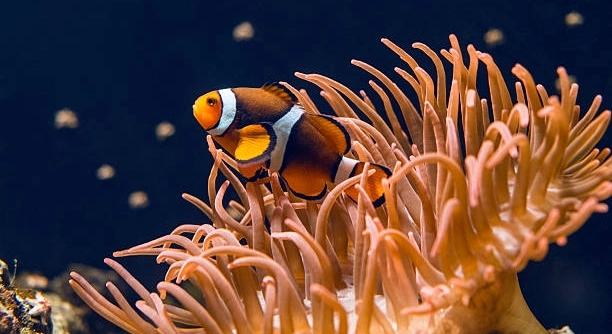
Acclimating a new clownfish to its tank is an important process for its health and well-being. Many aquarium owners want to ensure their fish adjusts smoothly to the new environment without stress or shock. This guide offers clear steps to help you through the process.
The best method to acclimate a new clownfish involves slowly introducing it to the tank water conditions. This gradual adjustment reduces stress, prevents shock, and supports the fish’s adaptation to temperature, pH, and salinity changes. Proper acclimation promotes survival and health.
Understanding proper acclimation techniques can make a significant difference for your clownfish’s success. Following the right steps ensures a smooth transition into your aquarium’s ecosystem.
Preparing Your Tank for a New Clownfish
Before bringing your clownfish home, it’s essential to prepare the tank properly. The water parameters must be stable and match the needs of the fish. Check the temperature, which should be between 74°F and 78°F, and ensure the salinity level is around 1.020 to 1.025 specific gravity. Test the pH to make sure it is within the range of 8.1 to 8.4. Clean the tank and remove any chemicals or residues that might harm the fish. Adding live rock or coral can provide hiding spots and reduce stress for the clownfish. Avoid feeding the fish for 24 hours before acclimation, as this helps prevent water contamination during the process. Being prepared with the right tank conditions gives your clownfish the best chance to thrive once introduced.
Having a well-prepared tank is critical to ensure the health of your new clownfish. Proper conditions reduce stress and support adaptation.
Careful tank preparation creates a welcoming environment. Matching water parameters and providing hiding places helps your clownfish feel secure and healthy. This reduces the risk of shock and allows the fish to settle in more quickly.
Step-by-Step Acclimation Process
Begin by floating the sealed bag with your clownfish on the surface of the tank water. This equalizes the temperature gradually, preventing thermal shock. After 15 to 20 minutes, open the bag and slowly add small amounts of tank water to it every 5 minutes. This step helps the fish adjust to the tank’s water chemistry, such as pH and salinity. Continue this for about 30 to 45 minutes until the water volume in the bag has doubled. Using a small net, gently transfer the clownfish into the tank without adding the bag water. This avoids introducing contaminants. Observe the fish closely for the first few hours to ensure it is swimming normally and not showing signs of distress.
Gradual introduction to new water conditions is essential for the clownfish’s health. Rushing this step can cause shock or stress.
Following this step-by-step acclimation process helps reduce stress and prevents shock. Floating the bag equalizes temperature, and slow water mixing lets the fish adjust to chemistry changes. Transferring the fish without the bag water minimizes contamination risks. Watching your clownfish closely afterward allows you to respond quickly if any problems arise. This careful method supports the fish’s long-term health in your aquarium.
Monitoring Your Clownfish After Acclimation
After acclimation, watch your clownfish closely for signs of stress or illness. Healthy fish should swim actively and eat normally. Any unusual behavior like hiding, gasping, or lethargy may indicate problems needing attention.
Stress in clownfish often appears as rapid breathing, fading colors, or clamped fins. These signs can result from poor water quality or an improper acclimation process. It is important to test water parameters regularly during the first week. Keep the tank clean and avoid sudden changes in temperature or lighting. Provide plenty of hiding places to help the fish feel secure. Feeding small amounts of high-quality food supports recovery and strengthens the immune system.
If your clownfish shows signs of illness, isolate it in a quarantine tank to prevent spreading disease. Treat any infections promptly using appropriate medication. Observing your fish daily allows you to catch and resolve issues early, improving its chance for a healthy adjustment.
Adjusting Feeding and Tank Maintenance
Start feeding your clownfish small portions once it shows normal behavior. Feed two to three times daily with varied, nutritious foods such as pellets, flakes, or frozen brine shrimp. Avoid overfeeding, which can harm water quality and fish health.
Regular tank maintenance supports a stable environment. Perform partial water changes weekly, replacing 10-15% of the tank water. Remove uneaten food and debris to prevent waste buildup. Monitor salinity, temperature, and pH consistently. Cleaning filters as recommended keeps the water clear and healthy. Stable tank conditions reduce stress and disease risk, helping your clownfish thrive in its new home.
Avoiding Common Acclimation Mistakes
Rushing the acclimation process can cause severe stress or shock to your clownfish. Avoid adding the fish directly to the tank without gradual adjustment. Sudden changes in temperature or water chemistry are harmful.
Using bag water from the transport container can introduce contaminants. Always transfer the fish gently using a net and discard the bag water. Proper care during acclimation prevents health issues later.
Signs Your Clownfish Is Settling In
A settling clownfish will explore its new environment and swim confidently. It will accept food and interact with tank decorations. Color should be bright, and fins fully open. These behaviors indicate successful acclimation and comfort in the tank.
Handling Multiple Fish Acclimation
When introducing more than one clownfish, acclimate each separately to prevent stress and aggression. Observe their behavior closely during the first days to ensure they coexist peacefully without territorial disputes.
Importance of Patience in Acclimation
Patience is key when acclimating clownfish. Taking time for gradual adjustment reduces risks and improves the fish’s chance of long-term health in your aquarium.
FAQ
How long does it take to acclimate a clownfish?
Acclimation typically takes between 45 minutes to an hour. This includes floating the sealed bag to equalize temperature, then slowly mixing tank water into the bag. Rushing this process increases the risk of stress or shock, which can harm the fish. Taking time helps the clownfish adjust gradually to new water conditions.
Can I add the clownfish directly to the tank without acclimation?
Adding a clownfish directly to the tank without acclimation is not recommended. Sudden changes in temperature, pH, or salinity can shock the fish and may lead to illness or death. Gradual acclimation reduces this risk and improves the chances of a healthy transition.
Why should I avoid adding bag water to my tank?
Bag water may contain contaminants such as bacteria, parasites, or chemicals harmful to your aquarium. Transferring the fish using a net while leaving the bag water behind helps maintain tank water quality and protects your existing ecosystem from potential risks.
What water parameters are best for clownfish?
Ideal water conditions include a temperature of 74°F to 78°F, salinity between 1.020 and 1.025 specific gravity, and pH between 8.1 and 8.4. Maintaining these parameters supports the health and comfort of your clownfish and reduces stress during and after acclimation.
How often should I feed my clownfish after acclimation?
Feed your clownfish two to three times daily with small portions. Offer a variety of foods such as pellets, flakes, and frozen brine shrimp to ensure balanced nutrition. Overfeeding can pollute the tank, so only provide what the fish can eat within a few minutes.
What are common signs of stress in clownfish?
Signs include rapid breathing, hiding excessively, faded colors, clamped fins, or lethargy. These symptoms may result from poor water quality or improper acclimation. Regular monitoring and maintaining stable tank conditions help prevent stress.
Can I acclimate multiple clownfish at the same time?
It is best to acclimate each clownfish separately to avoid aggression and stress. Introducing them one by one allows you to observe each fish closely and ensure they adjust well before adding another. This approach helps maintain peace in the tank.
What should I do if my clownfish shows signs of illness after acclimation?
Isolate the affected fish in a quarantine tank to prevent spreading disease. Treat any symptoms promptly with appropriate medication recommended for marine fish. Maintaining clean water and stable conditions supports recovery and prevents further health issues.
Is it necessary to feed my clownfish before acclimation?
Avoid feeding your clownfish for 24 hours before acclimation. This reduces waste and helps maintain water quality during the acclimation process. After acclimation, return to a regular feeding schedule once the fish shows signs of normal behavior.
How can I make acclimation less stressful for my clownfish?
Acclimate slowly by gradually mixing tank water into the transport bag over 30 to 45 minutes. Keep the tank environment stable and provide hiding spots. Avoid sudden changes in light or temperature, and handle the fish gently during transfer to reduce stress.
How do I know when acclimation is complete?
Acclimation is complete when the fish has adjusted to the new water volume and conditions in the transport bag, usually after doubling the bag’s water volume with tank water. Once transferred to the tank, the fish should swim calmly and begin exploring its environment.
What equipment is helpful during acclimation?
A clean net, a thermometer, and water testing kits for salinity, pH, and temperature are essential. These tools ensure the acclimation process is safe and precise. They help monitor conditions closely, supporting the clownfish’s successful adjustment.
Can acclimation affect the lifespan of my clownfish?
Proper acclimation reduces stress and the risk of disease, which directly impacts the fish’s lifespan. A careful, gradual introduction to new water conditions supports long-term health and well-being, allowing your clownfish to live a full and healthy life.
What if my clownfish refuses to eat after acclimation?
It’s common for clownfish to take some time before eating after a move. Offer small portions of familiar foods and avoid sudden changes. If the fish does not eat after several days or shows other signs of distress, check water quality and consider consulting a specialist.
How important is water quality during acclimation?
Water quality is critical during acclimation. Poor water parameters can cause immediate stress or illness. Regularly testing and maintaining temperature, pH, and salinity levels within recommended ranges ensures a smooth transition and reduces health risks for your clownfish.
Final thoughts on acclimating a new clownfish focus on patience and careful attention. This process is essential for the health and survival of the fish in its new environment. Taking the time to slowly adjust the clownfish to your tank’s conditions helps reduce stress and prevents shock, which can otherwise harm or kill the fish. Each step, from preparing the tank to monitoring the fish after introduction, plays an important role in ensuring the clownfish thrives. Rushing or skipping steps can lead to complications and a less successful transition.
It is important to remember that stable water parameters are the foundation of a healthy aquarium. Consistently checking temperature, salinity, and pH creates a safe environment for your clownfish. Clean tanks and proper filtration help maintain water quality, reducing the chance of illness. Providing hiding spots and a calm atmosphere supports the fish as it adapts. Feeding the clownfish the right food, in appropriate amounts, also contributes to its strength and well-being during this time. Attention to these details improves the likelihood your clownfish will settle quickly and live a healthy life.
Acclimation is more than just a single step; it requires ongoing care and observation. Watching your clownfish’s behavior daily allows you to spot any signs of stress or illness early. When problems arise, addressing them quickly can make a big difference. Being patient and methodical during acclimation helps build a strong foundation for your fish’s future. Successful acclimation sets the stage for a vibrant and active clownfish that can enjoy its new home for many years. This careful approach benefits both the fish and the aquarium ecosystem as a whole.

Hello,
If you enjoy the content that we create, please consider saying a "Thank You!" by leaving a tip.
Every little bit helps us continue crafting quality advice that supports the health, happiness, and well-being of pets around the world, for pets of all shapes, sizes, and species.
We really appreciate the kindness and support that you show us!