
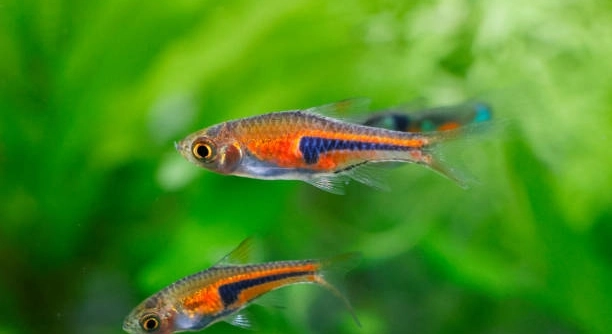
Rasboras are small, social fish known for their peaceful nature and active behavior in community tanks. When introducing new tankmates, they use subtle behaviors to assess compatibility. These fish rely on visual cues and gentle interactions to explore unfamiliar companions.
Rasboras investigate new tankmates by observing their movements and behaviors cautiously. They maintain a safe distance initially, using body language such as fin flicks and slight changes in swimming patterns to communicate and gather information before accepting new fish into their group.
Understanding how rasboras behave around new tankmates helps create a harmonious aquarium environment. This insight ensures better care and smooth integration for all your aquatic friends.
Visual Cues Rasboras Use to Assess New Tankmates
Rasboras rely heavily on visual signals when meeting new tankmates. They watch for signs of aggression or unusual behavior that might disturb their peaceful environment. Slow, steady movements and calm swimming patterns tend to reassure them. Bright colors or erratic darting may cause hesitation. Sometimes, they will circle around the newcomer or swim side by side, trying to learn if the new fish shares similar energy and temperament. These visual cues help rasboras decide if the newcomer is safe to join their group. This behavior also reduces the chance of conflict, allowing the tank to stay calm and balanced. Over time, rasboras become more comfortable as they recognize familiar body language, which helps build trust in the aquarium community. Observing these subtle interactions can help fish owners spot early signs of tension or acceptance in their tanks.
Rasboras depend mostly on calm, consistent movements to feel comfortable around new fish. Sudden or aggressive actions cause them to stay cautious longer.
Watching their behavior closely helps ensure smooth introductions and a peaceful tank environment.
Introducing New Tankmates Gradually
A slow, step-by-step introduction is key for rasboras to accept new companions. Placing new fish in a separate container within the tank allows rasboras to observe them without direct contact. This helps reduce stress for all fish involved. After several days of this visual introduction, a short, supervised release lets them interact gently. It’s important to watch for signs of aggression or extreme avoidance during this time. If rasboras respond calmly, it’s a good indicator the new fish can safely join the group. However, if stress signs appear, it might be necessary to separate the fish again. Using plants or decorations as hiding spots also provides a safe space for shy or cautious fish. Gradual acclimation minimizes conflict and helps all tankmates settle into their shared environment more peacefully.
By introducing new fish slowly, you reduce stress and create a more peaceful tank dynamic.
Patience and careful observation during this process make a big difference in long-term tank harmony.
How Rasboras Use Scent to Recognize Tankmates
Rasboras rely on their sense of smell to gather information about new tankmates. Chemical signals in the water help them identify familiar or unfamiliar fish. This sensory input works alongside visual cues to form a complete picture of the newcomer’s presence.
When new fish are introduced, rasboras detect chemical changes in the water that signal whether the fish belongs to their group. This helps reduce aggression and confusion. Familiar scents encourage acceptance, while unknown or strong odors can make rasboras cautious. Over time, these chemical signals help the fish establish a sense of community and safety within the tank. Monitoring water quality is also important because poor water can affect the ability of fish to sense these signals properly.
Understanding this sense of smell helps explain why new tankmates sometimes take time to be accepted. It’s a slow process that balances trust and caution.
Body Language Signals Among Rasboras
Rasboras communicate through subtle changes in body posture and fin movements. These signals indicate their mood and intentions when meeting new fish. For example, flared fins or quick darting can show excitement or nervousness.
Calm and relaxed postures signal comfort and willingness to interact. Rasboras often swim in coordinated groups to show unity and avoid threats. When they feel threatened, they may freeze or retreat to hiding spots. Watching these body language signs gives insight into how well new tankmates are being accepted. Stress or aggression can be spotted early by changes in these behaviors. Adjusting the tank setup or giving more time for introductions helps maintain peace.
These non-verbal cues are essential for rasboras to build trust and maintain social harmony. Paying attention to them helps create a balanced and happy aquarium environment.
Importance of Territory in Rasbora Behavior
Rasboras value having their own space within the tank. They use small territories to feel safe and reduce stress.
When new fish enter, rasboras may briefly defend these areas until they feel secure about sharing.
Signs of Acceptance Among Rasboras
Rasboras show acceptance by swimming closely together and sharing food without aggression. They also display relaxed fins and steady movements, signaling comfort around new tankmates.
Tips to Help Rasboras Adjust
Providing plenty of plants and hiding spots helps rasboras feel safe. A well-decorated tank reduces territorial disputes and encourages peaceful interaction.
Impact of Tank Size on Introductions
A larger tank allows rasboras more space to explore and avoid stress, making introductions smoother and reducing conflict risk.
FAQ
How long does it take for rasboras to accept new tankmates?
Rasboras usually take a few days to a week to get comfortable with new tankmates. This time allows them to observe and assess the newcomer’s behavior without feeling threatened. Gradual introductions and a calm environment help speed up this process, making acceptance smoother and safer.
What signs show rasboras are stressed by new fish?
Signs of stress include hiding more than usual, erratic swimming, or staying away from the group. Rasboras may also lose some color or stop eating when stressed. These behaviors indicate they feel unsafe or overwhelmed by the new tankmates and may need more time or space.
Can rasboras live with aggressive fish?
Rasboras prefer peaceful tankmates and do not do well with aggressive fish. Aggressive species can cause stress or injury, disrupting the tank’s harmony. It’s best to choose calm, similarly sized fish to ensure a peaceful environment for rasboras.
Is it necessary to quarantine new fish before adding them to a rasbora tank?
Yes, quarantining new fish helps prevent diseases and parasites from entering the tank. A quarantine period of two to four weeks allows for observation and treatment if needed. This step protects rasboras and other tankmates from health risks.
How important is water quality during new introductions?
Water quality is crucial when introducing new tankmates. Stable, clean water reduces stress and supports the immune system of all fish. Sudden changes or poor water conditions can cause illness and make acceptance harder for rasboras.
What tank setup helps rasboras feel comfortable with new fish?
A tank with plenty of plants, hiding spots, and open swimming areas helps rasboras feel secure. Dense vegetation offers cover, while open spaces let them explore safely. This balance reduces stress and encourages peaceful interactions.
Can rasboras recognize individual fish?
Rasboras can distinguish between familiar and unfamiliar fish through visual and chemical cues. This recognition helps them decide how to behave, whether to approach calmly or keep distance. Over time, they form social bonds with tankmates they recognize.
What should I do if rasboras reject new tankmates?
If rasboras reject new fish, separate them and try a slower introduction. Use a divider or place the new fish in a separate container inside the tank. Give more time for observation and reduce stressors like overcrowding or sudden movements.
Do rasboras show curiosity towards new tankmates?
Yes, rasboras are naturally curious. They often swim close to inspect newcomers without immediate aggression. This curiosity helps them gather information before deciding to accept or avoid the new fish.
How can I encourage peaceful behavior during introductions?
Keep the tank environment calm and stable. Avoid sudden changes, loud noises, or overcrowding. Use decorations to break sightlines and provide hiding spots. Feed fish well to reduce competition and observe closely to intervene if needed.
Are some rasbora species more social than others?
Yes, some species like the Harlequin Rasbora tend to be more social and tolerant. Others may be more shy or territorial. Knowing your specific rasbora species’ behavior helps plan introductions and tankmate choices better.
Is it normal for rasboras to chase new tankmates at first?
Chasing can happen as part of establishing social order but should not be aggressive or continuous. Brief chasing usually settles quickly if tank conditions are good. Persistent chasing may indicate stress or incompatibility.
How often should I monitor interactions after adding new fish?
Monitor interactions daily for at least two weeks after introduction. Early signs of stress or aggression are easier to address quickly. Continue to watch periodically to ensure long-term harmony in the tank.
Can lighting affect how rasboras interact with new tankmates?
Lighting influences fish behavior. Soft, natural lighting helps reduce stress and supports normal activity. Bright or harsh lighting may cause rasboras to hide or become tense, affecting their willingness to accept newcomers.
What is the best group size for rasboras to feel secure?
Rasboras feel safest in groups of six or more. A larger school provides social comfort and reduces stress. Keeping them in smaller numbers can lead to shyness or aggression when meeting new tankmates.
These answers cover common concerns about how rasboras investigate and accept new tankmates, helping ensure a smooth and peaceful community aquarium.
Rasboras are gentle and social fish that rely on a combination of behaviors to explore and accept new tankmates. Their process involves watching carefully, using their sense of smell, and paying attention to body language. These subtle actions help them feel safe in a shared environment. By understanding how rasboras interact with newcomers, fish owners can better support a peaceful community tank. Providing space, plenty of hiding spots, and a calm introduction period makes a big difference in how quickly these fish adapt to changes.
Introducing new tankmates to rasboras requires patience and attention. Rushing the process can lead to stress or aggression, which affects the health and happiness of all fish involved. It is important to observe the tank closely during the first days and weeks after adding new fish. Watch for signs of stress, such as hiding or unusual swimming, and be prepared to separate fish if needed. Taking small steps, like using a tank divider or gradually allowing contact, helps rasboras build trust at their own pace.
In the end, creating a harmonious aquarium with rasboras depends on respecting their natural behavior and needs. Ensuring good water quality, stable tank conditions, and choosing compatible species will support peaceful coexistence. When rasboras feel secure, they are more likely to accept new tankmates without trouble. This careful approach helps maintain a balanced environment where all fish can thrive together comfortably.

Hello,
If you enjoy the content that we create, please consider saying a "Thank You!" by leaving a tip.
Every little bit helps us continue crafting quality advice that supports the health, happiness, and well-being of pets around the world, for pets of all shapes, sizes, and species.
We really appreciate the kindness and support that you show us!