
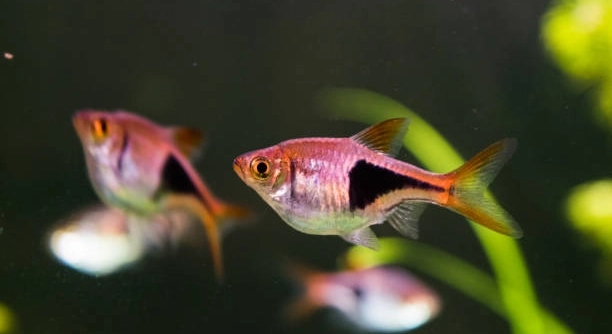
Do your rasboras behave differently when you switch on colored lights in their tank, leaving you puzzled about their sudden change?
Rasboras adjust to colored lighting through changes in behavior, stress response, and activity levels. Their sensitivity to light wavelengths influences how they perceive their environment, with some colors enhancing their natural colors and others affecting their comfort.
Exploring how light color impacts their behavior helps you create a more stable, peaceful habitat that supports their health and well-being.
Understanding How Rasboras React to Colored Lighting
Rasboras are sensitive to changes in lighting, and colored lights can influence their daily activity and stress levels. Blue and green lighting tend to create a calming effect, often encouraging more natural swimming behaviors. In contrast, red or white lighting may lead to increased movement or signs of agitation, especially if it’s too bright. These changes aren’t random—rasboras rely on light cues for feeding, rest, and social behavior. When the lighting shifts, so does their routine. Their delicate nature makes them more likely to react strongly, especially in smaller tanks where light exposure is more concentrated. Observing their behavior under different lights is essential if you want to make any adjustments. Once you notice a change—like erratic swimming or hiding—you’ll know the lighting is affecting them. Making careful lighting choices helps keep their environment stable and predictable, which ultimately supports both their behavior and long-term health.
Red or overly bright lighting can trigger mild stress behaviors, such as hiding or darting, especially in more timid rasbora species.
Blue or green lighting works better in most tanks. It’s easier on their eyes and enhances their natural coloring without overwhelming their senses. With calmer lighting, you’ll likely see more peaceful interactions and smoother swimming patterns.
Creating a Comfortable Lighting Setup
Soft, consistent lighting choices help rasboras feel more secure and reduce signs of stress or overactivity.
Avoid sudden shifts in light intensity, especially when switching between day and night cycles. Instead, use a dimmer or gradual light timer to simulate natural transitions. Rasboras respond well to setups that mimic natural daylight, particularly when light isn’t too intense or directly overhead. Choosing LED lights with adjustable color settings can give you more control over the tank environment. Limit red or white lighting to short display periods, if used at all. Also, consider how reflections and shadows from strong lights may startle them. Position the lighting to reduce harsh glare or quick contrast shifts. For best results, combine blue or green tones with natural décor like plants or driftwood, which further soften the visual field. This creates a calm, balanced space where your rasboras can swim, rest, and interact without constant disruption. When lighting feels stable, rasboras tend to settle into predictable and healthy routines.
Observing Behavioral Changes Under Different Lights
Rasboras may become more active or withdrawn depending on the lighting. Bright red or white lights can cause them to swim erratically or hide, while softer tones tend to bring out smoother, more relaxed swimming patterns.
Under blue lighting, rasboras often display steady, exploratory swimming. They tend to form tighter shoals and show more interest in tank surroundings. Green lighting produces a similar effect but may enhance plant contrast, encouraging them to explore planted areas. In contrast, intense white lighting can lead to overexposure and make them stay near shaded spots or tank corners. Red lighting sometimes increases activity at first but can quickly become overstimulating. These behaviors give clear signs of how comfortable they feel, making it easier to adjust lighting based on their response. Watching for sudden hiding, darting, or color fading helps gauge if a lighting change is too stressful or disruptive.
Some rasboras show clearer stress signs than others. Harlequin rasboras, for example, may react to bright colors faster than chili rasboras. Body language plays a key role—clamped fins, decreased shoaling, and reduced feeding often point to lighting discomfort. Tracking these changes regularly allows you to identify patterns, especially after switching bulbs or adjusting tank layout. Subtle shifts can make a big difference over time.
Matching Lighting to Natural Habits
Rasboras come from soft, dimly lit waters in Southeast Asia, so harsh or direct light often doesn’t match their natural comfort zones. Choosing light settings that reflect their native conditions helps reduce unnecessary stress.
In the wild, rasboras thrive in slow-moving streams shaded by dense foliage. Their habitats typically receive filtered sunlight that’s gentle and consistent throughout the day. Mimicking these conditions in a home tank supports their natural behaviors and overall health. A soft, cool-toned LED light, especially when diffused by floating plants, is usually ideal. It not only reduces the risk of overstimulation but also keeps their colors more vibrant. This kind of lighting helps encourage schooling behavior, smoother swimming, and regular feeding habits. Using timers to create a stable day-night rhythm gives them a sense of consistency. The closer you get to their natural environment, the more settled and content they’ll appear, especially in a well-planted, low-glare tank.
Choosing the Right Bulb Settings
Stick with adjustable LED lighting that allows you to fine-tune brightness and color temperature. These give you more control and help avoid sudden shifts that may affect your rasboras’ mood or behavior throughout the day.
Cool tones like blue and green work best for daily use. Avoid overly bright reds or stark white lights, especially during feeding or resting periods, as these can create overstimulation and lead to hiding or erratic swimming.
When to Make Adjustments
If your rasboras seem more restless or start hiding more often, try dimming the light or switching to a cooler color tone. Sudden changes in swimming behavior, reduced appetite, or fading color may signal lighting discomfort. Testing different settings over a few days helps identify what works best for your tank. Stable lighting routines reduce confusion, especially in tanks shared with other peaceful species. Even small adjustments—like moving a light fixture slightly or adding floating plants—can make your rasboras feel more at ease. Keep changes gradual to avoid stressing the entire tank.
Watching for Long-Term Effects
Monitor how your rasboras respond over time. Balanced lighting should support calm behavior, good coloration, and healthy interactions with tank mates.
How does colored lighting affect rasbora behavior?
Colored lighting changes how rasboras see their environment. Blue and green lights tend to calm them, encouraging natural swimming and shoaling behavior. Red or very bright white lights can make them more active or stressed, causing hiding or erratic movements. Their eyes are sensitive to different wavelengths, so lighting directly impacts their mood and comfort.
Can rasboras adapt to any type of colored lighting?
Rasboras can adjust to various lighting conditions but prefer colors that mimic their natural habitat. Sudden or extreme changes can cause stress. Over time, they may become accustomed to moderate shifts in lighting, especially if the changes follow a consistent day-night cycle. However, harsh or bright colors like intense red or white should be minimized. Gradual adjustments help ease adaptation.
Is colored lighting necessary for rasbora tanks?
Colored lighting is not required but can enhance the tank’s appearance and highlight rasboras’ colors. It also helps replicate natural conditions if chosen carefully. Blue or green tones promote healthier behavior, while wrong lighting may cause stress. So, lighting should support both aesthetics and fish welfare.
What type of lighting is best for rasboras?
Soft, cool-toned LED lights with adjustable brightness are best. Blue and green hues replicate shaded stream environments and reduce stress. Avoid overly bright or direct white lights, and limit red lighting use. Timers that simulate natural daylight cycles help maintain routine and reduce confusion.
Can colored lighting impact rasbora health?
Yes, lighting that is too bright or harsh can increase stress, weaken immune response, and reduce feeding. Comfortable lighting supports normal behavior and physiological functions. Proper lighting reduces risk of illness and promotes longevity.
How often should lighting be changed or adjusted?
Lighting should be consistent daily, ideally on a timer. Gradual seasonal changes can be mimicked if desired, but sudden shifts are stressful. Adjust only when observing negative behavior or after tank rearrangements. Keep changes slow and monitor responses.
Do all rasbora species react the same to colored lighting?
No, different species vary in sensitivity. Harlequin rasboras may show quicker stress signs under bright light, while chili rasboras can tolerate slightly brighter environments. Understanding your specific species’ natural habitat guides better lighting choices.
Can lighting affect rasbora coloration?
Yes, appropriate lighting enhances natural colors. Blue and green light tend to bring out vibrant hues, making rasboras look healthier and more attractive. Overly bright or wrong colored lights can wash out colors or cause fading over time.
What signs show rasboras are stressed by lighting?
Signs include hiding, clamped fins, erratic swimming, loss of appetite, and faded color. Increased aggression or unusual inactivity can also occur. These signals suggest the need to adjust light intensity or color.
Is it okay to use red lighting for rasboras?
Red lighting can be used sparingly but is generally not recommended as primary lighting. It can overstimulate or stress some rasbora species. Short periods under red light for display purposes are fine, but continuous exposure should be avoided.
How to create a lighting schedule for rasboras?
Use a timer to provide 8 to 10 hours of soft, cool lighting daily. Gradually increase light in the morning and dim it in the evening to mimic natural conditions. Consistency helps rasboras develop a healthy routine.
Should lighting be combined with tank decorations?
Yes, decorations like plants and driftwood diffuse light, creating shaded areas that rasboras appreciate. This reduces stress and simulates their natural habitat. Floating plants also soften light and provide hiding spots.
Can sudden lighting changes harm rasboras?
Sudden bright lights or switching colors quickly can startle and stress rasboras. Always make lighting changes gradually. Sudden shifts can cause behavioral problems or long-term stress.
Are natural sunlight and artificial lighting equally good?
Direct sunlight can cause overheating and algae growth, which harms the tank environment. Artificial lighting allows better control of intensity and duration, making it safer and more reliable for rasboras.
How to test if lighting is right for rasboras?
Observe their behavior daily. Calm swimming, active feeding, clear coloration, and shoaling indicate good lighting. Hiding, stress signs, or color fading suggest a need for adjustment. Adjust lighting incrementally based on these observations.
Finding the right lighting for rasboras is an important part of creating a comfortable aquarium environment. Rasboras are sensitive to changes in light, and the colors and intensity you choose can affect their behavior and well-being. Soft, cool tones like blue and green tend to work best because they mimic the shaded waters of their natural habitat. These colors help reduce stress and encourage natural swimming and social behavior. Bright or harsh lights, especially red or white, can make rasboras uncomfortable, leading to hiding or erratic movements. Paying attention to how your fish respond to different lighting setups helps you create a tank that feels safe and calm for them.
Adjusting lighting in your tank should be done carefully and gradually. Sudden changes in color or brightness can startle your rasboras and cause stress. Using a timer or dimmer can help simulate natural day and night cycles, which supports a healthy routine for your fish. Adding plants or decorations also softens light and provides shaded areas, further improving their comfort. Since different rasbora species may react differently, observing their behavior under varied lighting helps identify what works best. Signs like hiding, clamped fins, or fading colors indicate the need to change the lighting setup.
In the end, the goal is to balance aesthetics and the needs of your rasboras. Proper lighting not only shows off their natural beauty but also supports their health and happiness. A well-lit tank with stable, gentle lighting makes it easier for your rasboras to settle into natural behaviors and feel secure in their environment. By making thoughtful lighting choices and paying close attention to your fish’s reactions, you create a peaceful aquarium that benefits both the rasboras and the overall tank community.

Hello,
If you enjoy the content that we create, please consider saying a "Thank You!" by leaving a tip.
Every little bit helps us continue crafting quality advice that supports the health, happiness, and well-being of pets around the world, for pets of all shapes, sizes, and species.
We really appreciate the kindness and support that you show us!