
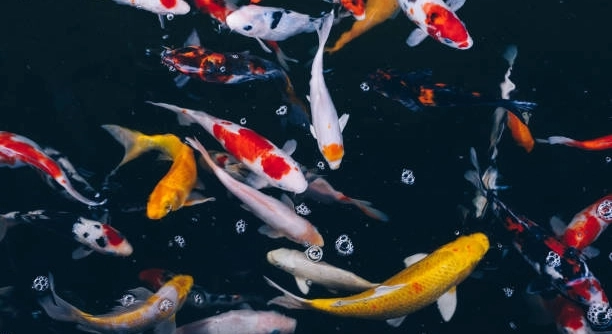
Keeping a koi pond clean is important for the health of the fish and the beauty of the water. Regular maintenance helps prevent dirt and debris from building up. Knowing when and how to vacuum your pond makes a big difference.
Vacuuming a koi pond should typically be done once every two to four weeks, depending on the pond’s size, the number of fish, and the amount of debris present. Regular cleaning prevents waste buildup and maintains water quality for healthy koi.
Understanding the right vacuuming routine helps keep your pond clear and your fish happy. This article will guide you through the best practices to maintain a clean, thriving koi pond.
Why Vacuuming Your Koi Pond Matters
Keeping a koi pond clean goes beyond just looking nice. Dirt, fish waste, and leftover food can settle at the bottom, creating sludge that harms water quality. Over time, this buildup can cause cloudy water and unhealthy conditions for your fish. Vacuuming helps remove these deposits and prevents harmful bacteria from growing. It also reduces algae growth by getting rid of organic matter that feeds it. When debris is left to accumulate, it can upset the pond’s balance, making it harder to maintain clear, healthy water. Regular vacuuming supports the natural filtration system, keeping it efficient. It also makes water testing and treatment easier since the water remains cleaner overall. By staying on top of vacuuming, you give your koi a safer and more comfortable environment to swim in.
Vacuuming also saves you effort in the long run by preventing major cleanups. A little regular care means fewer big problems later.
Cleaning regularly creates a healthy pond atmosphere that your koi will thrive in. A well-maintained pond looks inviting and stays clear, which makes spending time near it much more enjoyable.
How to Know When Your Pond Needs Vacuuming
Watching the water clarity is a good way to tell if vacuuming is needed. If the water looks cloudy or there’s visible debris at the bottom, it’s time to clean. You may also notice a bad smell or algae growth, which can signal excess waste. If fish are acting sluggish or hiding, poor water quality might be a cause. Testing water parameters regularly can show if ammonia or nitrite levels are rising, indicating a need for vacuuming. During heavy leaf fall or after feeding a lot, more frequent cleaning may be required. Observing your pond’s condition helps set a vacuuming schedule that suits your setup. Avoid vacuuming too often, as disturbing the pond can stress the fish and beneficial bacteria.
Keeping an eye on water clarity and fish behavior helps maintain a proper cleaning routine.
When deciding how often to vacuum, consider seasonal changes and the amount of organic debris entering the pond. In spring and fall, extra care might be needed due to leaf drop. During summer, algae can grow faster, requiring attention as well. Some ponds with fewer fish and good filtration need less frequent vacuuming, while larger ponds or those with many koi may require weekly care. Using a quality pond vacuum designed for koi ponds makes the process easier and less stressful for the fish. It’s best to vacuum slowly and avoid stirring up too much sediment at once. Cleaning filters and skimmers alongside vacuuming also supports overall water health. By balancing vacuuming with other maintenance tasks, you keep your pond in great shape year-round.
Choosing the Right Vacuum for Your Koi Pond
A good pond vacuum makes cleaning easier and safer for your fish. Look for one designed specifically for ponds or aquariums to avoid harming koi or plants. Avoid vacuums that stir up too much sediment or damage beneficial bacteria. Consider the vacuum’s size and power based on your pond’s depth and area. A lightweight and easy-to-maneuver vacuum will save time and effort during cleaning.
Electric vacuums are efficient for larger ponds, but manual ones offer more control and are often gentler on the pond environment. Battery-operated models provide convenience without cords getting in the way.
Using the right vacuum also means less disturbance to the fish and plants. A vacuum with adjustable suction lets you clean gently without stressing koi. Make sure to clean your vacuum regularly to maintain performance and prevent spreading debris back into the water.
Best Practices for Vacuuming Your Koi Pond
Vacuum slowly and carefully to avoid stirring up the pond too much. Start at the edges and work your way toward the center, focusing on areas with visible debris. Avoid rushing, as moving the vacuum too fast can cloud the water and stress fish. Try to vacuum when fish are less active, usually in cooler parts of the day or during feeding breaks. Don’t vacuum too deeply near plants or delicate areas to protect roots and beneficial bacteria. Remove as much debris as possible, but leave some sludge if it doesn’t harm water quality, as it helps maintain the pond’s natural balance.
Empty the vacuum’s collection container regularly to prevent waste from falling back into the pond. After vacuuming, test water quality and top off evaporated water if needed. Combine vacuuming with regular filter cleaning and water changes to keep conditions stable. Consistency and care in your approach will help your koi stay healthy and your pond remain clear all year round.
Timing Your Vacuuming Sessions
Vacuum your koi pond during the cooler parts of the day, such as early morning or late afternoon. This reduces stress on the fish and limits the risk of sudden temperature changes caused by stirring the water. Avoid vacuuming in the heat of midday.
Try to schedule vacuuming when fish are less active or after feeding times. This keeps the fish calm and makes cleaning easier. Consistency in timing helps maintain a healthy routine for your pond.
Avoiding Common Vacuuming Mistakes
Vacuuming too often can disrupt beneficial bacteria and stress koi. Don’t remove all the sludge at once; some organic material helps maintain a balanced pond ecosystem. Also, avoid stirring up too much sediment, which can cloud the water and cause oxygen depletion.
Use gentle, slow movements with your vacuum to protect fish and plants. Over-cleaning or rough handling can do more harm than good.
Cleaning Your Vacuum Equipment
Rinse your vacuum thoroughly after each use to remove debris and prevent blockages. Store it in a dry place to avoid damage. Regular maintenance keeps the vacuum working efficiently and extends its lifespan.
Signs You Need to Vacuum More Often
If you notice persistent cloudy water, foul odors, or increased algae growth, your pond likely needs more frequent vacuuming. Fish behavior changes, like sluggishness or hiding, also indicate water quality issues requiring attention.
FAQ
How often should I vacuum my koi pond during different seasons?
Vacuuming frequency varies with the seasons. In spring and fall, when leaves and debris are more common, vacuuming every one to two weeks is usually necessary. Summer may require less frequent cleaning, about once every three to four weeks, depending on algae growth and fish activity. Winter often needs the least vacuuming since fish are less active and organic waste slows down.
Can vacuuming harm my koi fish?
Vacuuming done carefully should not harm koi. Using a gentle suction setting and moving the vacuum slowly helps avoid stressing the fish. It’s best to vacuum when fish are less active, such as early morning or late afternoon. Avoid vacuuming too close to fish or plants to prevent accidental injury.
Is it okay to vacuum around aquatic plants?
Vacuuming near plants should be done with caution. Avoid digging into the soil around roots, which can damage the plants and release excess nutrients that promote algae growth. Use a light touch around plant areas, and if possible, vacuum mainly open areas where debris accumulates.
What type of vacuum is best for a koi pond?
A vacuum designed specifically for ponds or aquariums works best. These are gentle enough to protect fish and plants while powerful enough to remove sludge. Manual pond vacuums give more control, but electric or battery-powered models can save time in larger ponds. Look for adjustable suction features and ease of use.
How do I maintain my pond vacuum?
Rinse the vacuum after each use to clear debris and prevent clogs. Check hoses and attachments regularly for damage or buildup. Store the vacuum in a dry place to prevent wear from moisture. Regular maintenance ensures smooth operation and extends the life of your equipment.
What if my pond water stays cloudy after vacuuming?
Cloudy water after vacuuming is usually caused by stirred-up sediment. Let the pond settle for a day or two; filtration and natural settling will clear the water. If cloudiness persists, check your filtration system and water quality parameters. Excessive organic waste or algae may also require additional treatments.
Can vacuuming replace regular water changes?
Vacuuming removes debris from the pond bottom but doesn’t replace water changes. Regular partial water changes are still necessary to dilute toxins and keep water fresh. Vacuuming helps reduce waste buildup, making water changes more effective and less frequent.
How long does a typical vacuuming session take?
The length of time depends on pond size and debris amount. Small ponds can take 20 to 30 minutes, while larger ponds may take an hour or more. Taking your time and vacuuming carefully is better than rushing, as it reduces stress on fish and helps remove more debris.
Is it safe to vacuum when koi are spawning?
Vacuuming during spawning can stress the fish and disturb eggs. It’s best to avoid vacuuming during this time or do it very gently if necessary. After spawning, remove debris carefully to protect the new fry and maintain good water quality.
Should I vacuum if I have a strong filtration system?
Even with a strong filter, vacuuming is important. Filters handle water cleaning but can’t remove all settled sludge. Vacuuming prevents organic buildup that filters may miss, supporting a balanced pond environment and prolonging filter life.
Can vacuuming help control algae growth?
Vacuuming removes organic waste that feeds algae, so it indirectly helps control algae growth. However, vacuuming alone won’t stop algae if nutrient levels remain high. Combine vacuuming with proper filtration, shading, and water treatments for the best results.
What safety tips should I follow when vacuuming?
Always unplug electric vacuums before cleaning or adjusting. Use a GFCI outlet to reduce electric shock risk. Avoid vacuuming in heavy rain or storms. Handle hoses and equipment carefully to prevent damage, and wash your hands after working in the pond to avoid bacteria exposure.
Can I vacuum my koi pond during winter?
Vacuuming during winter is usually minimal. Since koi are less active and organic waste decomposes slowly, vacuuming can often be skipped. If debris buildup is significant, a light vacuuming in warmer parts of the day may be needed, but avoid disturbing the pond too much during cold months.
How do I prevent debris from accumulating in my pond?
Using pond nets during fall can reduce leaves entering the water. Feeding fish only what they can eat quickly helps prevent leftover food waste. Regularly cleaning filters and skimmers supports water quality and reduces debris buildup, making vacuuming less frequent and easier.
These answers cover the most common questions about vacuuming koi ponds, helping maintain a healthy environment and clear water for your fish.
Vacuuming a koi pond is an important part of keeping it clean and healthy. Regular vacuuming helps remove fish waste, leftover food, and other debris that settle at the bottom. These materials can cause water to become cloudy and unhealthy if they are left for too long. By vacuuming on a consistent schedule, you support good water quality and make the pond environment safer for your koi. It is important to pay attention to the size of your pond, how many fish you have, and the season, as these factors affect how often you need to vacuum. Sticking to a routine that fits your specific pond will save you time and effort in the long run.
Using the right tools and techniques can make vacuuming easier and more effective. Choose a vacuum designed for ponds that is gentle on fish and plants but strong enough to remove sludge. When vacuuming, work slowly and carefully to avoid stirring up too much sediment or disturbing your koi. It helps to vacuum during cooler parts of the day when the fish are less active. Also, avoid vacuuming near delicate plants or fish spawn to prevent damage. Taking these small steps protects your pond’s balance and keeps the fish comfortable. Regular cleaning combined with vacuuming creates a stable environment where your koi can thrive.
Finally, vacuuming is only one part of good pond care. Along with vacuuming, you should clean filters, monitor water quality, and perform regular partial water changes. Keeping debris out by using nets or feeding fish the right amount of food also reduces the need for frequent vacuuming. Paying attention to your pond’s condition and adjusting care as needed will help maintain clear water and healthy fish year-round. A well-maintained koi pond is a beautiful and peaceful place, and regular vacuuming plays a key role in achieving that balance.

Hello,
If you enjoy the content that we create, please consider saying a "Thank You!" by leaving a tip.
Every little bit helps us continue crafting quality advice that supports the health, happiness, and well-being of pets around the world, for pets of all shapes, sizes, and species.
We really appreciate the kindness and support that you show us!