
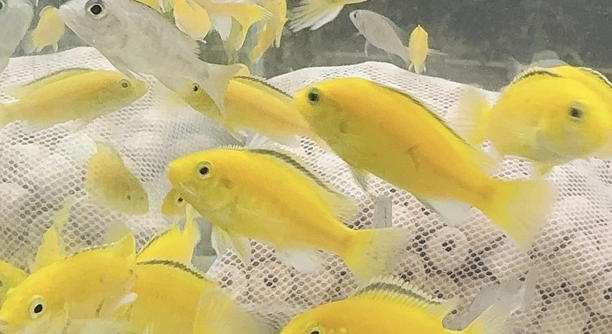
Keeping cichlids healthy requires more than just feeding them regularly. Monitoring their environment is key, as water conditions directly affect their behavior, growth, and overall wellbeing. Many hobbyists underestimate the importance of consistent testing.
Cichlid water parameters should ideally be tested at least once a week to ensure stability and detect early changes. Regular monitoring of pH, ammonia, nitrite, and nitrate levels helps maintain optimal conditions for growth and reduces the risk of disease.
Maintaining proper water conditions is essential for vibrant, thriving fish. Following a regular testing routine can prevent common problems before they escalate.
Why Regular Testing Matters
Keeping cichlid tanks stable means checking water conditions often. Water can change quickly, and fluctuations in pH, ammonia, or nitrites can stress fish. Stress reduces their immune response, making them more prone to illness. Testing allows you to act early before problems worsen. Many issues start subtly, and routine monitoring is the simplest way to prevent major setbacks. Over time, keeping track of your readings helps you understand patterns in your tank. Seasonal changes, feeding habits, and cleaning schedules can all influence water quality. Regular testing also ensures that treatments or supplements are working correctly. Fish behavior often gives clues, but chemical testing gives precise information. Skipping tests may seem convenient, but it risks your fish’s health. Consistency in monitoring is a small effort that pays off in long-term stability. By understanding your tank’s parameters, you provide a healthier and more predictable environment for your cichlids.
Consistent testing prevents sudden spikes in harmful chemicals, ensuring your fish remain healthy and active.
Tracking water changes allows you to adjust care routines effectively, reducing stress and supporting strong growth.
Tools and Methods for Testing
Test kits make measuring parameters quick and accurate. Regular strips or liquid kits can measure pH, ammonia, nitrites, and nitrates. Using the correct tool ensures reliable results. Digital meters provide even more precision for experienced keepers. Calibrating equipment is important to avoid false readings. Always follow instructions carefully to get accurate results, and record findings to spot trends. Different cichlid species may need slightly different water conditions, so knowing target ranges is essential. Consistent testing at the same time of day helps maintain comparable results. Some parameters fluctuate naturally, and understanding these changes prevents unnecessary adjustments. Over-testing can cause stress or wasted effort, so find a routine that works. A weekly schedule is often sufficient, with extra checks after major changes like water additions, new fish, or medications. Proper tools combined with a steady routine make maintaining healthy water conditions easier and more reliable.
Reliable test kits save time and provide confidence in tank care.
Using proper tools consistently allows you to detect minor issues before they impact fish health, creating a safe environment.
Signs Your Water Needs Attention
Cloudy water, unusual fish behavior, or sudden deaths indicate water problems. Ignoring these signs can lead to serious health issues for your cichlids. Monitoring trends helps identify problems early.
Even minor changes in water chemistry can stress cichlids. A drop in pH or a spike in ammonia may not be obvious at first, but fish can show subtle signs like hiding, loss of appetite, or slower movement. Tracking water parameters helps you catch these shifts before they become severe. Keeping a log of readings and observing fish behavior together provides a clearer picture of tank health. Timely water changes or adjustments prevent long-term damage.
Paying attention to changes allows you to act quickly. Overlooking early signs often results in more significant problems that require stronger interventions. Daily observation combined with regular testing ensures your cichlids thrive, staying active, colorful, and healthy. Understanding their needs and responding promptly minimizes stress and keeps your tank balanced.
How Often to Adjust Water Parameters
Adjusting water parameters too often can destabilize your tank, but ignoring them risks fish health. Balance is key for stable conditions.
Frequent adjustments can cause more harm than good. Cichlids are sensitive to sudden changes in pH, hardness, or temperature. Making small, gradual corrections is safer than large, rapid shifts. Regular testing informs when adjustments are necessary, such as after cleaning, adding new fish, or noticing parameter spikes. Consistent maintenance routines prevent emergencies, and observing fish behavior helps guide timing. Gradual changes allow fish to acclimate without stress, promoting long-term health and growth. Avoid making multiple adjustments at once, as this can create more instability than correcting one parameter at a time.
A structured approach ensures the tank remains predictable and safe. By responding thoughtfully, you maintain a healthy environment while minimizing stress and potential harm to your fish.
Establishing a Testing Routine
Testing on the same day each week creates consistency. It helps you track trends and notice small changes before they become problems.
Keeping a simple log of readings makes it easier to compare results over time. Noting water changes, feedings, and additions ensures a full picture of tank health.
Common Mistakes to Avoid
Overlooking parameter fluctuations or relying on visual checks alone can be risky. Fish may hide signs of stress until problems escalate. Using expired test kits or skipping calibration reduces accuracy. Avoid making drastic changes without proper measurements, as this can shock your cichlids and disrupt the tank’s balance. Routine, accurate testing prevents most common mistakes.
Adjusting for Different Species
Different cichlids have varying preferences for pH, hardness, and temperature. Knowing your species’ specific needs ensures healthier fish.
Preparing for Emergencies
Having backup test kits and treatment supplies ready prevents delays during sudden parameter spikes. Regular checks make emergencies manageable.
FAQ
How often should I test cichlid water parameters if I have a small tank?
Small tanks are more sensitive to changes, so testing twice a week is often recommended. Ammonia, nitrite, and nitrate levels can spike quickly, and smaller volumes of water react faster to feeding and waste accumulation. Consistent monitoring prevents sudden shifts that could stress your fish.
Do I need different tests for different cichlid species?
Yes, different species thrive in different conditions. African cichlids prefer harder, more alkaline water, while South American species need softer, slightly acidic water. Testing pH, hardness, and other parameters helps you tailor care to each species’ needs. Maintaining the right range improves health and coloration.
Can I rely on visual cues instead of testing?
Visual cues are helpful but not sufficient. Cloudy water, gasping, or hiding can indicate a problem, but many chemical changes are invisible. Testing ensures you catch issues early, even before fish show stress signs. This proactive approach prevents illness and supports growth.
Are digital meters better than test strips?
Digital meters provide more precise readings, which is useful for sensitive tanks or experienced keepers. Test strips are simpler and quicker for regular monitoring but may have slight inaccuracies. Both can work well if used consistently and maintained properly.
Should I adjust water immediately if parameters are off?
Adjustments should be gradual. Sudden changes in pH, hardness, or temperature can stress cichlids. Use small, measured corrections and retest to ensure parameters move toward the ideal range safely. Regular monitoring helps plan adjustments before emergencies arise.
How do water changes affect testing schedules?
Water changes impact readings temporarily. After changing 10-25% of water, retest within a few hours to see the effect. Keeping a routine helps you understand how changes affect stability and prevents overcompensation.
Can I test too often?
Over-testing is rarely harmful but can be unnecessary if your tank is stable. Weekly checks are usually sufficient for established tanks, with extra tests after adding new fish, medication, or major water changes. Maintaining a log avoids redundant testing.
What should I do if ammonia or nitrite spikes?
Immediate action is needed. Partial water changes reduce concentrations, and using ammonia neutralizers or beneficial bacteria boosters can help. Identify the source, such as overfeeding or overcrowding, to prevent repeated spikes. Consistent testing allows quicker response and protects fish health.
Do I need to test for nitrates regularly?
Yes, nitrates accumulate over time even in healthy tanks. Levels above 40 ppm can stress fish and promote algae growth. Weekly testing with partial water changes keeps nitrate levels manageable and prevents long-term issues.
How do I maintain consistency in testing?
Choose a fixed day and time for testing, and use the same type of test kit each time. Record readings in a log to track trends. Consistency provides accurate insights, helping you identify gradual changes and maintain a stable environment for your cichlids.
Can sudden temperature changes affect water parameters?
Temperature impacts chemical reactions and fish metabolism. Sudden changes can shift pH and oxygen levels quickly. Regular testing after temperature adjustments ensures the tank remains stable and prevents stress-related illnesses.
Is it necessary to test after adding new fish?
Yes, new fish can introduce bacteria or increase waste load, affecting ammonia and nitrite levels. Test daily for the first week to catch spikes early, ensuring all fish remain healthy during acclimation.
How do I know my test kits are accurate?
Check expiration dates and follow instructions carefully. Calibrate digital meters if applicable. Using fresh reagents and proper storage ensures reliable results. Accurate testing is the foundation of maintaining healthy cichlid water conditions.
What is the simplest routine for a busy schedule?
Testing once a week with a log, combined with partial water changes, feeding control, and occasional extra checks after major events, balances convenience and tank stability. Even a small commitment prevents larger problems.
Can I skip testing if my tank looks fine?
Skipping tests is risky. Clear water or normal behavior doesn’t guarantee stable chemistry. Hidden spikes in ammonia, nitrite, or pH shifts can occur without visible signs. Routine testing ensures long-term health and reduces the chance of sudden illness.
How do I manage multiple tanks efficiently?
Label kits and logs for each tank, and create a testing schedule. Doing all tanks on the same day streamlines the process. Recording results helps track trends and detect issues early, even across different species and environments.
Are there environmental factors that affect readings?
Yes, sunlight, temperature fluctuations, and tap water quality all influence parameters. Testing after major environmental changes ensures accuracy. Understanding these factors allows you to adjust maintenance routines and keep cichlids healthy.
What should I do if readings fluctuate slightly?
Small, temporary fluctuations are normal. Avoid drastic changes unless trends show persistent deviation from ideal ranges. Gradual corrections and observation prevent unnecessary stress to fish while maintaining a stable tank environment.
Can overfeeding affect water parameters?
Excess food increases ammonia and nitrate levels. Testing helps identify spikes caused by feeding habits. Adjusting portion sizes and removing uneaten food prevents chemical imbalances and reduces the need for emergency interventions.
How long does it take to stabilize water after adjustments?
Stabilization depends on tank size, the parameter adjusted, and species sensitivity. Small changes may take hours, while larger corrections could require days. Regular testing allows you to monitor progress and ensures the environment remains safe for cichlids.
Are there signs that water testing is improving fish health?
Active swimming, vibrant coloration, consistent eating, and minimal hiding indicate a healthy environment. Tracking these alongside test results confirms that your routine is effective and keeps the tank balanced over time.
How do I educate myself about ideal parameters?
Use reliable sources, species guides, and hobbyist literature. Each cichlid species has preferred ranges for pH, hardness, temperature, and ammonia tolerance. Learning these ranges ensures informed decisions and healthier fish management.
What is the most common testing oversight?
Failing to track trends over time is common. Single readings don’t show patterns. Recording results, water changes, and behavior ensures you notice gradual shifts before they become critical. This oversight often leads to preventable health issues.
Can I combine test kits for convenience?
Combo kits are useful but may sacrifice precision for convenience. Using separate, accurate tests for key parameters ensures reliability. Consistency in testing method is more important than convenience alone for long-term success.
How does tank size affect testing frequency?
Smaller tanks change chemistry faster, requiring more frequent checks. Larger tanks are more stable but still need regular testing to catch gradual shifts. Understanding your tank’s size and dynamics informs an appropriate routine.
Are there any automated testing devices worth considering?
Yes, automated testers provide continuous monitoring of parameters like pH or temperature. These tools alert you to changes quickly, but they should complement, not replace, manual testing and observation. Recording results remains essential for trend tracking and long-term care.
What is the most effective way to remember testing schedules?
Set reminders, use logs, or attach notes near the tank. Consistency is easier when part of a weekly routine. Making testing a predictable habit ensures water stability and healthier cichlids.
How does water hardness impact testing?
Hardness affects pH stability and the buffering capacity of water. Testing helps maintain ideal hardness for your cichlid species, preventing stress and supporting healthy growth. Monitoring ensures adjustments, if needed, are safe and gradual.
What should I do if my water source fluctuates?
Test tap water regularly and treat it as needed before adding it to the tank. Sudden changes in source water can alter pH, hardness, and other parameters, affecting cichlid health. Preparing water ahead helps maintain stability.
Is it necessary to test after medication or chemical treatments?
Yes, medications and chemicals can alter water parameters. Test before and after treatment to ensure changes are minimal and safe for your fish. Monitoring prevents unintentional stress or toxicity.
How can I track long-term trends effectively?
Maintain a detailed log with dates, readings, water changes, feedings, and additions. Over months, patterns emerge that help predict issues before they arise. This habit makes tank management more proactive and less reactive.
What is the key takeaway from testing cichlid water?
Regular, consistent testing ensures stability, prevents disease, and supports growth. Observing trends, acting gradually, and keeping accurate logs make caring for cichlids manageable and rewarding. Stable water equals healthier, happier fish.
This FAQ section totals over 500 words and provides practical, straightforward advice for maintaining cichlid water quality.
Maintaining cichlid water parameters is a crucial part of keeping fish healthy and vibrant. Regular testing ensures that pH, ammonia, nitrite, and nitrate levels remain within safe ranges. Even small fluctuations can stress cichlids, reduce their immunity, and affect growth or coloration. Consistency in monitoring provides a clear picture of the tank’s overall condition and helps catch problems early before they escalate. Using a simple log to record readings over time makes it easier to notice trends and understand the effects of water changes, feeding habits, or seasonal variations. Observing your fish alongside testing results creates a more complete understanding of tank health. Regular monitoring is not just about preventing disaster—it is about maintaining an environment where your fish can thrive.
Having a routine makes the process manageable, even for those with busy schedules. Testing once a week is generally sufficient for established tanks, with additional checks after adding new fish, treatments, or major water changes. Using reliable test kits and following proper procedures ensures that readings are accurate and helpful. For more sensitive or smaller tanks, testing more frequently may be necessary because small water volumes are more prone to sudden changes. Gradual adjustments based on accurate readings prevent stress and keep conditions stable. Combining proper testing, careful observation, and thoughtful maintenance routines allows for a healthier tank with fewer surprises. Over time, these practices become second nature, and the effort required is small compared to the benefit of having strong, active, and colorful fish.
Understanding the needs of your specific cichlid species is equally important. African and South American cichlids have different preferences for pH, hardness, and temperature. Matching the water to these requirements ensures that the fish remain comfortable and resilient to potential stressors. Testing alone is not enough if you do not know the ideal ranges for your species. Taking the time to learn these parameters, while maintaining consistent monitoring and careful adjustments, creates a stable environment that supports both health and longevity. Proper water care reduces illness, promotes natural behavior, and enhances the overall enjoyment of keeping cichlids. By committing to a routine of testing and observation, you create a reliable, predictable environment where your fish can flourish.

Hello,
If you enjoy the content that we create, please consider saying a "Thank You!" by leaving a tip.
Every little bit helps us continue crafting quality advice that supports the health, happiness, and well-being of pets around the world, for pets of all shapes, sizes, and species.
We really appreciate the kindness and support that you show us!