
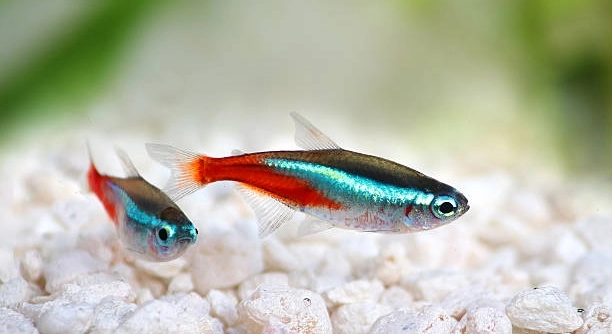
Many fish owners want to provide the best care for their tetras but sometimes feel unsure about feeding schedules. Knowing the right amount and frequency of feeding helps keep these colorful fish healthy and happy. This guide offers clear, simple advice.
Tetras should generally be fed small amounts once or twice daily, giving only what they can eat in about two minutes. Overfeeding can lead to poor water quality and health issues, so portion control is essential for their well-being.
Understanding how often and how much to feed your tetras will improve their health and prevent common problems in your aquarium. Let’s explore the best practices for feeding these popular fish.
How Much Should You Feed Your Tetra?
Feeding the right amount of food is important for your tetra’s health. Too much food can pollute the water, causing stress and illness. On the other hand, too little food can make your fish weak and less active. A good rule is to give them only what they can eat in two minutes. This usually means a few flakes or small pellets per feeding. Observe your fish while feeding to make sure they finish the food quickly. Remove any leftovers to keep the tank clean. Feeding small portions multiple times a day is better than one large meal. This keeps your tetra’s digestion smooth and prevents water quality issues. If you notice uneaten food sinking to the bottom, reduce the amount next time. Balancing the quantity of food with the size and number of your tetras will keep your tank healthy and your fish thriving.
Avoid feeding your tetra too much at once. Overfeeding causes water problems and health risks.
Small, controlled feedings ensure your tetras stay healthy and your aquarium remains clean. Watch your fish carefully to adjust feeding amounts as needed.
Best Types of Food for Tetras
Tetras eat a variety of foods including flakes, pellets, and frozen or live treats. Flakes and pellets are convenient and provide balanced nutrition. Frozen foods like bloodworms or brine shrimp add protein and variety. Live foods help stimulate natural hunting behavior and improve health. Choosing high-quality food made for small tropical fish ensures your tetras get the vitamins and minerals they need. Avoid foods that are too large or hard for their small mouths. Rotate different types of food to keep your tetras interested and well-fed. Variety helps prevent dietary deficiencies and keeps your fish active. Pay attention to how your tetras react to different foods and adjust accordingly. Using a mix of commercial and occasional live or frozen foods will support their overall well-being. Consistency and quality in their diet go a long way toward maintaining bright colors and lively behavior.
Feeding Frequency Tips
Feeding tetras once or twice a day is usually enough. Overfeeding can harm their health and water quality.
Feeding frequency depends on the age and activity of your tetras. Younger or more active fish may need two small meals daily, while adult tetras often do well with one. Keep feedings consistent to establish a routine. Avoid feeding late at night since leftover food can decay and pollute the tank. When starting a new feeding schedule, observe how your tetras respond and adjust portions accordingly. Regular feeding times help reduce stress and encourage healthy behavior.
It’s important to avoid overfeeding by sticking to small, controlled amounts. Uneaten food should be removed quickly to maintain water quality. Using a timer or alarm can help remind you to feed at consistent times, ensuring your tetras stay on a healthy routine.
Signs of Overfeeding
Overfeeding tetras can cause visible signs like bloating, sluggishness, and poor water clarity. Uneaten food may cloud the water and increase algae growth. Fish might swim less or hide more when their tank is overcrowded with waste.
If you notice these signs, reduce feeding amounts immediately. Overfeeding leads to excess waste, increasing toxins like ammonia and nitrites. This affects the entire tank’s balance, making it harder for your tetras to stay healthy. Regular water changes and tank cleaning help, but prevention through proper feeding is key. Adjust food portions and frequency based on your fish’s behavior and tank conditions to avoid these issues.
Feeding Tetras in a Community Tank
Feeding tetras in a community tank requires careful portion control to avoid competition. Different species may eat at different speeds, so observe carefully.
Providing multiple feeding spots helps reduce aggression and ensures all fish get food. Adjust portions based on the needs of all tank inhabitants.
How to Avoid Overfeeding
To avoid overfeeding, measure food carefully before feeding. Use a small spoon or feeding tool for accuracy. Feed only what your tetras can consume within two minutes. Remove any leftover food promptly to keep the water clean and healthy.
Feeding Tips for Baby Tetras
Baby tetras need more frequent feedings of finely crushed flakes or liquid food to support growth.
Regular feeding helps young tetras develop strong immune systems and stay active.
FAQ
How often should I feed my tetra?
Feeding your tetra once or twice a day is enough for most cases. Offer small amounts that they can eat in about two minutes. This prevents leftover food that can harm water quality. Younger tetras or those that are very active might need two feedings daily, while adult fish usually do well with just one.
What happens if I overfeed my tetras?
Overfeeding causes uneaten food to settle in the tank, which can pollute the water and raise harmful toxin levels. This can lead to poor fish health, including bloating and sluggishness. Overfeeding can also promote algae growth, making your tank harder to maintain. It’s important to remove leftover food quickly to keep the water clean.
Can I feed my tetra the same food every day?
While tetras can eat the same type of flakes or pellets daily, offering a variety of foods is better. Including frozen or live foods like brine shrimp or bloodworms adds nutrients and keeps your fish interested. Variety in diet supports better health, stronger colors, and natural behaviors.
Is it okay to skip a feeding?
Occasionally missing a feeding is usually not harmful. Tetras can survive short periods without food. In fact, some fishkeepers recommend fasting one day a week to help clear their digestive systems. However, consistent feeding is important to keep them healthy and active.
How do I know if my tetra is getting enough food?
Healthy tetras are active, bright in color, and swim around the tank eagerly during feeding times. If your fish seem weak or their colors fade, they may need more food or a diet with better nutrition. Watch how quickly they finish their food; if they finish immediately and seem hungry, increase the amount slightly.
What types of food are best for tetras?
High-quality flakes and pellets made for small tropical fish are great staple foods. Supplementing with frozen or live foods like bloodworms, daphnia, or brine shrimp adds protein and variety. Avoid foods that are too large or hard for their small mouths to prevent choking or waste.
How much food is too much?
Only feed what your tetras can eat in two minutes. If food remains after this time, it’s too much. Feeding small amounts multiple times a day is better than giving a large meal once. Leftover food can pollute the tank and cause health issues.
Can feeding schedules vary depending on the tank setup?
Yes, factors like tank size, filtration, and the number of fish affect feeding. Smaller tanks or crowded tanks need more careful feeding to avoid water quality problems. Strong filtration helps but doesn’t replace good feeding habits. Always tailor feeding to your specific tank conditions.
Should I adjust feeding if my tetras are breeding?
Breeding tetras often need extra nutrition. Increasing feeding frequency to twice a day with a diet richer in protein can support healthy eggs and fry. Make sure to remove leftover food quickly to keep water clean and safe for the young fish.
Are there any signs my tetras are hungry?
Active swimming near the surface or coming quickly to feed are good signs your tetras are hungry. They may also nip at plants or tank decorations if food is scarce. Consistent behavior changes can help you adjust feeding amounts.
Is it better to feed pellets or flakes?
Both pellets and flakes work well. Pellets often sink slower and may be easier for tetras to eat. Flakes can float but might break apart quickly. Use what your fish prefer and what fits your feeding routine best. Switching between both can add variety.
How do I store fish food properly?
Keep fish food in a cool, dry place away from sunlight. Seal packages tightly to maintain freshness and prevent moisture. Proper storage preserves nutrients and prevents mold or spoilage that can harm your fish.
Can I feed my tetras human food?
It’s best to avoid feeding human food to tetras. Many foods contain harmful ingredients or are too large and oily for fish. Stick to food made specifically for tropical fish to ensure balanced nutrition and avoid health risks.
How long can I leave fish food in the tank?
Food should not be left in the tank for more than two minutes. Uneaten food breaks down and pollutes the water, which can cause illness. Remove leftover food with a net or siphon after feeding to keep the tank clean.
Do tetras need vitamins or supplements?
High-quality commercial foods usually contain enough vitamins and minerals. If you notice dull colors or poor health, supplements might help, but only after checking water quality and feeding habits. Always use supplements recommended for tropical fish.
Can tetras eat algae or plants?
Tetras are mainly omnivores and prefer animal-based foods. They might nibble on soft plants or algae, but this shouldn’t replace their main diet. Including some algae wafers occasionally is okay, but rely on flakes, pellets, and protein-rich foods as their primary nutrition.
Feeding tetras properly is one of the most important parts of keeping them healthy and happy. Knowing how much and how often to feed helps prevent common problems like overfeeding and poor water quality. It’s best to feed small amounts once or twice a day, giving only what they can eat in about two minutes. This keeps the tank clean and the fish active. Watching your tetras during feeding times will help you learn their habits and adjust the feeding amount as needed. It may take some time to find the right balance, but consistency is key.
Choosing the right food is also essential. High-quality flakes and pellets made for small tropical fish provide good nutrition for tetras. Adding variety with frozen or live foods like brine shrimp or bloodworms will support their natural behavior and improve their health. A mixed diet helps your tetras stay colorful and energetic. Be careful to avoid foods that are too large or that could pollute the tank if left uneaten. Always remove leftover food to keep the water safe and clear. Feeding tetras is not just about quantity but also about quality and care.
Finally, every aquarium is different, so you might need to adjust feeding based on your tank size, number of fish, and filtration system. Younger tetras or breeding fish may require more frequent feedings, while adult fish often do well with less. Regular observation and small adjustments make a big difference. When done right, feeding becomes a simple routine that helps your tetras live a long and healthy life. Taking the time to understand their needs will make your aquarium a better place for them and a joy for you to watch.

Hello,
If you enjoy the content that we create, please consider saying a "Thank You!" by leaving a tip.
Every little bit helps us continue crafting quality advice that supports the health, happiness, and well-being of pets around the world, for pets of all shapes, sizes, and species.
We really appreciate the kindness and support that you show us!