
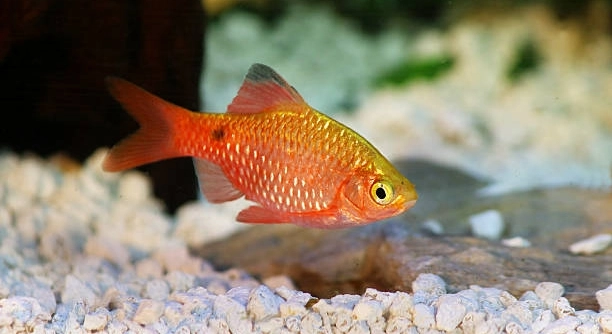
Rosy barbs are popular aquarium fish known for their vibrant colors and active behavior. Many fishkeepers enjoy watching them swim and thrive in well-maintained tanks. Feeding them properly is essential to keep them healthy and lively.
Rosy barbs should be fed once or twice daily, providing only as much food as they can consume within two to three minutes. Overfeeding can lead to water quality issues and health problems, so portion control is critical for their well-being.
Proper feeding habits contribute significantly to the fish’s health and the aquarium’s environment. Understanding these guidelines will help you maintain a balanced routine for your rosy barbs.
Why Proper Feeding Matters for Rosy Barbs
Feeding rosy barbs correctly affects their health and the tank’s condition. These fish are active swimmers and need a balanced diet to maintain their bright colors and energy. Overfeeding leads to uneaten food settling at the bottom, which can cause water pollution. Polluted water stresses the fish, making them prone to disease. On the other hand, underfeeding weakens their immune system and slows growth. A good feeding schedule ensures they get enough nutrients without harming the environment they live in. Using high-quality flakes or pellets designed for tropical fish provides essential vitamins and proteins. Supplementing with occasional live or frozen food, like bloodworms or brine shrimp, keeps their diet varied and interesting. Clean water and proper feeding together create the best conditions for rosy barbs to thrive and show their natural behavior. Paying attention to how much and how often you feed makes a big difference in the fish’s overall well-being.
Feeding the right amount helps prevent many common aquarium problems.
Keeping the water clean by removing leftover food is as important as feeding the right portions. Fish food breaks down quickly, so regular cleaning prevents toxins from building up. Testing water quality weekly can catch early signs of imbalance. Feeding a varied diet supports the fish’s immune system, helping them resist infections. Observing your rosy barbs’ behavior during feeding times also provides clues to their health. If they seem uninterested or aggressive, it may be time to adjust feeding habits. Small changes in diet or portion size can improve their mood and appearance. Consistency is key, but flexibility based on your fish’s condition is beneficial. A little attention each day goes a long way in keeping rosy barbs vibrant and healthy.
How to Determine the Right Feeding Amount
Start by offering a small pinch of food that your rosy barbs can finish in two to three minutes. Adjust the amount if food remains uneaten or the fish appear hungry. Feeding twice daily works best for most adult rosy barbs.
Careful observation helps you fine-tune feeding amounts. Watch your fish during feeding to ensure they eat all the food quickly. If food sinks or floats uneaten, reduce the quantity. Overfeeding is easy to do because it seems like they want more, but excess food harms water quality. On the other hand, feeding too little can stunt growth and reduce activity. Keep in mind that young rosy barbs may need smaller, more frequent feedings. Using feeding tools like small spoons or dedicated feeders can control portions better than hand scattering. Keeping a consistent feeding schedule also helps the fish adjust and stay healthy. By finding the right balance, you create a stable and healthy environment for your rosy barbs to flourish over time.
Feeding Frequency and Schedule
Feeding rosy barbs once or twice a day keeps their metabolism steady without overwhelming the tank. Too many feedings can cause water issues and stress the fish.
A consistent feeding schedule helps maintain healthy behavior and water quality. Feeding in the morning and evening fits their natural activity patterns. This routine prevents overfeeding by limiting food quantity each time. It also encourages the fish to come to the surface regularly, making it easier to observe their health. Young rosy barbs may benefit from three smaller meals daily to support growth, but adult fish do well with fewer feedings. Feeding times should be regular to avoid sudden hunger or overeating, which can lead to aggression or health problems.
Avoid feeding late at night since uneaten food can decay overnight, polluting the tank. Keeping feeding times predictable helps your rosy barbs settle into a healthy routine.
Signs of Overfeeding and How to Adjust
Overfeeding often shows through cloudy water and leftover food on the substrate. The fish may also become sluggish or develop swollen bellies.
If you notice these signs, reduce the amount of food given and remove any uneaten pieces promptly. Testing the water for ammonia and nitrite levels helps identify problems caused by excess feeding. Adjusting feeding to smaller portions several times a day or skipping one feeding occasionally can improve tank conditions. Overfed fish may struggle with digestion, so switching to high-quality, easy-to-digest food supports recovery. Regular tank maintenance and partial water changes help clear toxins, allowing the fish to regain health. By monitoring feeding habits closely, you can prevent these issues and maintain a clean, balanced aquarium that supports your rosy barbs’ well-being.
Best Foods for Rosy Barbs
High-quality flakes and pellets made for tropical fish provide essential nutrients. Occasionally adding live or frozen foods keeps their diet balanced and interesting.
Foods like bloodworms, brine shrimp, and daphnia are excellent protein sources. These treats support their growth and vibrant colors when fed in moderation.
Adjusting Diet Based on Age
Young rosy barbs need smaller, more frequent meals to support their rapid growth and energy levels. Adults require less frequent, controlled portions to maintain health without overfeeding.
Feeding Tips for Healthy Fish
Feed small amounts to avoid leftovers and water contamination. Observe your fish during feeding to make sure all food is eaten promptly.
Avoiding Common Feeding Mistakes
Avoid overfeeding, as it leads to poor water quality and health problems. Stick to a regular feeding schedule and watch your fish’s behavior closely.
How much should I feed my rosy barbs each time?
Feed only what your rosy barbs can eat in about two to three minutes. This usually means a small pinch of flakes or pellets. If food remains after feeding, it’s a sign you are offering too much. Removing uneaten food quickly helps keep the tank clean and prevents water quality problems.
Can I feed rosy barbs only once a day?
Yes, feeding once a day can be enough for adult rosy barbs if the portion is balanced and they are healthy. However, feeding twice a day in smaller amounts is often better. It keeps their energy steady and mimics their natural feeding habits more closely.
What types of food are best for rosy barbs?
High-quality tropical fish flakes or pellets should be the main diet. Supplement this with live or frozen foods like bloodworms, brine shrimp, and daphnia a few times per week. These foods add protein and variety, helping maintain bright colors and good health.
How do I know if I’m overfeeding my rosy barbs?
Look for leftover food on the tank bottom or cloudy water, which often means excess food is decomposing. Fish may also become less active or appear bloated. Testing water quality regularly can detect early problems caused by overfeeding.
Is it okay to feed rosy barbs vegetables?
Yes, rosy barbs enjoy some plant matter. Blanched spinach, zucchini, or peas can be given occasionally to provide fiber and vitamins. Make sure to remove any uneaten vegetable pieces to avoid water pollution.
Do baby rosy barbs need different feeding?
Baby rosy barbs grow quickly and need smaller, more frequent meals—usually three or four times a day. Use finely crushed flakes or specialized fry food. Their digestive systems are delicate, so portion size and food type are important.
Should feeding change in different seasons?
If your tank temperature stays stable, feeding schedules usually remain the same year-round. In cooler water, rosy barbs may eat less due to slower metabolism. Adjust feeding amounts accordingly to avoid uneaten food and stress.
Can I feed rosy barbs human food?
It’s best to avoid feeding human food. Many items are harmful or lack the nutrients fish need. Stick to fish-specific foods to keep your rosy barbs healthy and vibrant.
What if my rosy barbs refuse to eat?
Loss of appetite can be a sign of stress, illness, or poor water quality. Check tank conditions and water parameters. Quarantining sick fish and improving diet variety may help. If the problem continues, consulting a vet or fish expert is recommended.
How often should I clean the tank when feeding rosy barbs?
Regular maintenance is essential. Remove uneaten food daily and do partial water changes weekly or biweekly. Keeping the tank clean prevents toxins from building up and supports the health of your rosy barbs.
Proper feeding is one of the most important parts of caring for rosy barbs. Giving them the right amount of food, at the right times, helps keep them healthy and active. Overfeeding can cause water pollution and stress the fish, while underfeeding can lead to poor growth and weak immune systems. A simple routine of feeding once or twice a day, with portions small enough to be eaten quickly, works well for most rosy barbs. Watching how your fish respond during feeding times will help you adjust the amount and frequency as needed.
Choosing the right type of food is also key to the health of rosy barbs. High-quality flakes or pellets made for tropical fish should form the basis of their diet. Adding live or frozen foods occasionally can add variety and extra nutrition. Foods like bloodworms or brine shrimp provide protein that supports their color and energy. Some vegetable matter, such as blanched spinach or peas, can be offered from time to time for fiber and vitamins. It is important to remove any leftover food to avoid polluting the water. Keeping the tank clean and maintaining good water quality go hand in hand with proper feeding.
In the end, feeding rosy barbs is about balance and consistency. Developing a regular feeding schedule and sticking to it helps your fish feel secure and healthy. Adjusting the amount based on their age, activity level, and tank conditions will make a big difference. Paying close attention to signs of overfeeding or underfeeding allows you to take action before problems arise. When feeding is done carefully, your rosy barbs will thrive, showing off their vibrant colors and lively behavior for a long time.

Hello,
If you enjoy the content that we create, please consider saying a "Thank You!" by leaving a tip.
Every little bit helps us continue crafting quality advice that supports the health, happiness, and well-being of pets around the world, for pets of all shapes, sizes, and species.
We really appreciate the kindness and support that you show us!