
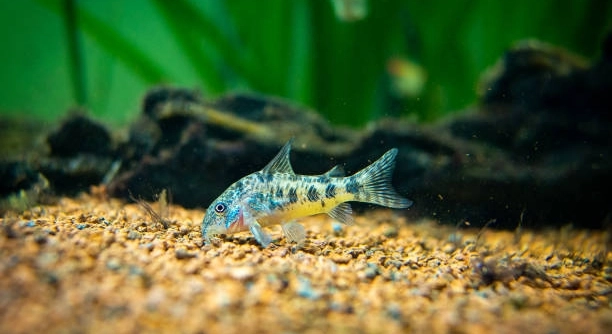
Corydoras catfish are popular aquarium pets, known for their peaceful nature and playful antics. Properly feeding them ensures their health and longevity, but how often should you feed these little fish? Let’s explore the best feeding schedule.
Corydoras catfish should be fed once or twice a day, providing them with small amounts of food. Overfeeding can lead to water quality issues, so it’s essential to ensure they consume the food within a few minutes.
By establishing a proper feeding routine, you can avoid common issues like water contamination and ensure your Corydoras thrive. Learn more about the best practices for feeding these charming fish in your aquarium.
Why Feeding Frequency Matters for Corydoras
Feeding frequency plays a significant role in maintaining a healthy aquarium for your Corydoras catfish. These small fish have a delicate digestive system and can suffer from overfeeding. Feeding them too often can lead to excess food in the tank, which decomposes and pollutes the water. This can lead to harmful toxins that may affect not only your catfish but the entire tank’s ecosystem.
Overfeeding can also cause obesity in Corydoras, impacting their mobility and health. These fish are bottom dwellers and will scavenge for food, so giving them more than they need might lead to leftovers that pollute the tank. If left unchecked, this can cause issues like poor water quality and algae growth.
Corydoras have small stomachs and a slow metabolism, so their dietary needs are modest. It’s essential to focus on providing enough food to satisfy their appetite without overloading them. While they can handle eating several times a day, it’s best to offer small portions they can finish within a few minutes. This ensures they get the nutrients they need without affecting the water quality.
Best Foods for Corydoras
When choosing food for your Corydoras catfish, it’s important to pick items that suit their natural diet. High-quality pellets and sinking wafers are ideal for these bottom-dwelling fish.
Since Corydoras are omnivores, they benefit from a mix of protein and plant-based foods. In addition to pellets, you can offer them small amounts of bloodworms, brine shrimp, and vegetables like zucchini. Providing a variety ensures they get a balanced diet that supports their growth and energy levels. However, always monitor how much they consume to avoid leftover food affecting water quality.
Signs of Overfeeding Your Corydoras
Overfeeding Corydoras catfish can lead to serious issues in your tank. If you notice leftover food on the bottom or cloudiness in the water, it’s a sign that you’re feeding too much. Overfeeding can cause ammonia spikes, leading to poor water quality. This can be harmful to your fish and the overall tank environment.
Another sign of overfeeding is when your Corydoras begin to act sluggish or appear bloated. Overeating can affect their digestion, leading to discomfort and lethargy. Additionally, excess food can cause algae blooms, further polluting the tank. It’s essential to keep a close eye on the amount of food you give them and ensure it’s consumed quickly to avoid these problems.
Regularly clean the tank and remove uneaten food after feeding to prevent water contamination. Always adjust the amount of food based on your Corydoras’ actual consumption. By doing so, you can maintain both their health and the water quality in your aquarium.
Best Time of Day to Feed Corydoras
The best time to feed Corydoras is during the day when they are most active. Since they are bottom dwellers, they tend to scavenge for food when the tank lights are on. It’s best to offer food during daylight hours to align with their natural behavior.
Corydoras are also nocturnal feeders, so if your tank has nighttime lighting, feeding them in the evening may also work well. However, sticking to one or two feeding sessions during the day can help maintain a regular schedule. Just be mindful of the time and avoid feeding them too late, as leftover food might linger overnight and impact water quality. Keeping feeding times consistent helps establish a routine for both you and your fish.
How Often to Feed Corydoras Fry
When feeding Corydoras fry, it’s important to feed them more frequently than adults. Typically, they should be fed 3-4 times a day in small amounts. This helps them grow strong and healthy while preventing water contamination from leftover food.
The key to feeding fry is giving them tiny portions of food that they can consume quickly. Overfeeding can lead to a rise in ammonia levels, which can harm the delicate fry. Small, sinking foods like specially formulated fry food or finely crushed flakes are perfect for them. Monitor their consumption closely to avoid waste.
Can Corydoras Fast?
Corydoras can safely fast for a day or two if necessary. They are hardy fish and can tolerate short periods without food. This is especially helpful when you need to manage water quality or reduce excess food in the tank.
Fasting can also be beneficial for their digestive health. However, it’s important not to extend the fasting period too long. Regular feeding, as discussed earlier, is essential for their long-term health and well-being. If you notice any signs of distress or weight loss, return to a proper feeding schedule.
Feeding Corydoras in a Community Tank
In a community tank, feeding Corydoras can be a little tricky since other fish may compete for the food. It’s best to feed your Corydoras when other fish are distracted or after the lights have been turned off for a while.
Use sinking pellets or wafers that reach the bottom of the tank where the Corydoras can access them. Be sure to observe that all the fish are getting enough to eat and adjust portions accordingly. This way, you can avoid issues with overfeeding and ensure your Corydoras get their share of the meal.
FAQ
How do I know if I’m feeding my Corydoras the right amount?
The right amount of food for your Corydoras is one they can finish in a few minutes. If food is left over and starts decomposing, you’re feeding too much. Overfeeding can harm your fish and affect the tank’s water quality. Adjust portions based on what your fish eat within 3-5 minutes. You can always feed smaller amounts and add more if necessary. Remember, it’s better to underfeed slightly than to overfeed.
Can Corydoras eat floating food?
Corydoras are bottom feeders and prefer sinking food that reaches the bottom of the tank. While they might nibble on floating food, it’s not ideal for them. Floating food will often be taken by other fish before it reaches the bottom, leaving your Corydoras hungry. Stick to sinking pellets or wafers for a more balanced feeding routine.
What are the best types of food for Corydoras?
The best food for Corydoras includes sinking pellets, wafers, and freeze-dried or frozen foods like bloodworms, brine shrimp, and daphnia. These foods mimic their natural diet in the wild and provide essential nutrients. You can also offer small amounts of blanched vegetables like zucchini, peas, or spinach. Variety is key to ensuring they get a well-rounded diet.
How can I avoid overfeeding my Corydoras?
To avoid overfeeding your Corydoras, give them small portions that they can finish in 3-5 minutes. It’s helpful to feed them once or twice a day, depending on their age and activity level. Always remove uneaten food after the feeding session. Regular water changes and monitoring the tank’s water quality can also help you spot issues with overfeeding early.
Can Corydoras eat vegetables?
Yes, Corydoras can eat vegetables. In fact, it’s an important part of their diet. Vegetables like zucchini, peas, spinach, and cucumber are all great options. Make sure to blanch or soften them before offering them to your Corydoras. Only provide small amounts to avoid excess food in the tank. Remove uneaten veggies to maintain water quality.
Should I feed my Corydoras at night?
Corydoras are naturally nocturnal feeders, so feeding them at night can be beneficial. You can offer food after the tank lights have been turned off, allowing your Corydoras to feed without competition from other fish. However, if you are feeding them during the day, they will still eat well. Just be sure that food is easily accessible for them at the bottom of the tank.
How often should I feed Corydoras fry?
Corydoras fry need to be fed more frequently than adults, usually around 3-4 times a day. They require small, finely crushed food like fry-specific pellets, baby brine shrimp, or other tiny sinking foods. Make sure the food is small enough for them to eat and that they finish it within a few minutes to avoid polluting the tank.
Can I feed Corydoras freeze-dried food?
Yes, freeze-dried food can be a good supplement to your Corydoras’ diet. Options like freeze-dried bloodworms, brine shrimp, or daphnia are great treats and provide protein. However, it’s important not to rely solely on freeze-dried food, as it can be lower in nutrients than frozen or live foods. Freeze-dried food should be given in moderation.
Can Corydoras eat live food?
Corydoras can safely eat live food like brine shrimp, daphnia, and blackworms. Live food is an excellent source of protein and will encourage natural hunting and scavenging behavior. However, be sure the live food is free from parasites or disease before offering it to your fish. Live food should be offered in moderation to avoid disrupting the tank’s balance.
How do I feed Corydoras in a community tank?
In a community tank, feeding Corydoras can be tricky as they are bottom feeders, and other fish might take their food. To ensure your Corydoras get their fair share, feed sinking pellets or wafers that will reach the bottom where they can access it. You can also feed them when other fish are distracted, such as during light changes or after the tank lights are off. Always monitor the amount of food you give to prevent overfeeding.
Is it necessary to feed Corydoras multiple times a day?
Corydoras can be fed once or twice a day, depending on their age and the amount of food they consume. Fry and young Corydoras will need to be fed more frequently, while adults are fine with one or two feedings a day. Always make sure to offer only the amount of food that can be eaten within a few minutes.
How do I manage uneaten food in the tank?
Uneaten food can cause water quality issues, so it’s important to remove any leftover food within a few minutes of feeding. Use a fishnet or siphon to remove uneaten pellets or food scraps. Regular water changes also help keep the tank clean and maintain optimal water conditions for your Corydoras. Keeping the tank clean is essential to preventing harmful toxins from building up in the water.
Can Corydoras eat algae wafers?
Yes, Corydoras can eat algae wafers, but it should not be their main food source. Algae wafers are a good supplement, especially since Corydoras enjoy foraging on the tank floor. However, they need a variety of foods for a balanced diet, including protein and vegetables. Offer algae wafers in moderation along with other food types.
Should I adjust the amount of food if my Corydoras are breeding?
If your Corydoras are breeding, they may need extra food to ensure both the adults and the fry are properly nourished. You can increase the feeding frequency, but it’s important not to overfeed. Offer small, frequent meals, especially for the fry, to support their growth and development while maintaining water quality.
How long can Corydoras go without food?
Corydoras can survive for a few days without food, but it’s not ideal to skip feedings regularly. They are resilient, but consistently missing meals can cause stress and affect their health. If you plan to leave your tank for a few days, consider using an automatic feeder or asking someone to feed your fish for you.
Final Thoughts
Feeding your Corydoras catfish the right amount and on a proper schedule is crucial for their health. These bottom-dwelling fish are easy to care for, but their diet plays a significant role in their well-being. Overfeeding can lead to several issues like poor water quality, algae growth, and even obesity in your fish. It’s important to feed them only as much as they can consume in a few minutes to avoid these problems. Monitoring their food intake and adjusting portions based on their appetite and activity level can help keep your tank in balance and your fish healthy.
The type of food you offer also matters. Corydoras are omnivores and thrive on a variety of foods, including sinking pellets, freeze-dried or frozen foods, and vegetables. While they can eat live food, it’s essential to ensure it is parasite-free. Additionally, providing them with a mix of food types will help ensure they get all the nutrients they need. Don’t forget to remove uneaten food promptly, especially in a community tank where other fish may compete for food. This practice helps keep the water clean and free from toxins that could harm your Corydoras or any other inhabitants in the tank.
Lastly, don’t be afraid to adjust your feeding routine if you notice any changes in your Corydoras’ behavior. Whether it’s a change in activity level, weight, or feeding habits, your fish might be signaling that something needs to be adjusted. By keeping a close eye on your fish and their environment, you can prevent most feeding-related issues. Regular water changes and maintaining a clean tank are just as important as proper feeding. With these simple practices, you’ll help ensure your Corydoras remain happy, healthy, and active in their aquarium.

Hello,
If you enjoy the content that we create, please consider saying a "Thank You!" by leaving a tip.
Every little bit helps us continue crafting quality advice that supports the health, happiness, and well-being of pets around the world, for pets of all shapes, sizes, and species.
We really appreciate the kindness and support that you show us!