
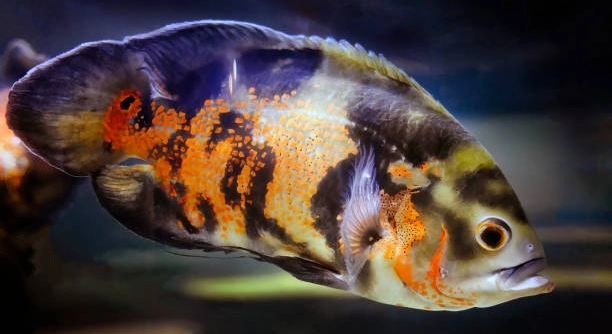
Are your convict cichlids looking a little sluggish or overeager at feeding time? Managing their diet properly is key to keeping them healthy and active. Feeding routines can impact their growth, behavior, and overall wellbeing.
Convict cichlids should generally be fed once or twice daily, with portions they can consume within a few minutes. Overfeeding can lead to water quality issues and health problems, while underfeeding may stunt growth and reduce vitality.
Proper feeding routines ensure your fish remain vibrant and healthy. This guide will help you establish a consistent schedule and maintain a thriving aquarium environment.
Understanding Convict Cichlid Feeding Needs
Convict cichlids are small but energetic fish that require a balanced diet to stay healthy. They thrive on a combination of high-quality pellets, flakes, and occasional live or frozen foods. Providing the right type of food supports their growth, strengthens their immune system, and helps them display natural colors. It is important to feed them in measured amounts because they can overeat quickly. Uneaten food can decay and affect water quality, leading to health problems. Observing how quickly they finish their meals helps determine the correct portion size. Juvenile cichlids need more frequent feedings than adults, as they grow rapidly and require extra nutrients. Adjusting the feeding routine as they mature ensures they remain healthy and active. Feeding at consistent times also helps regulate their metabolism and reduces stress, making your aquarium more stable and enjoyable to maintain.
Proper feeding enhances fish health, reduces tank maintenance, and promotes lively behavior among your convict cichlids.
Feeding convict cichlids the right foods at the right intervals keeps them healthy and active. Regular observation ensures they get enough nutrition without overfeeding. Consistent routines improve water quality and reduce stress, helping them thrive in your aquarium. Balancing pellet, flake, and occasional protein sources maintains growth and vibrant coloration, making your fish more resilient. Juveniles require slightly more frequent feedings, while adults can manage once or twice daily. Adjusting amounts gradually based on their consumption patterns prevents leftover food from polluting the tank. Watching their behavior after meals can indicate whether their diet is sufficient. Feeding at the same times every day establishes a predictable environment. Overfeeding can cause obesity and weaken their immune system, while underfeeding slows growth. By tailoring feeding practices to their needs, your convict cichlids can maintain energy, display vivid colors, and live longer. A stable feeding schedule also simplifies tank care and reduces unexpected water issues.
Common Feeding Mistakes
Overfeeding can harm your fish and water quality if not monitored carefully.
Many aquarium owners make errors that affect cichlid health. Overfeeding often leads to excessive waste, clouded water, and increased risk of disease. Using too many treats or protein-heavy foods can imbalance their diet, resulting in digestive problems. Feeding irregularly may stress the fish and disrupt their natural behavior patterns. Some may assume more food equals faster growth, but excess calories can weaken immune systems and reduce lifespan. Proper portioning, observing how much they consume, and sticking to scheduled feedings prevent these issues. Choosing foods designed for cichlids ensures balanced nutrition. Live foods should be offered sparingly, as reliance on them can cause dependency or nutritional gaps. Maintaining clean water is crucial, as leftover food can quickly deteriorate water quality. By avoiding these mistakes, you promote healthier, more active fish. Planning meals around growth stages also supports juvenile development and adult maintenance. Consistency and moderation are key to keeping convict cichlids thriving over time.
Best Feeding Schedule for Convict Cichlids
Feeding convict cichlids once or twice daily works best. Juveniles need smaller, more frequent meals, while adults manage with one to two portions per day. Timing and consistency help maintain their health and reduce stress, keeping them active and vibrant.
A practical schedule involves feeding in the morning and late afternoon. Measure food so they can finish it within three to five minutes. Observing how much they consume prevents overfeeding, which can pollute the tank and cause digestive issues. Juveniles may require three smaller portions to support rapid growth, while adults maintain stable health with fewer meals. Mixing high-quality pellets, flakes, and occasional protein sources ensures balanced nutrition. Avoid leaving uneaten food in the tank. Adjust portion sizes gradually as fish grow and monitor water quality regularly to maintain a healthy environment. Consistent timing helps regulate metabolism and reduces aggressive behavior among tankmates.
Overfeeding often occurs when owners provide too much out of concern for their fish. This leads to water clouding, algae growth, and stressed fish. Establishing a clear feeding plan prevents these issues. Feeding once or twice daily, using measured portions, keeps cichlids healthy and water clean. Rotating food types ensures nutrition variety. Observing fish behavior after meals indicates whether portions are sufficient. Juveniles benefit from slightly more frequent feedings, while adults thrive on routine. Avoiding excess treats prevents digestive problems and reduces tank maintenance. Regular cleaning and portion adjustments help maintain stability. Proper feeding schedules enhance growth, coloration, and overall vitality, ensuring your convict cichlids remain active and healthy in the long term.
Food Types Suitable for Convict Cichlids
High-quality pellets and flakes form the core of a cichlid diet. Supplementing with live or frozen foods adds protein and variety, promoting health and vibrant coloration.
Pellets and flakes designed for cichlids provide balanced nutrition, including essential vitamins and minerals. Live or frozen foods like brine shrimp, bloodworms, and daphnia offer extra protein, supporting growth and energy levels. Offering a mix prevents dietary deficiencies and keeps fish engaged. Avoid relying solely on live food, as it may lead to nutritional imbalances or dependency. Vegetables such as peas and spinach can be added occasionally to enhance fiber intake and support digestion. Feeding small portions several times a week ensures they benefit from protein without overloading their system. Observing their preferences helps tailor diet choices. Variety encourages natural foraging behavior, reduces boredom, and maintains overall well-being. Using fresh, high-quality ingredients minimizes contamination risks and improves water quality. Maintaining a consistent rotation of food types keeps convict cichlids active, colorful, and healthy, supporting their long-term vitality in the aquarium.
Signs of Overfeeding
Overfed convict cichlids often show bloated bellies and sluggish movement. Uneaten food accumulating in the tank is a clear indication that portions are too large. Monitoring their eating habits helps prevent health issues and maintains clean water.
Behavioral changes like aggression or lethargy can signal overfeeding. Fish may pick at each other or hide more than usual. Consistently adjusting meal sizes and feeding frequency helps correct these issues. Observing fish closely after meals ensures they receive the proper amount without overloading the system, keeping the tank environment balanced and the cichlids healthy.
Adjusting Feeding Based on Age
Juvenile convict cichlids require more frequent, smaller feedings to support rapid growth. Adults can thrive on one or two measured meals daily. Adjusting feeding routines according to age helps maintain optimal health and energy levels.
Feeding During Breeding
During breeding periods, convict cichlids need slightly increased protein. This supports energy levels, egg development, and parental care behaviors. Providing a mix of pellets and live foods encourages healthy reproduction.
FAQ
How much should I feed my convict cichlids?
Convict cichlids should receive portions they can finish in three to five minutes. Overfeeding can lead to water quality issues and obesity, while underfeeding slows growth. Juveniles require slightly smaller, more frequent meals, while adults do well with one or two feedings per day. Observing how much they consume helps determine the right amount. Avoid leaving uneaten food in the tank, as it can decay quickly and affect water parameters. Measuring portions and adjusting gradually as they grow ensures healthy development and energy levels, keeping your aquarium stable.
Can convict cichlids eat live foods?
Yes, live foods like brine shrimp, bloodworms, and daphnia can be offered occasionally. They provide extra protein and stimulate natural foraging behavior. Live foods should not replace regular pellets or flakes, as relying on them exclusively may create nutritional gaps. Incorporating frozen options reduces the risk of introducing parasites or bacteria. Rotating live, frozen, and prepared foods ensures balanced nutrition, supports vibrant coloration, and maintains growth. Feeding live foods in moderation prevents digestive upset and encourages active behavior.
How often should juveniles be fed?
Juvenile convict cichlids grow rapidly and need more frequent meals. Three to four smaller portions daily are usually sufficient. This supports energy demands and healthy development. Consistent timing helps regulate metabolism and reduces stress, encouraging proper growth. As juveniles mature, feedings can be gradually reduced to one or two per day for adults. Monitoring consumption ensures they are not overfed, which could harm water quality. Adjusting portion sizes and frequency based on growth and behavior maintains optimal health and vitality in your young cichlids.
Is it okay to give vegetables to convict cichlids?
Yes, vegetables like peas, spinach, and zucchini can be offered occasionally. They provide fiber that aids digestion and supplements their diet. Vegetables should be lightly cooked or blanched and chopped into small pieces to make them easy to eat. Offering them once or twice a week ensures variety without overloading the diet. Vegetables support digestive health, reduce bloating, and encourage natural foraging behavior. Combining vegetables with pellets and occasional protein sources maintains a balanced diet and keeps convict cichlids healthy and active.
What are signs of underfeeding?
Underfed convict cichlids appear lethargic and may show stunted growth. Their colors can become dull, and they may compete aggressively for limited food. Juveniles are especially sensitive to insufficient nutrition, which can delay development. Maintaining a consistent feeding schedule with appropriate portions prevents these issues. Observing fish during meals helps ensure all individuals are receiving enough food. Providing a balanced diet with pellets, flakes, and occasional protein sources supports proper growth, coloration, and energy. Adjusting feeding frequency and portion size according to size and age prevents underfeeding while keeping water quality intact.
Can overfeeding harm water quality?
Yes, uneaten food decomposes and releases ammonia, nitrites, and nitrates into the water. This can lead to poor water conditions, algae growth, and health issues for your fish. Removing leftover food promptly and feeding measured portions minimizes this risk. Regular water testing and tank maintenance help maintain safe water parameters. Overfeeding also stresses the fish and can weaken their immune system. Using a consistent feeding routine with balanced portions ensures water stays clean and cichlids remain healthy. Avoiding excess treats and observing consumption patterns are essential for preventing overfeeding-related problems.
Should feeding change during breeding?
Yes, breeding convict cichlids require slightly increased protein to support energy, egg development, and parental care. Offering a mix of high-quality pellets and live or frozen foods encourages successful reproduction. Maintain portion control to prevent water quality issues during this period. Consistent feeding helps both parents stay active and healthy while caring for eggs or fry. Adjustments should be temporary, returning to normal adult feeding routines once breeding activity decreases. Observing behavior and appetite ensures nutritional needs are met without overfeeding. Proper feeding during breeding promotes survival rates and the health of both adults and offspring.
Is it necessary to feed at the same times every day?
Yes, consistent feeding times help regulate metabolism, reduce stress, and encourage predictable behavior. Convict cichlids become accustomed to a routine, which can reduce aggression and improve feeding efficiency. Regular timing also helps you monitor consumption and detect changes in appetite or health. Establishing morning and late afternoon feedings is common, though exact times can be adjusted to fit your schedule. Observing how the fish respond to set times ensures they receive appropriate nutrition while maintaining a stable aquarium environment. Consistency benefits both the fish and tank maintenance.
Can overfeeding cause health problems?
Overfeeding can lead to bloating, obesity, and digestive issues. Excess food also pollutes water, increasing the risk of disease. Stressed fish may display unusual behavior or aggression. Feeding measured portions and observing consumption prevents these problems. Balanced nutrition and portion control are essential for long-term health.
How do I know if my feeding routine is effective?
An effective routine maintains fish energy, growth, and vibrant coloration. Fish finish their meals in a few minutes, show normal behavior, and water quality remains stable. Monitoring these factors ensures feeding meets their needs. Adjust portions or frequency if signs of overfeeding or underfeeding appear.
Final Thoughts
Feeding convict cichlids properly is essential for their health and overall wellbeing. These fish are active and require a balanced diet that includes high-quality pellets or flakes, supplemented with occasional live or frozen foods. Providing the right type and amount of food supports their growth, strengthens their immune system, and helps maintain their natural coloration. Overfeeding can lead to water pollution and digestive problems, while underfeeding can slow growth and reduce energy levels. Observing how much your fish eat during each feeding is an effective way to adjust portions and prevent leftover food from causing issues in the tank. Juveniles have higher energy needs and require more frequent, smaller feedings, whereas adults can thrive on one or two meals per day. Maintaining a consistent feeding schedule also helps regulate metabolism, reduces stress, and encourages predictable behavior, making the aquarium environment more stable and enjoyable.
It is important to vary the diet to ensure convict cichlids receive all necessary nutrients. Rotating pellets, flakes, and protein sources such as brine shrimp or bloodworms provides essential vitamins and minerals. Occasionally offering vegetables like peas or spinach adds fiber, which supports digestion and prevents bloating. While live foods can be beneficial, relying on them too heavily may create nutritional gaps or dependency. Moderation is key, and small portions given consistently are better than large amounts all at once. Paying attention to fish behavior after feeding, such as activity level and appetite, can indicate whether the current routine and diet are sufficient. Adjusting feeding practices based on age, growth stage, and breeding periods ensures that all needs are met without compromising water quality. A balanced approach to feeding not only keeps the fish healthy but also reduces maintenance challenges, making it easier to enjoy a clean and thriving aquarium.
Proper feeding routines, attention to portion sizes, and a varied diet all contribute to a healthy and vibrant tank. Convict cichlids respond well to consistent care and thoughtful feeding practices, which improves their energy, coloration, and longevity. Avoiding overfeeding and underfeeding protects their digestive system and supports normal growth. During breeding periods, slightly increased protein intake helps adults maintain energy and care for their fry successfully. Regular observation, measured portions, and predictable feeding times are key to maintaining a stable environment and promoting long-term health. By keeping these principles in mind, you can ensure that your convict cichlids remain active, healthy, and colorful, while water quality is preserved. A consistent, balanced approach to feeding makes tank management simpler and supports a thriving aquatic environment, allowing both the fish and the aquarium to flourish over time.

Hello,
If you enjoy the content that we create, please consider saying a "Thank You!" by leaving a tip.
Every little bit helps us continue crafting quality advice that supports the health, happiness, and well-being of pets around the world, for pets of all shapes, sizes, and species.
We really appreciate the kindness and support that you show us!