
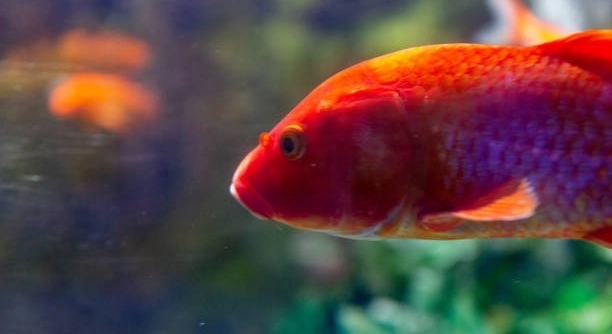
African cichlids are popular freshwater fish known for their vibrant colors and lively behavior. Many aquarium enthusiasts enjoy keeping them but often wonder about the best feeding routine. Proper feeding is essential to keep these fish healthy and active.
African cichlids should be fed two to three times daily with small portions that they can consume within a few minutes. Overfeeding can lead to water quality issues and health problems, so it is important to monitor their intake carefully.
Learning how often and how much to feed your cichlids can improve their wellbeing and the overall aquarium environment. This article will provide clear guidelines to help you maintain a healthy feeding schedule.
Why Feeding Frequency Matters
Feeding your African cichlids the right number of times each day helps keep them healthy and stress-free. Too little food can make them weak, while too much can pollute the tank water and cause illness. These fish have fast metabolisms, so they need regular meals to stay active and maintain bright colors. Feeding smaller amounts more often mimics their natural feeding habits. It also reduces leftover food that can rot and harm water quality. Watching how quickly they eat will help you adjust feeding times and portions. The goal is to feed enough so they finish their food quickly but don’t leave uneaten bits behind. Keeping a steady routine supports their digestion and keeps their behavior stable.
Proper feeding frequency also helps prevent obesity in cichlids. Overfed fish can suffer from fatty liver disease or swim bladder problems. Feeding regularly but moderately keeps their body weight balanced and supports overall health.
Maintaining clean water and consistent feeding times improves tank conditions and helps your fish thrive in a stable environment.
Types of Food for African Cichlids
Choosing the right food is key to good health. Most cichlids do well on a diet of high-quality flakes or pellets made for cichlids. These provide balanced nutrition and are easy to portion. Supplementing with fresh or frozen foods like brine shrimp or bloodworms adds variety and extra protein, which helps with growth and color. Some cichlids are herbivores and need plant matter, so algae wafers or blanched vegetables like spinach can be included. Avoid overfeeding treats and stick to a balanced diet. Feeding a mix of foods supports their immune system and energy levels.
Proper nutrition keeps your cichlids strong, helps them resist disease, and enhances their natural beauty. Varying their diet prevents boredom and mimics what they would eat in their natural habitat. Feeding the right types of food also reduces waste, making tank maintenance easier and water quality better. Knowing what foods suit your cichlids is a simple way to improve their care without extra effort.
How to Avoid Overfeeding
Overfeeding African cichlids is a common problem that can harm both the fish and the tank environment. Feeding small amounts and observing how quickly they eat helps prevent this issue.
To avoid overfeeding, offer only as much food as your cichlids can finish in two to three minutes. Remove any leftover food after feeding to keep the water clean. Uneaten food breaks down and produces harmful chemicals that stress the fish and encourage algae growth. Watching your fish eat also lets you adjust portions if they seem hungry or disinterested. Feeding smaller meals multiple times a day is better than one large feeding.
Careful feeding improves water quality and helps your cichlids stay healthy and active. Overfeeding often leads to obesity and poor water conditions, so controlling portions is essential for a balanced aquarium.
Signs Your Cichlids Are Hungry or Full
Cichlids show hunger by actively swimming near the surface or the feeding area, often chasing food eagerly. If they ignore food or swim away, they may be full or stressed. Paying attention to these behaviors helps you adjust feeding.
Feeding on a schedule helps fish recognize when it’s mealtime. If your cichlids become overly aggressive or compete for food, it might mean they’re still hungry or the portions are too small. On the other hand, a lack of interest in food can indicate fullness or health issues. Observing their behavior daily can guide feeding amounts and frequency.
Responding to your fish’s signals ensures they get enough nutrition without overfeeding. This balance keeps them energetic and improves their long-term health, making tank maintenance easier and more enjoyable.
Best Feeding Times
Feeding African cichlids in the morning and early evening works well. These times match their natural activity patterns and help regulate their digestion.
Consistent feeding times reduce stress and keep fish behavior predictable. Avoid feeding late at night to prevent uneaten food from sitting in the tank.
Adjusting Feeding Based on Age
Young cichlids need more frequent feeding—up to three times daily—because they grow quickly and burn energy fast. Adult cichlids do well with two feedings daily. Adjust portions as the fish grow to avoid overfeeding and support healthy development.
Using Feeding Tools
Automatic feeders can help keep a regular feeding schedule, especially if you are away. However, they should be monitored closely to avoid overfeeding, since they may release too much food at once. Regularly check the tank and adjust settings as needed.
Feeding for Breeding Fish
Breeding cichlids require extra nutrition, often needing more protein-rich foods. Increase feeding frequency slightly during breeding periods to support their energy needs.
FAQ
How much should I feed my African cichlids each day?
Feed your African cichlids small amounts two to three times daily. Each feeding should be just enough for them to finish within two to three minutes. Overfeeding can cause water pollution and health problems, so it’s better to feed less frequently but consistently. Watch how much they eat and adjust accordingly.
Can I feed my cichlids only once a day?
Feeding once a day is possible but not ideal. African cichlids have fast metabolisms and benefit from two or three smaller meals. Feeding more often keeps their energy steady and helps maintain water quality by reducing leftover food.
What types of food are best for African cichlids?
High-quality cichlid flakes or pellets should make up the main diet. Supplement with frozen or live foods like brine shrimp, bloodworms, or daphnia for added protein. Some cichlids also eat plants, so occasional vegetable treats like spinach or peas help provide balanced nutrition.
How do I know if my cichlids are overfed?
Signs of overfeeding include leftover food in the tank, cloudy water, and sluggish fish. Overfed cichlids may become overweight or develop swim bladder issues. If you see uneaten food after feeding, reduce the portion size or feeding frequency.
Is it okay to skip a feeding?
Skipping one feeding occasionally won’t harm healthy cichlids. In fact, some aquarists use fasting once a week to prevent digestive issues. However, skipping multiple feedings regularly can weaken your fish, so stick to a consistent schedule.
What should I do if my cichlids are fighting over food?
Aggression during feeding is common. Try feeding smaller amounts multiple times a day or spread food in different tank areas. Ensure each fish has enough space to eat without stress. Feeding high-quality food helps keep them satisfied.
Can I feed my cichlids human food?
It’s best to avoid feeding human food. Many human foods lack the proper nutrients and can upset water quality. Stick to foods made for cichlids or suitable frozen/live options to keep your fish healthy.
How long can cichlids go without food?
Healthy adult cichlids can survive for several days without food, but this isn’t recommended. Long periods without feeding weaken their immune system and cause stress. Young fish need more frequent feeding to support growth.
Does water temperature affect feeding?
Yes, water temperature impacts metabolism. In warmer water, cichlids are more active and need more frequent feeding. Cooler water slows their metabolism, so reduce feeding amounts or frequency to avoid leftover food.
Should I change feeding habits during breeding?
Breeding cichlids need extra nutrition. Increase feeding frequency slightly and offer protein-rich foods like live brine shrimp. Good nutrition supports egg production and the health of fry. Once breeding ends, return to normal feeding.
What happens if I feed too much protein?
Too much protein can cause digestive problems and pollute water faster. Balance protein with vegetable matter depending on the species. Overfeeding protein-rich foods can also lead to obesity and poor health.
Are there specific feeding tools I should use?
Using automatic feeders can help maintain consistent feeding times, especially when you’re busy or away. However, manual feeding is best to monitor portions and fish behavior. Remove leftover food promptly regardless of the method used.
How do I transition my cichlids to new food?
Introduce new foods slowly by mixing them with their current diet over several days. This helps prevent digestive upset and encourages acceptance. Watch for any signs of intolerance, like changes in behavior or stool.
Can I feed my cichlids flakes and pellets together?
Yes, combining flakes and pellets offers variety and balances nutrition. Flakes often provide quick nutrients while pellets tend to sink, reaching bottom dwellers. Mixing both ensures all fish get enough food.
What is the best way to store cichlid food?
Store food in a cool, dry place away from direct sunlight. Keep it sealed to prevent moisture and pests. Proper storage preserves nutrients and prevents spoilage, which helps keep your fish healthy.
These answers should help you manage your African cichlids’ feeding routine confidently. Watching your fish and adjusting as needed is the best way to keep them thriving.
Feeding African cichlids properly is important to keep them healthy and happy. Giving them the right amount of food at the right times helps avoid common problems like overfeeding and poor water quality. These fish do best when fed two to three times a day with small portions they can eat quickly. Feeding too much can lead to leftover food in the tank, which can harm the water and stress the fish. Watching how much your cichlids eat and adjusting portions as needed makes a big difference in their overall health.
Choosing the right food is just as important as feeding frequency. High-quality cichlid flakes or pellets provide good nutrition, but adding frozen or live foods like brine shrimp or bloodworms can help improve their diet. Some cichlids also need plant-based foods, so offering vegetables like spinach or peas occasionally supports their dietary needs. Variety in their food keeps them interested and helps prevent nutritional gaps. Feeding a balanced diet with the correct amounts of protein and vegetables supports strong immune systems and bright colors.
Keeping a regular feeding schedule helps your fish stay active and less stressed. Feeding at consistent times each day creates routine for the fish, making them more comfortable in their environment. It’s also helpful to watch for signs of hunger or fullness to adjust feeding amounts. Over time, this balance improves their health and helps maintain good water quality in your tank. Proper feeding is a simple but important step in caring for African cichlids, and with attention and care, you can enjoy their beauty and lively behavior for years.

Hello,
If you enjoy the content that we create, please consider saying a "Thank You!" by leaving a tip.
Every little bit helps us continue crafting quality advice that supports the health, happiness, and well-being of pets around the world, for pets of all shapes, sizes, and species.
We really appreciate the kindness and support that you show us!