
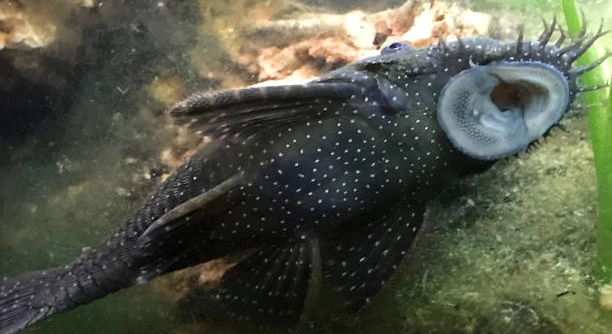
Plecostomus, or plecos, are popular aquarium fish known for their ability to clean tank surfaces. However, knowing how often to feed them can be tricky for many aquarium owners. The right feeding schedule is essential for their health and well-being.
Plecostomus should be fed once a day, but it is important not to overfeed them. A varied diet, including algae-based food and occasional treats, ensures they receive adequate nutrition without compromising water quality.
Maintaining a proper feeding routine is key to ensuring your pleco thrives. The following information will help you understand their feeding habits and how to provide the best diet for your aquatic companion.
Understanding Plecostomus Feeding Needs
Plecostomus are bottom-dwelling fish that play an important role in keeping your aquarium clean. These fish naturally graze on algae and debris, which is why they are often placed in tanks with other fish to help manage the cleanliness of the tank. However, they also need a proper diet to stay healthy and grow. Overfeeding them can lead to poor water quality, which harms both the pleco and other tank inhabitants. Understanding the right amount of food to provide will ensure your pleco thrives while also keeping the tank conditions optimal.
Their diet should consist mainly of algae wafers or pellets, but occasional vegetables like zucchini, cucumber, or spinach can be offered. A pleco will often consume algae in the tank, but it’s important to supplement this diet with additional nutrients. It’s easy to feed them too much, as plecos are bottom feeders that sometimes seem like they’re always hungry.
The key is balance. Plecos are not aggressive eaters, but they will consume everything given to them. Make sure to avoid leaving uneaten food in the tank for long periods. This not only affects the water but also their health, as food left too long can decompose.
Types of Food for Plecostomus
While plecos primarily feed on algae, variety is important. Offering algae wafers and sinking pellets designed for bottom feeders is the best way to meet their nutritional needs.
For variety, fresh vegetables like cucumber or zucchini can be added to their diet. These foods are not only tasty but also provide vital nutrients and fiber that plecos need. Avoid giving them too much fruit, as the sugar content can upset their digestion. If your pleco refuses certain foods, it might be due to their preferences or the texture of the food. It may take a little trial and error to find what works best for them.
Some plecos will also benefit from occasional protein-based foods, such as brine shrimp or bloodworms. These proteins help them maintain strong, healthy growth. However, be cautious not to overfeed protein-rich foods as they can lead to water quality issues. By maintaining a balanced diet, your pleco can grow healthy while keeping the tank clean and clear.
Feeding Frequency and Amount
Plecos typically need to be fed once a day, but this can vary based on the size of the pleco and the tank environment. Younger plecos may require more frequent feedings to support growth, while adults can thrive on a once-daily feeding schedule.
Overfeeding can lead to water pollution, so it’s important to adjust the amount of food according to their size. A good rule of thumb is to provide only as much food as the pleco can consume in about two hours. Leftover food should be removed to prevent it from decaying and affecting water quality.
When feeding, monitor how much your pleco eats and adjust accordingly. As your pleco grows, you may need to gradually increase the food amount. Keep an eye on the tank and make sure the pleco is not overeating or leaving food behind. This helps prevent health issues for both the fish and the tank.
Best Time to Feed a Plecostomus
Feeding your pleco at night is ideal because they are nocturnal creatures. Plecos are more active during the night, searching for food on tank surfaces and debris.
Feeding at night allows your pleco to enjoy the food when it is most active, ensuring they get the nutrition they need. You can feed them after the aquarium lights are off to simulate a more natural environment. However, ensure the tank is well-lit during the day to maintain healthy plant growth, which can also serve as a food source for your pleco.
If you feed during the day, keep in mind that the pleco may not eat as actively, especially if other fish are around. It may take some time for the pleco to feel comfortable feeding during daylight hours.
Signs of Overfeeding
Overfeeding plecos can lead to health issues and poor tank conditions. If you notice uneaten food in the tank after feeding, it may be a sign that you’re giving too much. Excess food can decay, causing ammonia spikes that harm both the pleco and other fish.
Another sign of overfeeding is bloating in your pleco. If you notice that your pleco’s abdomen is swollen or if it seems sluggish, it could be a result of overeating. Additionally, if the tank water becomes cloudy or has a foul odor, it may indicate food excess and poor water quality.
Monitor your pleco’s eating habits closely, and if you see these signs, reduce the amount of food offered and clean the tank regularly to maintain healthy conditions.
Tank Maintenance After Feeding
Maintaining your tank is just as important as feeding. Plecos are bottom dwellers and can create waste that accumulates quickly. Regular water changes and filter cleanings are necessary to ensure a clean environment.
After feeding, remove any uneaten food from the tank to prevent it from decomposing. This helps maintain good water quality, which is crucial for the overall health of your pleco and other fish. It’s also a good idea to test the water regularly to keep the pH, ammonia, and nitrate levels balanced.
Types of Plecostomus
Plecostomus come in several varieties, such as the common pleco, bristlenose pleco, and zebra pleco. Each has unique characteristics, but their feeding needs are fairly similar. Understanding the specific type of pleco you own can help tailor its care, especially in terms of size, diet, and tank space.
Some plecos, like the bristlenose, are smaller and require less food than the larger common pleco. Knowing your pleco’s species will help you determine its exact feeding requirements and how much space it needs in the tank to be healthy.
FAQ
How often should I feed my plecostomus?
You should feed your plecostomus once a day. However, this can vary based on the size of the fish and the tank environment. Younger plecos may need more frequent feedings to support growth, while adult plecos can generally thrive on one meal per day. It’s important to adjust the food portion based on the pleco’s size and activity level. If you are unsure, start with one feeding per day and monitor how much they are consuming.
What food should I feed my plecostomus?
Plecos primarily eat algae, so algae wafers or sinking pellets specifically made for bottom feeders are ideal. You can also offer fresh vegetables like zucchini, cucumber, or spinach to supplement their diet. These veggies provide important nutrients and fiber. Occasionally, you can add protein-rich foods, such as brine shrimp or bloodworms, but limit these treats to avoid overfeeding. Be sure to remove uneaten food to prevent it from decomposing and affecting the water quality.
How much should I feed my plecostomus?
Feed your pleco only as much as it can consume in about two hours. Plecos tend to nibble slowly and will often graze throughout the day, so it’s important not to overfeed them. Leftover food can cause water quality issues and lead to health problems for the fish. If you notice uneaten food after two hours, remove it to prevent it from breaking down in the tank.
Can I overfeed my plecostomus?
Yes, overfeeding is a common issue. When you feed too much, food can remain uneaten and break down in the tank, raising ammonia and nitrate levels. This not only affects the pleco’s health but also harms other fish and plants in the tank. Overfeeding can also cause bloating in your pleco, making it appear sluggish. To avoid overfeeding, stick to the recommended portion size, and monitor how much food your pleco consumes.
What happens if I feed my plecostomus too much?
If you overfeed your pleco, uneaten food will break down and pollute the water. This leads to a spike in harmful chemicals like ammonia and nitrate, which can stress your pleco and other tank inhabitants. It also increases the risk of developing diseases and poor water quality. In addition to water quality issues, overfeeding can cause your pleco to become overweight, which may affect its ability to swim or digest food properly.
Can plecostomus eat fruit?
Plecos can eat fruit, but it should only be offered occasionally and in moderation. Fruits like apple, banana, or melon can be given as a treat, but keep in mind that fruits are high in sugar, which can upset your pleco’s digestive system if given too often. Too much sugar can lead to obesity and water quality issues due to leftover food. If you do feed fruit, remove any uneaten pieces to maintain water quality.
Should I feed my plecostomus at night or during the day?
Plecos are nocturnal creatures, so it’s best to feed them in the evening after the tank lights are off. They are more active at night and will be more likely to eat during this time. If you feed them during the day, they may not be as interested in eating, especially if other fish are active and eating. To simulate a more natural environment, try feeding your pleco in the dark and avoid daylight feedings unless necessary.
What are the best tank conditions for a plecostomus?
Plecostomus thrive in well-maintained tanks with plenty of space. They prefer water temperatures between 72°F and 82°F (22°C to 28°C) and need good water filtration to keep the tank clean. It’s also important to maintain stable water parameters, such as pH (6.5–7.5) and ammonia/nitrate levels. Regular water changes are necessary to maintain a healthy environment. A tank with hiding spots, such as caves or plants, is ideal as plecos like to have places to retreat to.
How long can a plecostomus go without food?
Plecos can survive for a few days without food, especially if they have access to algae in the tank. However, it’s not ideal to skip feedings regularly. If you need to go on vacation, make sure to have someone check on your fish or use an automatic feeder. Keep in mind that plecos are bottom feeders, so they will find food on surfaces, but if the tank is clean of algae or debris, you may need to provide supplemental food.
Why is my plecostomus not eating?
If your pleco is not eating, there may be several reasons. It could be stressed due to water quality issues, new tankmates, or changes in the environment. Ensure the water parameters are within the ideal range and that the tank is not overcrowded. Sometimes, plecos may also refuse to eat if the food is not to their liking, so try offering different types of food. If the problem persists, check for signs of illness, as a lack of appetite can be an indication of a health issue.
How do I know if my plecostomus is healthy?
A healthy plecostomus will be active, especially during the night when they are most active. Look for a pleco that has smooth, unbroken skin, clear eyes, and is free from visible lesions or spots. It should be able to move freely and graze on surfaces without difficulty. If your pleco is not eating, is lethargic, or has abnormal behavior, it may be a sign of health problems. Keep an eye on their body condition and make sure the water quality is maintained.
Can plecostomus live with other fish?
Yes, plecostomus generally do well with most peaceful fish species, especially those that are not too aggressive. They are bottom-dwelling fish, so they rarely compete with others for food. However, avoid keeping them with fish that may try to nip at their fins or disturb them. Ensure there’s enough space in the tank for all inhabitants, as plecos can grow large and need room to swim and find food. Make sure that the other fish aren’t taking all the food, leaving your pleco underfed.
Final Thoughts
Feeding a plecostomus is relatively straightforward, but it requires attention to detail to ensure that they receive the right amount of food without compromising their health or the water quality in the tank. A balanced diet of algae wafers, fresh vegetables, and occasional protein-rich foods can keep your pleco healthy and happy. By sticking to a regular feeding schedule, offering appropriate portions, and removing any uneaten food, you can create an environment that promotes both the pleco’s well-being and the overall health of your aquarium.
It’s important to remember that plecos are bottom-dwellers and naturally help keep your tank clean by eating algae. However, this does not mean they should rely solely on what grows in the tank. Supplementing their diet with algae-based foods ensures that they get the necessary nutrients for proper growth. While they enjoy fresh vegetables like zucchini and spinach, avoid overfeeding them, as this can lead to health issues and water contamination. Monitoring how much they eat and adjusting the portions as needed will help keep everything in balance.
In the end, the key to a healthy plecostomus is moderation. A consistent feeding routine, good water maintenance, and understanding your pleco’s unique needs will make it easier to provide the best care. By following these guidelines, you can ensure that your plecostomus thrives in your tank for years to come. Keeping an eye on water quality and removing uneaten food regularly are just as important as feeding. When done right, your pleco will continue to be a great addition to your aquarium, helping to maintain a clean and healthy environment.

Hello,
If you enjoy the content that we create, please consider saying a "Thank You!" by leaving a tip.
Every little bit helps us continue crafting quality advice that supports the health, happiness, and well-being of pets around the world, for pets of all shapes, sizes, and species.
We really appreciate the kindness and support that you show us!