
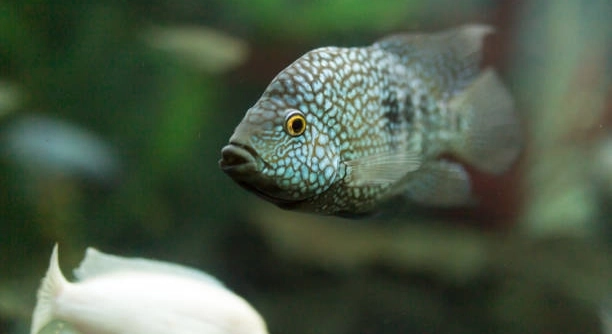
Jack Dempsey fish are striking freshwater fish that captivate many aquarium enthusiasts. Their vibrant colors and lively personalities make them a popular choice, yet caring for them requires attention to feeding habits and overall health management.
Jack Dempsey fish should be fed once or twice daily with a measured amount of food they can consume within a few minutes. Overfeeding can lead to poor water quality and health complications for the fish.
Maintaining a proper feeding routine is essential for growth, color, and longevity, ensuring your Jack Dempsey thrives in a balanced aquatic environment.
Understanding Jack Dempsey Feeding Habits
Jack Dempsey fish are aggressive eaters, which makes it important to control their diet carefully. They require protein-rich food like pellets, frozen or live foods. Feeding too much can cause obesity and poor water quality. Observing how much they eat in a few minutes helps prevent overfeeding. Young fish may need more frequent meals, while adults usually thrive on one or two feedings per day. Consistency is important, as irregular feeding can stress the fish and affect growth. Offering a varied diet supports color vibrancy and immune health. Vegetables can be added occasionally, though protein should remain the focus. Monitoring the tank environment, including water temperature and cleanliness, also affects appetite and digestion. Overfeeding can lead to bloating or digestive issues. Using feeding tongs or designated feeding areas prevents competition and stress among multiple fish in the tank. Proper feeding routines create a healthier, more active Jack Dempsey.
A balanced feeding schedule prevents health problems and keeps your fish active and vibrant in the tank.
Regular feeding enhances growth and behavior. Observing the fish while eating can help detect early signs of illness or stress. Adjusting portion sizes according to activity levels ensures the fish remain healthy. Avoid leaving uneaten food in the tank, as it can quickly decompose, affecting water quality.
Signs of Overfeeding and Underfeeding
Overfeeding can be subtle at first, often showing as slight bloating or slower swimming patterns.
Overfeeding is a common issue that can harm your Jack Dempsey. Uneaten food decomposes, leading to poor water quality, bacterial growth, and oxygen depletion. Excessive feeding causes fat accumulation, digestive problems, and can even shorten lifespan. Underfeeding is equally concerning, as it slows growth, weakens the immune system, and reduces color intensity. Observing appetite, body shape, and activity levels helps determine the correct feeding amount. Maintaining a feeding log can help track adjustments over time. Choosing high-quality pellets or live foods ensures the fish receive necessary nutrients. Gradually adjusting portion size, rather than making abrupt changes, reduces stress. Feeding in a consistent location and removing leftovers prevents water contamination. Using a timer or routine helps maintain regular feeding intervals. Understanding how your fish reacts to each meal allows for tailored feeding strategies. Proper nutrition supports overall health, reduces aggressive behavior, and encourages vibrant coloration in Jack Dempsey fish.
Recommended Foods for Jack Dempsey
High-protein pellets are the easiest staple for daily feeding. Frozen or live foods, like bloodworms or brine shrimp, can be added for variety. Occasionally, small amounts of vegetables can support overall health.
Pellets designed for carnivorous cichlids provide balanced nutrition and are convenient for portion control. Frozen or live foods help stimulate natural hunting behavior and improve coloration. Feeding small amounts multiple times a day for young fish ensures proper growth. Adults benefit from one or two meals daily. Introducing variety in protein sources prevents dietary deficiencies. Vegetables, such as peas or spinach, can be given sparingly to aid digestion. Avoid processed human foods, as these can upset the fish’s digestive system. Monitoring how quickly the fish eats helps adjust portions and prevent leftover food from fouling the tank. Properly storing frozen foods ensures freshness and nutrient retention.
Maintaining variety in the diet is key to long-term health. Switching between pellets and live foods keeps the fish interested in meals. Overfeeding even healthy foods can cause bloating or water quality issues. Observing feeding behavior provides insight into health and appetite. Using tongs or feeding rings ensures each fish gets a fair share, reducing stress and aggression. Consistency in feeding times helps regulate metabolism.
Feeding Frequency and Age Considerations
Young Jack Dempseys require more frequent feeding than adults, usually two to three small meals daily. Adults thrive on one or two meals.
Feeding frequency should be adjusted according to age, size, and activity level. Juveniles have higher energy needs and faster metabolism, requiring more frequent feedings with smaller portions. Adult fish digest food more slowly and benefit from less frequent, controlled meals. Consistent feeding times help establish a routine and reduce stress. Overfeeding at any stage can lead to obesity, digestive issues, and water quality problems. Observing growth rates and behavior allows adjustments in both portion size and frequency. Tank size, water quality, and the number of fish present also influence feeding requirements. Monitoring uneaten food and general appetite ensures proper nutrition without compromising the tank environment. A thoughtful feeding strategy supports optimal growth, vibrant coloration, and long-term health.
Monitoring Your Jack Dempsey’s Weight
Regularly observing your fish’s body shape helps prevent overfeeding. A healthy fish has a slightly rounded belly without swelling.
Tracking weight and appearance over time allows for adjustments in portion size. Sudden bloating, thinness, or changes in swimming behavior can indicate feeding issues or health concerns, requiring prompt attention.
Portion Control Tips
Feed only what your Jack Dempsey can consume within three to five minutes. Excess food should be removed immediately. Maintaining strict portion control prevents water contamination and health problems. Consistency in meal sizes and timing supports proper metabolism and growth, keeping your fish healthy and active.
Seasonal Feeding Adjustments
During warmer months, Jack Dempseys may eat more due to higher metabolism, while cooler temperatures can slow appetite. Adjust meal frequency and portions accordingly. Consistent observation ensures the fish maintain proper weight year-round.
Avoiding Overfeeding Risks
Overfeeding can lead to poor water quality and digestive problems. Limiting portions and removing leftovers reduces these risks.
FAQ
How much should I feed a Jack Dempsey at one time?
Feed only the amount your fish can finish within three to five minutes. Overfeeding even a small excess can foul the water and cause digestive issues. Using a consistent portion size helps maintain weight and prevents bloating. Juveniles may need slightly smaller, more frequent meals.
Can I feed my Jack Dempsey human food?
Human food is not recommended. Bread, meat, or processed snacks can upset their digestive system and lead to long-term health problems. Stick to high-quality pellets, frozen, or live foods designed for carnivorous cichlids. Occasional vegetables like peas are safe but should remain limited.
How often should juvenile Jack Dempseys be fed?
Young fish need more frequent feeding due to their fast metabolism. Offer two to three small meals daily, adjusting portion size based on how quickly they eat. Frequent feedings support proper growth, color development, and energy levels.
Should I vary my Jack Dempsey’s diet?
Yes. A varied diet encourages healthy growth, stimulates natural hunting behavior, and improves coloration. Rotate between pellets, frozen foods, and occasional live foods. Vegetables can be added sparingly to aid digestion. Variety also prevents nutrient deficiencies.
What are the signs of overfeeding?
Signs include bloating, slower swimming, leftover food in the tank, and cloudy water. Overfed fish are prone to obesity and digestive problems. Reducing portion size and removing uneaten food promptly helps prevent these issues.
How can I prevent food from polluting the tank?
Feed measured portions, remove uneaten food, and observe feeding behavior. Using tongs, feeding rings, or designated areas helps control waste. Regular water changes and filtration also maintain a clean environment. Proper feeding habits directly support water quality.
Do seasonal changes affect feeding needs?
Yes. Warmer water increases metabolism, so fish may eat more, while cooler water slows appetite. Adjust meal frequency and portion sizes accordingly, observing activity and body condition to ensure they stay healthy year-round.
What is the best type of pellet for Jack Dempseys?
High-protein pellets formulated for carnivorous cichlids are ideal. They provide essential nutrients, are easy to portion, and support growth. Choosing pellets with added vitamins and minerals can improve color and overall health.
Can I feed my Jack Dempsey live prey?
Yes, live foods like brine shrimp, bloodworms, or small insects encourage natural hunting behavior. Feed occasionally rather than daily to prevent dependency. Ensure live food is safe and free from parasites to protect your fish’s health.
How do I know if my fish is underfed?
Underfed fish appear thin, lose color intensity, have low energy, and may hide more often. Adjusting portion size or meal frequency can correct underfeeding. Monitoring appetite and activity helps maintain optimal health.
Is it necessary to keep a feeding schedule?
A consistent feeding schedule stabilizes metabolism and reduces stress. Feeding at the same times daily helps the fish anticipate meals, supports digestion, and prevents overfeeding. Consistency is more important than feeding quantity alone.
Can I feed my Jack Dempsey multiple times a day as an adult?
Adults generally do well with one or two meals daily. Multiple feedings are only necessary if the fish are highly active or showing signs of slow growth. Avoid overfeeding, as it can lead to bloating and water quality issues.
What precautions should I take with frozen foods?
Thaw frozen foods before feeding, rinse to remove preservatives if needed, and store properly to maintain freshness. Offer in small portions to prevent waste and contamination. Frozen foods can be a reliable source of protein and variety.
How can I encourage picky eaters to eat?
Rotate between pellets, frozen, and live foods to stimulate appetite. Slightly adjusting water temperature within safe limits can improve feeding response. Avoid sudden large changes in diet, as gradual introduction prevents stress.
What vegetables are safe for Jack Dempseys?
Peas, spinach, or zucchini can be offered occasionally. Vegetables should be blanched and chopped into small pieces. Protein should remain the main dietary focus, with vegetables used primarily to support digestion.
How do I know if my Jack Dempsey is eating enough?
Observe activity, growth, body shape, and coloration. A healthy fish will maintain a slightly rounded belly, swim actively, and show vibrant colors. Adjust portion sizes and feeding frequency based on these observations.
Can overfeeding affect tank mates?
Yes. Uneaten food attracts bacteria, increases waste, and can stress other fish. Proper portion control and removing leftovers ensure a healthier environment for all tank inhabitants.
How long can Jack Dempseys go without food?
Healthy adults can tolerate one to two days without food, but longer periods may cause stress or weaken their immune system. Regular feeding is important for growth, color, and overall health.
Is it necessary to feed on weekends or holidays?
Yes, maintaining routine feeding prevents stress and keeps metabolism stable. Automated feeders can help during absences but still require careful portioning. Consistent feeding supports growth, behavior, and water quality.
How do I adjust feeding for multiple fish in one tank?
Feed small, evenly distributed portions to prevent competition. Observe which fish eat first and ensure weaker or smaller fish receive enough food. Using feeding rings or targeted feeding can help manage multiple fish efficiently.
Can feeding affect aggression in Jack Dempseys?
Yes. Proper portioning and regular feeding reduce competition and stress. Overfeeding or underfeeding can increase aggressive behavior. Monitoring diet and feeding habits helps maintain peace in the tank.
Are there supplements needed for Jack Dempseys?
High-quality pellets usually provide sufficient nutrients. Occasional supplements like vitamins or color enhancers can be used if recommended by a fish care professional. Supplements should not replace a balanced diet.
What should I do if my Jack Dempsey refuses to eat?
Check water quality, temperature, and stress factors first. Offer a variety of foods in small portions. Gradual introduction of new foods often restores appetite. Persistent refusal may indicate illness and requires attention.
How important is water quality in feeding?
Very important. Poor water quality reduces appetite and digestion efficiency. Regular water changes, filtration, and careful feeding prevent leftover food from affecting tank conditions. Clean water supports healthy growth and feeding behavior.
Can feeding too much cause disease?
Yes. Overfeeding can lead to obesity, bloating, and digestive issues. Uneaten food promotes bacteria and parasites. Maintaining proper portions and removing leftovers reduces disease risk and promotes long-term health.
How can I tell if my Jack Dempsey is malnourished?
Signs include faded color, slow growth, lethargy, and a thin body. Adjust diet, ensure proper nutrition, and monitor behavior. Malnutrition can have lasting effects if not corrected promptly.
What role does feeding play in coloration?
A protein-rich and varied diet enhances natural colors. Live and frozen foods with carotenoids support vibrant hues. Poor nutrition dulls coloration over time. Consistent, high-quality feeding maintains bright, healthy colors.
Are there differences in feeding male and female Jack Dempseys?
Males may require slightly more protein during growth, while females benefit from consistent, balanced meals. Reproductive cycles can affect appetite, so monitor both closely. Adjust portions to maintain health and energy.
Can I feed my Jack Dempsey at night?
Yes, they are mostly active during the day but can eat in low-light conditions. Consistent feeding time is more important than timing alone. Avoid leaving food in the tank overnight to prevent decay.
How do I balance live and pellet foods?
Feed pellets as the staple, using live foods two to three times a week. This balance provides nutrition, encourages natural behavior, and prevents dependency on live prey. Portioning ensures water quality remains stable.
What should I do if multiple fish compete for food?
Feed in several areas, remove leftovers promptly, and monitor weaker fish. Using tongs or feeding rings can help manage access. Controlled feeding prevents stress and ensures all fish receive adequate nutrition.
Can feeding affect breeding behavior?
Yes. Proper nutrition increases fertility, energy, and overall readiness for spawning. Overfeeding or underfeeding can reduce breeding success. Maintaining a balanced diet is essential for healthy reproduction.
Are frozen and live foods interchangeable?
Not completely. Frozen foods offer convenience and consistency, while live foods stimulate hunting and activity. Both should complement pellets, not replace them. Use a combination for balanced nutrition and enrichment.
What are the signs of underfeeding?
Thin body, dull color, lethargy, and decreased activity are indicators. Adjust portion size and frequency. Regular monitoring prevents long-term health issues and ensures proper growth.
Can feeding habits influence tank cleanliness?
Yes. Excess food leads to waste accumulation, cloudy water, and algae growth. Proper feeding amounts, consistent schedule, and removing leftovers keep the tank cleaner and healthier.
How do I transition to a new diet?
Introduce new foods gradually over several days. Mix with existing diet, increasing the proportion slowly. Sudden changes can cause stress or digestive problems. Observing response ensures acceptance and health.
Is it okay to skip a day of feeding occasionally?
Yes, healthy adults can tolerate one missed feeding without issues. Avoid making it a habit, as prolonged fasting can reduce growth, color, and immune function.
Can stress affect appetite?
Yes. Changes in environment, aggressive tank mates, or poor water quality can reduce feeding. Addressing stress factors restores appetite and overall health. Consistent conditions support regular eating habits.
How do I know if my Jack Dempsey is overweight?
A noticeably swollen belly, sluggish movement, and difficulty swimming indicate excess weight. Reducing portion size and monitoring feeding frequency helps maintain a healthy weight.
What is the ideal feeding routine?
Feed small portions once or twice daily, adjust based on age and activity. Maintain consistency in timing, monitor leftovers, and provide variety. This routine supports health, growth, and vibrant coloration.
Can overfeeding affect lifespan?
Yes. Chronic overfeeding can lead to obesity, organ stress, and poor water quality, reducing lifespan. Balanced feeding and careful monitoring promote longevity and well-being.
How important is observation during feeding?
Observation ensures all fish are eating, portions are correct, and signs of illness or stress are detected early. It helps adjust feeding strategies and maintain tank health.
Are there risks with live feeder fish?
Yes. Live feeder fish may carry parasites or diseases. Always source from reputable suppliers and quarantine if necessary. Consider frozen or prepared alternatives for safety.
How can I encourage slow eaters?
Offer smaller portions, feed in quiet areas, or use tongs to place food near them. Avoid competition and stress to ensure they get enough nutrition. Patience and observation are key.
What is the effect of temperature on feeding?
Higher water temperatures increase metabolism, requiring more frequent feeding. Cooler water slows appetite. Adjust meal size and frequency according to seasonal or tank temperature changes.
Can feeding habits reduce aggression?
Yes. Regular, sufficient feeding reduces competition and stress-related aggression. Proper portion control and consistent schedules promote calmer behavior among tank mates.
Is fasting ever recommended?
Occasional short fasting for adults can help digestion and prevent overfeeding, but it should be done carefully. Never fast juveniles, as they require frequent meals for growth.
How do I store pellet and frozen foods?
Keep pellets dry in sealed containers and frozen foods properly wrapped in the freezer. Avoid moisture or thawing and refreezing to preserve nutrients and prevent spoilage.
Can feeding routines improve immune health?
Yes. Balanced, high-quality nutrition supports the immune system. Regular feeding prevents stress and promotes strong resistance to disease, keeping the fish active and vibrant.
How do I adjust feeding when introducing new fish?
Feed in multiple locations, ensure all fish receive adequate portions, and monitor for stress or aggression. Gradually increase observation to prevent overfeeding and maintain water quality.
Are there common mistakes to avoid?
Avoid overfeeding, skipping feedings for juveniles, using inappropriate human foods, or sudden diet changes. Consistency, portion control, and monitoring behavior prevent health issues and water problems.
How do I ensure long-term feeding success?
Maintain a balanced, high-protein diet, consistent feeding times, and careful portion control. Observe behavior, adjust for age and seasonal changes, and monitor water quality to support health and longevity.
What is the best approach for tank maintenance related to feeding?
Remove uneaten food promptly, perform regular water changes, and use a reliable filtration system. Controlled feeding reduces waste, prevents disease, and supports a stable, healthy environment.
Can feeding affect swimming behavior?
Yes. Overfeeding can slow movement and cause bloating, while underfeeding reduces energy. Proper portions and routine feeding maintain activity and responsiveness.
Are there specific feeding tools that help?
Feeding tongs, rings, and scoops help control portions and reduce competition. These tools ensure food reaches the intended fish and prevents tank contamination.
How do I track feeding effectiveness?
Observe appetite, body condition, activity, color, and tank cleanliness. Adjust portions, frequency, and diet based on these indicators. Keeping notes or a feeding log helps maintain consistency.
Can feeding prevent aggression during breeding?
Yes. Proper nutrition supports energy and reduces competition for food, helping create a calmer environment during breeding periods. Regular, controlled feeding benefits both adults and fry.
What are the long-term effects of improper feeding?
Chronic overfeeding or underfeeding leads to obesity, slow growth, weak immunity, color loss, and shorter lifespan. Maintaining consistent, balanced feeding ensures overall health and longevity.
How can I gradually increase portion sizes?
Start with small increments, monitor appetite and water quality, and adjust gradually over days. This prevents overfeeding, stress, and digestive issues. Incremental changes are safer than abrupt increases.
Is it necessary to remove leftovers immediately?
Yes. Leftovers decay quickly, reduce water quality, and can cause illness. Prompt removal supports healthy digestion and prevents bacterial or fungal growth.
Can feeding habits influence tank cleanliness long-term?
Yes. Controlled portions and regular removal of uneaten food minimize waste buildup, reduce algae growth, and maintain stable water conditions. Proper feeding is crucial for long-term tank health.
How do I balance protein and vegetable intake?
Protein should remain the focus, with vegetables given sparingly. Pellets and live foods provide most nutrients, while occasional vegetables support digestion and variety. Balance ensures health without overfeeding.
Are there signs of stress related to feeding?
Hiding, erratic swimming, refusal to eat, or aggression can indicate stress. Adjust feeding methods, portion sizes, and tank conditions to reduce stress and improve overall health.
Can I use an automatic feeder for Jack Dempseys?
Yes, for consistency during absences. Set accurate portion sizes, and monitor for leftover food. Automatic feeders are useful but require careful calibration to avoid overfeeding.
How do I prevent selective eating?
Offer a mix of pellets, frozen, and live foods in small portions. Avoid sudden diet changes and feed in multiple spots to ensure all fish consume a balanced diet. Observation helps correct picky behavior.
What role does feeding play in overall tank balance?
Proper feeding prevents excess waste, supports stable water conditions, and reduces aggression. Balanced nutrition ensures fish health, enhances activity, and maintains a harmonious tank environment.
Can feeding frequency affect color vibrancy?
Yes. Consistent feeding with protein-rich and varied foods supports bright, healthy colors. Irregular or insufficient feeding can dull natural coloration over time.
How do I adjust feeding for tank temperature changes?
Increase portions slightly in warmer months when metabolism rises; reduce feedings during cooler periods. Observing appetite and behavior guides appropriate adjustments to maintain health.
Can feeding affect lifespan and growth?
Yes. Balanced, consistent feeding promotes proper growth, immune health, and longevity. Overfeeding or underfeeding can stunt growth, reduce lifespan, and cause long-term health issues.
Are there risks with sudden diet changes?
Yes. Abrupt changes can cause stress, loss of appetite, and digestive problems. Gradual introduction ensures acceptance and minimizes negative effects.
What should I do if my Jack Dempsey refuses new foods?
Introduce slowly, mixing with familiar foods. Slightly changing texture or presentation can encourage acceptance. Persistent refusal may indicate stress or health issues requiring attention.
Can feeding habits affect tank algae growth?
Yes. Uneaten food increases nutrients that fuel algae. Controlling portions, removing leftovers, and maintaining filtration reduces algae growth and keeps the tank clean.
How do I maintain consistency in feeding?
Set a routine, observe appetite, use measured portions, and record feeding times. Consistency stabilizes metabolism, reduces stress, and supports overall health and coloration.
Is fasting ever beneficial for adults?
Occasional short fasting aids digestion and prevents overfeeding. Avoid fasting juveniles, as they require frequent meals for growth and development.
How can I safely introduce live food?
Source from reputable suppliers, quarantine if necessary, and offer in small portions. Live food should complement, not replace, a balanced pellet diet to maintain nutrition.
Can feeding methods reduce aggression among multiple fish?
Yes. Feeding in multiple areas, removing leftovers, and controlling portion sizes reduces competition, prevents bullying, and maintains harmony in the tank.
What is the impact of feeding on overall behavior?
Regular, balanced feeding supports active, responsive fish. Overfeeding can slow movement, while underfeeding reduces energy. Proper diet maintains natural behavior and temperament.
How do I manage feeding for a new tank setup?
Introduce food gradually, observe all fish, and adjust portion sizes. Monitor water quality closely, as new tanks are sensitive to uneaten food and nutrient spikes.
Can feeding influence reproduction success?
Yes. Proper nutrition increases fertility, energy, and readiness for spawning. Overfeeding or underfeeding can reduce breeding success and affect fry health.
Are there special considerations for older Jack Dempseys?
Older fish may eat less but require nutrient-dense food. Adjust portion sizes, maintain consistent feeding times, and monitor weight to prevent obesity or malnutrition.
How can I tell if feeding routines are effective?
Healthy body shape, active behavior, vibrant color, and clean tank conditions indicate effective feeding. Adjust portions, frequency, or diet if signs of stress, bloating, or lethargy appear.
What should I avoid when feeding Jack Dempseys?
Avoid overfeeding, using human foods, abrupt diet changes, and leaving uneaten food in the tank. Consistency, proper portions, and high-quality foods prevent health and water issues.
How does feeding affect tank maintenance?
Controlled feeding reduces waste buildup, minimizes bacterial growth, and keeps filtration effective. Proper feeding is essential for long-term water quality and a stable tank environment.
Can feeding influence aggression during feeding times?
Yes.
Final Thoughts
Proper feeding is one of the most important aspects of caring for a Jack Dempsey fish. These fish are known for their bold personalities and strong appetites, which makes it easy to overfeed them if portions are not carefully controlled. Maintaining a consistent feeding schedule ensures that your fish receive the right amount of nutrition without causing unnecessary stress or water quality issues. Feeding one or two times daily is generally sufficient for adults, while juveniles require smaller, more frequent meals to support their faster metabolism and growth. Using high-quality pellets as the main food source, complemented by occasional frozen or live foods, provides the necessary protein and nutrients to keep your Jack Dempsey healthy and active. Observing their eating habits during each feeding session helps you adjust portion sizes and prevent leftover food from decomposing in the tank, which could negatively impact water conditions and overall health.
Variety in diet also plays a key role in maintaining both the physical health and natural coloration of your fish. High-protein foods like pellets, brine shrimp, or bloodworms help maintain muscle development and energy levels, while occasional vegetables can support digestion and offer minor nutritional benefits. Avoiding human foods or inappropriate items ensures that digestive problems and other health complications are minimized. Feeding behavior can also serve as an indicator of overall well-being. A healthy Jack Dempsey should be active, alert, and eager to eat during scheduled meals. Signs such as bloating, lethargy, or refusal to eat may signal overfeeding, underfeeding, or underlying health issues. Paying attention to these details allows you to make small adjustments to feeding routines before any problems become serious, ensuring the long-term health and vibrancy of your fish.
Finally, maintaining a clean and stable tank environment goes hand in hand with proper feeding practices. Uneaten food can quickly pollute the water, promote bacterial growth, and reduce oxygen levels, creating stress for all tank inhabitants. Consistent portion control, prompt removal of leftovers, and routine water changes help maintain ideal water quality, which directly affects feeding behavior and overall health. Temperature, tank size, and the presence of other fish also influence how much and how often your Jack Dempsey should be fed. By observing the fish closely and adjusting portions and frequency as needed, you can ensure that they remain healthy, energetic, and vibrant for years to come. Proper nutrition, combined with careful attention to tank conditions, provides a solid foundation for a thriving Jack Dempsey fish, allowing you to enjoy their striking appearance and lively personality without complications.

Hello,
If you enjoy the content that we create, please consider saying a "Thank You!" by leaving a tip.
Every little bit helps us continue crafting quality advice that supports the health, happiness, and well-being of pets around the world, for pets of all shapes, sizes, and species.
We really appreciate the kindness and support that you show us!