
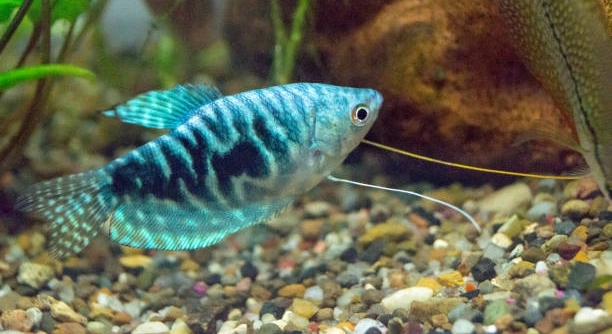
Do you ever find yourself staring at your gourami tank and wondering if it’s time for another cleaning session?
Gourami tanks should be cleaned every one to two weeks, depending on the tank size, number of fish, and filtration system used. Regular water testing and partial water changes help maintain stable water conditions and fish health.
Keeping up with a simple cleaning routine helps prevent common tank problems and keeps your gouramis healthy and active.
How Often to Clean Your Gourami Tank
Cleaning a gourami tank is about keeping the water clean and your fish healthy. A basic routine is to do a partial water change every one to two weeks. Replace about 25% of the tank’s water each time. This helps remove waste and keep ammonia, nitrite, and nitrate levels safe. If your tank is smaller or more crowded, you may need to clean it more often. Use a gravel vacuum to remove uneaten food and debris. Clean algae off the glass with a sponge or scraper. Rinse your filter media in tank water monthly—not tap water—to keep helpful bacteria alive. Pay attention to how your tank looks and smells. Cloudy water, algae buildup, or unusual fish behavior are signs that it’s time to clean. Regular maintenance keeps your gouramis active and less stressed, and it helps prevent disease from spreading in the tank. Keep supplies nearby to make cleaning easier.
For smaller tanks under 10 gallons, cleaning might need to happen weekly. Larger tanks with good filters can go two weeks between cleanings.
Consistency is key. Following a regular cleaning schedule helps avoid large problems later and makes sure your gouramis stay in a safe, clean space.
What Happens If You Don’t Clean It Enough
Skipping regular cleanings leads to poor water quality, which can stress or even harm your gouramis. Dirty water builds up harmful waste and lowers oxygen levels.
When waste builds up, ammonia and nitrite can rise quickly. Both are harmful to fish and can cause your gouramis to lose color, become sluggish, or start gasping at the surface. Long-term exposure to bad water can damage their gills and weaken their immune systems. Algae can also grow rapidly, making the tank look messy and using up oxygen your fish need. Uneaten food and waste sitting in the gravel can lead to a foul smell and cloudy water. Filters clogged with debris won’t work properly either. If you go too long without cleaning, a full tank overhaul may be needed, which can be stressful for your fish. A clean tank supports stable water conditions, which helps gouramis stay calm, healthy, and active every day.
How to Make Cleaning Easier
Using the right tools can make cleaning quicker and less stressful. A gravel vacuum helps remove debris without fully emptying the tank. A clean sponge or algae scraper keeps the glass clear without using chemicals.
Set a simple schedule and stick to it. For example, clean your tank every Sunday or every other weekend. Keep your supplies in one spot so you don’t waste time looking for them. Test your water regularly using easy test strips or liquid kits. These can alert you when something’s off before it becomes a bigger problem. Don’t forget to rinse your filter media gently in old tank water to keep good bacteria alive. Cleaning small amounts regularly is much easier than doing a deep clean after neglecting the tank. The more consistent you are, the less effort each cleaning takes. Making small changes to your routine helps a lot in the long run.
You don’t need to remove your gouramis during basic cleaning. That can stress them out more than leaving them in. Just move slowly and avoid sudden movements. Use a bucket only for tank water to avoid soap or chemical residue. Never use harsh cleaners—cleaning with tank-safe supplies is enough to keep everything safe for your fish. A little care each week keeps your tank balanced and your gouramis comfortable. Over time, you’ll notice what your specific tank needs and can adjust your routine. What matters most is consistency and staying alert to signs of trouble before they become hard to fix.
Common Cleaning Mistakes to Avoid
Some people clean too much and remove all the beneficial bacteria. That can upset the tank’s balance and lead to more problems than it solves.
Avoid washing your filter in tap water, as chlorine can kill the bacteria that help manage waste. Don’t replace all the water at once—large water changes can shock your fish and harm their health. Try not to overfeed, since uneaten food turns into waste. Use a timer or reminder for your cleaning schedule so you don’t forget. Skipping cleanings can cause things to get out of control fast, especially in smaller tanks. Make sure to rinse new decorations before placing them in the tank to avoid chemical residue. Don’t scrub everything too aggressively—some buildup is normal and safe. A calm, steady cleaning routine is better than extreme fixes. Paying attention to your gouramis’ behavior can also warn you early if something is wrong with the tank.
Signs Your Tank Needs Cleaning
Cloudy water, algae on the glass, and a strong smell are early signs the tank needs attention. You might also notice your gouramis swimming near the surface more often or acting less active than usual.
Check the water color and clarity often. If it looks off, it’s usually time for a cleaning. Fish waste, leftover food, and decaying plants can build up faster than expected. Don’t wait for things to look bad—small signs usually come first.
What to Do After Cleaning
After cleaning, keep an eye on your gouramis for a few hours to make sure they’re acting normally. Check the temperature and test the water levels to make sure nothing changed too much. It’s normal for the water to look slightly stirred up at first. If your filter was cleaned, make sure it’s running properly again. Feed your fish lightly afterward and avoid any big changes for a day or two. Give the tank time to settle. Don’t add new fish or decorations right away. Let things balance out first. Staying calm and gentle during cleanings helps your gouramis adjust with less stress.
When to Do a Deep Clean
Only deep clean the tank if water quality has dropped too far or there’s been an outbreak of illness. It’s not something you should do often.
FAQ
How can I tell if my gourami is stressed due to dirty water?
Stress in gouramis can show in different ways. If the water quality is poor, your fish might act lethargic, hide more often, or swim near the surface trying to get more oxygen. You may also notice changes in their color, like fading or dullness. If your gourami seems unusually skittish or shows signs of gasping, it’s time to check the water and clean the tank. Keep a close watch on them after water changes to see if their behavior improves. Proper cleaning and maintaining water quality help keep stress levels low and your fish happy.
Can I clean the tank without removing my gouramis?
Yes, you can clean the tank without removing your gouramis, as long as you move slowly and avoid sudden movements. Taking them out of the tank can cause them stress and should be done only if absolutely necessary (such as for a deep clean or if illness is suspected). For regular maintenance, simply vacuum the gravel, clean the glass, and replace part of the water. Always make sure the water temperature and conditions stay stable, and never use chemicals or soap to clean the tank. Keeping the fish in their environment ensures they stay comfortable.
How often should I clean the filter in my gourami tank?
You should clean the filter about once a month, but only rinse the filter media in tank water, not tap water. Tap water can contain chlorine or other chemicals that can kill the beneficial bacteria in your filter. Cleaning the filter helps it work efficiently and keeps your water quality stable. If the filter is clogged, the tank’s water circulation will be reduced, which can lead to poor water quality. Don’t replace the filter media too often, as this could disrupt the balance in your tank. Check the filter every week to make sure it’s functioning well.
What type of filter is best for a gourami tank?
A gentle filter is best for a gourami tank. Gouramis prefer calm water, so a filter with adjustable flow or one that doesn’t create too much current is ideal. Sponge filters or hang-on-back filters work well, as they provide gentle filtration and oxygenation without creating strong water movement. The filter should be able to process the tank’s water volume, but it’s better to have a filter that’s slightly underpowered than overpowered. Always test the water’s quality regularly to make sure the filter is working effectively. Keep in mind that a good filter helps maintain water clarity and removes harmful waste.
Can I use chemicals to clean my gourami tank?
Avoid using chemicals or cleaning products in your gourami tank. Even so-called aquarium-safe cleaners can leave behind residues that harm fish. Instead, clean the tank with warm water and use aquarium-safe sponges or scrapers to remove algae from the glass. If you must disinfect something, rinse it thoroughly in tank water to ensure no soap or chemical residue remains. Regular cleaning of the gravel, glass, and filter should be enough to keep the tank clean. Using natural methods is safer for both your fish and the tank environment.
How do I clean the gravel in a gourami tank?
To clean the gravel, use a gravel vacuum during your regular water changes. The vacuum sucks up debris like leftover food and fish waste while leaving the gravel in place. Make sure to move the vacuum slowly through the gravel to avoid disturbing the substrate too much. Cleaning the gravel prevents the buildup of harmful substances like ammonia and keeps the tank healthy. It’s also a good idea to check the gravel for any uneaten food after feeding your gouramis, as this can decompose and affect water quality.
Is it necessary to do a full water change in a gourami tank?
A full water change is usually not necessary unless something has gone seriously wrong, like a disease outbreak or water contamination. For regular maintenance, aim to replace about 25% of the water every one to two weeks. Doing a full water change can disrupt the tank’s ecosystem and stress out your fish. If you need to do a larger water change, be sure to match the new water’s temperature and parameters to the old water. Slowly add the new water to prevent shocking your gouramis. Regular partial water changes are typically enough to maintain healthy water conditions.
How can I reduce algae growth in my gourami tank?
To reduce algae growth, limit light exposure to the tank. Algae thrive in direct light, so try to place your aquarium in a spot where it doesn’t get too much sunlight. Reduce the amount of time the tank lights are on—about 8-10 hours per day is sufficient. You can also use algae-eating species like snails or certain types of shrimp to help keep the algae in check. Regularly clean the glass and decor to prevent algae buildup. Keep the water quality high by doing regular water changes and avoiding overfeeding, as excess nutrients can encourage algae growth.
What should I do if the water gets cloudy after cleaning?
Cloudy water after cleaning is often caused by disturbed debris or a sudden change in water parameters. This is typically temporary and should clear up within a day or two. If the cloudiness persists, it could be a sign of a bacterial bloom or excess nutrients. Check your water’s ammonia, nitrite, and nitrate levels, as high levels of any of these can cause cloudy water. Perform a partial water change and clean your filter to help clear up the water. If necessary, add a bacterial supplement to help restore balance in the tank.
Can I add new fish right after cleaning the tank?
It’s best to wait at least 24 hours after cleaning before adding new fish to your gourami tank. Cleaning the tank can temporarily alter water parameters, and introducing new fish too soon could stress them out or lead to health issues. Make sure the water temperature, pH, and other levels are stable before introducing any new fish. Introduce them gradually, and always quarantine new fish for a few weeks before adding them to your main tank to prevent disease from spreading.
Final Thoughts
Keeping your gourami tank clean doesn’t have to be difficult or overwhelming. With a simple cleaning routine, you can maintain good water quality and a healthy environment for your fish. The key is to stay consistent and watch for early signs that something might be off. Regular water changes, checking the filter, and removing debris from the gravel will go a long way in keeping your gouramis happy and active. It’s important to clean, but not overdo it, as disrupting the tank too much can cause stress to your fish.
Each tank is unique, so take some time to learn what works best for your setup. Factors like tank size, filtration system, and how many gouramis you have all play a role in how often you should clean. Some tanks may need more frequent cleaning, especially if they are smaller or more crowded. On the other hand, larger tanks with a good filtration system can go a bit longer between cleanings. As you get used to maintaining your tank, you’ll find a rhythm that suits both you and your fish.
Lastly, don’t forget that water quality is just one part of a healthy tank. Along with regular cleaning, you should keep an eye on things like the tank temperature, lighting, and feeding habits. Your gouramis will thrive in a balanced environment where their needs are met consistently. Taking care of your tank may take some time and effort, but it’s worth it to see your fish happy and healthy. A little attention to detail can go a long way in creating a peaceful and thriving space for your gouramis.

Hello,
If you enjoy the content that we create, please consider saying a "Thank You!" by leaving a tip.
Every little bit helps us continue crafting quality advice that supports the health, happiness, and well-being of pets around the world, for pets of all shapes, sizes, and species.
We really appreciate the kindness and support that you show us!