
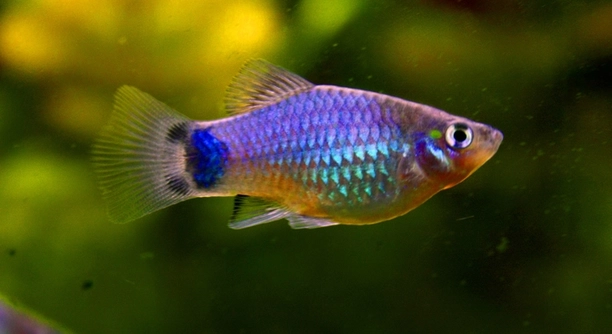
Keeping a platy tank clean is important for maintaining a healthy environment for your fish. Many platy owners want to know how often they should perform cleaning to keep their tank balanced and safe. Regular maintenance helps prevent common water quality issues.
Cleaning a platy tank should be done regularly, typically every two weeks, depending on tank size and stocking levels. Partial water changes and substrate cleaning help maintain water quality, reduce waste buildup, and promote the well-being of platies.
Proper cleaning routines protect your fish and keep the tank looking its best. Learning the right schedule will ensure a stable habitat for your platies to thrive.
Why Regular Cleaning Matters
Keeping a platy tank clean helps maintain water quality, which is essential for the health of your fish. Uneaten food, fish waste, and plant debris can quickly accumulate, causing harmful ammonia and nitrite levels. Regular cleaning prevents these toxins from building up and causing stress or illness to your platies. It also reduces algae growth that can cloud the water and make the tank look unattractive. Cleaning the tank encourages beneficial bacteria that break down waste products, balancing the aquarium’s ecosystem. This process helps keep your fish active and vibrant. Neglecting regular cleaning can lead to disease outbreaks and poor water conditions, which are harmful to platies. By scheduling consistent maintenance, you ensure a stable and safe environment for your aquatic pets.
Routine cleaning supports the natural balance inside the tank, improving water clarity and fish health.
Establishing a cleaning routine involves more than just changing the water. It includes vacuuming the substrate to remove settled debris, wiping the glass to prevent algae buildup, and cleaning filter media without destroying beneficial bacteria. Monitoring water parameters frequently allows early detection of imbalances. Using a gravel vacuum during water changes removes waste trapped under decorations and plants. Filters should be rinsed gently in tank water to preserve helpful bacteria colonies. Skipping or rushing cleaning tasks may cause sudden spikes in toxins, leading to stressed or sick fish. A well-maintained tank promotes consistent water conditions, which helps platies grow and reproduce successfully. Ultimately, regular cleaning is essential for creating a healthy habitat where your fish can thrive without constant problems.
Signs Your Platy Tank Needs Cleaning
Cloudy water, unusual odors, or algae overgrowth usually indicate that cleaning is needed.
Ignoring these signs can harm your fish. Cloudy water may mean excess waste, while odors often come from decaying organic material. Algae growth signals an imbalance in light or nutrients. Addressing these issues promptly through cleaning keeps the tank healthy. Regular observation helps prevent serious problems and extends the life of your tank setup. Clean water promotes active and colorful platies.
How to Clean a Platy Tank
Cleaning a platy tank involves partial water changes, substrate vacuuming, and filter maintenance. Avoid removing all water at once to protect beneficial bacteria. Use a siphon to remove debris and replace 20-30% of the water regularly for best results.
Start by removing 20-30% of the tank water using a siphon or gravel vacuum. This helps eliminate waste trapped in the substrate and water. Avoid cleaning the filter too aggressively; rinse it gently in tank water to keep helpful bacteria intact. Wipe algae from tank walls with an algae scraper or sponge. Check decorations and plants for debris or buildup and clean them as needed. Cleaning in small steps avoids disturbing the tank’s balance and reduces stress for the fish.
After cleaning, refill the tank with dechlorinated water at the same temperature as the tank water. Monitor water parameters to ensure stability. Avoid overfeeding platies, as leftover food accelerates waste buildup. Regular maintenance and careful cleaning keep the environment safe and comfortable for your fish.
Tools Needed for Tank Cleaning
Basic tools include a gravel vacuum, algae scraper, bucket, and water conditioner. These items help maintain tank cleanliness and water quality efficiently.
A gravel vacuum removes waste from the substrate without disturbing the fish too much. An algae scraper clears the tank walls to keep water clear and improve light penetration. Use a dedicated bucket only for aquarium tasks to avoid contamination. Water conditioner removes chlorine and harmful chemicals from tap water before adding it back into the tank. Having these tools on hand simplifies regular maintenance and protects your platies from harmful substances. Keeping tools clean and reserved for aquarium use prevents introducing bacteria or chemicals that could harm the fish. Proper equipment makes cleaning less stressful and more effective.
Best Frequency for Water Changes
Water changes every two weeks are generally sufficient for a platy tank. More frequent changes may be needed for heavily stocked or smaller tanks.
Consistent water changes help maintain stable water chemistry and remove toxins. This routine supports your fish’s health and keeps the environment fresh and clear.
Monitoring Water Quality
Test water regularly for ammonia, nitrites, and nitrates. Keeping these parameters in check prevents stress and disease in platies.
Regular monitoring allows early detection of problems. Use simple test kits to track water quality and adjust maintenance accordingly.
Avoiding Overfeeding
Overfeeding causes excess waste that degrades water quality quickly. Feed platies small amounts once or twice daily.
Proper feeding habits reduce tank pollution and make cleaning easier. This practice supports a balanced and healthy aquarium environment.
FAQ
How often should I change the water in my platy tank?
For most platy tanks, changing 20-30% of the water every two weeks is recommended. This helps keep harmful waste levels low without disturbing the tank’s balance. If your tank is smaller or more heavily stocked, more frequent changes may be necessary to maintain water quality.
Can I clean the entire tank at once?
Cleaning the entire tank in one session is not advised. Removing all the water or cleaning everything thoroughly at once can disrupt beneficial bacteria essential for breaking down waste. Instead, partial water changes and gradual cleaning of filters and substrate help maintain a healthy environment.
What tools do I need to clean my platy tank effectively?
Essential tools include a gravel vacuum for substrate cleaning, an algae scraper for tank walls, a dedicated bucket for water changes, and a water conditioner to treat tap water before adding it back. These tools make cleaning efficient and protect your fish from harmful chemicals.
How do I prevent algae buildup in my tank?
Algae growth is natural but can be controlled with regular cleaning, limiting excess light exposure, and avoiding overfeeding. Wiping the tank walls during routine maintenance and keeping plants and decorations clean will reduce algae accumulation.
Is it okay to clean the filter every time I change the water?
No, the filter should be cleaned less often and only rinsed gently in tank water to preserve beneficial bacteria. Over-cleaning the filter media can kill these bacteria and cause water quality issues. Aim to clean the filter every month or as needed depending on its condition.
What signs show that my tank needs cleaning?
Cloudy water, strong odors, and visible algae are clear signs that cleaning is due. Additionally, if your fish appear stressed or less active, poor water quality could be the cause. Regular observation helps catch problems early.
How can I avoid stressing my platies during cleaning?
Clean the tank gradually by changing small portions of water and avoid rearranging decorations or plants too often. Use gentle tools and maintain water temperature and chemistry to reduce stress. Keeping a calm environment benefits your fish’s well-being.
Can overfeeding affect how often I need to clean the tank?
Yes, overfeeding increases waste production and speeds up the buildup of harmful substances. Feeding small portions once or twice a day helps keep waste manageable and reduces cleaning frequency.
Should I remove my platies during cleaning?
In most cases, it’s unnecessary to remove platies during regular cleaning. Partial water changes and substrate cleaning can be done safely with fish in the tank. Only remove them if performing a full tank overhaul or if water parameters become unsafe.
What water parameters should I monitor regularly?
Testing ammonia, nitrite, nitrate, and pH levels regularly is important. Maintaining low ammonia and nitrite levels and stable pH ensures a healthy environment. Use test kits designed for aquariums to keep track and adjust care routines accordingly.
How does substrate cleaning help my platy tank?
Cleaning the substrate removes uneaten food and waste that settle at the bottom. This prevents toxins from accumulating and improves water clarity. A gravel vacuum makes this process easy and keeps the tank clean without disturbing your fish.
How important is water temperature during cleaning and refilling?
Water temperature should match the tank’s current temperature when refilling after cleaning. Sudden temperature changes can stress fish and cause health problems. Using a thermometer helps ensure safe water conditions.
Are there natural ways to keep my tank clean?
Including live plants and algae-eating snails can help reduce waste and control algae growth naturally. However, these methods do not replace regular cleaning but can support overall tank health.
Can I use tap water directly for water changes?
No, tap water contains chlorine and other chemicals harmful to fish. Always treat tap water with a water conditioner before adding it to the tank. This step makes the water safe and protects your platies.
What happens if I clean the tank too rarely?
Neglecting regular cleaning leads to toxin buildup, poor water quality, stressed fish, and higher risks of disease. Maintaining a consistent cleaning schedule prevents these issues and supports a healthy aquarium environment.
Regular cleaning and maintenance of a platy tank are essential to keeping your fish healthy and happy. A clean tank helps maintain water quality by removing waste, uneaten food, and algae buildup. These factors can affect your fish’s health if not addressed on time. Consistent partial water changes, cleaning the substrate, and proper filter care work together to create a stable environment. This stable environment supports the natural balance inside the tank, which reduces stress and illness among your platies. Following a regular cleaning schedule also makes it easier to spot any problems early, such as changes in water clarity or unusual fish behavior.
Proper tools and techniques simplify the cleaning process and protect your fish. Using a gravel vacuum to remove debris from the substrate keeps the tank floor clean without disturbing your fish too much. An algae scraper helps maintain clear glass walls so you can easily see your platies and enjoy the tank’s appearance. It is important to rinse filters gently in tank water rather than tap water to preserve the beneficial bacteria colonies that break down harmful substances. Water conditioners are also necessary to remove chlorine and other chemicals from tap water before adding it back to the tank. These small steps in your cleaning routine ensure your platies live in a safe, comfortable space.
Overfeeding is a common mistake that increases the need for frequent cleaning. Feeding small portions once or twice a day helps reduce waste buildup and keeps the water clearer for longer. Monitoring water parameters regularly allows you to maintain a healthy balance and prevent spikes in harmful toxins. Paying attention to the signs that your tank needs cleaning, such as cloudy water or algae growth, helps keep your tank in good condition. In summary, staying consistent with cleaning and maintenance routines is the best way to provide a thriving environment for your platies and enjoy a beautiful, healthy aquarium.

Hello,
If you enjoy the content that we create, please consider saying a "Thank You!" by leaving a tip.
Every little bit helps us continue crafting quality advice that supports the health, happiness, and well-being of pets around the world, for pets of all shapes, sizes, and species.
We really appreciate the kindness and support that you show us!