
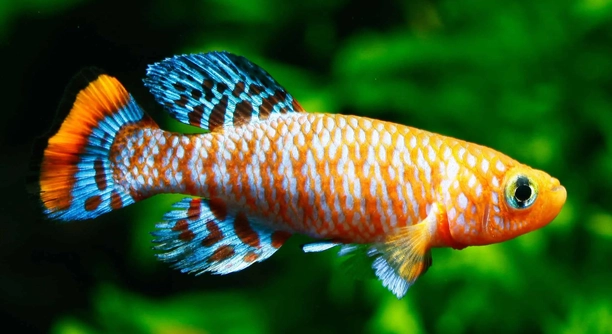
Have you ever found yourself wondering how often your killifish tank needs a water change to keep everything healthy and stable?
Killifish water should be changed every 5 to 7 days, depending on tank size, bio-load, and filtration. Regular partial water changes maintain water quality, remove waste buildup, and ensure optimal conditions for your killifish to thrive.
Knowing the right timing for water changes can help keep your killifish healthy and your tank running smoothly with minimal stress.
Why Water Changes Matter for Killifish
Regular water changes are essential for maintaining a clean and safe environment in your killifish tank. These fish are sensitive to poor water conditions, which can lead to stress and illness. Over time, waste, uneaten food, and toxins like ammonia and nitrite build up, even in a well-filtered tank. Performing partial water changes helps remove these substances and replace them with clean water. This keeps the tank’s parameters stable, especially pH and hardness, which killifish rely on for good health. Clean water also improves oxygen levels, helps beneficial bacteria function properly, and reduces the chances of harmful algae blooms forming.
A consistent schedule helps prevent sudden changes that could shock your fish. Changing about 20% to 30% of the tank water each week is a good routine for most setups.
If you breed killifish or keep them in smaller tanks, you may need to change water more frequently to keep conditions ideal.
Signs It’s Time to Change the Water
You may notice cloudy water, a strange smell, or fish hiding more often. These are signs the water is no longer in good condition.
Killifish are known for being hardy, but that doesn’t mean they can thrive in poor water quality. When waste builds up, it can quickly lead to rising ammonia and nitrite levels, which are dangerous even in small amounts. Water changes not only remove these toxins but also replenish trace minerals that help your fish stay active and healthy. If you notice your killifish becoming less colorful, less active, or spending more time near the surface or bottom, it’s often related to water quality. Testing the water can confirm if parameters are off. Acting quickly with a partial water change can restore balance and prevent bigger issues. A stable, well-maintained environment allows your killifish to display their full colors and natural behavior.
How Tank Size and Stocking Impact Water Changes
Smaller tanks tend to accumulate waste faster, especially if they are heavily stocked. This means water changes need to happen more often to maintain good quality and reduce stress on your killifish. A larger tank gives more room for balance.
In a 5- to 10-gallon tank, water quality can shift quickly. Killifish produce waste like any other fish, and when space is limited, the impact is greater. If your tank is on the smaller side and holds several fish, changing 30% of the water twice a week may be necessary. Larger tanks, such as 20 gallons or more, offer more stable conditions and can often go 7 days between changes. Filtration matters, but it doesn’t replace water changes. Overfeeding or decaying plant matter can add to the load. The more crowded the tank, the more closely you need to watch for water clarity and behavior changes in your fish.
Spacing out fish and choosing a larger tank setup gives you more room to manage water quality. Tanks with just a pair or trio of killifish usually need fewer water changes than community setups. When stocking is lighter, weekly changes of 20–25% often work well. But always observe your fish and water closely for changes.
How Feeding Affects Water Quality
Feeding habits play a big role in how often you should change the water. Uneaten food breaks down and releases toxins into the tank. Overfeeding even a little can quickly affect water quality, especially in smaller tanks.
Killifish are active eaters, but their needs are small. Feed once or twice a day, offering only what they can finish in a couple of minutes. If food sinks and isn’t eaten, it should be removed to avoid excess waste buildup. Live or frozen food is nutritious, but it can dirty the tank faster than pellets. Try to keep a regular feeding schedule and adjust portion sizes based on how quickly they eat. Skip feeding once a week if needed to help reset the tank’s balance. Keeping feeding light makes your water last longer between changes and keeps your fish healthier in the long term.
Water Change Tips for Killifish Tanks
Use a siphon or gravel vacuum to remove waste from the bottom while changing the water. This helps prevent ammonia spikes and keeps the tank cleaner without disturbing your fish too much. Always match the temperature of the new water before adding it in.
Condition tap water to remove chlorine and chloramines before use. Avoid large water changes unless absolutely necessary, as they can cause stress. Smaller, frequent changes are gentler and more effective. Keep a routine that works for your schedule and your killifish’s needs.
Monitoring Water Parameters Regularly
Testing your tank water once or twice a week helps catch problems early. Use simple liquid test kits or test strips to check ammonia, nitrite, nitrate, and pH levels. If anything seems off, a partial water change is usually the best first step. Track your results to see patterns over time.
Avoiding Overcleaning
Overcleaning can remove beneficial bacteria that your killifish rely on. Stick to partial changes and gentle gravel vacuuming.
FAQ
How much water should I change in a killifish tank?
Change 20% to 30% of the tank water once a week for most setups. If the tank is smaller than 10 gallons or has more fish, consider changing water twice a week. Regular, smaller changes are better than large, occasional ones.
Can I skip a water change if the water looks clean?
Even if the water looks clear, it may still hold harmful substances like nitrates or dissolved waste. Visual clarity doesn’t always reflect water quality. Stick to your routine and use test kits to be sure everything stays safe for your killifish.
What happens if I don’t change the water regularly?
Waste buildup can cause ammonia and nitrite spikes, which are toxic to fish. Over time, stress from poor water conditions can weaken your killifish’s immune system, make them dull in color, and shorten their lifespan. Water changes prevent these issues.
How do I make water changes less stressful for killifish?
Use a gentle siphon and move slowly when working in the tank. Avoid sudden temperature shifts by matching the new water’s temperature. Do not change too much water at once, and keep lighting and noise levels low during maintenance.
Should I remove the killifish during water changes?
No, it’s best to leave them in the tank. Removing them can cause more stress than the water change itself. Just be gentle and avoid splashing or stirring up too much debris while siphoning.
How do I know if I’m overfeeding my killifish?
If food stays uneaten after two minutes, you’re likely giving them too much. Watch their bellies—bloated fish may signal overfeeding. Leftover food is a major source of waste, so reducing portions helps with water quality and fish health.
Can I use bottled water instead of tap water?
You can, but it’s not necessary unless your tap water is unsafe. Tap water treated with a good conditioner works well. Bottled water often lacks essential minerals, so you may need to remineralize it before use.
How often should I clean the filter?
Clean your filter media once every 2–4 weeks using water from the tank. Don’t scrub or replace it unless it’s falling apart. Overcleaning the filter can remove the beneficial bacteria that help break down waste in your aquarium.
What water parameters do killifish need?
Most killifish do well in a pH of 6.0 to 7.5, with soft to moderately hard water. Keep ammonia and nitrite at zero, and nitrates below 20 ppm. Stable conditions are more important than aiming for a perfect number.
How can I reduce algae in my tank?
Algae often grow when nutrients build up and lighting is too strong or left on too long. Limit light to 8 hours per day and don’t overfeed. Weekly water changes remove excess nutrients and help keep algae in check.
Do killifish need a heater during water changes?
If your room temperature drops significantly, it’s good to pre-warm replacement water. A stable temperature around 72–78°F keeps your fish from getting stressed. Sudden drops during a water change can weaken their immune system.
Is it okay to skip water changes during breeding?
No, but you should be extra gentle. Breeding pairs and fry need clean water, but sudden changes in parameters can harm them. Do smaller water changes more frequently, and always test the water before making adjustments.
Can too many water changes be harmful?
Yes, changing too much or too often can remove beneficial bacteria and cause fluctuations in parameters. Stick to regular, moderate changes unless you’re fixing a specific issue. Your fish need consistency as much as cleanliness.
Final Thoughts
Keeping your killifish healthy starts with maintaining clean water. Regular water changes help remove waste, balance water parameters, and support overall fish health. It might feel like a small task, but it has a big impact. Clear water doesn’t always mean safe water, so staying on schedule is important. A simple weekly routine of changing 20% to 30% of the water is usually enough for most tanks. If your setup is smaller or heavily stocked, you may need to do it more often. Observing your fish and testing the water will help you decide what works best.
Consistency matters more than perfection. Using a siphon to clean the gravel and replace water is quick once you get used to it. Always treat new water with a conditioner to remove harmful chemicals like chlorine, and try to match the temperature to the tank water. These steps keep your killifish from getting stressed or sick during changes. Also, avoid doing too much at once. A large, sudden water change can upset the balance and harm the beneficial bacteria that help break down waste. Gentle, regular changes are safer and easier to manage long term.
Feeding lightly, keeping an eye on tank behavior, and watching water parameters can help you know when changes are needed. Killifish are colorful, active fish that thrive in stable conditions. With clean water, they show brighter colors and behave more naturally. Water changes support breeding success, prevent disease, and make your aquarium more enjoyable to care for. Once you build a simple routine, it becomes just another part of your week. Whether you’re new to keeping killifish or have had them for a while, steady care makes a difference. A clean tank leads to healthier fish, fewer problems, and more time to enjoy watching them.

Hello,
If you enjoy the content that we create, please consider saying a "Thank You!" by leaving a tip.
Every little bit helps us continue crafting quality advice that supports the health, happiness, and well-being of pets around the world, for pets of all shapes, sizes, and species.
We really appreciate the kindness and support that you show us!