
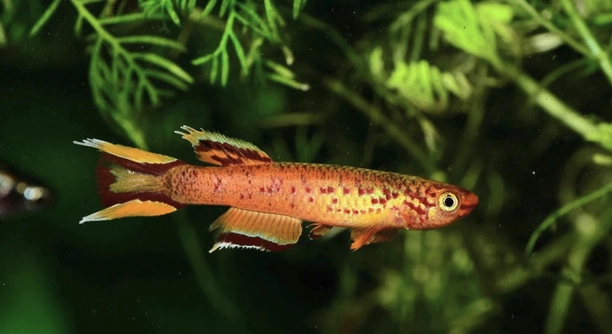
Keeping your killifish’s water clean is essential for their health and happiness. Many fish owners wonder how often they should change the water to maintain a good environment. Water quality affects how well your fish thrive every day.
Changing killifish water once every one to two weeks is generally recommended. This schedule helps maintain stable water conditions by reducing toxins and waste buildup, which is crucial for preventing stress and disease in killifish. Regular partial water changes are often more effective than infrequent full replacements.
Knowing the right water change routine can improve your killifish’s well-being and make caring for them easier. Understanding these details will help you create a safe and comfortable home for your aquatic pets.
Why Regular Water Changes Matter
Keeping your killifish water clean is important because it helps remove harmful substances like ammonia, nitrites, and nitrates. These build up naturally as your fish eat, breathe, and produce waste. If these chemicals rise too high, they can stress or even harm your fish. Changing the water regularly helps keep these levels in check, ensuring your fish stay healthy. Additionally, fresh water adds oxygen to the tank, which your killifish need to breathe easily. Without enough oxygen, fish can become weak or sick. Regular water changes also prevent the buildup of algae and other unwanted materials, which can make your tank look dirty and affect water quality. When you change water, it’s better to replace only part of the tank’s volume, usually 20 to 30 percent. This approach keeps water conditions stable, avoiding sudden changes that could shock your killifish.
Partial water changes protect your fish while improving tank clarity and comfort.
Regular water changes are a simple step that prevents many common problems. Keeping an eye on your tank’s water quality with test kits can help you know when a change is needed. Make sure to use dechlorinated water and match the temperature to your tank before adding it back. This will avoid stressing your killifish with sudden changes. Over time, you will find a water change schedule that fits your tank size and fish load. Remember, clean water means healthier, happier fish, making your care routine more rewarding.
Signs Your Killifish Tank Needs Water Change
Cloudy or foul-smelling water often indicates it’s time for a water change.
If you notice your killifish acting sluggish or gasping near the surface, the water quality might be poor. Fish are sensitive to changes, and bad water can cause them stress or illness. Testing your tank water regularly for ammonia, nitrites, and nitrates is the best way to catch problems early. When these chemicals reach unsafe levels, it’s a clear sign a water change is needed. Even if the water looks clear, toxins can build up over time. A good schedule and attention to your fish’s behavior will help you keep their environment clean and safe. Proper care involves staying consistent with water changes to avoid sudden drops in water quality. This helps keep your killifish lively and colorful, which is the goal for most fishkeepers.
How to Change Killi Water Properly
Always remove only 20 to 30 percent of the tank water during a change. This helps keep the environment stable for your killifish. Use a siphon or a small cup to avoid disturbing the substrate too much.
Before adding new water, treat it to remove chlorine and chloramines. Let the water sit to reach the tank’s temperature or use a heater to match it. Adding cold or treated water too quickly can shock your fish, causing stress or health problems. Take your time during water changes to keep conditions steady.
Clean the tank walls and decorations gently while doing water changes. Avoid harsh scrubbing that can harm beneficial bacteria. These bacteria help break down waste, keeping the water balanced. Maintaining this balance supports your killifish’s health and reduces the need for frequent large water changes.
Factors That Affect Water Change Frequency
Tank size impacts how often you need to change water. Smaller tanks fill with waste faster and need more frequent changes. Larger tanks usually stay stable longer.
The number of killifish in the tank also matters. More fish produce more waste, which means quicker water degradation. Overfeeding can worsen this by increasing leftover food and waste. Filtration quality is another key factor. A strong filter helps remove waste, reducing how often water needs changing. However, even the best filters cannot replace regular water changes completely. Keep an eye on water test results and your fish’s behavior to adjust your routine as needed.
Best Tools for Changing Killi Water
A siphon gravel vacuum makes water changes easier and helps clean the tank bottom. Use a clean bucket reserved only for aquarium use.
A water conditioner is essential to remove harmful chemicals from tap water. Always keep it handy for every water change.
Avoiding Common Water Change Mistakes
Changing too much water at once can shock your killifish and disturb beneficial bacteria. Avoid sudden temperature changes by matching new water carefully. Skipping regular water tests can lead to unnoticed water quality problems, so test often to keep your tank safe.
How Temperature Affects Water Changes
Sudden temperature drops during water changes can stress killifish, making them vulnerable to illness. Always match new water temperature to the tank’s current level to avoid shock.
Using Water Conditioners Safely
Always follow the instructions on water conditioner bottles to prevent overdosing. Using the right amount protects your fish and keeps the water safe.
FAQ
How often should I change the water in my killifish tank?
Most killifish tanks benefit from a partial water change every one to two weeks. This helps keep toxins like ammonia and nitrates at safe levels. Smaller or heavily stocked tanks may need changes more often. Observing your fish and testing water regularly can help you find the right schedule.
Can I change all the water at once?
Changing all the water at once is not recommended. It can cause sudden changes in water chemistry and temperature, which stresses killifish. Partial water changes of 20 to 30 percent are safer and help maintain a stable environment.
What type of water should I use for water changes?
Use dechlorinated tap water or bottled spring water. Always treat tap water with a water conditioner to remove chlorine and chloramines. The new water should match the tank temperature as closely as possible to avoid shocking your fish.
How do I remove chlorine and chloramine from tap water?
Water conditioners specifically designed for aquariums neutralize chlorine and chloramine quickly and safely. Add the conditioner to the new water before putting it in the tank. Let the treated water sit for a few minutes, or follow the product instructions.
What happens if I don’t change the water regularly?
Without regular water changes, harmful chemicals build up in the tank. Ammonia and nitrites become toxic and can cause stress, illness, or death in killifish. Algae may also grow faster, and the water can become cloudy or smelly.
Is it okay to feed my killifish right before or after a water change?
It’s best to avoid feeding killifish just before a water change. Uneaten food can increase waste and toxins. After a water change, wait a few hours before feeding to allow the fish to settle in the refreshed environment.
How do I test the water quality?
Use aquarium test kits to check ammonia, nitrite, nitrate, and pH levels. These kits are easy to use and provide quick results. Testing weekly helps catch water quality problems early so you can adjust water changes as needed.
Can I use tap water without treating it?
No, untreated tap water often contains chlorine and chloramine, which are harmful to fish. Always use a water conditioner before adding tap water to your tank.
How much water should I change each time?
Change about 20 to 30 percent of the water during each water change. This amount balances removing toxins while keeping the tank environment stable. Larger water changes can stress your killifish.
What is the best method to remove water from the tank?
A siphon or gravel vacuum is the best tool for removing water. It helps clean debris from the substrate while taking out old water. Using a clean bucket reserved for aquarium use keeps everything safe.
Can I change water more often than recommended?
Yes, if water tests show high toxin levels or if the tank is crowded, more frequent changes can help. However, changing water too often without proper care can cause instability, so balance is important.
Should I clean the filter when changing water?
Only clean the filter media gently if it looks clogged or dirty, and never with tap water. Use tank water instead to preserve beneficial bacteria that help break down waste.
How do I handle water temperature during changes?
Always match the new water temperature to the tank water. Use a thermometer to check both before adding new water. This prevents temperature shock, which can stress or harm your killifish.
What if my killifish seem stressed after a water change?
Stress may result from rapid water parameter changes or poor water quality. Make sure to do partial water changes slowly and match water temperature. Check water parameters and adjust your routine if needed.
Are water conditioners safe for plants and other tank inhabitants?
Most aquarium water conditioners are safe for live plants and other creatures when used as directed. Check the product label to confirm compatibility with your tank’s inhabitants.
Can I use bottled water instead of tap water?
Bottled spring water can be used, but make sure it does not contain additives like fluoride or salts. Always check the water’s pH and hardness before adding it to your tank to keep conditions stable.
Is it necessary to do water changes if I have a strong filter?
Even with a good filter, water changes are necessary to remove dissolved waste and replenish minerals. Filters alone cannot keep water perfectly clean or balanced.
How long should I wait after a water change to feed my killifish?
Wait about two to three hours after a water change before feeding. This gives your fish time to adjust to the new water and reduces stress.
Can I add new water quickly or should it be added slowly?
Add new water slowly to avoid sudden changes in water parameters. Pouring water gently and in small amounts helps your killifish adjust smoothly.
What is the ideal pH for killifish?
Most killifish thrive in a pH range between 6.0 and 7.5. Keeping the water stable within this range is more important than the exact pH number.
How do I dispose of the water removed from my tank?
Used aquarium water can be poured into drains or used to water plants if no chemicals are present. Avoid dumping it where it could harm the environment or other animals.
Regular water changes are one of the most important parts of caring for killifish. Keeping the water clean helps prevent buildup of harmful chemicals and waste that can make your fish sick. By changing about 20 to 30 percent of the water every one to two weeks, you keep the environment stable and healthy. This simple step supports your killifish’s well-being and allows them to live longer and stay active. Even though it may seem like a small task, regular water changes make a big difference in the overall quality of your tank.
It is important to pay attention to the water temperature and quality when you do water changes. Always treat tap water with a conditioner to remove chlorine and chloramines, which can be dangerous to fish. Matching the new water’s temperature to the tank’s existing water helps avoid shocking your killifish. Doing water changes slowly and carefully reduces stress and keeps your fish comfortable. Over time, you will learn the best routine that works for your tank size, number of fish, and filter system. Testing your water regularly can guide you to adjust how often and how much water you change.
By keeping a consistent water change schedule and monitoring water quality, you create a safe space for your killifish to thrive. Clean water supports their health, color, and behavior. It also helps prevent diseases that can be caused by poor water conditions. Taking care of your killifish with proper water changes is not only good for the fish but also makes your fishkeeping experience more enjoyable. When the tank is healthy, your killifish will be happier, and you will feel more confident in your care routine.

Hello,
If you enjoy the content that we create, please consider saying a "Thank You!" by leaving a tip.
Every little bit helps us continue crafting quality advice that supports the health, happiness, and well-being of pets around the world, for pets of all shapes, sizes, and species.
We really appreciate the kindness and support that you show us!