
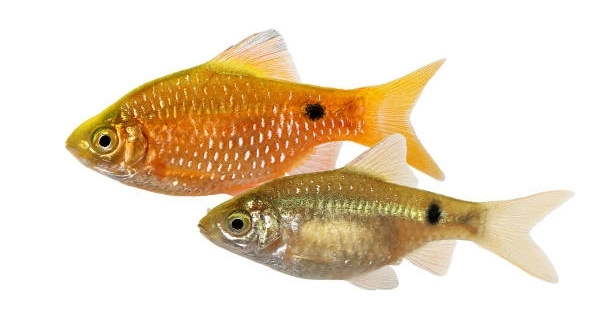
Have you ever spent time watching your fish swim around and wondered if you’re checking on them enough or too much? Rosy barbs are active and colorful, making them a favorite in many home aquariums.
Rosy barbs should be closely observed at least once a day for any changes in behavior, appearance, or health. Regular observation helps identify early signs of illness, stress, or aggression, ensuring a stable and healthy environment.
Learning what to look for can make daily check-ins more helpful and less stressful for both you and your fish.
Why Daily Observation Matters
Daily observation gives you a chance to spot anything unusual with your rosy barbs. These fish are generally active and social, so changes in behavior can be an early sign of stress or sickness. Look for things like faded color, frayed fins, staying in one spot for too long, or refusing food. These signs often appear before more serious issues develop. By noticing them early, you can make small changes in water quality, temperature, or diet before the problem gets worse. Even checking if they are swimming normally and interacting with others in the tank can help you stay ahead. Daily observation doesn’t take long—just a few minutes a day can keep your tank in balance. Make it a habit when feeding or cleaning the tank. You’ll learn what normal behavior looks like, which helps you act quickly if something seems off.
A short look each day helps you notice patterns, like aggression or hiding.
Being consistent also helps you catch things that might otherwise go unnoticed. If you only check on your fish every few days, some health issues may develop quickly and go untreated for too long. Stress, for example, can come from poor water quality or sudden temperature changes. These conditions might not be obvious at first, but rosy barbs react quickly to shifts in their environment. Early signs like rapid breathing, flashing against tank objects, or floating near the surface can point to larger issues. Daily checks let you respond quickly and protect the health of all the fish in your tank. Also, keeping track of any small changes makes it easier to talk to a vet or pet store staff if something goes wrong. You’ll be able to describe what happened and when, which helps get better advice or treatment.
What to Watch for in Rosy Barbs
Watch for any signs that your rosy barbs are acting differently than usual. Healthy rosy barbs are active, colorful, and eat regularly.
Behavior like hiding, nipping at others, or refusing food may mean something is wrong. Dull colors, white spots, or damaged fins are signs of stress or illness. If you see them gasping near the surface, test the water immediately. Poor water quality or low oxygen can lead to serious health problems. It’s also helpful to check their swimming pattern. Rosy barbs usually swim in groups and move constantly. If one starts to separate from the group or struggles to swim upright, take action. Small changes in water temperature, pH levels, or ammonia can lead to big issues if left alone. Keeping a log of any changes can help you spot patterns over time. By staying alert to their normal habits, you can better support their health and make your tank a stable home.
Common Signs That Shouldn’t Be Ignored
If a rosy barb suddenly becomes less active or hides more than usual, it could be a warning sign. Other signs like clamped fins, dull coloring, or sudden aggression should also be taken seriously.
Changes in appetite are important to notice. A rosy barb that stops eating or spits food out may be stressed or unwell. Look for physical signs like white patches, red streaks, or visible parasites. Rapid gill movement or gasping at the surface can signal poor oxygen levels or a spike in toxins. Don’t ignore odd swimming patterns either—sudden darting, floating, or sinking behavior often points to internal problems. These signs don’t always mean something serious, but they should prompt a closer look. Doing a quick test of water parameters is a smart first step, followed by isolating the affected fish if needed.
Rosy barbs are hardy, but that doesn’t mean they don’t get sick. Fin rot, ich, and swim bladder issues are common problems in community tanks. Many of these issues begin with small signs that are easy to miss unless you’re watching daily. If more than one fish starts showing symptoms, it may be a problem with the water or tank setup. Clean the tank, check the filter, and test the water for ammonia, nitrite, nitrate, and pH levels. If you notice anything off, take steps to fix it right away. Catching these signs early helps avoid spreading illness and gives your fish a better chance at recovery. Even just writing down what you observe can help you track changes more easily over time.
How to Make Observation Part of Your Routine
Daily checks don’t need to take long. While feeding your fish, take a minute to watch their behavior, colors, and swimming patterns. Doing it at the same time each day helps create a simple habit.
Start by checking the fish visually while feeding. Are they swimming actively toward the food? Are any fish being chased or left out? Then look for signs like white spots, clamped fins, or bloated bellies. Pay attention to the way they move—erratic swimming or floating strangely often means something is wrong. After feeding, glance at the tank itself. Is the water clear? Are the plants or decorations out of place? A cloudy tank or unusual smell could mean a filter issue. Keep a small notebook or use your phone to jot down anything odd. Over time, you’ll notice patterns, making it easier to catch small changes before they turn into serious problems.
Observation Tools That Can Help
A simple flashlight can help you spot color changes or small spots that aren’t visible in regular light. It’s especially useful when checking under the belly or near the gills.
Keeping a notebook or phone app for logging behavior and water test results helps track patterns over time.
What to Do If You Notice a Problem
If something seems off, start by checking your water parameters—ammonia, nitrite, nitrate, pH, and temperature. Most problems stem from poor water conditions. If levels are off, perform a partial water change and clean the filter. If only one fish is acting strange, consider moving it to a quarantine tank. Avoid adding any treatments unless you’re sure what the issue is. Overmedicating can do more harm than good. Watch closely over the next 24–48 hours for improvements. Sometimes, simple changes like adjusting feeding or fixing water quality are all it takes. When in doubt, contact an experienced aquarist or fish vet for advice.
Don’t Skip Weekly Deep Checks
Even with daily checks, spend a little more time each week observing each fish closely and inspecting the tank setup. A deeper look helps catch things you might miss during quick daily check-ins.
FAQ
How often should I check on my rosy barbs?
Daily observation is best to catch any changes in behavior or health early. Spending just a few minutes each day watching them during feeding or cleaning helps you stay familiar with their normal patterns. This way, you can quickly spot anything unusual before it becomes serious.
What signs mean my rosy barb might be sick?
Look for faded or dull coloring, clamped fins, spots, or frayed tails. Changes in swimming—like floating awkwardly, darting suddenly, or isolating from the group—are also warning signs. Loss of appetite or gasping near the surface can point to poor water quality or illness.
Why does water quality matter so much?
Rosy barbs are sensitive to ammonia, nitrite, nitrate, and pH imbalances. Bad water weakens their immune system, making them more likely to get sick. Keeping the water clean and stable is key to their health. Regular water tests and partial changes help maintain good conditions.
How can I tell if the tank environment is stressful?
Stress can come from overcrowding, aggressive tank mates, or sudden changes in water temperature or chemistry. If your barbs hide often, nip each other, or lose color, it may mean their environment isn’t right. Providing plenty of plants and hiding spots helps reduce stress.
What should I do if I spot illness in one fish?
Isolate the sick fish in a quarantine tank to prevent spreading disease. Test your main tank’s water and do a partial water change. Avoid treating the whole tank unless you’re sure it’s needed. Keep an eye on the sick fish and consult a vet if symptoms worsen.
Is it okay to use medication without a diagnosis?
No, using medication without knowing the problem can harm healthy fish and upset the tank balance. Always try to identify the issue first through observation and water tests. If unsure, get advice from an experienced aquarist or vet before treating.
How can I keep track of my observations?
Use a small notebook or a phone app to note daily behaviors, feeding habits, and any changes in the tank. Include water test results and cleaning schedules. Over time, this helps you spot trends and know when something isn’t right.
What are the common illnesses in rosy barbs?
Fin rot, ich (white spot disease), and swim bladder problems are the most frequent. These often start with small signs like torn fins, white spots, or difficulty swimming. Early treatment and good water quality usually help recovery.
Can feeding habits tell me if something is wrong?
Yes, healthy rosy barbs usually eat eagerly. If they refuse food or spit it out, they might be stressed or sick. Overfeeding can also cause problems by polluting the water, so feed them small amounts once or twice a day.
How much time should I spend on weekly tank maintenance?
About 30 minutes a week is enough for deep cleaning and checking equipment. This includes gravel vacuuming, filter cleaning, and inspecting decorations and plants. Keeping a regular schedule helps prevent build-up of harmful waste and keeps the environment safe.
What is the best way to observe multiple rosy barbs at once?
Watch the group’s overall behavior first. Healthy barbs swim actively in groups and show bright colors. Look for any fish that separate from the group or behave oddly. Focusing on the group makes it easier to spot a single fish with problems.
How important is lighting for observation?
Good lighting helps you see colors and physical changes clearly. Natural or white LED lights work best. Dim or colored lights can hide important signs, making it harder to notice issues early.
When should I seek professional help?
If symptoms persist for more than a few days or worsen despite changes in water or environment, contact a fish vet or experienced aquarist. Some diseases need specific treatment, and early professional advice improves chances of recovery.
Final Thoughts
Watching your rosy barbs regularly is an important part of keeping them healthy and happy. These fish show many signs when something is wrong, but only if you spend time noticing their behavior and appearance. Checking on them every day doesn’t have to take long. Just a few minutes while feeding or cleaning the tank can help you spot early warning signs like changes in swimming, color, or appetite. By paying attention to these small details, you can act quickly before minor issues become serious problems. This simple routine will help keep your fish comfortable and thriving in their home.
Maintaining good water quality is another key to their well-being. Rosy barbs need clean water with stable temperature and balanced pH. Poor water conditions weaken their immune system, making them more likely to get sick. Regularly testing your tank water and doing partial water changes are easy ways to avoid many common illnesses. If you notice your fish acting strangely, always check water parameters first. Many times, fixing water quality is enough to get them back to normal. It’s also helpful to keep a log of your observations and water tests. Over time, this record can show patterns or help you identify problems early.
Lastly, don’t hesitate to seek advice if you are unsure about your fish’s health. Whether from a local aquarium expert, a pet store professional, or a fish vet, experienced advice can make a big difference. Avoid rushing into treatments without knowing the cause, as some medications can harm healthy fish or upset the tank’s balance. Observing closely, keeping the environment stable, and asking for help when needed are the best ways to support your rosy barbs. With consistent care and attention, your fish will continue to be a lively and colorful part of your aquarium for a long time.

Hello,
If you enjoy the content that we create, please consider saying a "Thank You!" by leaving a tip.
Every little bit helps us continue crafting quality advice that supports the health, happiness, and well-being of pets around the world, for pets of all shapes, sizes, and species.
We really appreciate the kindness and support that you show us!