
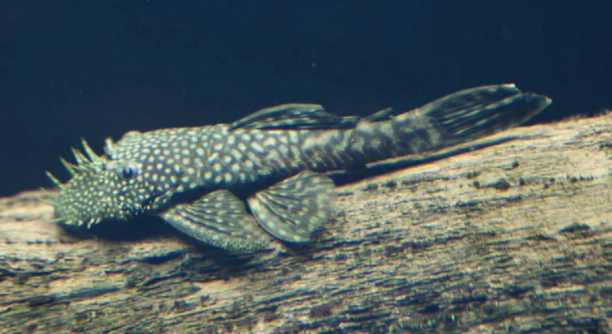
Driftwood is a common addition to aquariums, especially for plecos. Over time, it can break down or lose its effectiveness. Knowing when to replace it ensures a healthy and safe environment for your aquatic pets.
The frequency of replacing pleco driftwood depends on factors like water conditions, wood type, and pleco behavior. Generally, driftwood should be replaced every 6-12 months to maintain a healthy tank environment and prevent excessive decay or sharp edges.
Maintaining the right balance in your aquarium is crucial. Understanding driftwood’s role in your tank’s ecosystem will ensure your plecos thrive. Keep reading to learn when and how to replace it for optimal care.
Why Pleco Driftwood Is Important
Pleco driftwood serves many purposes in an aquarium. It provides plecos with a natural surface to graze on, especially since they feed on algae and biofilm that form on the wood. Additionally, the driftwood helps maintain proper water chemistry by slowly releasing tannins, which can lower the pH of the water. This creates a more natural habitat, mimicking the pleco’s native environment. Over time, the wood will naturally break down, but in doing so, it continues to support the health of your aquarium’s ecosystem.
Driftwood also creates hiding spots and adds aesthetic appeal to the tank. However, as it decays, it may lose its benefits. The balance of your tank could be affected if the wood breaks down too much, so knowing when to replace it is important.
Plecos like to hide in dark spots and explore their surroundings, making driftwood a crucial part of their environment. If your driftwood becomes too worn or sharp, it could harm your pleco. To avoid this, you should inspect it regularly for signs of deterioration. Over time, the wood will lose its smooth surface, making it uncomfortable or unsafe for your pleco to rest or hide. Keeping an eye on the condition of your driftwood ensures your plecos remain happy and healthy.
Signs of Degrading Driftwood
When driftwood begins to degrade, it may show visible signs. Cracks, excessive softness, or sharp edges are all indicators that it is time to replace it. Sometimes the wood may disintegrate into small pieces, which could pollute the tank.
The process of driftwood breaking down is natural, but it can cause more problems than expected. As the wood breaks down, pieces can get caught in the filter or pollute the water with unwanted particles. This can lead to water quality issues and affect the overall health of the aquarium. Some plecos may even stop interacting with the wood if it becomes too soft or dangerous. Regular checks will help you avoid these issues and maintain the ideal environment for your pleco.
When evaluating driftwood, remember to look for structural changes. If the wood is losing its firmness or developing sharp points, it could hurt your pleco. In such cases, replacing the wood is necessary to maintain a safe and stable tank. The quality of the wood directly impacts the well-being of your fish, so replacing it before it becomes dangerous is essential for their health.
How Water Conditions Affect Driftwood
Water quality plays a huge role in how fast driftwood breaks down. In tanks with high levels of acidity or soft water, the driftwood may degrade more quickly due to the natural chemical reactions. This can lead to the wood becoming fragile faster.
Driftwood releases tannins that lower the pH, and this effect is more pronounced in soft water. While this is beneficial for plecos and many other fish, it can cause the wood to soften, warp, or disintegrate over time. If your tank has harder water, the wood may last longer, but you should still monitor it closely for signs of wear and tear. Keeping track of your water’s pH and hardness levels will give you a better understanding of how often to replace the driftwood.
Regular water changes and proper filtration can help slow down the degradation process. However, no matter what water conditions you have, driftwood will eventually wear out. Pay attention to the health of your plecos and the state of the wood to determine the best time for replacement. Taking care of both the water and the driftwood ensures a thriving environment.
The Type of Driftwood Matters
Not all driftwood is created equally. Different types of wood, like Malaysian or Mopani, have varying levels of durability. Some woods are harder and more resistant to decay, while others break down more quickly. This affects how long they can stay in your tank.
For example, Malaysian driftwood tends to last longer in most aquariums due to its density and tougher surface. Mopani, while beautiful, often degrades faster and may need replacement sooner. It’s important to choose the right type of driftwood based on the needs of your plecos and the conditions in your aquarium. The choice of wood will directly impact the maintenance schedule for replacing it.
When you choose a type of driftwood, consider the size of your tank and the number of plecos you have. Larger pieces may break down slower, but in tanks with more active plecos, they could degrade quicker due to constant grazing. In such cases, you may need to replace the driftwood more often. Understanding how the type of wood interacts with your tank’s environment can help you better manage the replacement schedule.
How Plecos Interact with Driftwood
Plecos often graze on driftwood, consuming algae and biofilm that grows on it. The amount of time they spend on the wood affects how quickly it wears down. Active plecos can accelerate the breakdown process.
In tanks with multiple plecos, the driftwood will degrade faster. They create tiny grooves as they scrape the surface for food. While this is a natural behavior, it leads to the wood becoming softer over time. Even though plecos benefit from the wood, it’s important to monitor it regularly to avoid any sharp edges that could harm them.
If your plecos seem uninterested in the driftwood, it might be a sign that the wood is too worn for them to enjoy. The degradation could make the surface uncomfortable for them to graze on or hide under. Check the wood’s condition and replace it if necessary to keep your plecos healthy.
Maintaining Tank Aesthetics
Over time, driftwood can lose its appeal. Once the wood begins to break down, it may look less attractive in the tank. Fading colors and cracks can make the aquarium look less lively.
Driftwood is often used to enhance the visual appeal of the tank, but this aesthetic benefit diminishes as the wood decays. Although plecos appreciate the texture and the hiding spots driftwood provides, you’ll want to replace it to maintain your tank’s overall appearance. Keeping the driftwood in good shape will also give your plecos a safe and comfortable environment. Regular maintenance ensures that the tank looks vibrant while still supporting the plecos’ well-being.
Best Time to Replace Driftwood
It’s best to replace driftwood before it becomes too damaged. When you notice any signs of rapid decay, like excessive softness or crumbling, it’s time for a change. Keeping the tank safe is key.
FAQ
How do I know when pleco driftwood is too old?
Pleco driftwood becomes too old when it shows clear signs of deterioration. This includes softening, cracking, or pieces breaking off easily. It may also lose its smooth texture, which can make it uncomfortable for plecos to interact with. Additionally, if the driftwood becomes covered in mold or disintegrates into small particles, it’s time to replace it. If the driftwood has sharp edges or rough spots that could hurt the pleco, it should also be replaced immediately. Inspecting the wood regularly will help you identify these issues before they affect your plecos’ health.
Can I reuse pleco driftwood?
Yes, you can reuse pleco driftwood, but only if it is still in good condition. If the wood is soft or broken, it will need to be replaced. If it’s just discolored or a bit worn, you can clean and reintroduce it into your tank. To clean it, you can soak the wood in boiling water to remove any algae, debris, or parasites. However, if it shows signs of significant degradation, it’s best to replace it to avoid harming your plecos.
Should I soak driftwood before putting it in the tank?
Soaking driftwood is a common practice before adding it to an aquarium. This helps release excess tannins and allows the wood to sink. Driftwood naturally floats, so soaking it for several days helps it become waterlogged, ensuring it stays at the bottom of your tank. This process also helps reduce the initial discoloration that tannins cause, though some may still remain, which can be beneficial for some tank inhabitants. Soaking also helps in preventing any unexpected chemical reactions once the wood is added to the tank. If you notice excessive tannins, water changes can help reduce their effect over time.
Can plecos eat driftwood?
Yes, plecos can eat driftwood, but not in the way you might think. They don’t consume the entire piece of wood. Instead, they scrape algae, biofilm, and other microorganisms off the surface of the wood. This grazing behavior is natural and helps keep their digestive system healthy. Plecos are equipped with specialized teeth to scrape and break down the microorganisms growing on the wood. While they may nibble on the wood, they do not eat it entirely. It’s important to ensure that there is enough driftwood in your tank for them to graze on without compromising their health or the overall condition of the tank.
Can driftwood impact the pH of my aquarium?
Yes, driftwood can affect the pH of your aquarium water. It releases tannins, which can lower the pH over time, making the water more acidic. This is usually beneficial for plecos, as they come from naturally acidic environments. However, it’s important to monitor the pH regularly, as drastic changes can harm your fish and other aquatic life. If your water pH drops too much, you may need to remove some driftwood or perform regular water changes to keep the pH in a safe range for all tank inhabitants. Regular testing will help you manage this.
Is there a difference between driftwood for plecos and driftwood for other fish?
Driftwood used for plecos generally needs to be harder and more durable because plecos actively graze on it. Some types of driftwood, like Malaysian or Mopani wood, are particularly suited for plecos as they are more resistant to breaking down. For other fish, driftwood types may vary depending on the species and their natural habitat preferences. For example, softer woods may work for fish that don’t interact with it as heavily. It’s important to choose the right type based on the species in your tank and the way they use the driftwood, whether for grazing or simply as a hiding spot.
Can driftwood be used to reduce algae growth in an aquarium?
Driftwood does not directly reduce algae growth, but it can contribute to a healthier ecosystem where algae growth is naturally controlled. The tannins released from driftwood lower the pH, which can inhibit the growth of certain types of algae. Additionally, driftwood can provide a surface for algae to grow on, giving plecos a place to graze and naturally control algae growth. While driftwood isn’t a direct solution to algae problems, it can be part of a broader approach that includes proper lighting, filtration, and regular cleaning.
How can I prevent driftwood from deteriorating too quickly?
To prevent driftwood from deteriorating too quickly, consider the following tips: maintain good water quality by performing regular water changes, especially if you have soft or acidic water, as this can speed up degradation. Avoid overstocking the tank, as too many plecos can wear the wood down faster. Also, consider using driftwood that is more resistant to decay, like Malaysian or Mopani. Inspect the wood regularly for signs of damage, and replace it when necessary. Lastly, avoid placing driftwood in areas with high water flow, as constant movement can cause it to wear down more quickly.
Is it safe for plecos to eat the algae on driftwood?
Yes, it is safe for plecos to eat algae on driftwood. In fact, it is one of the primary sources of food for many species of plecos. As they graze on the surface of the wood, they consume the algae, which provides them with essential nutrients. This natural behavior is important for their health, as it mimics what they would do in the wild. However, if the driftwood becomes too worn down, it may no longer provide enough algae, so replacing it is important to keep your plecos healthy and satisfied.
How long should I keep driftwood in my tank?
Driftwood should be kept in your tank as long as it remains in good condition. Typically, it’s recommended to replace it every 6-12 months, depending on its state of wear. Regularly inspect it for any signs of cracking, softness, or disintegration. If it’s showing these signs or is no longer safe for your plecos to interact with, it’s time to replace it. The more active your plecos are, the faster the driftwood may degrade, so you might need to replace it sooner. Monitoring the wood’s condition will help you determine when it’s time for a change.
Final Thoughts
Taking care of pleco driftwood is essential for maintaining a healthy aquarium. Driftwood serves multiple purposes, from providing a place for plecos to graze to releasing tannins that help adjust the water’s pH. Over time, however, it naturally starts to break down. Regularly checking the wood’s condition ensures that it stays beneficial for both your plecos and the rest of your tank’s inhabitants. If the wood starts to soften, crack, or develop sharp edges, it’s time to replace it. This will prevent any potential harm to your plecos and help keep your aquarium in good shape.
The type of driftwood you choose matters as well. Different woods have different levels of durability. Harder woods, like Malaysian or Mopani, tend to last longer and resist wear better than softer types of wood. Understanding the differences between driftwood types can help you decide which one will work best for your aquarium, especially if you have multiple plecos. Regular monitoring is key to knowing when to replace it. If your plecos seem uninterested in the wood or if it’s become too degraded for them to use safely, it’s time to swap it out for a fresh piece.
In the end, the health of your plecos and the aesthetics of your tank depend on proper care and maintenance. By being aware of how driftwood interacts with your tank’s water conditions, the behavior of your plecos, and the quality of the wood itself, you can ensure that your tank remains a safe and thriving environment. Knowing when to replace driftwood isn’t just about appearance—it’s about maintaining the overall balance of your aquarium.

Hello,
If you enjoy the content that we create, please consider saying a "Thank You!" by leaving a tip.
Every little bit helps us continue crafting quality advice that supports the health, happiness, and well-being of pets around the world, for pets of all shapes, sizes, and species.
We really appreciate the kindness and support that you show us!