
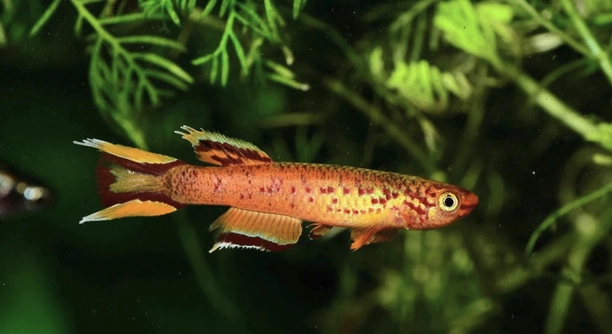
Are your killi fish darting around at feeding time, leaving you unsure if you’re giving them the right amount of food?
Killi fish should be fed once or twice daily in small portions they can consume within two to three minutes. Overfeeding can cause water quality issues and stress, so controlled, consistent feeding is essential for their health.
Feeding routines may vary slightly depending on species, age, and tank conditions, but a consistent plan will support their long-term wellbeing.
How Much Food Is Enough for Killi Fish?
Feeding killi fish correctly means offering just enough food without letting excess sink and decay. A good rule is to feed them what they can eat within two to three minutes. Most killi fish thrive on one or two small feedings each day, depending on their activity level and species. Use high-quality flakes, micro pellets, or live food like brine shrimp or daphnia. Adjust amounts if you notice leftover food, as that’s a sign you’re offering too much. Feeding should be consistent, not random. Overfeeding can cause bloating and water pollution. Underfeeding can lead to weight loss and dull coloration. Watch their behavior during and after meals. If they’re active and their bellies are slightly rounded, they’re likely getting enough. Younger killi fish might need slightly more frequent meals, while adults usually do fine with twice-a-day feedings. Consistency, observation, and moderation are the keys to success.
Stick to smaller portions rather than large feedings. It’s easier to add more food than to clean up uneaten leftovers.
Feeding schedules also help establish a stable routine in your tank. Fish begin to expect food around the same time each day, which reduces stress. Stressed fish can become aggressive or withdrawn, impacting the entire aquarium’s balance and harmony.
Why Overfeeding Is a Real Problem
Overfeeding is one of the most common mistakes among fish keepers. It may seem harmless, but it can quickly lead to issues with health and tank conditions.
Excess food sinks to the bottom and decays, releasing harmful substances like ammonia and nitrites into the water. These compounds can damage your fish’s gills and weaken their immune systems. Poor water quality also leads to cloudy tanks, algae growth, and foul odors. Killi fish are especially sensitive to changes in water quality. When the tank becomes polluted, they may lose their appetite, become lethargic, or even develop diseases. Overweight fish are also more prone to organ stress, which can shorten their lifespan. If you notice that food remains uneaten after two or three minutes, you’re likely feeding too much. Try using a feeding ring or offering smaller amounts in separate spots to ensure each fish gets its share. Maintaining a clean tank with consistent feeding will help your killi fish stay healthy and active.
Choosing the Right Food for Killi Fish
Killi fish do best with a mix of high-quality dry food and live or frozen options. This balance supports their color, energy, and health while keeping feeding simple and manageable. Avoid overprocessed flakes with low nutritional value.
Start with micro pellets or fine flakes made specifically for small tropical fish. These should be the foundation of their daily diet. Supplement with protein-rich treats like baby brine shrimp, daphnia, or mosquito larvae once or twice a week. These live or frozen foods mimic what killi fish eat in the wild and help maintain their natural instincts and activity levels. Freeze-dried versions work too, but always soak them first to avoid bloating. Rotate food types to prevent boredom and give them a variety of nutrients. If you breed killi fish, offer more protein to support spawning and fry growth. A varied, consistent diet helps your fish stay bright, active, and resilient.
Avoid foods that swell too much when wet, such as large pellets or certain dry flakes. These can cause digestive problems, especially if the fish eat too fast. Observe how they eat each type of food. If they spit it out or ignore it, try something else. Their preferences can vary slightly by species and age, so keep things flexible.
Feeding Fry and Juvenile Killi Fish
Baby killi fish have smaller mouths and faster metabolisms than adults, so they need smaller meals more often. Feed them several times a day with finely crushed flakes, vinegar eels, or infusoria. Keep the portions small and frequent.
As fry grow, their feeding needs shift quickly. Within the first week, you can start offering baby brine shrimp and microworms. These foods help with faster growth and stronger immune systems. Juveniles may need up to four small feedings a day. Gradually reduce frequency as they grow and begin to resemble adult fish in behavior and size. Keep the tank clean by removing uneaten food with a pipette or small net, since leftover food in fry tanks spoils quickly and can harm the fragile fish. A sponge filter also helps keep water stable. Raising fry takes more effort, but close attention to their feeding routine gives them the best chance at reaching maturity healthy and strong.
Feeding During Breeding and Spawning
Breeding killi fish need more protein to stay strong and active. Offer live foods like daphnia or baby brine shrimp daily. This helps females produce healthy eggs and supports the males’ energy during courtship.
Feed small portions two to three times a day during spawning. Extra nutrition helps fry develop well inside the eggs and boosts hatch rates.
Adjusting Feeding on Busy Days
If you miss a feeding, healthy adult killi fish can easily go a day without food. Skipping an occasional meal is better than overfeeding to make up for it.
Stick to your usual routine as closely as possible. If you’re busy, feed once that day using a small, high-protein portion like live food or soaked pellets.
Watching for Feeding Problems
If your killi fish stop eating, check for stress, illness, or water issues. Refusing food for more than a day often signals something is wrong. Keep a close eye on changes in behavior or appetite.
FAQ
How often should I feed my killi fish?
Killi fish generally do best when fed once or twice daily. Offer only as much food as they can finish within two to three minutes to prevent overfeeding. Younger fish or fry may require more frequent, smaller meals throughout the day.
What types of food are best for killi fish?
A varied diet is ideal. Use high-quality micro pellets or flakes designed for small tropical fish as the main diet. Supplement with live or frozen foods such as brine shrimp, daphnia, and mosquito larvae a few times a week to provide protein and maintain their natural feeding habits.
Can I feed my killi fish only flakes?
Feeding flakes alone can work but is not recommended long term. Flakes may lack some nutrients that live or frozen foods provide. Including live or frozen protein sources helps support coloration, health, and natural behaviors.
How do I know if I am overfeeding my fish?
Uneaten food left in the tank after feeding is a clear sign of overfeeding. Other signs include cloudy water, sluggish fish, or increased algae growth. Overfeeding can cause health problems and poor water quality, so adjusting the amount and frequency is necessary.
What should I do if I miss a feeding?
Killi fish can tolerate skipping a meal occasionally. It is better to skip than to overfeed. Return to the normal feeding schedule the next day, offering small portions. Avoid feeding extra food to make up for the missed meal.
How do I feed killi fry?
Fry need smaller, more frequent feedings. Use finely crushed flakes, infusoria, or vinegar eels at first, gradually introducing baby brine shrimp and microworms as they grow. Remove uneaten food quickly to maintain water quality.
Is live food necessary for breeding killi fish?
While not strictly necessary, live food greatly improves breeding success. It provides extra nutrition to females and energizes males during courtship. Live or frozen high-protein foods also help fry develop properly.
Can I feed killi fish at night?
Killi fish are usually more active during daylight hours, so feeding at night is generally not recommended. Feeding during their active periods helps ensure they eat well and reduces leftover food in the tank.
What happens if my fish refuse to eat?
Refusal to eat may indicate stress, illness, or poor water quality. Check tank parameters and look for signs of disease. If the problem continues for more than a day, consider consulting a vet or experienced fish keeper.
How do I adjust feeding when traveling?
If you are away for a short time, adult killi fish can usually fast for a day or two without harm. For longer trips, consider using automatic feeders or arranging for someone to feed them small portions regularly.
Is it okay to feed killi fish human food?
Human food is not recommended. Many items contain additives or spices that are harmful to fish. Stick to foods made for aquarium use to keep your killi fish healthy and thriving.
How do I store killi fish food properly?
Keep dry food in a cool, dry place away from sunlight. Live or frozen foods should be stored according to package instructions, usually refrigerated or frozen. Proper storage maintains freshness and nutritional value.
How much live food should I give my killi fish?
Offer live food in small quantities once or twice a week. Too much live food can pollute the tank and cause digestive issues. Monitor your fish’s appetite and adjust amounts accordingly.
Can overfeeding cause disease in killi fish?
Yes, overfeeding weakens fish by causing digestive problems and polluting the water. Poor water quality can lead to infections and stress, which lower resistance to disease. Maintaining proper feeding habits helps prevent these issues.
Are there signs that my killi fish are getting enough food?
Active behavior, bright coloration, and slightly rounded bellies indicate your fish are well-fed. Consistent eating habits without leftover food in the tank also show feeding amounts are correct.
What’s the best way to introduce new food to killi fish?
Introduce new foods gradually by mixing small amounts with their regular diet. Observe how they respond and adjust based on their acceptance. Sudden changes can stress fish or cause refusal to eat.
This FAQ covers the main concerns about feeding killi fish. Following these guidelines will help keep your fish healthy and lively.
Feeding killi fish properly is a key part of keeping them healthy and active. These fish thrive on small, controlled meals given once or twice a day, with food amounts that they can finish quickly. Overfeeding can harm both the fish and the tank environment, so it is important to offer the right portion size. Using a mix of high-quality flakes or pellets with live or frozen foods helps provide a balanced diet. Watching your fish’s behavior and appetite closely will guide you in adjusting feeding amounts. Consistency and moderation in feeding routines lead to stronger, more vibrant killi fish.
When caring for young killi fish or breeding adults, feeding needs change. Fry require more frequent, smaller feedings of finely crushed or live foods to grow well. Breeding fish benefit from extra protein to support energy and egg production. In all cases, clean water is vital, so removing uneaten food promptly is necessary to maintain a healthy tank. Feeding routines also help reduce stress by creating a predictable environment. Even on busy days or when you miss a meal, it’s better to stick to a stable feeding schedule and avoid overcompensation. A steady routine promotes both fish health and tank balance.
Ultimately, proper feeding is a simple but essential part of killi fish care. Paying attention to what, how much, and how often you feed them protects their well-being and supports their natural behaviors. Avoiding overfeeding and providing varied nutrition can prevent common problems such as water quality issues and disease. By observing your fish and adjusting their diet to meet their needs, you help ensure they live longer and more comfortable lives. Taking time to establish good feeding habits benefits both you and your killi fish in the long run.

Hello,
If you enjoy the content that we create, please consider saying a "Thank You!" by leaving a tip.
Every little bit helps us continue crafting quality advice that supports the health, happiness, and well-being of pets around the world, for pets of all shapes, sizes, and species.
We really appreciate the kindness and support that you show us!