
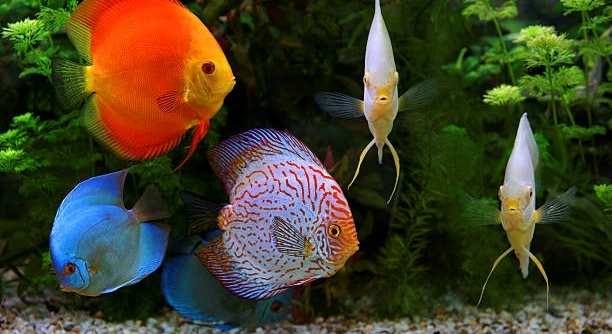
Feeding discus fish correctly is important for their health and growth. Many owners want clear guidance on how often to feed these beautiful, delicate fish. Knowing the right feeding schedule can help keep discus fish happy and thriving.
Discus fish should generally be fed two to three times per day, providing small, balanced meals. Overfeeding can harm water quality and fish health, so careful portion control and consistent timing are essential to maintaining optimal conditions.
Learning the best feeding habits will improve your discus fish’s well-being and help you avoid common mistakes that affect their care.
Why Feeding Frequency Matters for Discus Fish
Feeding frequency plays a big role in the health and appearance of discus fish. These fish have a slow metabolism and delicate digestive systems, so feeding them too much or too little can cause problems. Overfeeding often leads to poor water quality, which stresses the fish and can cause diseases. On the other hand, feeding too little can slow their growth and make them weak. Keeping a consistent schedule with small amounts helps maintain water clarity and keeps discus fish active. Proper feeding also supports their vibrant colors and natural behavior. The goal is to balance nutrition without overloading their tanks, which requires careful observation of how much they eat and adjusting accordingly. Feeding them twice or three times daily with a varied diet keeps them healthy. Choosing high-quality foods designed for discus also ensures they get the right nutrients to thrive in captivity.
Feeding discus fish regularly helps stabilize their environment and health, preventing many common problems.
By understanding the importance of feeding frequency, you can create a balanced routine that supports discus fish well-being and longevity. This also helps prevent stress and water issues, making tank maintenance easier for you.
What to Feed Discus Fish and When
Discus fish need a mix of protein and plant-based foods for balanced nutrition. Feeding them a variety of high-quality pellets, frozen or live foods like bloodworms, brine shrimp, and finely chopped vegetables ensures they get all necessary nutrients. Avoid overfeeding any single type of food to prevent nutritional gaps or excess waste. Feeding small portions multiple times a day mimics their natural eating habits and aids digestion.
A good feeding schedule includes two to three meals daily, spaced evenly to avoid leftovers that can spoil the water.
Incorporating different food types helps discus fish stay healthy and vibrant. Frozen and live foods provide essential proteins and encourage natural hunting behavior, while vegetable matter supports digestion. Pellets formulated for discus contain vitamins and minerals needed for growth and color. Adjust feeding amounts based on fish size and tank conditions. Always remove uneaten food quickly to keep water clean. A balanced diet paired with proper feeding times leads to stronger immune systems and better overall health for your discus fish.
How to Tell If You’re Feeding Too Much
If you see leftover food in the tank after feeding, it’s a sign you might be giving too much. Cloudy water and increased algae growth also indicate overfeeding. Discus fish may become sluggish or show signs of stress when overfed.
Overfeeding can cause waste buildup, leading to poor water quality and higher ammonia levels. This stresses the fish, making them more vulnerable to illness. Uneaten food decomposes quickly, so removing leftovers promptly is essential. Watching your discus fish during feeding helps gauge how much they consume, allowing you to adjust portions accordingly.
Feeding just enough encourages healthy eating habits and maintains a stable environment. It’s better to offer small amounts multiple times than a large portion once a day. Proper feeding keeps your discus active and vibrant while preserving tank conditions.
Best Feeding Practices for Different Ages
Young discus fish need more frequent feedings, about three to four times daily, to support rapid growth and development. Their small stomachs require smaller portions to avoid digestive issues.
Adult discus generally do well with two to three feedings daily. Feeding less often risks nutritional deficiencies, while feeding too much can harm water quality. Adjust amounts based on fish size, activity level, and tank conditions.
Providing varied diets helps meet the nutritional needs of both juveniles and adults. Younger fish benefit from finely crushed pellets and live foods, while adults thrive on a balanced mix of pellets, frozen foods, and occasional treats. Regular feeding schedules tailored to age keep discus fish healthy at every stage.
Feeding Discus Fish on Rest Days
Rest days with no feeding help maintain water quality and give the fish’s digestive system a break. Skipping feeding once or twice a week is common among discus keepers.
During these days, fish rely on stored energy, which helps prevent overfeeding issues and supports long-term health.
Signs of Underfeeding Discus Fish
If discus appear thin, lose color, or show low energy, they might be underfed. Consistent poor feeding can weaken their immune system and stunt growth.
Adjusting Feeding During Breeding
Breeding discus require extra nutrition for energy and health. Increase feeding frequency slightly with higher protein foods to support this demanding phase.
Avoiding Overfeeding Mistakes
Keep feeding portions small and consistent to prevent overfeeding. Overfeeding causes water problems and health issues, so careful control is key.
FAQ
How often should I feed discus fish?
Discus fish should be fed two to three times a day with small portions. This schedule helps them digest food properly and keeps the tank water clean. Feeding less often may slow their growth, while feeding too much can pollute the water and harm their health.
What types of food are best for discus fish?
A mix of high-quality pellets, frozen or live foods like bloodworms, brine shrimp, and finely chopped vegetables works best. This variety gives them the protein and nutrients they need. Pellets made specifically for discus provide vitamins and minerals essential for growth and color.
Can I overfeed my discus fish?
Yes, overfeeding is a common problem. Leftover food causes water pollution and stress for your fish. Overfeeding can lead to digestive issues and diseases. Always give small amounts that your discus can eat within a few minutes and remove any uneaten food right away.
Is it okay to skip feeding for a day?
Yes, skipping feeding once or twice a week can benefit your discus fish. It helps keep the tank clean and gives their digestive system a rest. Just make sure it’s not done too often, as consistent nutrition is important for their health.
How can I tell if my discus fish are hungry?
Discus fish usually swim actively and come to the feeding area when hungry. They may also show excitement or nip at the food quickly. If they ignore food or swim away, they might be full or unwell.
Should I change feeding habits during breeding?
Yes, breeding discus need more frequent feedings with higher protein foods to support energy and health. Feeding four times a day with live or frozen foods can improve breeding success and fry development.
What happens if I feed my discus fish too little?
Underfeeding can cause slow growth, faded colors, and weaker immune systems. Discus may become less active and more prone to illness. Make sure to feed enough to keep them healthy without overfeeding.
Is it better to feed frozen or live foods?
Both frozen and live foods have benefits. Live foods encourage natural hunting behavior and provide fresh nutrients. Frozen foods are safer from parasites and easy to store. A combination of both keeps discus well-nourished.
How much food should I give per feeding?
Feed only what your discus can finish in about two to three minutes. This usually means very small portions. Overfeeding leads to wasted food and dirty water, so observe your fish to adjust portions carefully.
Do discus fish eat plants or flakes?
Discus generally prefer protein-rich foods but can eat some vegetable matter. Flakes are not ideal as a main diet but can be used occasionally. Vegetables like spinach or peas can help with digestion when finely chopped.
Can feeding affect discus fish color?
Yes, a proper diet rich in nutrients and variety enhances their natural colors. Foods with carotenoids, like certain shrimp or pellets, help bring out red and orange hues. Poor diet can dull their appearance.
What should I do if my discus fish refuse to eat?
Check water quality first; poor water often causes loss of appetite. Try offering different types of food or feeding at different times. Stress or illness can also affect eating, so monitor their behavior closely.
How do I prevent food waste in the tank?
Feed small amounts and watch your fish closely during feeding. Remove uneaten food quickly with a net or siphon. Regular water changes and good filtration also help maintain water quality.
Can discus fish survive on only pellets?
While pellets can form the diet base, discus need more variety for optimal health. Relying only on pellets may cause nutrient deficiencies. Adding frozen or live foods and vegetables improves their diet and overall well-being.
Is it normal for discus to eat less during certain times?
Yes, discus can eat less when stressed, during water changes, or changes in tank conditions. Seasonal temperature changes may also affect appetite. Keep an eye on them and adjust feeding if needed.
Feeding discus fish correctly is an important part of keeping them healthy and happy. These fish need regular meals, but not too much food at once. Giving them small amounts two to three times a day usually works best. This schedule helps discus digest their food properly and keeps the tank water clean. Overfeeding can cause water problems and make the fish sick, while feeding too little can slow their growth and make them weak. Watching how much your discus eat and adjusting portions will make a big difference in their health.
Choosing the right types of food is just as important as feeding the right amount. Discus fish do well on a balanced diet that includes pellets made for them, as well as live or frozen foods like bloodworms or brine shrimp. These foods provide the proteins and nutrients discus need to grow and keep their colors bright. Some vegetable matter, like finely chopped spinach or peas, can help with digestion too. Offering a variety of foods will support the overall health of your fish and keep them active.
It’s also helpful to give your discus fish a break by skipping feeding once or twice a week. Rest days help improve water quality and give the fish’s digestive system time to recover. During breeding, discus need a little more food, especially protein-rich items, to support the extra energy they use. By paying attention to their needs and making small changes based on their age, behavior, and tank conditions, you can keep your discus fish healthy for a long time. Consistency and careful feeding habits make a big difference in their well-being.

Hello,
If you enjoy the content that we create, please consider saying a "Thank You!" by leaving a tip.
Every little bit helps us continue crafting quality advice that supports the health, happiness, and well-being of pets around the world, for pets of all shapes, sizes, and species.
We really appreciate the kindness and support that you show us!