
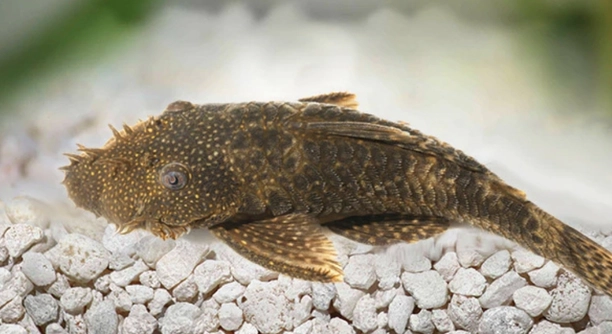
Juvenile plecos, like other young fish, require proper care and attention to thrive. Feeding them correctly ensures their growth and health. Understanding the frequency of feeding is essential to maintain their well-being.
Juvenile plecos should be fed once or twice a day, offering small portions that they can consume in a few minutes. Overfeeding should be avoided, as it can lead to water quality issues and poor health.
A proper feeding routine will help your juvenile pleco grow strong and healthy, benefiting their overall development.
Importance of Feeding Juvenile Plecos the Right Amount
Feeding juvenile plecos the right amount is key to their growth. If you overfeed them, excess food will decay, leading to water quality problems and poor health. Underfeeding can result in stunted growth or malnutrition. A balanced diet helps them grow stronger and ensures they get all the nutrients they need. Their small size requires careful portion control, as they can only eat so much at once. Providing meals in smaller, manageable amounts will prevent uneaten food from polluting the tank. Regular feeding schedules will also help establish a routine that benefits their overall health.
Consistency in feeding is essential. When plecos are fed the correct portions consistently, their bodies will be able to process the food properly, and they’ll have the energy needed for proper growth. It’s important not to disrupt their feeding schedule. Plecos will adjust to the routine, helping them feel secure and well-fed.
The type of food you offer also matters. Plecos are herbivores, so their diet should primarily consist of plant matter. Algae wafers, sinking pellets, and fresh vegetables, like zucchini, spinach, or cucumber, are excellent options. They should also be offered a variety of foods to keep their diet balanced and interesting.
Overfeeding and Its Consequences
Overfeeding plecos is a common mistake. Excess food can create issues for both the fish and the tank environment.
Plecos are not large eaters, but they are opportunistic. This means they’ll eat as much as they can when food is available, which leads to leftover food that can pollute the tank. As uneaten food breaks down, ammonia levels in the water can rise. This can cause stress, illness, or even death for the pleco and other tank inhabitants. It’s crucial to feed them small, manageable amounts that they can finish in 2-3 minutes. If any food remains after feeding, it should be removed to maintain a clean tank environment.
A tank with poor water quality is a breeding ground for harmful bacteria, affecting the overall health of your pleco. Excess food can also lead to obesity in plecos, causing a range of health issues. While juvenile plecos need adequate nutrition to grow, their feeding must be regulated to avoid overfeeding.
Feeding Frequency for Juvenile Plecos
Feeding juvenile plecos once or twice a day is optimal. Providing smaller meals ensures that they can finish eating within a few minutes, preventing leftover food from polluting the tank. Consistent feeding times will help establish a routine that is easy for both you and your pleco.
If you feed them too infrequently, their growth may slow down, and they may not develop properly. Juvenile plecos are still growing and need more frequent meals than adults. A regular schedule helps them stay healthy and ensures they get the proper nutrients. Try not to skip feeding sessions unless necessary, as this can disrupt their feeding habits.
The time of day you feed them also matters. Some plecos are more active at night, so you may need to adjust feeding times to when they are most active. Feeding them at night ensures they can consume the food before it sinks too far down, making it easier for them to access.
Signs of Overfeeding and Underfeeding
Recognizing when your pleco is being overfed or underfed is important for their health. Signs of overfeeding include leftover food floating around in the tank, cloudy water, and increased algae growth. If your pleco is eating more than it needs, you may notice a bloated appearance.
Underfeeding shows up as slow growth or visible ribcage. If your pleco doesn’t seem to grow at a steady rate or appears sluggish, it could mean they aren’t getting enough food. Their body condition will show if they’re not receiving the proper nutrition. Be attentive to how they react after meals. If they remain active and healthy, you’re likely feeding them correctly.
To prevent both overfeeding and underfeeding, carefully monitor how much food you provide and adjust based on their size and eating habits. Offering just the right amount ensures their health and keeps the tank clean. Check the food leftover after each meal to gauge if you need to adjust portions.
Proper Food Types for Juvenile Plecos
Juvenile plecos thrive on a plant-based diet. Algae wafers, sinking pellets, and fresh vegetables like zucchini or cucumber are ideal. These foods provide the essential nutrients they need for growth. Avoid feeding them too much protein, as their digestive system is more suited for plant matter.
In addition to vegetables, plecos can benefit from occasional wood or driftwood in the tank. They use it to help with digestion and to mimic their natural environment. A variety of foods keeps their diet balanced and prevents boredom. Regularly rotating their food options ensures they stay interested in eating.
Importance of Water Quality
Maintaining good water quality is crucial for pleco health. Clean water supports proper digestion and allows them to absorb nutrients effectively. Poor water quality can lead to stress and health issues. Make sure to perform regular water changes to keep ammonia levels in check.
High ammonia levels or dirty water will stress the pleco, weakening its immune system and making it more susceptible to disease. Proper filtration is essential to maintain clear water and remove excess waste. Testing the water regularly ensures your pleco has the best environment for growth and health.
Tank Size and Feeding Habits
A larger tank provides more space for juvenile plecos to swim and grow. More space reduces competition for food and helps keep the water cleaner. Smaller tanks can become overcrowded, leading to higher waste levels, which affects water quality.
Even in a larger tank, you still need to manage feeding times and portion sizes carefully. Overfeeding in any tank size can lead to water quality issues. A larger tank simply provides more room to balance the ecosystem, but monitoring food intake remains essential. Proper filtration is also key to handling increased waste levels in bigger tanks.
FAQ
How much should I feed my juvenile pleco?
For juvenile plecos, it’s important to feed them small portions that they can consume in a few minutes. Offering food once or twice a day ensures they get the nutrition they need without overfeeding. Their stomachs are small, so overfeeding can lead to water quality issues. Feed them just enough that they finish eating within 2-3 minutes to avoid excess waste in the tank.
What foods are best for juvenile plecos?
The best food for juvenile plecos includes sinking pellets, algae wafers, and fresh vegetables like zucchini, cucumber, and spinach. These plant-based foods provide the necessary nutrients for growth. While they may nibble on protein occasionally, their primary diet should consist of plant matter to maintain a healthy balance.
How often should I change the water in my pleco tank?
Water changes should be done regularly, ideally every week or two. The frequency depends on the size of your tank and the number of plecos. Smaller tanks require more frequent water changes, as they accumulate waste faster. Maintaining good water quality is crucial for the health of your pleco. Regular water testing for ammonia and nitrite levels helps ensure a safe environment.
Can juvenile plecos eat algae in the tank?
Yes, juvenile plecos love algae and can graze on it throughout the day. Algae is a natural part of their diet and helps them stay healthy. However, it shouldn’t be the sole source of food, as they also need other nutrients like those found in vegetables and pellets. Supplementing their diet with algae wafers ensures they get a well-rounded intake.
How do I know if my pleco is overfed?
If your pleco is overfed, you may notice leftover food floating in the tank. Cloudy water and excessive algae growth can also be signs of overfeeding. Overfed plecos may also appear bloated or sluggish. If you notice these signs, reduce the amount of food given and monitor their behavior.
Can I feed my juvenile pleco live food?
While juvenile plecos can eat live food, it’s not necessary for their diet. They are primarily herbivores, so their main nutrition should come from plant matter. Feeding them live food like worms or shrimp occasionally is fine, but it should be rare to avoid health issues from too much protein. Always ensure the live food is free from parasites.
Should I feed my pleco at night?
Plecos are nocturnal feeders, so they tend to be more active at night. Feeding them in the evening allows them to eat when they are most active. If you prefer to feed them during the day, ensure the food sinks to the bottom quickly, as plecos tend to graze on the bottom of the tank.
How can I tell if my pleco is healthy?
A healthy pleco should be active, with a well-rounded body and no visible signs of illness. Their skin should be smooth, and they should actively swim and explore their environment. If your pleco is lethargic, has white spots, or shows signs of bloating or discoloration, it could be a sign of illness. Pay attention to their eating habits as well; a sudden loss of appetite is often an early warning sign.
Is it necessary to provide plecos with driftwood?
Driftwood isn’t absolutely necessary, but it is highly beneficial for plecos. They naturally graze on wood in the wild, which helps with digestion and provides a source of fiber. Including driftwood in your tank can also help create a more natural environment. It’s not required but can improve their overall well-being.
How long can a juvenile pleco go without food?
A juvenile pleco should not go more than a few days without food. While plecos can survive for short periods without eating, it’s not healthy for their growth. If you must leave them without food for a few days, make sure the tank has plenty of algae or other food sources available. Prolonged periods without food can stunt their growth and weaken their immune system.
Final Thoughts
Feeding a juvenile pleco requires attention to detail, including providing the right type and amount of food. Their diet should mainly consist of plant-based foods like algae wafers, sinking pellets, and fresh vegetables. It’s important to monitor feeding portions, offering small amounts that can be consumed in just a few minutes. This helps prevent overfeeding, which can cause water quality issues and stress. A consistent feeding schedule will also promote healthy growth and help establish a routine for both you and your pleco.
Water quality plays a crucial role in maintaining a healthy environment for juvenile plecos. Regular water changes and proper filtration are necessary to keep the tank clean and free of harmful chemicals like ammonia. Water testing is essential to ensure the levels of ammonia, nitrite, and nitrate are within safe limits. The size of the tank also affects how often water changes should be done. A larger tank can better handle waste, while smaller tanks need more frequent maintenance to avoid water contamination. Keeping the water quality in check is key to supporting the health and growth of your pleco.
Overall, a combination of proper feeding habits and maintaining good water quality is essential for the well-being of juvenile plecos. By providing them with the right food, feeding them at appropriate intervals, and ensuring clean water, you can help them grow strong and healthy. Plecos are generally low-maintenance fish, but they still require attention and care to thrive. With these simple guidelines, you can create a suitable environment for your juvenile pleco to flourish and reach its full potential.

Hello,
If you enjoy the content that we create, please consider saying a "Thank You!" by leaving a tip.
Every little bit helps us continue crafting quality advice that supports the health, happiness, and well-being of pets around the world, for pets of all shapes, sizes, and species.
We really appreciate the kindness and support that you show us!