
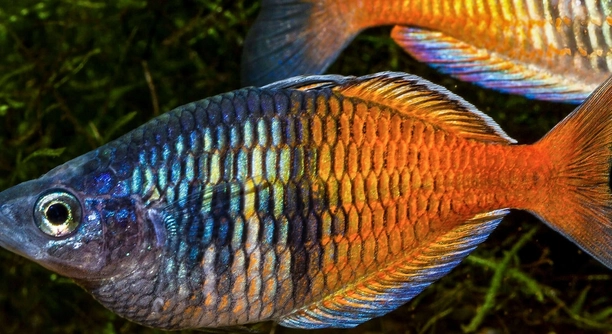
Rainbow fish are popular in home aquariums, but keeping them healthy means maintaining their water quality. Knowing how often to change their water is key to their well-being and happiness.
Changing the water in a rainbow fish tank should be done regularly, typically every 1 to 2 weeks, depending on the tank size, fish load, and filtration system. Regular water changes help prevent harmful toxins from building up and promote a healthy environment.
Maintaining clean water helps keep your rainbow fish vibrant and active. Understanding how often to change the water will ensure their health, giving them a long and happy life.
The Importance of Clean Water for Rainbow Fish
Rainbow fish are sensitive to poor water conditions. When the water in your aquarium is dirty, it can cause stress and illness. Dirty water contains harmful substances like ammonia, nitrites, and nitrates, which build up from fish waste and leftover food. These substances can harm your fish, making it harder for them to thrive.
Maintaining clean water helps to reduce the risk of disease. When you change the water regularly, you’re ensuring that the harmful substances don’t accumulate. Clean water supports better oxygen levels and promotes healthy growth for your fish. A stable environment makes it easier for rainbow fish to feel safe and active.
Besides removing harmful substances, water changes also remove excess algae and bacteria. It’s also a great way to refresh the minerals and elements that your rainbow fish need. Regular changes will help to prevent a cloudy tank and keep your fish vibrant and lively. By paying attention to water quality, you’re making sure your rainbow fish live in the best environment possible.
Factors That Affect How Often You Should Change the Water
Tank size and fish load are two of the main factors. Larger tanks need less frequent water changes, while smaller tanks require more attention. The more fish in the tank, the more waste is produced, meaning you may need to change the water more often.
Filtration plays an important role in maintaining water quality. A good filter can reduce the frequency of water changes, but it doesn’t eliminate the need entirely. Even with a good filtration system, regular water changes are essential to keep toxins in check and prevent them from building up. If your tank is heavily stocked or has many plants, the filtration system might not keep up with the waste produced, meaning more water changes are needed.
The health of your fish is another factor. If your rainbow fish are sick, water changes should be done more frequently to help them recover. It’s also important to monitor your water’s parameters, like pH, ammonia, and nitrate levels. A water test kit can give you more precise information on when to change the water.
How to Determine When to Change the Water
There are signs you can look for to know when the water needs changing. A strong fish odor, cloudy water, or visible algae growth are all signs that it’s time for a change. Regularly check your tank’s water to avoid unexpected issues.
Testing the water is an easy way to figure out when it’s time for a change. Ammonia, nitrite, and nitrate levels are good indicators of water quality. If any of these are high, the water needs to be changed. Water test kits are simple tools that help keep track of these factors. You can get them at most pet stores. Make sure to monitor the results to avoid any surprises.
If your rainbow fish are acting lethargic or showing signs of stress, it may indicate that the water quality is poor. In that case, change the water right away and test the levels to see if anything needs adjusting. Regular water checks ensure your fish stay happy and healthy.
How to Change the Water
Start by removing 20-30% of the tank’s water. Use a siphon or water pump to make it easier and cleaner. Always make sure the new water is treated and at the same temperature as the old water to avoid stressing your fish.
Before adding fresh water, clean any debris from the tank, like leftover food or waste. You can also clean the decorations and substrate, but be gentle. Excessive cleaning can remove beneficial bacteria from the tank. After adding the new water, check the levels to ensure they are within safe ranges for your fish.
Once the water is changed, it’s a good idea to monitor your fish closely. They may act a little differently after the change. Giving them time to adjust is important. In the days that follow, watch for signs of improvement in your rainbow fish, such as increased activity or brighter colors.
The Role of Filtration in Water Quality
A good filtration system can reduce the frequency of water changes, but it doesn’t eliminate the need. Filters help remove particles and harmful substances from the water, keeping it cleaner for longer. However, they can’t handle everything, so regular water changes are still necessary.
The filter’s efficiency depends on the type and size of the tank. A larger tank or one with more fish may require a stronger filter. Keep in mind that filters can also accumulate waste over time and need cleaning or replacement. Regular maintenance of your filtration system will keep it working effectively and help maintain better water quality.
Dealing with Overfeeding and Excess Waste
Overfeeding your rainbow fish is a common issue that affects water quality. Leftover food breaks down in the water, contributing to high ammonia levels and cloudy water. Avoid overfeeding by offering small amounts of food that your fish can consume in a few minutes.
If you notice leftover food, remove it promptly with a net or siphon. This keeps the tank cleaner and prevents waste from building up. Proper feeding habits, along with regular water changes, ensure your rainbow fish stay healthy. Keeping food portions in check helps maintain good water quality in the long term.
Handling Algae Growth in Your Tank
Algae can grow quickly in tanks with excess nutrients or too much light. If your rainbow fish tank has algae, it may be time to change the water. Algae consumes oxygen and can affect water quality if not controlled.
To manage algae, reduce the amount of light the tank receives, especially from direct sunlight. You can also add algae-eating fish or snails, which help keep it in check. Regular water changes will help reduce nutrients that encourage algae growth. By staying on top of algae, your tank will stay healthier overall.
FAQ
How often should I change the water in my rainbow fish tank?
You should change the water in your rainbow fish tank every 1 to 2 weeks. The frequency depends on factors like tank size, fish load, and filtration. Smaller tanks and those with more fish require more frequent water changes. Regular changes ensure good water quality and the overall health of your fish.
Can I change all the water at once?
It’s not recommended to change all the water at once. Doing so can cause stress to your rainbow fish because it disrupts their environment and may lead to sudden changes in water temperature or chemistry. Stick to changing about 20-30% of the water each time to maintain stability.
Do I need to treat the water before adding it to the tank?
Yes, always treat tap water with a water conditioner before adding it to your aquarium. Tap water often contains chlorine or chloramine, which can harm your fish. Water conditioners neutralize these chemicals, making it safe for your fish. Additionally, ensure that the new water is at the same temperature as the tank to prevent shock.
What happens if I don’t change the water often enough?
If you don’t change the water frequently enough, toxins like ammonia and nitrates will build up, leading to poor water quality. This can cause stress to your rainbow fish, weaken their immune systems, and increase the risk of disease. In the worst case, poor water quality can lead to fish fatalities.
Can I rely solely on a filter to maintain water quality?
A filter helps maintain good water quality by removing waste and debris, but it’s not enough on its own. Even with a filter, regular water changes are necessary to remove dissolved toxins and replenish important minerals. Regular testing of your water’s parameters is also essential to monitor its quality.
How do I know if the water is too dirty for my rainbow fish?
There are a few signs that the water might be too dirty. If the water becomes cloudy, if there’s a strong fishy odor, or if your rainbow fish are acting lethargic or stressed, it’s time to change the water. Regular testing for ammonia and nitrate levels will also give you an indication of water quality.
What’s the best way to remove excess waste and food?
The best way to remove excess waste and food is by using a siphon or aquarium vacuum. These tools help you clean the substrate, removing food and waste without disturbing the tank too much. Regularly remove leftover food after feeding your fish to prevent it from decaying and affecting water quality.
Can algae affect water quality?
Yes, algae can affect water quality by consuming oxygen and creating an imbalance in the tank. Algae growth is often a sign of excess nutrients in the water, such as nitrates and phosphates. To keep algae under control, do regular water changes, reduce the tank’s light exposure, and consider adding algae-eating fish or snails.
Should I clean the decorations and plants when changing the water?
It’s a good idea to clean your decorations and plants during a water change, but don’t go overboard. Gentle cleaning with aquarium-safe tools or a soft brush is sufficient. Avoid using soap or chemicals, as these can harm your fish. Cleaning the tank helps prevent debris buildup and keeps the environment healthy.
Can a water change help if my fish are sick?
Yes, changing the water can help if your fish are sick. Fresh, clean water can reduce toxins and stress, which are important factors in recovery. It’s also a good idea to monitor the water’s parameters and adjust them if necessary. If your fish remain sick, you may need to seek treatment or adjust other tank conditions.
How do I prevent the water from getting dirty so quickly?
Preventing water from getting dirty involves good tank maintenance practices. Don’t overfeed your fish, as leftover food is a common source of waste. Make sure your filtration system is working well and that it’s appropriate for the size of your tank. Keep your tank clean by removing debris and performing regular water changes.
Is it necessary to use a water test kit?
Using a water test kit is highly recommended. It allows you to monitor the levels of important factors like pH, ammonia, nitrites, and nitrates. These parameters give you insight into the water quality and help you know when it’s time to change the water or adjust the tank’s conditions.
How much water should I remove during a water change?
During each water change, it’s ideal to remove 20-30% of the tank’s water. This amount is enough to reduce toxins while minimizing stress on your fish. If the tank is heavily stocked, or if water quality is very poor, you might need to change slightly more water.
Can I use distilled water in my aquarium?
Distilled water is usually not recommended for aquariums because it lacks essential minerals that fish need. Using only distilled water can cause your rainbow fish to become stressed and sick. If you must use distilled water, you’ll need to add minerals and buffers to make it safe for your fish.
Do I need to clean the filter during every water change?
You don’t need to clean the filter during every water change. Cleaning the filter too often can remove beneficial bacteria that help break down waste. Instead, clean it every 4 to 6 weeks or when you notice it becoming clogged. Be sure to rinse it with tank water to avoid killing the helpful bacteria.
How do I handle a tank with high nitrate levels?
If your tank has high nitrate levels, it’s essential to change the water more often. Nitrates build up from fish waste and uneaten food. Regular water changes and removing excess waste will help reduce nitrate levels. You can also consider adding live plants, which help absorb nitrates and improve water quality.
Can I add too many fish to my tank?
Yes, overcrowding can lead to poor water quality. When you add too many fish, their waste builds up quickly, leading to higher levels of ammonia, nitrites, and nitrates. This puts stress on your rainbow fish and increases the need for more frequent water changes. Be mindful of the tank’s capacity and avoid overstocking.
Final Thoughts
Taking care of your rainbow fish requires more than just feeding them regularly. One of the most important aspects of fishkeeping is ensuring that their water stays clean and healthy. Regular water changes are essential for maintaining a balanced and safe environment. Without proper water maintenance, harmful toxins like ammonia and nitrates can build up, leading to stress and illness in your fish. By keeping a close eye on water quality and changing it regularly, you can ensure that your rainbow fish stay happy and healthy for years to come.
The frequency of water changes depends on several factors, including the size of your tank, the number of fish, and the efficiency of your filtration system. Smaller tanks or tanks with more fish will need more frequent water changes. On the other hand, larger tanks with fewer fish and good filtration might require less frequent changes. It’s also important to monitor your water’s parameters using a test kit. This will give you a clear idea of when it’s time to change the water, especially when it comes to levels like ammonia and nitrate.
Water changes are not just about removing waste. They also help to replenish essential minerals and maintain a stable environment for your fish. When done correctly, water changes can reduce the risk of algae growth and other water-related issues. Remember that consistency is key. Establishing a routine for water changes, along with good feeding practices and proper filtration, will ensure that your rainbow fish thrive in a clean, well-maintained tank. It’s the little steps you take every day that contribute to a healthier, more vibrant aquarium.

Hello,
If you enjoy the content that we create, please consider saying a "Thank You!" by leaving a tip.
Every little bit helps us continue crafting quality advice that supports the health, happiness, and well-being of pets around the world, for pets of all shapes, sizes, and species.
We really appreciate the kindness and support that you show us!