
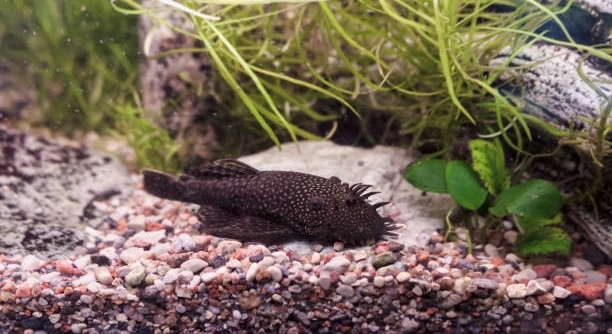
Plecos are fascinating fish with unique care needs, and maintaining their environment is essential for their health. One important task is changing their water regularly to ensure they thrive. Let’s explore how often this should be done.
The water in a pleco tank should be changed every 1 to 2 weeks, depending on the size of the tank and the number of fish. A smaller tank may require more frequent water changes to keep the water quality high.
Understanding the balance between clean water and maintaining a healthy environment is key to your pleco’s well-being. Regular water changes are just one aspect of good care that can make a difference in their overall health.
Why Regular Water Changes Are Important for Your Pleco
Plecos produce a lot of waste, and if you don’t change the water regularly, toxins like ammonia and nitrites build up. These can be harmful, causing stress or illness in your pleco. Keeping the water clean helps maintain a healthy environment. Regular water changes also help regulate temperature and ensure oxygen levels are stable. This is essential for the well-being of your pleco, as they thrive in clean, well-maintained water. Over time, stagnant water can affect their skin and gills, leading to possible health issues.
Changing water regularly also helps prevent algae growth. If left unchecked, algae can take over the tank, making it harder for your pleco to breathe and find food. Algae can clog filters and make the water dirty, leading to more frequent cleaning.
For plecos, a consistent water-change schedule contributes to their happiness. A clean tank ensures they feel comfortable, which encourages natural behaviors. This is particularly important if you have other fish or creatures in the same tank, as a dirty environment can harm all inhabitants. Make sure the water is replaced slowly to avoid shocking the pleco. It’s best to remove a portion of the water and replace it with fresh water at room temperature.
When Should You Change Pleco Water?
The timing of water changes depends on various factors such as tank size and number of plecos. Typically, every 1 to 2 weeks is ideal.
A smaller tank with one pleco may need water changes every week. Tanks that house more fish or have a higher waste load may require more frequent maintenance. Always test water parameters to check for changes in ammonia, nitrites, and pH levels. Regular water testing can help determine if changes are needed sooner. If your pleco’s tank water becomes cloudy or smells off, it’s a good sign that a water change is overdue.
How to Change Pleco Water Effectively
Start by using a siphon or gravel vacuum to remove waste from the substrate. Siphoning helps eliminate debris without disturbing the tank too much. After that, remove about 25-30% of the water, which is generally enough to keep the tank balanced.
When adding fresh water, make sure it matches the temperature of the tank. Sudden temperature changes can stress your pleco, leading to health problems. It’s also crucial to treat tap water with a dechlorinator to remove harmful chemicals. Finally, always monitor the water conditions after a change to ensure stability. Regular maintenance like this keeps the environment clean and safe for your pleco.
It’s important to clean the tank equipment, such as filters and heaters, during water changes as well. This helps maintain good water quality. Clean the filter media gently, as over-cleaning can disrupt the bacteria colony that helps break down waste. The filter should not be cleaned too often to avoid killing the beneficial bacteria.
Signs You Need to Change the Water Sooner
If the water starts to look cloudy or has a strong smell, it’s time for a water change. Cloudy water usually indicates high levels of waste or poor filtration. If your pleco is acting lethargic or swimming near the surface, it could also be a sign of poor water quality.
Monitoring ammonia, nitrite, and nitrate levels regularly can also help prevent problems. If any of these levels spike, do a water change immediately to avoid stress and potential harm to your pleco. A sudden increase in waste from food or waste build-up can also lead to water changes being needed more frequently.
Tools You’ll Need for Water Changes
A siphon or gravel vacuum is the most important tool for removing waste from the tank. These tools help you clean the substrate without disturbing the pleco too much. You’ll also need a bucket specifically for aquarium water changes to avoid contaminating the tank with soap or cleaning products.
Having a water conditioner on hand is essential when adding tap water to the tank. Tap water often contains chlorine or chloramine, which can harm your pleco. The conditioner neutralizes these chemicals, making the water safe for your fish. A thermometer is also helpful to ensure the new water is at the correct temperature.
The Right Water Temperature
Plecos thrive in stable water temperatures between 75°F and 80°F (24°C to 27°C). Water changes should never involve temperature swings, as it can stress your fish. Always check the temperature of the new water before adding it to the tank. Sudden fluctuations can lead to illness or even death in extreme cases.
Ensure the room temperature is also consistent. If your pleco is kept in a tank with a heater, be sure it’s working properly and the temperature remains stable. For larger tanks, a temperature probe can help track changes and ensure the water is consistent for your pleco’s comfort.
Dealing with Algae During Water Changes
Algae can grow quickly if water changes aren’t done regularly. If you notice green film on the glass or decorations, it’s a sign that algae is building up. During water changes, gently scrub any algae off surfaces using an aquarium-safe algae scraper.
You can also reduce algae growth by limiting the amount of light your tank receives. Plecos are nocturnal, so they don’t need excessive lighting. Reducing the light can help control algae while still maintaining a healthy environment for your pleco.
FAQ
How often should I change pleco water?
It’s recommended to change pleco water every 1 to 2 weeks, depending on the size of the tank and how many plecos or other fish are in the aquarium. In a smaller tank or one with more fish, water changes may be required more frequently. Regular water changes help keep the water clean, preventing harmful toxins from building up and ensuring a healthy environment for your pleco.
Can I change the water too often?
Changing the water too often can stress your pleco and disrupt the tank’s natural balance. Over-cleaning can also remove beneficial bacteria in the filter and substrate that help break down waste. However, if you notice poor water quality, it’s better to change the water more frequently until the issue improves. Aim to stick to a schedule, usually once every 1 to 2 weeks, and monitor the water condition regularly.
Is it okay to change 50% of the water at once?
While it’s generally safe to change 25% to 30% of the water at once, changing 50% can sometimes be too much, especially if the water is too cold or too hot. Large water changes can cause a sudden temperature shift, which may stress or harm your pleco. If you do change 50%, make sure the new water matches the tank’s temperature and add it gradually to avoid shocking the fish.
Should I remove the pleco from the tank during a water change?
It’s not necessary to remove the pleco from the tank during a water change. However, if you need to clean decorations or move the substrate, be sure to handle the tank carefully to avoid stressing the pleco. If your pleco seems overly stressed or disoriented, you can move it temporarily to a separate container with water from the tank.
How do I know if my pleco is stressed from water changes?
Stress in plecos can show up in several ways: hiding for long periods, floating near the surface, lack of appetite, or odd swimming behavior. If the pleco is more active than usual or swimming in circles, this could be a sign of stress from the water change. It’s important to keep the water temperature and parameters stable to minimize stress.
What should I do if my pleco’s water turns cloudy?
Cloudy water can be a sign of excess waste, algae, or bacterial growth. It’s important to change the water and clean the filter. Be sure to check the water parameters to ensure everything is in balance. If the cloudiness persists, you may need to clean the substrate, use an aquarium cleaner to treat bacterial blooms, or install a better filtration system. Cloudy water can indicate poor water quality, so act fast to address the issue.
Can I use tap water for my pleco tank?
Yes, you can use tap water, but make sure to treat it with a dechlorinator to remove chlorine and chloramine, which are harmful to fish. Tap water may also have fluctuating pH or hardness levels, so it’s a good idea to check those parameters. Some plecos may be sensitive to hard or soft water, so it’s best to match your water parameters to the species’ requirements.
Should I use a water filter?
Yes, using a filter is essential to maintaining a healthy environment for your pleco. A filter helps remove debris, waste, and chemicals from the water, keeping it clean and oxygenated. Plecos are bottom dwellers and often stir up the substrate, which can lead to a buildup of waste. A good filtration system helps keep the tank in balance, reducing the frequency of water changes and improving overall water quality.
How do I clean the filter during water changes?
When cleaning the filter, never use soap or harsh chemicals. Instead, rinse the filter media (sponges, bio-balls, or cartridges) with water taken from the tank to avoid killing beneficial bacteria. Clean the filter at least once a month to maintain its effectiveness. If the filter becomes clogged or less efficient, it may need a more thorough cleaning or replacement.
What if my pleco doesn’t eat after a water change?
If your pleco refuses to eat after a water change, it could be stressed from the change in water conditions or a shift in its environment. Give it some time, as plecos can take a while to adjust. If the issue persists for more than a day or two, check the water parameters and ensure the temperature, pH, and ammonia levels are ideal for your pleco. It could also be a sign of an underlying health issue, so keep an eye on its behavior.
What’s the best way to remove algae during a water change?
During a water change, you can use an algae scraper or pad to clean algae off tank walls, decorations, and plants. Be gentle to avoid damaging surfaces. If you have excessive algae, you may want to reduce the lighting hours for the tank and consider adding live plants that outcompete algae for nutrients. Plecos are natural algae eaters and will help manage algae, but extra cleaning may be necessary if the algae growth becomes too much.
How do I avoid overfeeding my pleco?
Overfeeding is a common problem that can lead to poor water quality and health issues for your pleco. Feed your pleco only what it can consume in 1 to 2 hours, and remove any leftover food after that time. Avoid giving them large meals all at once; instead, break up their feedings. Feeding them vegetables and algae-based foods can help prevent waste buildup in the tank. Regular water changes will also help clear out any waste from uneaten food.
Can I use aquarium salt for my pleco tank?
Aquarium salt is not typically necessary for plecos, as they are freshwater fish and do not require added salt. In fact, adding salt can harm your pleco if not used properly. Salt is usually used in tanks to treat certain diseases, but for general water changes, it’s best to stick to regular freshwater care and maintain good water quality through filtration and water changes. If you need to treat your pleco for illness, consult with a specialist to determine the appropriate treatment.
Final Thoughts
Taking care of your pleco involves more than just feeding and occasional tank maintenance. Regular water changes are an essential part of ensuring your pleco stays healthy and happy. Maintaining clean water helps prevent harmful toxins, such as ammonia and nitrites, from building up, which can cause stress and even illness. By sticking to a regular water-change schedule, you ensure a stable environment that your pleco will thrive in. Keep an eye on the water’s appearance and test it regularly to make sure it’s safe for your fish.
Water changes can seem like a lot of work, but with the right tools and a good routine, they become part of regular aquarium care. A siphon or gravel vacuum makes it easy to clean the substrate without disturbing the tank too much. Removing 25% to 30% of the water each time helps prevent sudden temperature or pH changes, which can stress your pleco. Always match the new water’s temperature to the tank’s to avoid shocking your fish. Over time, you’ll find that these simple steps help create a healthy and balanced environment.
Remember that the health of your pleco isn’t just about water changes. It’s also about maintaining proper water conditions, cleaning the filter, and avoiding overfeeding. Regular monitoring of water parameters, such as ammonia, nitrite, nitrate, and pH, helps ensure that your pleco’s environment is safe and comfortable. By staying consistent with water changes and overall tank maintenance, you’ll be setting up your pleco for a long, healthy life in your aquarium.

Hello,
If you enjoy the content that we create, please consider saying a "Thank You!" by leaving a tip.
Every little bit helps us continue crafting quality advice that supports the health, happiness, and well-being of pets around the world, for pets of all shapes, sizes, and species.
We really appreciate the kindness and support that you show us!