
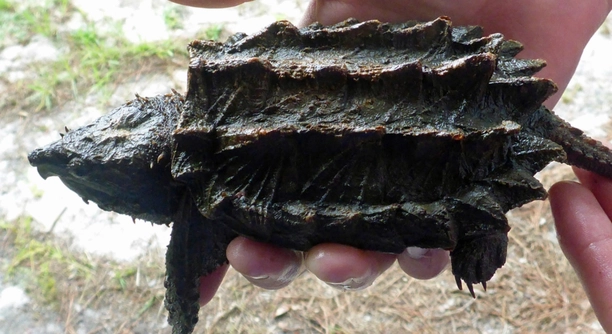
Do you have an alligator snapping turtle and wonder how often it should eat? Understanding its feeding schedule is essential for maintaining its health. These turtles have unique dietary needs that change based on age, size, and environmental factors.
Juvenile alligator snapping turtles should eat every other day, while adults typically eat once or twice a week. Their diet consists of fish, insects, and other protein sources, with portion sizes adjusted based on their growth and activity level.
Providing the right feeding schedule ensures a healthy, thriving turtle. Learning the best approach to portion sizes and feeding frequency will help prevent overfeeding and maintain their natural hunting behaviors.
How Often Should Alligator Snapping Turtles Eat?
Juvenile alligator snapping turtles need to eat every other day to support their growth and energy levels. Their diet should include fish, worms, and small invertebrates. As they mature, their metabolism slows, and adults only require food once or twice a week. Overfeeding can lead to obesity and health issues, so it is important to follow a consistent schedule. Feeding in a separate container can help maintain water quality by reducing leftover food in their primary habitat. Observing their behavior and adjusting portions accordingly will ensure they receive the right amount of nutrients.
Younger turtles require frequent meals, but adults can thrive on a less frequent feeding schedule. Maintaining a balance prevents excessive weight gain and promotes natural hunting instincts.
Providing the right feeding frequency ensures your turtle remains active and healthy. Monitoring its eating habits will help you adjust portions and feeding intervals to meet its specific needs.
How Much Should They Eat?
Portion sizes should match the turtle’s size and activity level. Juveniles eat more frequently, while adults need controlled portions to prevent excessive weight gain.
A good rule is to offer food that matches the size of their head per feeding. Juveniles may need slightly more due to their rapid growth, while adults require moderation. Fish, insects, and occasional plant matter provide balanced nutrition. Uneaten food should be removed to prevent water contamination. Observing your turtle’s response to feeding helps determine the appropriate portion size. Some turtles eat eagerly, while others prefer smaller meals spread out over time.
Alligator snapping turtles are opportunistic feeders and can overeat if given too much food. Adjust portions based on their energy levels and physical condition. Providing a varied diet with the right portions supports healthy shell development and overall well-being. Consistency in feeding practices will help prevent digestive issues and maintain optimal health.
Best Feeding Schedule for Alligator Snapping Turtles
Juveniles should be fed every other day, while adults eat once or twice a week. Keeping a routine helps maintain their natural eating habits. Providing food at the same time of day ensures consistency and prevents stress caused by irregular feeding patterns.
Juvenile turtles require frequent meals to support their rapid growth. Offering live or frozen prey such as fish, shrimp, and insects encourages natural hunting instincts. Overfeeding should be avoided, as excess food can lead to weight gain and poor water quality. Sticking to a structured schedule ensures they receive the right amount of nutrition without unnecessary waste.
Adult turtles need fewer meals since their metabolism slows as they age. Feeding them once or twice weekly with properly portioned meals prevents obesity and supports long-term health. A balanced diet, including fish, worms, and occasional plant matter, keeps them active and helps maintain a healthy shell.
Foods to Include and Avoid
A balanced diet includes fish, worms, shrimp, and occasional plant-based foods. Variety is important to provide essential nutrients. Avoid processed meats and foods high in fat or artificial additives. Stick to natural options that mimic what they eat in the wild.
Live prey stimulates natural feeding behavior, keeping turtles engaged during meals. Frozen or thawed fish, shrimp, and insects are excellent choices when live food isn’t available. Vegetables like leafy greens can be offered occasionally, but they should not make up the majority of their diet. Avoid feeding them fatty meats or processed foods, as these can cause long-term health issues.
Not all foods are safe for alligator snapping turtles. Avoid feeding them dairy, bread, or anything seasoned. These foods are difficult for them to digest and can lead to digestive problems. Stick to whole, unprocessed foods to ensure proper nutrition and a healthy diet.
How to Feed Alligator Snapping Turtles
Feed turtles in a separate container to keep their main habitat clean. This prevents leftover food from contaminating the water and reduces maintenance. Using tongs to offer food helps mimic natural hunting behavior while keeping your hands at a safe distance.
Monitor feeding times to avoid overfeeding. If food remains uneaten after 15 minutes, remove it. Juveniles may eat more eagerly, while adults can be slower. Adjust portion sizes based on activity levels to maintain a healthy weight and prevent digestive issues.
Common Feeding Mistakes
Overfeeding leads to obesity and shell deformities. Turtles should only eat what they can finish in a short period. Feeding too often disrupts their natural metabolism and can cause long-term health issues. Skipping meals occasionally is normal for adults and does not indicate a problem.
Signs of a Healthy Diet
A healthy turtle maintains an active lifestyle with a strong shell and clear eyes. Consistent feeding with the right balance of protein and nutrients supports proper growth.
FAQ
How often should I feed my juvenile alligator snapping turtle?
Juvenile alligator snapping turtles should be fed every other day. At this stage, they need more frequent meals to support their rapid growth and high energy needs. You can offer a variety of live or frozen prey, such as fish, shrimp, and worms. Keep portions small to avoid overfeeding.
How much food should I give my adult alligator snapping turtle?
Adults should eat once or twice a week. Their metabolism slows down with age, so they need fewer meals. It’s important to provide appropriate portion sizes based on their size and activity level. Offering a varied diet of fish, worms, and occasional plants is recommended.
Can I feed my alligator snapping turtle plant-based foods?
While alligator snapping turtles are primarily carnivorous, they can occasionally eat plant-based foods. Leafy greens, such as kale or lettuce, can be offered as a supplement to their main protein-based diet. Plant matter should not make up a large portion of their diet, as they need protein for proper health.
Should I feed my turtle live or frozen food?
Both live and frozen food are suitable for alligator snapping turtles. Live food encourages natural hunting behavior, which is beneficial for their mental stimulation. However, frozen food is a convenient alternative and still provides the essential nutrients. Just ensure that any frozen food is thawed before feeding.
How can I tell if I’m overfeeding my alligator snapping turtle?
Signs of overfeeding include weight gain, sluggish behavior, and a lack of interest in food during regular feeding times. If your turtle is becoming too large or inactive, reduce the amount of food and feeding frequency. Monitor their activity levels and adjust portions accordingly.
Can alligator snapping turtles eat insects?
Yes, alligator snapping turtles can eat insects. Crickets, beetles, and other small insects provide excellent sources of protein. Offering a mix of fish, insects, and other small prey items ensures your turtle’s diet remains balanced. Always ensure the insects are not too large or difficult to digest.
How often should I offer water to my alligator snapping turtle?
Your turtle should always have access to fresh water in their habitat. Unlike some other turtles, alligator snapping turtles are more aquatic and need a clean water source for hydration and bathing. Make sure their enclosure has a water area large enough for them to submerge comfortably.
Can I feed my alligator snapping turtle processed food?
Processed foods should be avoided, as they often contain additives and preservatives that are harmful to alligator snapping turtles. Stick to natural food options like live prey, frozen fish, or insects. This helps maintain their health and prevents digestive issues.
How do I know if my turtle’s diet is balanced?
A balanced diet for an alligator snapping turtle includes a mix of protein-rich foods like fish and insects. Their diet should also include occasional plant matter for extra nutrients. Signs of a balanced diet include an active turtle with a healthy shell and clear eyes.
What should I do if my turtle refuses to eat?
If your turtle refuses food, it could be a sign of stress, illness, or environmental factors like water temperature. First, check the water temperature and make sure it’s in the appropriate range. If the problem persists for more than a few days, consult a vet to rule out health issues.
Are alligator snapping turtles picky eaters?
Alligator snapping turtles are not usually picky eaters, as they are opportunistic feeders in the wild. However, if your turtle refuses certain foods, it may be due to a lack of variety or a preference for live prey. Try offering different food types to see what they prefer.
How can I maintain the cleanliness of my turtle’s feeding area?
To keep your turtle’s feeding area clean, remove any uneaten food after about 15 minutes. This prevents food from decomposing in the water and contaminating the habitat. Regularly clean the tank and filter system to ensure a healthy environment for your turtle.
Should I feed my turtle in its tank or in a separate container?
Feeding your alligator snapping turtle in a separate container is recommended. It prevents leftover food from contaminating the tank water, making it easier to maintain clean conditions. A separate feeding area also reduces stress and allows you to monitor how much your turtle is eating.
Can alligator snapping turtles eat meat other than fish?
Yes, alligator snapping turtles can eat other types of meat, such as worms, shrimp, and even small amphibians. They are opportunistic feeders, so their diet can include various types of protein. Make sure any meat you offer is fresh and safe for consumption.
What is the best food for an alligator snapping turtle?
The best food for an alligator snapping turtle includes a mix of fish, shrimp, worms, and small insects. These protein-rich foods mimic what they would naturally consume in the wild. A varied diet will provide the necessary nutrients to keep your turtle healthy and active.
Can I feed my alligator snapping turtle the same food every day?
Feeding your turtle the same food every day is not recommended. A varied diet helps ensure they receive all the necessary nutrients. Rotate between different protein sources, such as fish, worms, and insects, and occasionally offer plant-based foods to add variety and balance to their diet.
Final Thoughts
Feeding an alligator snapping turtle requires careful attention to their dietary needs. These turtles are primarily carnivorous and need a diet rich in protein, which includes fish, worms, and insects. While they can occasionally eat plant-based foods, such as leafy greens, these should not make up a significant portion of their diet. Maintaining a balanced diet with variety ensures your turtle remains healthy and active. Regularly monitoring their eating habits and adjusting food portions based on age and activity levels is crucial for long-term health.
In addition to providing the right food, it’s important to avoid overfeeding. Overfeeding can lead to obesity and other health problems, so it’s essential to understand how much food your turtle needs. Juveniles may require more frequent feedings, while adults should be fed less often. You should also make sure to remove any uneaten food to keep the habitat clean and reduce water contamination. By feeding them in a separate container, you can also ensure that leftover food doesn’t negatively affect the tank’s water quality.
Lastly, keeping an eye on your turtle’s overall health is key to ensuring they thrive. A healthy alligator snapping turtle will have a strong shell, clear eyes, and an active disposition. If you notice any changes in their eating habits, behavior, or appearance, it’s a good idea to consult with a veterinarian. By paying attention to their diet, habitat, and overall well-being, you can help your turtle live a long and healthy life.

Hello,
If you enjoy the content that we create, please consider saying a "Thank You!" by leaving a tip.
Every little bit helps us continue crafting quality advice that supports the health, happiness, and well-being of pets around the world, for pets of all shapes, sizes, and species.
We really appreciate the kindness and support that you show us!