
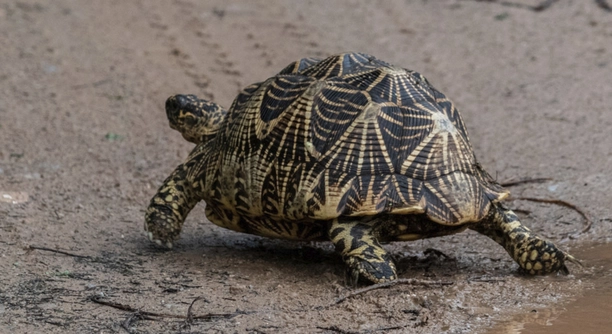
Star tortoises are fascinating creatures with unique behaviors, and their egg-laying habits are one of the most intriguing aspects of their life cycle. Understanding how often they lay eggs can be essential for anyone caring for or studying them.
Star tortoises typically lay eggs every 2 to 3 weeks during their breeding season, which usually spans from late spring to early fall. Female star tortoises can lay up to 5 to 10 eggs per clutch, depending on age and health.
These reproductive habits play an important role in the care and management of star tortoises, and understanding them helps ensure their well-being.
Factors Affecting How Often Star Tortoises Lay Eggs
Star tortoises don’t lay eggs on a regular, set schedule. Various factors influence how often they can lay. One of the key factors is the age of the tortoise. Younger females typically lay fewer eggs, while older females produce more. Health is another important consideration—tortoises in better condition are more likely to lay eggs consistently. Additionally, their environment plays a significant role. In the wild, they’re more likely to lay eggs when temperatures and food availability are optimal. In captivity, maintaining the right conditions can encourage healthy egg-laying habits.
The age, health, and environment all contribute to how often a star tortoise will lay eggs. Ensuring a balanced diet and proper care can support egg production.
To better understand how star tortoises reproduce, it’s also essential to consider their natural instincts. In the wild, egg-laying is deeply connected to seasonal cycles. With the arrival of warmer weather, female tortoises feel the urge to lay eggs. However, captivity can disrupt these cycles. If a tortoise’s habitat doesn’t mimic the natural environment closely enough, it could lead to irregular egg-laying. This is why providing the right conditions for these animals is so important, especially when they are kept in controlled spaces. Temperature, light exposure, and humidity should all be carefully monitored to promote healthy egg production.
How Egg-Laying Affects Star Tortoises
When star tortoises lay eggs, it can have physical effects on their bodies. Egg-laying requires a lot of energy, which can cause them to feel tired or less active.
After egg-laying, female star tortoises often rest to recover from the physical exertion. Egg production can also be exhausting over time, so ensuring they have time to rest is essential for their long-term health. Additionally, the process of laying eggs can put stress on the tortoise’s body. If they are unable to lay eggs properly or if they lay too often, it can lead to health complications, such as egg retention. This is a condition where the eggs remain inside the tortoise, leading to infections and other issues. To reduce the risk of such problems, it’s important to regularly check on their condition, especially if they are housed in a controlled environment.
How to Care for a Star Tortoise During Egg-Laying
During egg-laying, star tortoises need extra care and attention. Ensuring a safe and comfortable environment can help reduce stress and encourage successful egg production. Make sure the enclosure is spacious enough for the tortoise to move freely, and the temperature should be consistent with natural conditions.
Providing appropriate nesting areas is key. You can create a designated space with loose, slightly moist soil for the female to lay her eggs. This will help her feel secure and comfortable. Keep the area clean to avoid any risks of infection. It’s also important to provide plenty of fresh food and water to maintain her energy levels during this process.
Monitoring your star tortoise during egg-laying is essential. If she shows signs of distress or failure to lay eggs, you might need to intervene. In some cases, providing extra calcium or adjusting her environment can help. Make sure the enclosure has enough light exposure to simulate natural cycles and encourage regular egg-laying.
Common Health Issues After Egg-Laying
After laying eggs, star tortoises may face several health concerns. It’s important to look out for signs of discomfort or abnormal behavior, which could indicate potential issues. If your tortoise seems lethargic or refuses to eat, it might be a sign of egg-related problems.
Egg retention is one of the most common issues that female star tortoises can face after laying eggs. This occurs when eggs remain inside the tortoise’s body, which can cause infections and other health issues. To prevent this, make sure the tortoise’s habitat encourages natural behaviors, such as digging and searching for nesting sites. If egg retention occurs, consult a veterinarian immediately to ensure proper care.
Another concern is egg binding, where the eggs do not pass through the reproductive tract properly. This can be a serious condition that requires medical attention. To avoid egg binding, ensure that the tortoise has a proper diet rich in calcium and sufficient hydration. Keep the environment warm enough, as cold temperatures can hinder egg-laying and make the process more difficult for the tortoise. Regular health checkups are necessary to address these risks.
Signs of Healthy Egg-Laying in Star Tortoises
A healthy star tortoise will exhibit certain behaviors during egg-laying. They will often dig to create a suitable nesting site and then lay their eggs in a calm, focused manner. After laying, they may rest and eat more to recover.
It’s important to check if your star tortoise’s eggs are firm and properly shaped. Soft or irregularly shaped eggs may signal health concerns. Also, ensure the tortoise stays hydrated and active after laying, as this is a good indicator of her overall well-being. Any drastic changes should be addressed promptly.
Best Conditions for Star Tortoise Egg Laying
The ideal conditions for egg-laying are essential for star tortoises. A temperature range of 80°F to 90°F is ideal, as it mimics their natural environment. The humidity should also be moderately high, around 60% to 70%, to maintain the proper conditions for egg development.
Providing a safe, clean, and spacious area for nesting is important. The substrate should be loose enough for the tortoise to dig and create a hole to lay her eggs. A mix of sand and soil works well for this. Ensuring these conditions promotes successful egg-laying and minimizes stress on the tortoise.
How to Support Egg Production
To support egg production, focus on diet and environment. A balanced diet rich in calcium and vitamins helps maintain a healthy reproductive system. Proper lighting is also important to simulate natural day-night cycles.
Creating a space for the tortoise to roam and dig is essential to encouraging natural egg-laying behavior. Keeping the temperature and humidity levels within the optimal range will help ensure the process goes smoothly. Avoiding disruptions and stress will also keep your tortoise in a healthy state for egg production.
FAQ
How can I tell if my star tortoise is ready to lay eggs?
When a star tortoise is ready to lay eggs, you’ll notice a few key signs. The female may become more active, digging more frequently as she searches for a place to lay. Her behavior may change, as she becomes more focused on finding a nesting area. She may also appear more restless and might spend time pacing in her enclosure. During this period, it’s important to ensure she has access to a clean, spacious area with proper substrate, such as soil or sand, that allows her to dig comfortably.
How many eggs does a star tortoise lay at a time?
A female star tortoise can lay anywhere from 3 to 10 eggs per clutch, depending on her age, health, and size. Younger tortoises tend to lay fewer eggs, while older, healthier tortoises may lay larger clutches. The exact number also varies based on environmental factors like diet, habitat, and breeding conditions. In the wild, they tend to lay eggs in late spring to early summer, but this can differ in captivity depending on the controlled environment. It’s important to monitor their egg-laying behavior to ensure they have everything they need during this time.
How often do star tortoises lay eggs?
Female star tortoises usually lay eggs once every 2 to 3 weeks during the breeding season, which typically occurs in warmer months. However, some females may lay more frequently, depending on their health and environment. In captivity, it is possible for egg-laying cycles to be slightly altered due to artificial light and temperature conditions. It’s essential to provide a stable and natural environment to keep their cycles as regular as possible. Star tortoises may rest between laying cycles to recover and recharge their energy.
What should I do if my star tortoise is not laying eggs?
If your star tortoise is not laying eggs during the expected time, there could be several reasons. First, check the environment. If the temperature or humidity levels aren’t suitable, it could prevent her from feeling comfortable enough to lay. Additionally, stress from an improper diet or environmental changes can also hinder egg production. Ensure that your tortoise is getting the proper nutrition, including calcium-rich foods, and has access to a clean, suitable nesting area. If the problem persists, it’s always a good idea to consult a veterinarian to rule out any health issues.
Can star tortoises lay eggs without a male?
Yes, female star tortoises can lay eggs without mating with a male. This phenomenon is known as “parthenogenesis,” where females produce eggs that can develop without fertilization. However, these eggs will not hatch, as there is no male genetic contribution to the eggs. In captivity, if no male is present, the female may still go through the process of egg-laying, but the eggs will be infertile. If you notice your tortoise laying eggs without a mate, it’s essential to monitor her health to ensure she isn’t experiencing stress or complications.
What happens if a star tortoise doesn’t lay its eggs?
If a star tortoise is unable to lay its eggs, this can result in a condition called egg retention. The eggs may remain inside her body, causing pain, swelling, and possibly infections. Egg retention can be dangerous and may require medical intervention. If you notice that your tortoise is having trouble laying eggs or seems to be in discomfort, it’s critical to consult with a veterinarian. They may suggest ways to encourage egg-laying, such as adjusting the environment or providing certain treatments. In some cases, the tortoise may need help physically to pass the eggs.
How long does it take for star tortoise eggs to hatch?
The incubation period for star tortoise eggs typically ranges from 80 to 120 days, depending on the temperature and humidity levels. Warmer conditions tend to speed up the process, while cooler environments can prolong the time it takes for the eggs to hatch. During the incubation period, it’s important to maintain stable environmental conditions to ensure the eggs develop properly. If you are incubating the eggs yourself, be sure to use a reliable temperature and humidity monitor to maintain the optimal conditions. Keep the eggs in a safe, quiet area to prevent disturbing them.
How can I prevent my star tortoise from laying eggs too frequently?
To prevent your star tortoise from laying eggs too frequently, you should focus on her overall health and environment. Providing a balanced diet that includes the right amount of calcium and nutrients will help regulate her reproductive system. Avoiding stress and providing a stable, well-maintained environment is also crucial. If she seems to be laying eggs too often, you may need to adjust the lighting and temperature to mimic a more natural seasonal cycle. Reducing the frequency of egg-laying may require guidance from a vet, especially if there are concerns about her health.
What should I do if my star tortoise lays eggs outside of the nesting area?
If your star tortoise lays eggs outside of the designated nesting area, you should carefully move them to a proper location with a similar temperature and humidity level. Ensure the area is clean and free of contaminants. Gently transfer the eggs to a safe, quiet space where they can be incubated, and avoid touching them too much to prevent damaging the delicate shells. If you notice the eggs are not being cared for properly by the tortoise, you may need to assist with incubation, making sure to replicate the conditions of a natural nest.
Final Thoughts
Caring for a star tortoise during egg-laying is a rewarding experience, but it does require attention to detail. These animals need a proper environment, proper nutrition, and time to rest after laying eggs. If you are keeping a star tortoise as a pet, it’s important to provide the right conditions to support their natural behaviors. The right temperature, humidity, and substrate can help ensure that the egg-laying process goes smoothly. Monitoring your tortoise closely during this time is essential for their health and well-being.
In some cases, star tortoises may face health challenges related to egg-laying, such as egg retention or egg binding. These conditions can be serious and require immediate attention from a veterinarian. While egg-laying is a natural part of their life cycle, it’s important to make sure that it doesn’t cause stress or harm to your tortoise. Providing them with the right diet, including enough calcium, and creating a safe and comfortable environment will reduce the chances of health problems. Being aware of the signs that something is wrong and seeking help early can prevent complications.
Whether your star tortoise is laying eggs frequently or occasionally, it’s important to remember that this behavior is natural. Understanding the factors that affect egg production, such as age, health, and environment, can help you provide the best care possible. Regular checkups with a vet and ensuring a balanced diet will help keep your tortoise healthy and active. By staying informed and attentive, you can support your star tortoise throughout the egg-laying process and help ensure its overall well-being.

Hello,
If you enjoy the content that we create, please consider saying a "Thank You!" by leaving a tip.
Every little bit helps us continue crafting quality advice that supports the health, happiness, and well-being of pets around the world, for pets of all shapes, sizes, and species.
We really appreciate the kindness and support that you show us!