
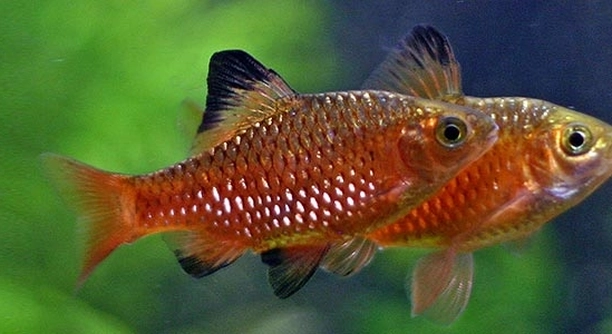
Rosy Barbs are popular freshwater fish known for their lively colors and peaceful nature. Many aquarium enthusiasts enjoy keeping them because they add movement and charm to tanks. Understanding their social needs helps maintain a healthy and happy environment.
Rosy Barbs are schooling fish that require tank mates for social interaction. Ideally, they should be kept in groups of at least six to promote natural behavior and reduce stress. Proper companions help maintain balance in the tank.
Knowing the right tank mates and group size will improve your Rosy Barbs’ well-being and create a vibrant aquatic community.
Why Rosy Barbs Need Tank Mates
Rosy Barbs are naturally social fish that thrive when kept in groups. In the wild, they swim together in schools, which provides safety and comfort. Keeping just one or two Rosy Barbs can lead to stress and shy behavior, as they rely on their companions for company. When in groups of six or more, these fish display their full range of colors and active personalities. A well-sized school helps reduce aggression and encourages healthier behavior. It also mimics their natural environment, which is important for their mental and physical well-being. Without proper social interaction, Rosy Barbs may become lethargic or hide more often. Additionally, tank mates that are peaceful and active complement Rosy Barbs’ temperament, making the tank a more balanced ecosystem. Selecting the right companions and group size can significantly improve your tank’s harmony and the fish’s quality of life.
Tank mates reduce stress and promote natural schooling behaviors, which are vital for Rosy Barbs’ health and activity.
Choosing compatible tank mates involves considering size, temperament, and water requirements to create a peaceful environment for Rosy Barbs and their companions.
Best Tank Mates for Rosy Barbs
Rosy Barbs do well with other peaceful, medium-sized fish. Avoid very small or slow-moving species that might be bullied. Suitable companions include Danios, Gouramis, and some types of Tetras. These fish share similar water needs and activity levels, which helps maintain balance. Avoid aggressive or overly territorial fish because Rosy Barbs prefer a calm atmosphere. Also, steer clear of fin-nipping species, as Rosy Barbs have long, flowing fins that can be targeted. Compatibility helps reduce stress and aggression in the tank, making it a happier space for everyone. Always introduce new tank mates slowly and observe their behavior to ensure harmony. Proper filtration and regular maintenance will also support a healthy tank environment, helping all fish to thrive together. The right mix of tank mates will bring out the best in your Rosy Barbs and create a lively, colorful aquarium.
Ideal Group Size for Rosy Barbs
Rosy Barbs should be kept in groups of at least six. Smaller groups can cause stress and make the fish shy. A larger group encourages natural schooling behavior and reduces aggression.
Keeping six or more Rosy Barbs helps them feel secure and active. They swim together and interact, which prevents boredom and stress. In smaller groups, Rosy Barbs may hide or become less colorful. Group size affects their mood and health significantly. A larger school balances dominance and keeps aggression low. It also makes the tank more visually interesting with their lively movement. When space is limited, aim for at least five to maintain social behavior.
A group size of six or more is recommended for Rosy Barbs to thrive. This supports their social nature and promotes healthier, more natural behavior in the tank.
Common Mistakes with Tank Mates
Choosing incompatible tank mates can lead to stress and fighting. Aggressive or overly shy fish do not mix well with Rosy Barbs. Avoid pairing them with species that have very different water needs or behavior.
Adding too few Rosy Barbs or mixing them with fin-nippers can cause problems. Some fish may nip at the long fins of Rosy Barbs, causing injury and stress. Keeping fish that outcompete Rosy Barbs for food or space can also create tension. It’s important to research species compatibility carefully before adding new fish. Properly matching tank mates and maintaining good water conditions reduces conflict. Taking these steps helps create a peaceful environment where Rosy Barbs and their companions can thrive side by side.
Feeding Rosy Barbs in a Community Tank
Rosy Barbs eat a variety of foods, including flakes, pellets, and live or frozen treats. Feeding them a balanced diet helps keep them healthy and colorful.
In a community tank, make sure all fish get enough food. Rosy Barbs are active and fast eaters, so watch for competition during feeding time.
Tank Size Recommendations for Groups
A tank of at least 30 gallons is ideal for a group of six Rosy Barbs. This provides enough space for swimming and reduces territorial behavior. Larger tanks offer better water stability and more room for tank mates.
Signs of Stress in Rosy Barbs
Stress in Rosy Barbs shows as hiding, loss of color, or unusual aggression. Recognizing these signs early can help address tank issues and improve their environment.
FAQ
How many Rosy Barbs should be kept together?
Rosy Barbs should be kept in groups of six or more. They are schooling fish and feel safest when surrounded by their own kind. Smaller groups can cause stress, making them shy or aggressive. A group of six or more encourages natural behavior, reduces bullying, and keeps the fish active and colorful.
Can Rosy Barbs live with other fish species?
Yes, Rosy Barbs get along well with peaceful, similarly sized fish. Suitable tank mates include Danios, Gouramis, and some Tetras. Avoid very small fish that might be bullied or fin-nippers that could damage their long fins. Matching water temperature and tank conditions is important to keep everyone healthy.
What tank size is needed for Rosy Barbs and their tank mates?
A minimum 30-gallon tank is recommended for a group of six Rosy Barbs. This size allows enough swimming space and reduces stress. Larger tanks are better if you want to add more fish or plants. Overcrowding can lead to aggression and poor water quality.
How often should I feed Rosy Barbs in a community tank?
Feed them once or twice daily with a mix of flakes, pellets, and occasional live or frozen foods like bloodworms or brine shrimp. Watch during feeding to make sure all fish get enough food and none are left out or overfed. Feeding small amounts multiple times a day works best.
What are the common signs of stress in Rosy Barbs?
Stress can show through hiding, dull or faded colors, erratic swimming, or fin damage. Aggression from other fish or poor water conditions often causes this. If you see these signs, check tank mates, water quality, and feeding routines. Early action can prevent illness.
Do Rosy Barbs need special care for their fins?
Their long fins can be targets for fin-nippers, so avoid aggressive or fin-nipping species. Keep water clean to prevent infections, and remove injured fish if needed. Providing plenty of space and hiding spots helps reduce stress and fin damage.
Is it okay to keep Rosy Barbs with aggressive fish?
No, aggressive fish stress Rosy Barbs and may cause injury. Rosy Barbs prefer peaceful tank mates that won’t chase or bully them. Always research compatibility before adding new species to the tank.
Can Rosy Barbs live alone?
While they can survive alone, it’s not recommended. They are social and need groups to display natural behavior and stay healthy. Alone, they may become stressed, less active, and lose their bright colors.
How do I introduce new tank mates to a Rosy Barb tank?
Introduce new fish slowly and watch their behavior closely. Quarantine new fish before adding them to prevent disease. Add new fish during feeding time to reduce territorial behavior. Make sure tank size can handle additional fish without crowding.
What water conditions do Rosy Barbs prefer?
Rosy Barbs thrive in temperatures between 64-72°F (18-22°C) and slightly acidic to neutral pH (6.0-7.5). Regular water changes and good filtration are important. Stable water conditions keep them healthy and stress-free. Avoid sudden changes in temperature or water chemistry.
Rosy Barbs are lively fish that do best when kept with others of their kind. They are natural schoolers and need the company of at least six fish to feel comfortable and show their true colors. When kept in proper group sizes, they are active and less stressed. This social behavior is important to their overall health and happiness in the aquarium. If they are kept alone or in too small groups, they can become shy or even aggressive. Providing the right number of tank mates helps create a balanced and peaceful tank environment.
Choosing the right tank mates is just as important as the group size. Rosy Barbs get along well with peaceful fish that have similar sizes and temperaments. Avoid fish that are aggressive or those that nip fins, as Rosy Barbs have long fins that can be damaged easily. The tank should be large enough to give all fish room to swim and hide. A tank of at least 30 gallons is ideal for a small group of Rosy Barbs. Keeping the water clean and stable with regular changes is also necessary to maintain their health. Good water conditions help prevent stress and disease, allowing the fish to thrive.
Overall, taking care of Rosy Barbs means paying attention to their social needs, tank mates, and environment. By keeping them in groups and choosing compatible companions, you support their natural behavior and wellbeing. Feeding them a balanced diet and maintaining clean water will further improve their quality of life. With the right care, Rosy Barbs can bring color and energy to any freshwater aquarium. Their friendly nature and beauty make them a rewarding choice for fishkeepers who provide a suitable home.

Hello,
If you enjoy the content that we create, please consider saying a "Thank You!" by leaving a tip.
Every little bit helps us continue crafting quality advice that supports the health, happiness, and well-being of pets around the world, for pets of all shapes, sizes, and species.
We really appreciate the kindness and support that you show us!