
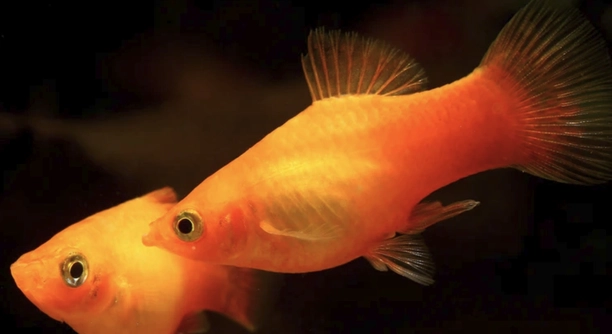
Platies are popular freshwater fish often kept in home aquariums. Their bright colors and peaceful nature make them a favorite among fish enthusiasts. Understanding how often platies breed can help maintain a healthy tank environment.
Platies typically breed every four to six weeks under optimal conditions. Factors such as water temperature, diet, and tank size influence their breeding frequency. Female platies can store sperm, allowing multiple batches of fry from a single mating.
Knowing the breeding cycle helps in managing population growth and ensuring a balanced aquarium community. This information supports better care for both adult platies and their offspring.
Factors Affecting Platies’ Breeding Frequency
Several factors impact how often platies breed in a tank. Water temperature is one of the most important. Platies breed more frequently in warmer water, ideally between 72°F and 78°F. If the temperature is too low, their breeding slows down or stops altogether. Nutrition also plays a key role. A varied diet rich in protein helps females develop healthy eggs and males stay fertile. Overcrowding can reduce breeding activity because stress affects fish health and behavior. Tank size matters too; a spacious environment encourages natural behavior and frequent breeding. Lastly, the presence of hiding spots gives pregnant females places to rest and protects fry from adult fish, increasing survival rates. By paying attention to these factors, tank owners can better support regular breeding cycles and maintain a healthy, thriving platy population.
Maintaining good water quality is also essential. Clean, well-filtered water keeps fish healthy and more likely to reproduce regularly.
Monitoring these factors creates an environment where platies can breed naturally and frequently.
Signs That Your Platies Are Ready to Breed
Female platies become noticeably rounder when pregnant, especially near the belly. This swelling is due to developing fry inside. Males tend to become more active and chase females around the tank. This chasing is part of their natural courtship behavior. You may also notice small mating displays where males use their modified anal fin, called a gonopodium, to fertilize the female. The female’s gravid spot, a dark patch near her rear, becomes more prominent as pregnancy progresses. These visual cues make it easier to tell when breeding is imminent or happening. Knowing these signs helps in managing tank conditions and preparing for the arrival of fry, ensuring the best possible care for both adults and young fish.
Recognizing these behaviors allows for timely adjustments in tank care to support healthy breeding.
Caring for Pregnant Platies and Fry
Once a female platy is pregnant, it is important to provide extra care. Pregnancy usually lasts about 24 to 30 days. During this time, keeping water clean and stable supports the female’s health. Reducing stress by minimizing sudden changes in the tank helps too. Providing plenty of hiding spots with plants or decorations allows the female to feel safe. When the fry are born, they are tiny and vulnerable. Separate breeding tanks or fry traps prevent adult fish from eating them. Feeding fry with finely crushed flakes or specialized fry food encourages growth and survival. Regular small water changes maintain quality, which is critical for their development. Watching the growth of fry can be rewarding and ensures the tank’s population remains healthy over time.
Good care during pregnancy and early fry stages leads to strong, healthy fish that thrive in the tank.
Common Challenges in Breeding Platies
Breeding platies can face some challenges, mostly related to tank conditions and population control. Overcrowding leads to stress, which lowers breeding activity. Poor water quality can cause illness, reducing the chance of successful pregnancies.
One common problem is overpopulation. Platies breed quickly, and without proper management, the tank can become crowded. Overcrowding results in competition for food and space, weakening both adults and fry. Another issue is aggression. While platies are generally peaceful, stress from overcrowding or poor conditions may cause fights, injuring fish and impacting breeding success. Controlling tank size and maintaining good water conditions help prevent these problems. Providing hiding spots for fry and separating adults when necessary improves survival rates and reduces stress.
Tank conditions such as fluctuating temperature and improper filtration also affect breeding. Consistent care is important to avoid setbacks. Addressing challenges early keeps the breeding process smooth and healthy.
How to Manage Platy Population in Your Tank
Managing platy population is essential to keep your tank balanced. Regularly monitor fry numbers and separate excess fish to prevent overcrowding. Consider giving away or selling extra platies to maintain a healthy environment.
To control population, use a separate breeding tank or remove fry shortly after birth. This prevents rapid overpopulation in the main tank. Keeping fewer females than males also helps slow breeding. Maintain a clean tank with good filtration to support fish health and reduce stress. Avoid feeding excessively, as too much food encourages more breeding. Managing the population ensures all fish receive enough resources, reducing disease and aggression risks. This creates a better habitat for adult platies and young fish alike. Consistent monitoring and care are key to successful population control.
Breeding Frequency in Different Tank Sizes
Tank size directly affects how often platies breed. Smaller tanks tend to stress fish, which lowers breeding frequency. Larger tanks offer more space and reduce stress, encouraging more regular breeding.
In a spacious tank, platies have room to swim freely and hide. This comfort supports healthier behavior and increases the chances of successful reproduction.
Signs of Overbreeding in Platies
Overbreeding can cause platies to become stressed and weaker. Signs include lethargy, loss of color, and poor appetite. These symptoms indicate the need to reduce breeding activity or separate fish to improve their health.
Benefits of Controlled Breeding
Controlled breeding helps maintain a healthy platy population and prevents overcrowding. It also allows for better care of both adults and fry. This approach leads to stronger, healthier fish.
When to Separate Fry from Adults
Separating fry from adults early prevents the young from being eaten. It also gives fry a better chance to grow safely without competition for food and space.
FAQ
How long does it take for platies to breed after being introduced to a new tank?
Platies usually start breeding within two to three weeks after settling into a new tank. This period allows them to adjust to water conditions and establish territories. Stress or poor water quality can delay breeding, so keeping the environment stable helps encourage quicker reproduction.
Can platies breed without a male present?
No, platies cannot breed without a male. Females store sperm after mating, which allows them to produce multiple batches of fry over several weeks without needing the male present again. However, initial fertilization requires at least one male in the tank.
How many fry can a female platy have at once?
A female platy typically gives birth to between 20 and 50 fry per brood. The number varies based on her health, age, and tank conditions. Well-cared-for females in optimal environments tend to produce larger broods.
Is it normal for female platies to store sperm and give birth multiple times?
Yes, female platies can store sperm in their reproductive tract. This allows them to give birth to several groups of fry from a single mating without needing to mate again immediately. This natural adaptation helps them maintain population growth in stable tanks.
What is the best temperature range for breeding platies?
The ideal temperature for breeding platies is between 72°F and 78°F. Within this range, metabolic and reproductive processes work best. Temperatures outside this range can slow down breeding or cause stress, reducing the chances of successful reproduction.
How often should water be changed to support breeding platies?
Regular water changes are important. Changing about 25% of the tank water once a week helps maintain cleanliness and stable conditions. Clean water reduces stress and supports fish health, which encourages frequent breeding.
Should platies be separated during breeding?
Separating pregnant females or fry is often recommended. It prevents adults from eating the fry and reduces stress on the female. Using a breeding box or a separate tank ensures better survival rates for the young fish.
What do platy fry eat?
Platy fry need very small foods such as infusoria, newly hatched brine shrimp, or finely crushed flake food. These tiny foods provide essential nutrients for their early growth stages. Feeding should be frequent but in small amounts to keep the water clean.
How can I tell if a platy is pregnant?
Pregnant platies develop a noticeably round belly and a dark gravid spot near the rear. The gravid spot becomes darker as the pregnancy progresses. Females may also behave more cautiously and hide more often.
Can platies breed year-round?
Yes, platies can breed year-round if tank conditions remain stable. Consistent temperature, clean water, and good nutrition keep them healthy and able to reproduce continuously. Seasonal changes are less relevant in a controlled tank environment.
What should I do if my platy population grows too fast?
If your platy population grows quickly, consider separating fry or giving some away. Managing the number of fish prevents overcrowding, which can lead to stress and disease. Maintaining balanced numbers helps keep the tank healthy for all inhabitants.
Do platies require special lighting to breed?
Platies do not need special lighting to breed. Normal aquarium lighting that mimics natural daylight hours is sufficient. Consistent light cycles help regulate their biological rhythms, supporting regular breeding behavior.
Is it necessary to feed special foods to encourage breeding?
Feeding a balanced diet rich in protein supports breeding. While special foods are not required, including live or frozen foods like brine shrimp or bloodworms can improve health and fertility. A varied diet benefits overall breeding success.
How long is the gestation period for platies?
The gestation period for platies is about 24 to 30 days. During this time, the female develops the fry internally until they are ready to be born as free-swimming fish.
Can stress affect platy breeding?
Yes, stress greatly impacts breeding frequency. Factors like sudden changes in water temperature, overcrowding, or aggressive tank mates can cause stress, lowering the chance of successful reproduction. Keeping a calm, stable environment promotes regular breeding.
Final Thoughts
Understanding how often platies breed in a tank helps create a healthy and balanced aquarium environment. These fish can reproduce frequently, especially when tank conditions are ideal. Keeping water temperature steady, maintaining clean water, and providing a nutritious diet all support regular breeding. It is important to recognize the signs of pregnancy and know when to prepare for the arrival of fry. This awareness allows for better care and management of both adult platies and their offspring. With proper attention, breeding can be a natural and manageable part of keeping platies.
Managing population growth is a key part of successful platy care. Because platies can have many fry at once and breed often, overcrowding can become a problem if not controlled. Overcrowded tanks increase stress among fish, lower water quality, and reduce survival rates for fry. Separating fry from adults or moving extra fish to another tank helps keep the population at a healthy level. It also prevents aggression and competition for food and space. Good planning and regular monitoring are essential to avoid these common issues.
Breeding platies can be rewarding, but it requires patience and consistent care. Providing hiding places, feeding a balanced diet, and ensuring proper tank conditions all contribute to a successful breeding experience. While platies breed naturally in most home tanks, paying attention to their needs improves the chances of healthy fry and happy adult fish. Keeping an eye on water quality and tank population supports the long-term health of the fish. Overall, understanding the breeding cycle and managing the environment well will lead to a thriving and balanced aquarium.

Hello,
If you enjoy the content that we create, please consider saying a "Thank You!" by leaving a tip.
Every little bit helps us continue crafting quality advice that supports the health, happiness, and well-being of pets around the world, for pets of all shapes, sizes, and species.
We really appreciate the kindness and support that you show us!