
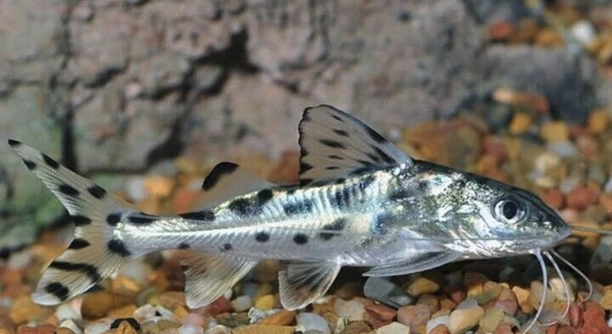
Have you ever found yourself wondering how often your Pictus Catfish tank needs fresh water to stay clean and healthy? Maintaining a stable environment is key, but it’s not always clear how often to refresh things.
Pictus Catfish tanks should be refreshed with partial water changes of 25–30% every week to maintain water quality and remove toxins. Regular tank cleaning and filter maintenance also play a crucial role in their long-term care.
Maintaining a steady routine ensures your catfish stays active, healthy, and stress-free. A few small changes can make a big difference in your tank’s balance.
Why Regular Tank Refreshes Matter
Keeping the water clean in a Pictus Catfish tank is not just about looks—it supports their overall health. These fish produce waste quickly, which builds up as ammonia and nitrites. Even with a good filter, these levels can rise and stress the fish. Weekly partial water changes of 25–30% help dilute harmful substances and keep the water parameters steady. This also replenishes trace minerals lost over time. When the tank is clean, your Pictus Catfish stay more active, eat well, and show their natural behavior. Skipping regular maintenance increases the risk of illness, cloudy water, and algae buildup. It’s better to stick to a consistent schedule than to wait for problems to appear. Your tank doesn’t need to be perfect, but staying on top of water changes and basic cleaning tasks makes a big difference. It’s a simple step that goes a long way in keeping things in balance.
In addition to water changes, rinsing filter media in tank water every few weeks helps keep bacteria colonies healthy without killing them off.
Overfeeding is another reason water can go bad quickly. Any food left uneaten will decay and pollute the water. Feeding only what your fish can finish in a couple of minutes helps. Watch how much they eat and remove anything left over right away. Vacuuming the gravel during water changes also helps remove hidden waste and debris. If you notice your water getting cloudy between cleanings, that’s usually a sign to check your feeding habits or boost your maintenance. A clean tank leads to healthier fish, better oxygen levels, and more stable water quality. Simple habits like wiping down the glass and checking filter flow each week will save you from bigger problems later. Keeping the environment steady is what helps Pictus Catfish thrive in the long run.
Signs It’s Time for a Refresh
If your tank water looks murky or smells off, it’s probably time for a water change. A healthy tank should be clear and odor-free.
Watch for behavior changes in your Pictus Catfish. If they’re hiding more than usual, breathing heavily, or not eating, these could be signs of poor water quality. Test the water often, especially for ammonia, nitrite, and nitrate levels. Even if the tank looks clean, numbers can tell a different story. A spike in toxins usually means the tank needs a refresh. Algae growing faster than usual is another clue. Although some algae is normal, too much can point to imbalances. If your filter looks clogged or the water flow weakens, it’s time to rinse the filter media. Staying aware of small changes helps prevent bigger issues. Routine checks and small adjustments keep everything in balance without requiring big overhauls. It’s all about staying consistent and responding early to warning signs.
How to Refresh Your Pictus Catfish Tank
Start by turning off any electrical equipment like heaters or filters. Use a gravel vacuum to remove about 25–30% of the water while cleaning the substrate. Refill the tank with dechlorinated, temperature-matched water to avoid shocking your fish. Don’t forget to rinse filter media if needed.
When replacing water, make sure the new water is close to the tank’s current temperature. This prevents sudden changes that could stress your fish. Always use a water conditioner to neutralize chlorine and chloramines from tap water. Slowly pour the new water in to avoid disturbing the substrate or plants. After refilling, double-check your equipment—make sure the filter is running smoothly and the heater is set correctly. Wait a few minutes and test your water to ensure levels are in a safe range. Doing this weekly helps you catch small issues before they grow into larger problems.
Avoid cleaning everything at once. Beneficial bacteria live in your filter and on tank surfaces, and over-cleaning can remove too much of it at once. If your filter looks dirty, rinse it gently in water you’ve removed from the tank. Never use tap water to rinse filter parts, as it can kill the helpful bacteria. If your decorations or tank walls have algae, scrub them lightly with a soft brush during the water change. Skip deep cleans unless absolutely needed. Keeping up with smaller weekly tasks is safer and easier than a big monthly overhaul. With a little attention, your tank will stay clean without putting stress on your fish.
Tools and Supplies You’ll Need
A gravel vacuum, buckets, dechlorinator, water test kit, algae scraper, and thermometer are all helpful. Keep these tools nearby and only use them for aquarium maintenance to avoid contamination.
Using the right tools makes tank refreshes faster and more efficient. A gravel vacuum lets you remove waste from the substrate while draining water. Buckets marked for tank use only help prevent soap or chemical residue. A good dechlorinator ensures that your water is safe for your fish. Water test kits let you track ammonia, nitrite, nitrate, and pH—helping you spot any problems early. Algae scrapers and magnetic cleaners make it easier to clean glass surfaces. A thermometer helps you match the temperature of new water to avoid stress. Rinse tools after each use and let them air dry. Having everything on hand each week makes the process smoother and helps you stick to a regular routine.
How Often to Test the Water
Water should be tested once a week, especially before and after a refresh. This helps catch any changes in ammonia, nitrite, nitrate, or pH levels. Testing regularly keeps your tank safe and prevents problems before they affect your fish.
If your tank has been unstable or recently cycled, test more often. Any sign of illness, cloudy water, or unusual behavior is also a reason to check the water. Kits with test strips or liquid drops are easy to use and give fast results. Keeping a small log helps track trends over time.
What to Do If Levels Are Off
If ammonia or nitrites are above zero, do a partial water change right away. Stop feeding for a day or two to reduce waste. Make sure your filter is running well and hasn’t been clogged or slowed down. Adding beneficial bacteria supplements can also help stabilize things faster. If nitrate levels are too high, larger or more frequent water changes may be needed. A test showing unstable pH or hardness might point to problems with your water source. Using products like crushed coral or driftwood can help adjust the water naturally. Never make big changes all at once—adjust gradually to avoid stressing your fish.
Extra Tips for Stability
Keep the tank away from windows and heat sources to avoid temperature swings. Stick to a consistent schedule for feeding and cleaning.
FAQ
How much water should I change during a tank refresh?
Changing about 25–30% of your Pictus Catfish’s tank water each week is ideal. This amount helps remove waste and toxins without disrupting beneficial bacteria. Smaller changes more often are better than large, infrequent water swaps, which can stress the fish and damage the tank’s biological balance.
Can I change more than 30% if the water is very dirty?
In urgent cases, changing up to 50% of the water can be done to quickly reduce harmful chemicals. However, avoid doing this regularly because large changes shock the fish and disrupt bacteria that help process waste. If you must do a big change, refill slowly with water that matches the tank’s temperature.
Is it okay to use tap water directly for water changes?
Tap water contains chlorine and chloramines that are harmful to fish. Always treat tap water with a water conditioner before adding it to the tank. Letting tap water sit out to dechlorinate naturally takes time and may not remove chloramines, so chemical treatment is the safest option.
How important is temperature when adding new water?
Matching the new water’s temperature to the tank is very important. Sudden temperature changes can stress or even harm Pictus Catfish. Use a thermometer to check both the tank water and the new water, adjusting the new water’s temperature if needed before adding it slowly to the tank.
What should I do if my fish show signs of stress after a water change?
If your catfish act lethargic, gasp at the surface, or hide after a refresh, check water parameters immediately. Stress might mean the water was changed too quickly, temperatures differ too much, or harmful chemicals are present. Do a partial water change with properly treated water and avoid further changes until they recover.
How often should I clean the filter?
Clean your filter media gently every 3–4 weeks, using water taken from the tank to avoid killing beneficial bacteria. Avoid changing all filter parts at once; instead, replace or rinse sections gradually to maintain the biological balance.
Can I use bottled water for my Pictus Catfish tank?
Bottled water varies widely in mineral content and pH. Some types may be too soft or too hard for your fish. If using bottled water, test its parameters carefully and mix it with treated tap water if necessary to create a stable environment.
Why does my tank develop algae quickly after a water change?
Algae growth can increase if excess nutrients remain after feeding or if light exposure is too long. Water changes alone don’t cause algae, but improper cleaning or overfeeding can contribute. Control feeding amounts and limit tank lighting to 8–10 hours daily to reduce algae buildup.
Is it necessary to clean decorations during every water change?
Cleaning decorations every week is not required unless they show heavy algae or debris buildup. Gentle scrubbing during partial water changes is enough to keep surfaces clean without removing too much beneficial bacteria. Over-cleaning can upset the tank’s balance.
Can Pictus Catfish live without frequent water changes?
While filters help maintain water quality, they cannot remove all toxins and waste. Without regular water changes, harmful substances build up and stress fish. Frequent partial water changes are essential to keep your Pictus Catfish healthy and prevent disease.
What happens if I skip a water change?
Skipping water changes leads to poor water quality, higher toxin levels, and less oxygen. Over time, this can cause fish stress, illness, or death. It’s better to keep up with smaller, consistent changes than to let the tank get dirty and require emergency cleaning.
How do I safely dispose of tank water?
Pour used tank water onto plants or garden soil if it’s free of chemicals. Avoid dumping it into drains if it contains medications or additives. Using water to water plants can recycle nutrients safely and reduce waste.
Are water additives necessary after every refresh?
Water conditioners to remove chlorine are always necessary. Beneficial bacteria supplements may help if the tank is new or recovering from problems but are not required for every water change. Use additives carefully and follow product instructions.
How can I keep my Pictus Catfish tank stable long-term?
Regular partial water changes, testing water quality, feeding properly, and routine filter maintenance form the foundation of stability. Avoid sudden changes in temperature or water chemistry. Observing your fish daily helps catch issues early. Consistency is key to a healthy tank environment.
Regular tank refreshes are an important part of caring for your Pictus Catfish. Keeping the water clean helps remove waste and harmful chemicals that can build up quickly. Even though filters do a lot of work, they can’t handle everything alone. Partial water changes of about 25–30% every week help maintain a healthy environment. This keeps your fish comfortable and reduces the risk of illness. By sticking to a routine, you give your catfish the best chance to thrive in their tank.
It’s also important to pay attention to how you perform water changes. Using water that is the right temperature and properly treated helps avoid stressing your fish. Sudden shifts in temperature or water quality can cause health problems. Cleaning the tank carefully without removing all beneficial bacteria is equally important. Small, gentle cleanings work better than big, aggressive scrubs. This balance helps keep the tank’s ecosystem stable, which is what your Pictus Catfish need for long-term health.
Finally, tools like a water test kit and gravel vacuum make tank care easier and more effective. Testing water regularly shows if anything is out of balance before your fish suffer. Watching your fish’s behavior can also give clues when something is wrong. Keeping everything consistent and simple in your tank care routine will save you time and trouble. With regular attention and the right approach, your Pictus Catfish can live happily in a clean, well-maintained tank for years.

Hello,
If you enjoy the content that we create, please consider saying a "Thank You!" by leaving a tip.
Every little bit helps us continue crafting quality advice that supports the health, happiness, and well-being of pets around the world, for pets of all shapes, sizes, and species.
We really appreciate the kindness and support that you show us!