
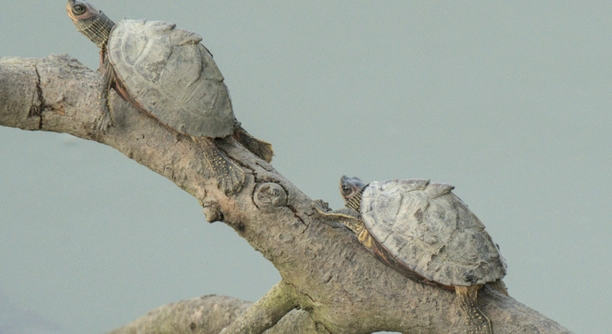
Indian roofed tortoises are fascinating creatures, especially when it comes to their reproduction. Understanding their egg-laying habits is important for any owner looking to provide the best care for these reptiles.
Indian roofed tortoises generally lay eggs every few months, with females typically producing one or two clutches annually. The exact frequency may depend on environmental conditions, including temperature and availability of resources, which influence their reproductive cycles.
These insights can help ensure you support your tortoise’s natural behaviors. By knowing more, you can create the best environment for their egg-laying process.
Reproduction Cycle of the Indian Roofed Tortoise
Indian roofed tortoises typically breed in the warmer months, often during the rainy season. This aligns with their natural habitat, where the increased humidity and temperature are ideal for mating and egg-laying. Female tortoises may lay their eggs in burrows or hidden spots in their enclosures to ensure safety from predators. Understanding their reproductive habits can help ensure they lay eggs in a suitable environment.
The egg-laying process usually occurs after mating. In many cases, females will retreat to a quiet spot, dig a hole, and deposit a small clutch of eggs. Once the eggs are laid, they are covered and left to incubate.
Environmental factors, like proper humidity and temperature, play a significant role in the health of the eggs and their successful hatching. It’s crucial to monitor these factors to support the natural process. Offering proper nesting areas with a mix of soft soil or sand will encourage the tortoise to lay its eggs in a safe and suitable spot.
How to Encourage Egg Laying
Egg-laying can sometimes be challenging if the tortoise’s environment isn’t ideal. Ensuring the enclosure has the right conditions for breeding and egg-laying will make the process easier.
To promote egg-laying, the enclosure should have warm spots and areas with enough moisture. It’s essential to provide a mix of soil and sand, allowing the female to dig effectively. Ensure the enclosure is spacious enough for the tortoise to move around and feel secure. Proper lighting also mimics natural conditions.
Offering the right environmental factors helps maintain your tortoise’s reproductive health. The right mix of humidity, temperature, and substrate will ensure the female has a safe space to lay eggs. Additionally, this can prevent stress and ensure that your tortoise remains comfortable and healthy. Regular monitoring of the habitat and understanding the tortoise’s needs can make a significant difference in the breeding process.
Signs a Female Tortoise is Ready to Lay Eggs
When a female Indian roofed tortoise is ready to lay eggs, she may display certain behaviors. She may become more restless, searching for a place to dig or hide. Increased digging behavior is a common sign of impending egg-laying.
Tortoises typically prefer secluded spots, so they may begin exploring the enclosure for a suitable nesting area. During this time, you might notice the tortoise becoming more active or moving around in search of soft soil. This behavior is natural as they try to find a safe and secure place to lay their eggs.
It’s essential to provide a variety of nesting options, such as deep, moist soil, to give the female enough space and material to lay her eggs comfortably. By observing these behaviors, you can be prepared to offer the best conditions for a successful egg-laying process. A little preparation can ensure the tortoise feels secure and supported during this stage.
Caring for the Eggs After They Are Laid
After the eggs are laid, the tortoise will cover them to ensure their safety. The eggs should remain undisturbed, as constant movement or improper handling can damage them.
The incubation period for Indian roofed tortoise eggs typically lasts between 60 to 90 days. During this time, the eggs need to be kept in a warm, humid environment. It’s essential to monitor the temperature and humidity levels closely. Too much moisture can cause mold growth, while too little can lead to dehydration. Regular checks will ensure the eggs are safe and healthy.
For successful hatching, it’s best to mimic the tortoise’s natural habitat. If possible, use a substrate mix of soil and sand that allows proper drainage and retains moisture without becoming too wet. Keeping the eggs in a controlled environment with consistent temperature and humidity levels is crucial for their development.
Common Issues with Egg Laying
Some female Indian roofed tortoises may experience difficulty laying eggs, often due to environmental stress or insufficient space. Lack of proper nesting areas is another common problem. These issues can lead to retained eggs, which can cause health complications.
If a tortoise has trouble laying eggs, it may show signs of discomfort, such as lethargy or excessive digging. It’s important to keep the enclosure clean and ensure the temperature and humidity are stable. Without these conditions, the tortoise may become stressed, leading to egg-laying complications. Regular monitoring can help address issues early.
The Importance of Nesting Areas
Providing the right nesting area for a tortoise is vital to ensure a safe egg-laying process. The nesting site should be spacious, soft, and easy to dig. A mix of soil and sand works best, allowing the female tortoise to create a hole deep enough for her eggs.
A properly designed nesting area offers more than just space—it also provides the security the tortoise needs to feel comfortable. If she can’t find a suitable spot, she may not lay her eggs or could experience stress. You can also add some moisture to the area to help create ideal conditions.
Temperature and Humidity for Egg Incubation
Both temperature and humidity are key factors in incubating tortoise eggs. Temperature should be kept between 80 and 88 degrees Fahrenheit, while humidity levels should remain around 70 to 80%.
To ensure successful incubation, make sure the environment is stable and consistent. Sudden temperature fluctuations or low humidity can cause the eggs to fail. Use a thermometer and humidity gauge to monitor the conditions regularly.
FAQ
How can I tell if my tortoise is about to lay eggs?
When a female Indian roofed tortoise is ready to lay eggs, she may start digging more frequently and seem restless. She will likely search for a secluded spot in her enclosure to lay her eggs. This behavior is often a sign that egg-laying is imminent. If you notice this activity, it’s important to ensure she has a proper nesting area.
How often do Indian roofed tortoises lay eggs?
Indian roofed tortoises typically lay eggs once or twice a year. The frequency can depend on environmental factors such as temperature, humidity, and food availability. When conditions are favorable, females may produce more eggs during each laying season, but generally, they lay only a small clutch of eggs.
What should I do if my tortoise is having trouble laying eggs?
If your tortoise is having difficulty laying eggs, it may indicate a problem such as stress or an inadequate nesting site. You should provide a soft, deep area filled with sand and soil for digging. Ensure the temperature and humidity are appropriate. If the tortoise shows signs of distress, such as lack of movement or appetite, it’s best to consult a veterinarian for guidance.
Can I move the eggs after they are laid?
Once the eggs are laid, it’s best not to disturb them. Moving the eggs can damage them or cause developmental issues. Leave them in their nesting area, ensuring the conditions (temperature and humidity) are ideal. If necessary, you can relocate them to a more secure or safer spot, but handle them gently and carefully.
How long does it take for Indian roofed tortoise eggs to hatch?
Indian roofed tortoise eggs generally take between 60 and 90 days to hatch. The incubation period depends on factors like temperature and humidity levels. Warmer temperatures usually result in faster hatching. It’s important to maintain consistent environmental conditions to ensure the eggs have the best chance of hatching successfully.
What should I do if the eggs don’t hatch?
If the eggs do not hatch after the expected incubation period, they may be infertile or damaged. It’s crucial to check the conditions regularly and make sure they remain stable. If you suspect any problems, such as mold or rot, you may need to dispose of the eggs carefully. In some cases, consulting a veterinarian is advised.
Can Indian roofed tortoises lay eggs without mating?
Yes, female Indian roofed tortoises can lay eggs without mating. This is known as parthenogenesis. In some cases, female tortoises may still produce eggs even if there is no male present. However, these eggs will not be fertile and will not hatch.
What type of nesting material is best for egg-laying?
The best nesting material for Indian roofed tortoises includes a mix of sand and soil. The soil should be moist but not too wet, as excess moisture can lead to mold growth. Providing enough depth and softness will allow the tortoise to dig effectively and feel secure while laying her eggs.
How can I maintain the proper humidity for egg incubation?
Maintaining proper humidity for egg incubation is crucial. Aim for a humidity level between 70 and 80%. You can use a humidifier or mist the eggs lightly with water. It’s important to avoid over-wetting the eggs, as this can cause mold or bacterial growth. Regularly monitor the humidity using a gauge to ensure the environment remains stable.
How do I set up an incubator for tortoise eggs?
Setting up an incubator for tortoise eggs involves ensuring a consistent temperature and humidity level. Use a reliable incubator with adjustable temperature settings, maintaining a range of 80-88°F. Place a shallow layer of damp sand or soil inside the incubator, and make sure the eggs are placed gently without excessive pressure. Regularly check the incubator settings to ensure they remain stable throughout the incubation period.
Can I use a heat lamp for incubating tortoise eggs?
While a heat lamp can be used to provide warmth, it’s better to use an incubator specifically designed for egg incubation. Heat lamps can create uneven temperatures, which might affect the hatching process. If you use a heat lamp, make sure it provides gentle, consistent heat and that the eggs aren’t exposed to direct light or heat sources.
Should I handle tortoise eggs during incubation?
Tortoise eggs should be handled with care during incubation. Minimal handling is best to avoid causing damage. If you need to move them, use soft gloves and gently place them back in the same position. Handling the eggs too much can disrupt the incubation process and negatively affect the development of the embryos.
Why are my tortoise eggs not hatching?
If your tortoise eggs are not hatching, several factors could be to blame. Improper temperature, humidity, or handling could all contribute to egg failure. It’s important to keep the incubation conditions stable and avoid disturbing the eggs too much. If the problem persists, consulting a veterinarian or reptile expert can help determine the cause.
What should I do after my tortoise eggs hatch?
After your tortoise eggs hatch, you should carefully remove the baby tortoises from the incubator. Place them in a safe, warm, and dry area to help them adjust. Ensure they have access to food and water as they start their new life. Baby tortoises should be kept in a controlled environment, with appropriate lighting and temperature to promote healthy growth.
Final Thoughts
Indian roofed tortoises are fascinating creatures, and understanding their egg-laying process is important for providing the best care. These tortoises typically lay eggs once or twice a year, and their reproductive cycle depends heavily on environmental conditions. Factors like temperature, humidity, and space for nesting play a significant role in the success of egg-laying. It is essential to make sure that your tortoise has a proper nesting area where she can dig and feel secure. Providing the right conditions for both egg-laying and incubation will help ensure healthy eggs and a better chance of successful hatching.
If you notice your tortoise digging or acting restless, it is likely a sign that she is about to lay eggs. It’s crucial to respond quickly by providing a suitable nesting area. A mixture of sand and soil with enough depth for her to dig comfortably can make all the difference. Keeping the enclosure at the correct temperature and humidity levels is also necessary for both the laying process and the successful incubation of eggs. Without these factors in place, your tortoise may experience difficulties with laying or the eggs may fail to hatch.
Finally, it’s important to be patient and monitor your tortoise closely during this process. While it can be an exciting time, it can also be stressful for the tortoise, especially if there are complications. In case of difficulties, it’s best to consult a vet for advice. By ensuring the right environment, minimal interference, and regular observation, you can help your tortoise through this natural cycle with the best chance of a positive outcome.

Hello,
If you enjoy the content that we create, please consider saying a "Thank You!" by leaving a tip.
Every little bit helps us continue crafting quality advice that supports the health, happiness, and well-being of pets around the world, for pets of all shapes, sizes, and species.
We really appreciate the kindness and support that you show us!