
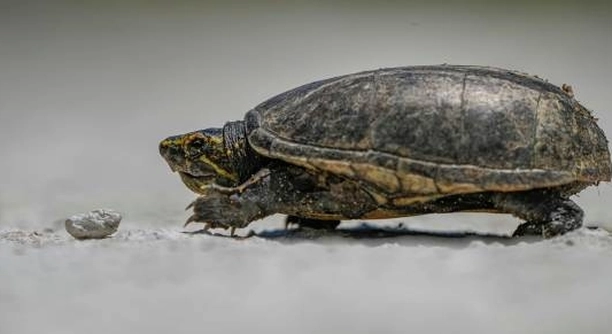
Musk turtles are fascinating creatures with unique ways of interacting with their environment. One of the most interesting aspects of their biology is their use of scent glands. These glands help them communicate and protect themselves.
Musk turtles use specialized scent glands located near their cloacal region to release a foul-smelling substance. This serves as a defense mechanism, deterring predators and marking territory. The scent is strong enough to ward off many animals.
These turtles have several surprising behaviors and adaptations, making them a truly unique species. Their scent glands are just one example of how they thrive in their habitats. Keep reading to discover more amazing facts!
How Musk Turtles Use Their Scent Glands for Protection
Musk turtles have a clever defense mechanism in their scent glands, located near their cloaca. These glands produce a strong, unpleasant smell when the turtle feels threatened. The scent, which can last for several minutes, serves to ward off predators. When released, it creates an immediate deterrent, allowing the turtle to escape potential danger. The smell can be so potent that many animals, including larger predators, are put off and choose not to approach. This ability to defend itself using scent is vital for the turtle’s survival in the wild, especially in environments where hiding can be difficult.
Scent glands are an essential part of the musk turtle’s survival strategy. These glands can quickly release their foul odor when threatened.
Aside from their defensive function, musk turtles also use their scent glands to mark their territory. By releasing small amounts of scent regularly, they signal to other turtles to stay away. This territorial behavior helps reduce conflict, ensuring each turtle has space to thrive. It also plays a role in social interactions, as the scent can convey information about the turtle’s health or reproductive status. This added layer of communication is vital for maintaining balance in their ecosystem.
Other Unique Traits of Musk Turtles
Musk turtles also have an impressive ability to adapt to various environments. They are often found in slow-moving waters such as ponds and swamps. Despite their small size, they are excellent swimmers. They can navigate through water with ease, using their webbed feet to propel themselves. Their ability to thrive in these habitats is linked to their tolerance for low oxygen levels. Musk turtles are skilled at holding their breath for long periods, allowing them to remain submerged while foraging for food.
One of the most fascinating things about musk turtles is their remarkable ability to withstand environmental changes. These creatures have evolved to thrive in areas with low oxygen levels. By holding their breath for long periods, they can continue their underwater foraging and avoid predation.
Musk Turtle Diet and Feeding Habits
Musk turtles are primarily carnivores but will occasionally eat some plant matter. Their diet includes insects, snails, small fish, and aquatic plants. They are opportunistic feeders, often consuming whatever is available in their habitat. This diverse diet helps them thrive in their environments.
They are skilled hunters, using their sharp claws and quick reflexes to catch prey. Musk turtles are also known to scavenge, eating dead fish or other small animals they find. Their diet is important for maintaining their energy levels, especially considering their active swimming habits. Additionally, they have specialized jaws that allow them to efficiently break apart the shells of snails or other hard-shelled creatures.
Feeding patterns vary depending on the turtle’s age and size. Younger turtles may focus more on smaller invertebrates, while larger, older turtles can hunt bigger prey like small fish. They typically feed during the day, although some may become more active at night. This adaptability helps them survive in a variety of conditions.
Musk Turtle Habitat Preferences
Musk turtles are often found in slow-moving freshwater habitats such as ponds, rivers, and marshes. They prefer areas with plenty of aquatic vegetation, which offers both food and shelter. Shallow waters provide them with easy access to the surface for breathing.
In these environments, musk turtles can hide under rocks, submerged logs, or dense vegetation, which keeps them safe from predators. Their natural habitats are usually warm and moderately shallow, providing ample places for them to forage. These areas also offer a stable environment where they can bask in the sun, essential for regulating body temperature.
Musk turtles are adaptable and can survive in a wide range of freshwater environments, but they do prefer areas with soft, muddy bottoms. These environments make it easier for them to dig and find shelter. The availability of water plants also plays a major role in their habitat selection, as it provides both food and a place for them to hide. Additionally, water quality is important; clean, low-pollution areas are vital for their health and longevity.
Musk Turtle Lifespan
Musk turtles typically live between 20 to 30 years in the wild. Their long lifespan is due to their slow metabolism and ability to avoid predators. With proper care, they can live even longer in captivity, sometimes reaching 40 years.
This turtle’s life expectancy is heavily influenced by environmental conditions. Those living in polluted or dangerous environments often have shorter lifespans. In contrast, those in protected areas with clean water and little human disturbance tend to live longer.
Musk Turtle Reproduction
Musk turtles reach sexual maturity between 5 and 7 years of age. Females lay their eggs on land, typically in soft, sandy soil, after mating in the water. After laying their eggs, the female does not care for the offspring.
The eggs incubate for around 60 to 90 days, depending on temperature. Hatchlings are born fully formed but are small and vulnerable to predators. They rely on instinct to find water and begin their independent lives. The survival rate of hatchlings can be low due to predation.
FAQ
How do musk turtles defend themselves?
Musk turtles primarily defend themselves using their scent glands. These glands release a strong, unpleasant odor when the turtle feels threatened. This foul smell is used to ward off predators and give the turtle time to escape. The smell can last several minutes, making it an effective deterrent. Musk turtles may also hide under rocks or vegetation to avoid detection.
What do musk turtles eat?
Musk turtles are carnivores but occasionally consume some plant matter. Their diet includes small fish, snails, insects, and aquatic plants. They are opportunistic feeders and will eat whatever they can find in their environment. Younger turtles tend to feed on smaller invertebrates, while adults may hunt larger prey.
Where do musk turtles live?
Musk turtles prefer slow-moving freshwater habitats, such as ponds, marshes, and rivers. They thrive in shallow water with plenty of aquatic plants and soft, muddy bottoms. These areas offer ample places to hide from predators and provide food. Clean, low-pollution environments are essential for their survival and health.
How long do musk turtles live?
Musk turtles have a lifespan of 20 to 30 years in the wild, though they can live longer in captivity if properly cared for. Their long lifespan is due to their slow metabolism and ability to avoid predators. Factors such as habitat quality and protection from threats influence their life expectancy.
When do musk turtles reproduce?
Musk turtles reach sexual maturity between 5 and 7 years of age. During the breeding season, females lay eggs on land in soft, sandy soil. After laying the eggs, the female does not care for the young. The eggs incubate for 60 to 90 days, and the hatchlings are independent from birth.
Do musk turtles need a special diet in captivity?
In captivity, musk turtles should be fed a diet similar to what they would find in the wild. This includes a variety of live or frozen food, such as insects, fish, and snails. Some plant matter can also be included. It’s important to provide a balanced diet to ensure proper nutrition and health.
Can musk turtles live with other species?
Musk turtles can sometimes live with other species, but it depends on the other animals’ temperament. They are solitary creatures and may become territorial, especially when they feel crowded. If kept with other species, it’s important to monitor their interactions to avoid stress or aggression.
How do musk turtles breathe underwater?
Musk turtles are capable of holding their breath for long periods, allowing them to stay submerged for extended periods while they forage or hide from predators. They can breathe through their lungs when at the surface, but their ability to hold their breath helps them stay underwater without the need for frequent air breaks.
Do musk turtles bask in the sun?
Musk turtles do bask in the sun, although not as frequently as some other species of turtles. They will bask on rocks or logs to regulate their body temperature. This helps them stay warm and aids in digestion. Basking also provides them with the necessary exposure to UV light for vitamin D synthesis.
How can you tell if a musk turtle is healthy?
A healthy musk turtle will have clear, bright eyes and a clean, smooth shell. Its behavior should be active, with regular swimming and foraging. A healthy turtle will also eat regularly and show no signs of lethargy or excessive aggression. Any noticeable changes in behavior or appearance may indicate a health issue and require a veterinarian’s attention.
Are musk turtles easy to care for as pets?
Musk turtles can be relatively easy to care for, but they do require specific conditions to thrive. They need a clean, well-maintained tank with both water and land areas for basking. Their diet must be varied and include live food. Regular water changes are necessary to prevent bacterial growth and maintain water quality.
What is the best environment for a musk turtle in captivity?
The best environment for a musk turtle includes a spacious tank with clean water, a basking area, and proper lighting. Water should be kept at a consistent temperature, and the tank should be filtered regularly. A shallow substrate, like sand or fine gravel, will allow the turtle to dig. Basking lamps and UVB lighting are necessary to help regulate their body temperature and support overall health.
Do musk turtles need companions?
Musk turtles are solitary animals and do not necessarily need companions. While they can tolerate the presence of other turtles or aquatic species, they may become territorial, especially in smaller enclosures. It’s essential to ensure that the tank is large enough for multiple animals if you choose to house them together.
Can musk turtles live in brackish water?
Musk turtles prefer freshwater environments and do not typically thrive in brackish water. They may be able to tolerate slightly salty water, but it is not ideal for their long-term health. Freshwater habitats with plenty of aquatic plants and shallow areas are best suited to their needs.
What is the ideal tank size for a musk turtle?
The ideal tank size for a musk turtle is at least 40 gallons for a single turtle. A larger tank is recommended if you plan to keep multiple turtles. A larger space provides them with enough room to swim, bask, and explore their environment. The tank should also have both aquatic and dry areas.
Are musk turtles aggressive?
Musk turtles are generally not aggressive, but they can be territorial. They may become defensive if they feel threatened or overcrowded. In captivity, they can be a bit skittish and might bite if handled too much. It’s important to respect their space and provide a suitable environment to reduce stress.
Final Thoughts
Musk turtles are unique creatures with fascinating traits that help them thrive in their environments. From their ability to use scent glands for defense to their impressive swimming skills, they have evolved to survive in a variety of habitats. These small turtles play a crucial role in their ecosystems, contributing to the balance of aquatic life by controlling populations of insects, snails, and small fish. Understanding their behavior, diet, and habitat preferences helps us appreciate how well-adapted they are to their surroundings.
While musk turtles are relatively easy to care for in captivity, they still require specific conditions to thrive. They need clean water, a proper basking area, and a balanced diet. Setting up a suitable environment for them involves more than just providing space; it requires attention to water quality, temperature, and lighting. For those interested in keeping musk turtles as pets, it’s important to commit to maintaining these conditions over the long term. By doing so, their health and well-being can be ensured, allowing them to live for many years in a safe and stimulating environment.
In the wild, musk turtles can live for decades, enjoying a relatively peaceful existence as long as they have access to suitable habitats. However, like many species, they face threats from pollution, habitat destruction, and human activity. It’s crucial to protect their natural habitats to ensure that musk turtles continue to thrive in the wild. Conservation efforts and responsible pet ownership play important roles in ensuring that these remarkable creatures can continue to live long, healthy lives, both in captivity and in their natural environments.

Hello,
If you enjoy the content that we create, please consider saying a "Thank You!" by leaving a tip.
Every little bit helps us continue crafting quality advice that supports the health, happiness, and well-being of pets around the world, for pets of all shapes, sizes, and species.
We really appreciate the kindness and support that you show us!