
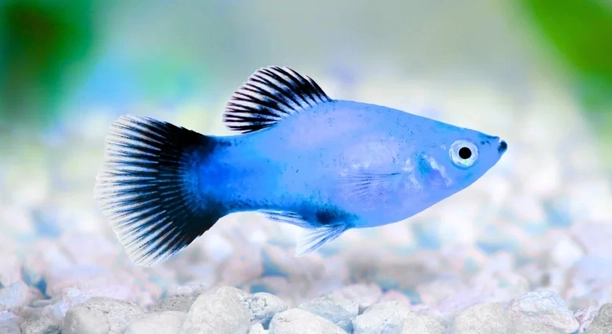
Many people enjoy keeping platies as colorful additions to their aquariums. These small fish are easy to care for but knowing the right water amount per fish helps maintain a healthy tank environment. Proper water volume supports their well-being and growth.
Platies need about 1 to 2 gallons of water per fish to thrive. Maintaining this ratio ensures sufficient space, proper water quality, and stable conditions, which are critical for their health and longevity in a home aquarium setting.
Knowing how much water your platies require helps create a balanced tank. This article will explain why water volume matters and how to keep your fish comfortable and healthy.
Why Water Volume Matters for Platies
Water volume directly affects platies’ health and comfort. These fish produce waste that can quickly pollute a small tank. When there is enough water, waste is diluted, and harmful substances like ammonia stay at safer levels. A larger water volume also helps keep the temperature and oxygen levels steady, which is crucial for platies since they are sensitive to sudden changes. Crowded or small tanks stress the fish, making them more prone to illness and reducing their lifespan. Proper water volume allows them to swim freely and display natural behavior, which is important for their mental well-being. Keeping a balanced environment reduces the need for frequent water changes and maintenance. When planning a tank, consider not only how many platies you want but also the total water needed to keep them thriving comfortably.
Smaller tanks require more frequent cleaning and careful monitoring to maintain water quality. Larger tanks are easier to stabilize.
Maintaining appropriate water volume per fish is essential for avoiding stress and ensuring platies live a healthy life. It also helps reduce common problems like algae growth and sudden water parameter shifts that can harm your fish.
How to Calculate Water Needs for Your Platies
Start by deciding the number of platies you plan to keep. Multiply the number of fish by 1 to 2 gallons to find the ideal water volume. For example, if you have five platies, aim for at least 5 to 10 gallons of water. This gives them enough space to swim and keeps water quality more stable. Keep in mind that the more fish in a tank, the higher the waste production, so larger tanks are usually better. Also, decorations and plants take up space, so factor that in when choosing your tank size.
Choosing the right tank size prevents overcrowding and helps maintain a balanced environment.
A 10-gallon tank is generally the minimum for a small group of platies, but bigger tanks make maintenance easier and provide a more natural habitat. Avoid overstocking because it causes stress and health issues. Regular water testing and partial water changes will support their health, but starting with adequate water volume reduces these tasks. Remember, it’s better to give your fish more space than to squeeze them into a small tank that requires constant attention. Quality water conditions mean happier and longer-living platies.
Common Mistakes in Water Management
Overcrowding tanks is a frequent mistake. Many underestimate how much space platies need. Another error is skipping regular water changes, which leads to poor water quality. Using the wrong filtration system can also harm your fish by failing to keep the water clean and oxygenated.
Too many fish in a small tank cause stress and waste buildup, which can quickly harm platies. Neglecting water changes allows toxins like ammonia and nitrites to rise, leading to illness. Choosing a filter that does not match the tank size or bioload results in insufficient cleaning, making the environment unsafe. Regular testing of water parameters helps catch issues early. It’s important to match tank size, filtration, and maintenance to the number of fish you keep. This balance keeps platies healthy and reduces the chance of disease.
Another common issue is sudden changes in water conditions. Fluctuations in temperature or pH can shock platies. Gradual adjustments and stable conditions are key to preventing stress and health problems in your fish.
Tips to Maintain Ideal Water Conditions
Test your water regularly for ammonia, nitrites, nitrates, and pH levels to ensure they remain within safe ranges for platies. Keep the temperature steady between 70°F and 78°F to mimic their natural habitat. Avoid overcrowding to reduce waste and stress. Use a reliable filtration system suited to your tank size and perform partial water changes weekly. These steps keep the water clean and stable, giving your platies the best chance to thrive.
Keeping water conditions stable helps prevent disease and stress. Regular monitoring and maintenance keep toxins low, oxygen levels high, and water parameters balanced. A steady temperature avoids shock from sudden shifts. Proper filtration removes waste and supports beneficial bacteria. Partial water changes dilute harmful substances, maintaining water quality. This combination creates a safe and comfortable environment for platies to live and grow happily in your home aquarium.
Signs of Overcrowding
Overcrowded tanks make it hard for platies to swim and get enough oxygen. You may notice increased aggression or stress among the fish. These signs mean it’s time to reduce the number of fish or increase the tank size.
Fish may also hide more or show dull colors when overcrowded. Their immune systems weaken, making them prone to illness.
Effects of Poor Water Quality on Platies
Poor water quality causes stress and weakens platies’ immune systems, leading to diseases like fin rot and ich. High ammonia or nitrite levels are toxic and can quickly kill fish. Dirty water also lowers oxygen levels, making it hard for platies to breathe. Keeping the water clean and balanced is essential to avoid these problems and help platies stay healthy and active.
Choosing the Right Tank Size
A tank of at least 10 gallons is recommended for a small group of platies. Larger tanks provide more stable water conditions and better swimming space.
When to Upgrade Your Aquarium
Upgrade your tank when fish growth or numbers exceed the current water capacity. This helps maintain a healthy environment.
FAQ
How often should I change the water for my platies?
Changing 20-25% of the water every week is ideal for platies. This helps remove toxins and keeps the water fresh without shocking the fish. If your tank is smaller or more crowded, you might need to do partial water changes more often to maintain good water quality.
Can I keep platies with other fish in the same tank?
Yes, platies are peaceful and can live with other non-aggressive fish. Make sure the tank is large enough to provide space for all fish. Also, check that the water conditions suit all species to avoid stress or health issues.
What temperature is best for platies?
Platies thrive in water between 70°F and 78°F. Keeping the temperature stable in this range supports their metabolism and activity levels. Avoid sudden temperature changes, which can stress them and cause illness.
How can I tell if my platies are stressed?
Signs of stress include hiding more than usual, loss of appetite, dull colors, and erratic swimming. Stress often results from poor water conditions, overcrowding, or sudden changes in the tank environment. Address these issues quickly to help your fish recover.
What kind of filter should I use for a platy tank?
Use a filter rated for at least the size of your tank, preferably with biological, mechanical, and chemical filtration. This ensures waste is removed, beneficial bacteria grow, and water stays clear. Sponge filters or hang-on-back filters are popular choices for platy tanks.
Is it necessary to add plants to the platy tank?
While not required, live plants improve water quality by absorbing nitrates and providing hiding spots. They also make the tank environment more natural and comfortable for platies. Choose hardy plants like Java fern or Anubias, which thrive in similar conditions.
What do platies eat, and how much should I feed them?
Platies eat flakes, pellets, and live or frozen foods like brine shrimp or bloodworms. Feed small amounts once or twice a day, only what they can consume in a few minutes. Overfeeding pollutes the water and harms their health.
Can platies live in a smaller tank than recommended?
They can survive in smaller tanks but won’t thrive. Small tanks make it harder to maintain stable water conditions, increasing stress and disease risk. Providing enough water volume improves their health and lifespan significantly.
How do I handle sudden water parameter changes?
Perform water changes gradually and test water before adding it to the tank. Use conditioners to remove chlorine or chloramines. Avoid drastic changes in temperature, pH, or hardness by adjusting slowly over days to keep platies comfortable.
How long do platies usually live?
With proper care, platies live about 2 to 3 years. Good water quality, appropriate tank size, balanced diet, and low stress levels help maximize their lifespan.
What should I do if my platies show signs of illness?
Isolate sick fish if possible and check water parameters immediately. Improve water quality through water changes and reduce stress factors. If illness continues, consider appropriate medication based on the symptoms after consulting reliable sources or a vet.
Can platies breed easily in a home aquarium?
Yes, platies breed readily in home tanks. They are livebearers, meaning they give birth to fully formed fry. To control breeding, keep only one gender or separate males and females. If breeding is desired, provide plants or hiding places for fry to survive.
Is tap water safe for platies?
Tap water can be safe if treated with a water conditioner to remove harmful chemicals like chlorine and chloramine. Always test the water before adding it to your tank to ensure it meets safe parameters for platies.
How much space does each platy need to swim comfortably?
Each platy should have 1 to 2 gallons of water space. This provides room to swim freely and reduces stress. Larger tanks help maintain water quality and allow for more natural behavior.
Are there specific signs that show water quality is poor?
Cloudy water, strong odors, algae overgrowth, and frequent fish illness are signs of poor water quality. Regular testing and maintenance can prevent these problems and keep the tank healthy for your platies.
Final thoughts are important when caring for platies, especially regarding their water needs. Ensuring the right amount of water per fish helps create a healthy and stable environment. Platies need space to swim, clean water to breathe, and steady conditions to avoid stress. When you provide about 1 to 2 gallons of water per platy, it supports their overall health and happiness. This amount helps keep waste diluted and water quality balanced, reducing the risk of illness. Proper water volume also means fewer sudden changes in temperature or chemical levels, which can harm your fish.
It is easy to overlook how much water your platies really need, especially when starting with a small tank. However, understanding that each fish requires enough space and clean water is key. Crowded tanks quickly become polluted and stressful places for platies. They can get sick more often and live shorter lives. Larger tanks are easier to keep stable and give your fish room to swim freely. Along with regular water testing and changes, adequate water volume makes a big difference in how well your fish thrive. Taking these steps shows good care and helps avoid common problems that come from poor water conditions.
In the end, maintaining the right water amount for your platies is one of the simplest but most effective ways to ensure they live healthy lives. It reduces the chance of stress and disease and keeps your aquarium cleaner and easier to manage. When you plan your tank size with water volume in mind, you set your fish up for success. Caring for platies is rewarding, and paying attention to their water needs is a basic but vital part of that care. The time and effort spent on proper water management will be worth it when you see your platies active, colorful, and healthy.

Hello,
If you enjoy the content that we create, please consider saying a "Thank You!" by leaving a tip.
Every little bit helps us continue crafting quality advice that supports the health, happiness, and well-being of pets around the world, for pets of all shapes, sizes, and species.
We really appreciate the kindness and support that you show us!