
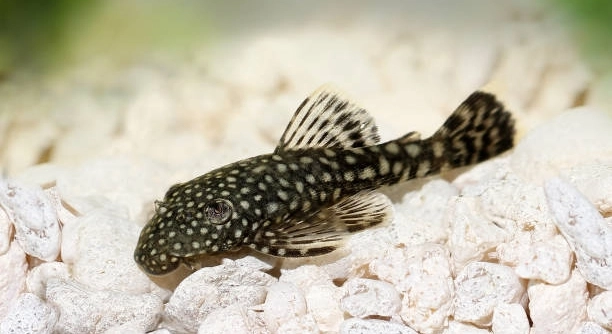
When caring for a plecostomus, one of the most common concerns is understanding how much space they need to thrive in an aquarium. These fish, often chosen for their algae-eating abilities, require specific environments to stay healthy.
A plecostomus needs a minimum tank size of 75 gallons to ensure proper growth and well-being. These fish grow large, and the space allows them to swim freely and establish territories, crucial for their comfort and health.
Knowing the ideal tank size for your plecostomus ensures they will have the best environment possible. Proper space contributes to their overall health and behavior, making it easier to maintain a thriving aquarium.
Why Space Matters for a Plecostomus
A plecostomus needs a spacious tank to thrive. While these fish are known for their ability to clean algae, they grow large, making a cramped environment unsuitable. Overcrowding can lead to stress and poor health. As they mature, they become territorial and need ample space to swim and establish boundaries. Without enough room, they may become aggressive or unhealthy. Keeping a plecostomus in a too-small tank can result in stunted growth or stress, which can significantly affect their lifespan. Therefore, providing a spacious, well-maintained environment is essential for ensuring their well-being.
When selecting the right tank size, consider the potential size of your plecostomus. A tank that’s too small may hinder their growth, but a tank that’s large enough can allow them to thrive.
A larger tank also helps maintain water quality. The larger the tank, the more water volume it holds, making it easier to manage the environment. Good filtration, regular water changes, and sufficient space allow your plecostomus to live in the best conditions.
Tank Size for Optimal Growth
A 75-gallon tank is ideal for a plecostomus. It offers ample swimming space and the ability to grow without feeling cramped.
Choosing a large enough tank means that your plecostomus can grow to their full size, reaching up to 24 inches. The larger tank also helps maintain stable water parameters, reducing the risk of stress or disease.
The Importance of Tank Setup
The setup of the tank is just as crucial as the size. A well-organized tank provides more than enough space for your plecostomus to feel secure and at ease. Proper decorations, such as caves or driftwood, help mimic their natural habitat, giving them places to hide and explore.
While the plecostomus spends a lot of time on the bottom of the tank, having vertical swimming space is essential. The tank should also have smooth rocks or sturdy ornaments that prevent injury to the fish. Overcrowded tanks with sharp objects can harm their sensitive skin. The setup should be easy to clean while maintaining space for your plecostomus to navigate freely.
Adding live plants can also be beneficial. Plecostomus enjoy nibbling on soft plants, which mimic their natural environment. Live plants can contribute to water quality, absorbing waste and excess nutrients, and they also provide hiding spots, reducing stress. Proper tank setup makes a huge difference in your fish’s happiness and overall health.
Water Quality and Temperature
Maintaining clean water is essential for a plecostomus. A good filtration system, regular water changes, and proper temperature control help to ensure that the tank environment stays stable.
Plecostomus prefer slightly acidic to neutral water with temperatures between 75°F and 80°F. Keeping the water temperature consistent is key for their health. Sudden changes in temperature or water quality can stress the fish, affecting their immune system. Regular water testing can help you monitor pH, ammonia levels, and nitrate content, preventing harmful fluctuations.
Good water quality is crucial for their survival, as plecostomus are sensitive to poor water conditions. Without clean, stable water, their health can deteriorate quickly. A strong filtration system that provides adequate water movement can help simulate their natural environment while keeping the tank clean.
Feeding a Plecostomus
Feeding a plecostomus involves providing the right food in the right amounts. These fish are primarily herbivores and enjoy algae, but they also need additional supplements like sinking pellets or vegetables. Offering a varied diet will keep them healthy and satisfied.
You can offer them zucchini, cucumber, or lettuce, which they enjoy nibbling on. Just be sure to remove uneaten vegetables to avoid water contamination. Algae wafers can also supplement their diet, especially if natural algae growth in the tank isn’t sufficient. Overfeeding should be avoided as it can lead to water quality problems.
Tankmates for a Plecostomus
Plecostomus are peaceful fish, making them great tankmates for many species. They get along well with other non-aggressive fish that won’t invade their space. However, avoid keeping them with overly territorial or aggressive fish, as this can lead to stress and conflict.
You should also be mindful of the size of potential tankmates. Larger fish may unintentionally harm or dominate a plecostomus, especially when competing for space or food. Some fish that may not get along with plecostomus include aggressive cichlids or fast-swimming species that might disrupt the plecostomus’ space.
Regular Tank Maintenance
A clean tank is essential for keeping your plecostomus healthy. Regular water changes, cleaning the filter, and checking water parameters should be part of your routine.
Changing 25-30% of the water every 1-2 weeks helps prevent the buildup of harmful chemicals like ammonia. A clean filter ensures good water circulation and reduces waste. Proper maintenance will keep the tank in optimal condition, promoting a healthy and stress-free environment for your plecostomus.
FAQ
How big does a plecostomus get?
A plecostomus can grow quite large, with some species reaching up to 24 inches in length. The size depends on the type of pleco, but most commonly, they range from 12 to 24 inches when fully grown. Ensuring they have a large enough tank is essential for their growth.
How often should I feed my plecostomus?
Plecostomus should be fed once or twice a day. It’s important not to overfeed, as uneaten food can pollute the water. Offering a balanced diet that includes algae wafers, fresh vegetables, and occasional protein sources is best for their health. Monitor how much food they consume to avoid excess waste.
Can plecostomus live with other fish?
Yes, plecostomus are generally peaceful and can live with a variety of other species. They are often kept with non-aggressive fish like tetras, guppies, or angelfish. However, avoid housing them with overly aggressive or territorial species. Proper tank size and space are key for preventing conflicts.
Do plecostomus need a filter?
Yes, a plecostomus requires a high-quality filter to maintain clean water. Plecos produce a significant amount of waste, so good filtration is essential. A filter will help remove debris, excess food, and maintain proper water quality. It’s also important to ensure that the filter flow is not too strong for the pleco.
What temperature do plecostomus need?
Plecostomus prefer a water temperature between 75°F and 80°F. Keeping the water temperature consistent is crucial for their health. Temperatures that are too high or low can stress them, leading to weakened immune systems and other health problems. A reliable aquarium heater can help maintain the desired temperature.
How do I know if my plecostomus is stressed?
Signs of stress in plecostomus include unusual swimming patterns, hiding more than usual, loss of appetite, or changes in color. Stress can be caused by poor water quality, overcrowding, inappropriate tankmates, or unsuitable tank conditions. Regular monitoring of the tank’s parameters can help identify and address the cause of stress early.
Can plecostomus live without a heater?
It’s not ideal for plecostomus to live without a heater, especially in cooler environments. While they can tolerate slightly cooler temperatures, they thrive best in water within the 75°F to 80°F range. Without a heater, it’s difficult to maintain a stable temperature, which can lead to health issues.
How long do plecostomus live?
In ideal conditions, plecostomus can live for up to 10-15 years. Their lifespan depends on factors such as water quality, tank size, diet, and overall care. Regular maintenance and providing the right environment can help ensure they live a long and healthy life.
What size tank does a plecostomus need?
The minimum tank size for a plecostomus is 75 gallons, though a larger tank is preferred. As they grow to be quite large, it’s essential to give them enough space to swim freely. A cramped tank can lead to stress and poor health.
Do plecostomus eat algae?
Yes, plecostomus are known for their algae-eating habits. They help keep the tank clean by grazing on algae. However, they should not be relied upon as the sole source of food. Supplement their diet with algae wafers, vegetables, and other foods to ensure they get proper nutrition.
Can I use a plecostomus to control algae in my tank?
While plecostomus can help reduce algae growth, they should not be considered a complete solution for algae control. They mainly eat soft algae and may not be effective against more stubborn types of algae. Regular tank maintenance, including water changes and proper filtration, is essential for controlling algae.
What should I do if my plecostomus is not eating?
If your plecostomus isn’t eating, check the water quality first. Poor water conditions, such as high ammonia or nitrate levels, can cause fish to lose their appetite. Also, ensure they have a variety of foods available, including vegetables, algae wafers, and sinking pellets. If problems persist, consult a veterinarian for advice.
Can plecostomus live in freshwater or saltwater?
Plecostomus are freshwater fish and should not be kept in saltwater aquariums. They thrive in freshwater tanks with stable pH levels, moderate hardness, and appropriate temperatures. Saltwater can stress them and lead to health complications. Make sure to maintain a proper freshwater environment for their well-being.
Do plecostomus need special lighting?
Plecostomus do not require special lighting, but they do benefit from a consistent light cycle. A regular light-dark cycle helps regulate their behavior and supports plant growth if you have live plants in the tank. Avoid very bright lighting as it can stress them out or encourage algae overgrowth.
Why is my plecostomus staying at the top of the tank?
If your plecostomus is staying at the top of the tank, it may be struggling with low oxygen levels, poor water quality, or stress. Ensure proper filtration and aeration, as well as a stable temperature, to prevent this behavior. Monitor the water quality and address any issues to help your plecostomus feel more comfortable.
How do I maintain the water quality in my plecostomus tank?
To maintain good water quality in a plecostomus tank, perform regular water changes of 25-30% every 1-2 weeks. Check for ammonia, nitrate, and nitrite levels regularly to ensure they are within safe ranges. Clean the filter regularly, and avoid overfeeding to prevent excess waste in the tank.
Final Thoughts
Caring for a plecostomus requires attention to their space, diet, and water quality. These fish can grow quite large, so ensuring they have enough space to thrive is important. A tank that’s too small can lead to stress and health problems. As they mature, their need for space increases, so plan for a large aquarium that accommodates their size. A minimum of 75 gallons is recommended for a single plecostomus, but the more space, the better.
Feeding your plecostomus the right foods also plays a crucial role in their health. While they are excellent algae eaters, they require more than just algae to stay healthy. Adding fresh vegetables like zucchini and cucumber, along with sinking pellets, ensures they get the nutrients they need. It’s important to avoid overfeeding, as this can negatively affect water quality. Consistency in their diet is key, as is providing a variety of foods to prevent nutritional imbalances.
Regular maintenance of the tank is essential for keeping your plecostomus happy and healthy. This includes checking the water parameters, cleaning the filter, and performing regular water changes. Keeping the tank clean helps prevent the buildup of harmful substances like ammonia and nitrates. Monitoring water temperature and making sure the filtration system is running efficiently will also help maintain a stable environment. By following these basic care guidelines, your plecostomus will have a better chance of living a long and healthy life.

Hello,
If you enjoy the content that we create, please consider saying a "Thank You!" by leaving a tip.
Every little bit helps us continue crafting quality advice that supports the health, happiness, and well-being of pets around the world, for pets of all shapes, sizes, and species.
We really appreciate the kindness and support that you show us!