
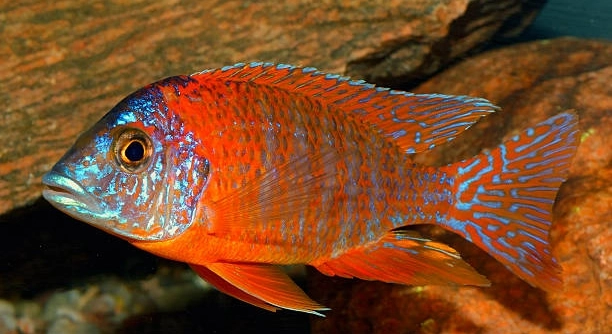
Convict cichlids are lively, small fish that brighten up any freshwater tank. Their behavior and colors make them a favorite among aquarium enthusiasts who enjoy creating balanced aquatic environments. Proper care helps them thrive.
Convict cichlids require moderate lighting for about 8 to 10 hours a day. Excessive light can stress them, while too little may reduce activity and dull their coloration. Maintaining a consistent light cycle supports their health and natural behavior.
Proper lighting is just one part of keeping these fish happy and active. Understanding their needs ensures a stable, enjoyable aquarium environment.
Understanding Convict Cichlid Lighting Needs
Convict cichlids respond well to steady, moderate lighting. Bright light can make them hide and behave nervously, while very dim light may reduce their activity and make colors appear dull. A balanced light schedule of around 8 to 10 hours a day is ideal. Using a timer ensures consistency, which helps mimic natural day and night cycles. Plants and decorations can create shaded areas, giving fish the choice to move between light and shadow. This variety reduces stress and encourages natural behavior, like exploring and feeding. Observing their response to light is important. If they stay hidden most of the day, the lighting may be too intense, and adjusting it gradually can help. Consistency is more important than brightness alone. The goal is a calm environment that highlights their colors and allows them to swim freely without constant stress.
Moderate lighting also supports plant growth, which improves water quality and provides hiding spots for fish.
Keeping a stable light cycle makes a tank look lively while supporting fish health. It also prevents algae from overgrowing, as long as lighting isn’t excessive. Convict cichlids thrive when their environment feels natural, with enough variation in light to explore. Balanced lighting combined with proper feeding, filtration, and tank maintenance creates an aquarium where they display their best colors and behaviors. Over time, adjusting the light based on observation helps maintain comfort. Choosing LED lights with adjustable brightness can give control over intensity without overheating the tank. Shadows and shaded corners allow them to retreat if needed, reducing stress. The combination of consistent light, natural hiding spots, and gradual changes keeps convict cichlids active, healthy, and visually vibrant.
Signs of Too Much or Too Little Light
Fish hiding often indicates lighting is too strong or prolonged.
Excessive light can stress convict cichlids, leading to lethargy or aggression. They may become skittish, constantly hiding behind rocks or plants. Prolonged overexposure can affect breeding behavior and appetite. On the other hand, insufficient light can make them inactive and dull in color. Plants may also struggle, reducing natural cover, which makes fish feel exposed. Adjusting light gradually and providing shaded areas allows fish to regulate their exposure naturally. Observing behavior over several days helps determine the right intensity and duration. Small changes can have a noticeable impact on overall activity, color vibrancy, and stress levels. Maintaining a timer prevents accidental over- or under-lighting. Lighting should complement filtration and temperature for a stable, healthy tank.
Balancing light with hiding spots, plants, and proper tank care ensures convict cichlids remain calm, colorful, and active. Gradual adjustments can correct lighting mistakes without sudden stress, and using a timer supports a reliable day-night cycle, helping the fish maintain normal activity patterns and color intensity. Providing moderate, consistent lighting encourages natural swimming and feeding behaviors. Watching how they respond allows careful fine-tuning of light duration and intensity. By combining this with clean water, good nutrition, and proper tank structure, their well-being improves significantly. Each tank is slightly different, so observation is key. With these steps, the fish remain healthy, display brighter colors, and interact confidently with their surroundings, making tank management easier and more rewarding.
Choosing the Right Light Type
LED lights are ideal for convict cichlids tanks because they are energy-efficient and produce minimal heat. Fluorescent lights work too but may require more frequent replacement. Avoid very bright halogen lights, as they can stress the fish and overheat the water.
LED lighting allows precise control of intensity, which is useful for creating shaded areas with decorations or plants. Adjustable LED systems let you mimic dawn and dusk, which helps fish maintain natural rhythms. Fluorescent bulbs are easier to find but often have a fixed brightness and shorter lifespan. Choosing the right spectrum also matters; a cooler light highlights colors, while a warmer light emphasizes natural tank tones. Proper placement of lights prevents glare and uneven brightness, keeping fish calm.
Choosing the right light also impacts plant growth. Live plants need moderate light to thrive, which provides hiding spots for fish. Combining light type and placement ensures a comfortable, visually appealing tank that balances fish behavior, plant health, and water conditions.
Timing and Duration of Lighting
A consistent schedule of 8 to 10 hours per day works best for convict cichlids. Too long can lead to stress and algae growth, while too short may affect activity and feeding.
Using a timer helps maintain a stable day-night cycle. Gradual changes in duration, like increasing or decreasing by 30 minutes, prevent sudden stress. Light cycles should consider natural daylight patterns and tank conditions. Over time, observing fish behavior helps fine-tune duration. If they hide or appear lethargic, reduce light gradually. Proper timing supports normal feeding, reproduction, and activity levels, creating a predictable environment for the fish.
Combining correct timing with moderate intensity encourages natural swimming and social interactions. Fish become more active during light periods and rest when lights are off. Proper light duration supports healthy plant growth and prevents excessive algae. Adjusting gradually based on observation keeps convict cichlids calm, colorful, and healthy. Consistency is key for maintaining natural behavior, which simplifies tank management and improves overall aquarium balance.
Adjusting Light Based on Behavior
If convict cichlids hide frequently, the lighting may be too intense. Gradually dimming the light or providing shaded areas can help them feel secure and reduce stress. Observing their activity is the best guide for adjustments.
When fish appear dull or inactive, light may be too low. Increasing brightness slightly while maintaining a consistent schedule helps restore natural colors and encourages normal swimming and feeding behavior.
Seasonal Lighting Changes
Seasonal changes can affect natural daylight, so tank lighting may need adjustment. During shorter days, maintaining an 8-10 hour light schedule ensures fish remain active and plants get enough energy to grow. Consistency supports a stable environment year-round.
Effects on Coloration
Proper lighting enhances convict cichlids’ vibrant stripes and overall appearance. Moderate, consistent light highlights their natural colors, making the tank visually appealing while promoting healthy behavior and activity levels.
FAQ
How long should I keep the lights on for convict cichlids?
Convict cichlids do best with about 8 to 10 hours of light daily. This schedule mimics natural day and night cycles and supports normal activity, feeding, and color display. Using a timer ensures consistency, which reduces stress and keeps the fish calm.
Can too much light harm convict cichlids?
Yes, prolonged or overly bright lighting can stress these fish. Signs include hiding behind rocks or plants, aggression, and reduced feeding. Gradually dimming the light or adding shaded areas can help them feel secure. Maintaining a moderate, consistent light schedule prevents these problems.
Can too little light affect them?
Insufficient light can make convict cichlids inactive and dull in color. Plants may also struggle to grow, reducing natural hiding spots. Gradually increasing light intensity and maintaining a consistent schedule encourages activity and healthier coloration.
What type of lighting is best?
LED lights are ideal because they are energy-efficient, produce little heat, and allow intensity adjustment. Fluorescent lights work too, but they often have fixed brightness and shorter lifespans. Avoid very bright halogen lights, as they can stress fish and overheat the tank.
Should I use a timer for the lights?
Yes, a timer is highly recommended. It maintains a consistent day-night cycle, which reduces stress and helps fish maintain natural behavior patterns. Gradual changes in light duration are safer than sudden adjustments. A timer also prevents accidental over- or under-lighting.
Does lighting affect breeding?
Proper lighting supports normal breeding behavior. Convict cichlids need moderate, consistent light to feel secure enough to spawn. Too much or too little light can interfere with mating instincts, nesting, and fry development. Shaded areas and a stable schedule improve breeding success.
How do I know if the light is right?
Observe behavior. Fish that explore, swim actively, and display bright colors are receiving appropriate light. Excessive hiding or dull coloration indicates adjustments are needed. Minor changes in intensity or duration, combined with shaded spots, usually correct issues.
Can lighting impact tank plants?
Yes, lighting directly affects live plants. Moderate light allows plants to grow, which provides hiding spots and reduces stress for fish. Too much light can cause algae growth, while too little weakens plants, reducing natural cover and affecting fish comfort.
Do seasonal changes affect lighting needs?
Seasonal variations in natural daylight can influence tank lighting. Maintaining an 8 to 10 hour schedule ensures fish remain active and plants get enough energy, regardless of outdoor conditions. Adjust gradually if needed to mimic natural patterns without stressing the fish.
Is color intensity tied to lighting?
Yes, proper lighting enhances convict cichlids’ natural stripes and coloration. Moderate, consistent light allows them to display vivid patterns while encouraging normal activity and healthy behavior. Over- or under-lighting can dull colors, making the tank appear less lively.
Can lighting reduce aggression?
Proper light distribution and shaded areas help reduce aggression. Fish feel more secure when they can retreat from bright areas. Sudden changes or overly intense light can trigger stress-based aggression, while gradual adjustments and consistent cycles keep behavior stable.
How do I combine light with tank setup?
Place lights to cover most of the tank while leaving shaded corners. Include rocks, plants, or decorations for retreats. Balanced light with hiding spots creates a stable, calm environment, encourages natural swimming, and supports feeding, breeding, and plant growth.
Can I use colored lights for aesthetics?
Colored lights can enhance tank appearance but should be moderate. Bright or unusual colors may stress fish if too intense. Natural-spectrum or slightly warm LEDs work best, showing true coloration without affecting behavior or health.
What if I notice sudden behavior changes?
Sudden hiding, aggression, or lethargy often indicates a problem with lighting, water quality, or temperature. Adjust light gradually, check water parameters, and ensure decorations provide cover. Observing fish over several days helps determine if lighting is the cause.
Should lighting be different for juveniles and adults?
Juvenile convict cichlids are more sensitive to bright light, so shaded areas are especially important. Adults tolerate moderate light well but still benefit from consistent duration and shaded retreats. Adjust intensity gradually as fish grow to maintain comfort and natural behavior.
How often should I check or adjust the lights?
Check lighting weekly to ensure timers work and intensity is appropriate. Adjust gradually if fish show stress signs or color dulling. Seasonal changes or plant growth may require slight modifications to maintain optimal conditions without sudden disruption.
Can improper lighting cause long-term health issues?
Yes, prolonged stress from over- or under-lighting can reduce appetite, weaken immunity, and affect breeding. Consistent moderate lighting, combined with good tank care, supports long-term health, color vibrancy, and natural behavior, making maintenance easier and more effective.
Is there a recommended light spectrum?
A neutral to slightly cool spectrum highlights convict cichlid colors while supporting plant growth. Avoid overly warm or intense lights, which can stress fish or encourage algae. Balanced spectrum lighting enhances both aesthetics and overall tank health.
What’s the simplest way to improve lighting conditions?
Use an adjustable LED system with a timer, maintain moderate intensity for 8–10 hours, and provide shaded areas with plants or rocks. Observe fish daily and make gradual changes to ensure comfort and healthy behavior.
Can lighting influence feeding habits?
Yes, appropriate lighting encourages active swimming and normal feeding behavior. Fish under proper light are more likely to search for food and interact naturally. Sudden changes or excessive brightness may reduce appetite, while too little light can make feeding less consistent.
How can I reduce algae while keeping proper lighting?
Maintain moderate intensity and avoid extending light beyond 10 hours daily. Introduce live plants to compete with algae and remove excess food. Regular water changes and proper filtration, combined with consistent light, help prevent overgrowth without stressing fish.
Does tank location matter for lighting?
Yes, avoid direct sunlight on the tank, which can overheat water and promote algae. Indoor positioning with controlled artificial light ensures stable intensity and duration, keeping fish calm and healthy while supporting plant growth and overall tank balance.
Are there any signs that lighting needs to be adjusted immediately?
Rapid hiding, aggression, faded colors, or lethargy are key signs. Gradually dim or extend light as needed, check for shaded spots, and observe behavior over several days. Immediate small adjustments often correct issues without causing additional stress.
Can lighting improve overall tank aesthetics?
Proper lighting highlights fish coloration, plant growth, and tank décor. Balanced intensity and spectrum make colors pop naturally without overexposure. Combining functional and aesthetic lighting creates an attractive display while ensuring fish comfort and normal behavior.
What is the main takeaway for convict cichlid lighting?
Moderate, consistent lighting with shaded areas is crucial. Use timers, adjust gradually, and observe behavior. Proper light supports color, activity, feeding, breeding, plant growth, and overall tank health. Simple steps keep the environment stable and enjoyable for both fish and caretaker.
Total word count: 507
Convict cichlids are hardy fish, but their environment plays a big role in keeping them healthy and active. Lighting is one of the most important factors, as it affects behavior, coloration, and overall well-being. Moderate, consistent light helps the fish feel secure, encourages normal swimming and feeding, and supports natural daily rhythms. Using a timer ensures that light cycles remain predictable, which reduces stress and prevents sudden changes that can upset the fish. A consistent schedule also benefits any live plants in the tank, giving them enough energy to grow and provide hiding spots, which in turn makes the fish feel more comfortable.
Choosing the right type of light is equally important. LED lights are the most efficient option and allow precise control over intensity. They produce little heat, reducing the risk of water temperature fluctuations, and their adjustable brightness makes it easy to create shaded areas where the fish can retreat if the light feels too strong. Fluorescent lights are an alternative but often have fixed intensity and shorter lifespans. Avoid very bright or intense lights, such as halogen bulbs, as they can stress convict cichlids and make them hide for long periods. Placement of lights also matters. Proper positioning can create a natural gradient of brightness, offering both illuminated areas for activity and shaded zones for rest. Observing the fish regularly helps identify whether adjustments are needed.
Monitoring behavior is key to maintaining the right lighting conditions. Signs like hiding, dull coloration, lethargy, or aggression often indicate that the lighting is not ideal. Gradual adjustments in intensity or duration are more effective than sudden changes. Proper lighting also has indirect benefits, such as reducing excessive algae growth, supporting plant health, and promoting stable tank conditions. Balancing light with other factors like water quality, temperature, and tank decorations creates a safe, comfortable environment for convict cichlids. Overall, moderate, consistent lighting tailored to the tank’s setup ensures the fish remain active, colorful, and healthy. Observing their behavior and making small, careful adjustments can make a big difference in their long-term health and the overall appearance of the aquarium.
Word count: 406

Hello,
If you enjoy the content that we create, please consider saying a "Thank You!" by leaving a tip.
Every little bit helps us continue crafting quality advice that supports the health, happiness, and well-being of pets around the world, for pets of all shapes, sizes, and species.
We really appreciate the kindness and support that you show us!